Telephone/WhatsApp:+86 156 2656 0610
Telephone/WhatsApp:+86 156 2656 0610
Email:info@seekmach.com



Choose a mini excavator wash method from the instructions for the actual machine, with particular attention to electrical equipment, seals, intakes, labels and the required checks afterward. A pressure-washer setting copied from another owner is not a complete cleaning plan. The aim is to remove contamination without creating an access hazard, damaging components or concealing an existing defect.
This guide explains how to prepare that decision and hand over the result. It does not specify a universal water pressure, temperature, cleaner concentration, nozzle or stand-off distance. Follow the applicable machine instructions, product information and site arrangements. Where those instructions are missing or a component is damaged, resolve the uncertainty before washing that area.
State whether the task is routine cleaning, preparation for inspection, removal of a particular contaminant or a site-transfer requirement. These purposes can overlap, but they are not identical. A surface that looks presentable may still need a particular site-transfer assessment, while aggressive cleaning for appearance may be unnecessary for a limited inspection.
Keep the existing mini excavator biosecurity-cleaning guide for the separate question of preventing contamination transfer between locations. This article concerns protecting the machine during washing and deciding what needs to be checked before it returns to work.
Record the actual machine and attachments involved. A powered attachment, added camera or replacement light may have its own cleaning restrictions. Do not assume the excavator manual covers every accessory later fitted by an owner. Collect the applicable instructions and identify gaps before a cleaning contractor starts.
Use the manual and safe visual observations to identify electrical housings and connections, air intake areas, seals, lubrication points, warning labels and other components addressed by the manufacturer. This is a documentation exercise, not permission to remove covers or disconnect wiring to make an area easier to wash.
IL Kubota K008-3 operator manual, a 2003 issue, includes model-specific washing and electrical-care information. It demonstrates why a cleaning method belongs to the particular machine documentation. Its instructions and limits must not be transferred to a SeekMach model or another installation.
| Area or question | Evidence to check | Assumption to avoid |
|---|---|---|
| Electrical equipment | Applicable washing restrictions and condition of covers | A sealed-looking housing accepts any spray |
| Seals and lubrication | Manufacturer cleaning and follow-up instructions | More force always produces a better result |
| Labels and identification | Legibility and approved replacement information | A clean surface compensates for a missing warning |
| Access and collection | Safe access arrangements and approved wash location | Cleaning permits improvised lifting or uncontrolled runoff |
Keep the map simple enough for the person doing the work to use. Point to the relevant instruction and identify any area awaiting a service decision. A long list of component names without a method or responsibility can create the impression that someone else has already approved the cleaning approach.
Record damaged covers, missing caps, loose labels, exposed wiring, suspect seals and existing leaks through the normal defect process. Washing can make a pre-existing problem harder to distinguish from damage discovered afterward. Safe photographs and a dated observation give the service provider a more useful starting point.
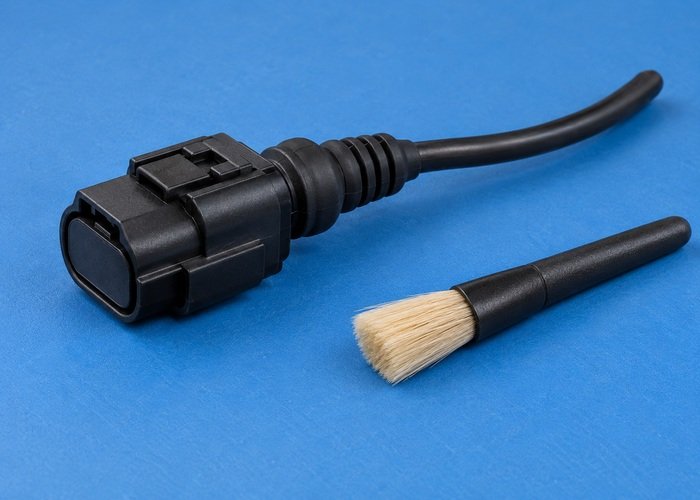
Do not pressure-test a connector’s condition by washing it. Nor should an owner open electrical equipment, add improvised sealant or wrap components in an unapproved way merely to complete the cleaning job. Ask the responsible provider how to address the defect and whether the planned method remains appropriate.
IL UK HSE guidance on vehicle inspection, maintenance and repair supports using manufacturer information and a clear defect process. For washing, apply that principle before the task begins: identify the concern, assign responsibility and retain any restriction until an appropriate person closes it.
A muddy undercarriage does not justify lifting the excavator with an improvised method or running raised tracks while someone cleans nearby. If the task requires special access, the competent provider must establish the applicable machine securing and support arrangements. Change the cleaning scope when the required access cannot be provided safely.
Prepare shutdown, cooling and any relevant isolation under the manufacturer’s instructions. The correct arrangements depend on the task and equipment. This guide deliberately does not offer a generic waiting period or disconnect sequence. An owner can identify the need for those instructions without inventing a substitute procedure.
Use the mini excavator maintenance checklist to coordinate cleaning with inspection and planned service. Keep the cleaning activity distinct from technical repairs: removing mud can improve visibility, but it does not establish that a stained hose, damaged seal or uncertain electrical cover has been repaired.
Give the person performing the wash the applicable instructions and a clear scope. Confirm which areas are excluded or awaiting repair, which products are approved and what follow-up is required. Do not leave these decisions to the person holding the nozzle after the machine has already been positioned.
Where pressure equipment or cleaning chemicals are proposed, establish compatibility from the appropriate instructions rather than a familiar brand name. A product that works on another vehicle may have a different effect on a label, coating or component. Keep the selected product identity with its supporting information.
A forum photograph can suggest a question to investigate, but it does not supply the missing approval. Avoid comparing only the advertised output of cleaning equipment. The relevant decision is whether the method is permitted for the identified machine and whether the task can be completed under the site’s arrangements.
Identify the approved cleaning area, access route and arrangements for collected water, mud and contaminants before moving the machine. The person controlling the site should determine the applicable environmental and housekeeping requirements. Do not assume a convenient roadside patch or drain is an acceptable collection route.
Describe the contamination where known. Ordinary soil, an unexplained fluid deposit and material from a restricted site can create different questions. Keep uncertain material identified as uncertain and obtain the appropriate assessment instead of adding a stronger cleaner and allowing the mixture to leave the work area.
UK HSE maintenance guidance emphasizes planned safe work and competent people. Use that framework to coordinate the wash area, access and responsibilities. It does not replace local environmental requirements or provide a universal disposal route for collected wash water.
Identify what the applicable instructions require after cleaning and who will perform the checks. Relevant questions can include the condition of covers, readable warnings, restored access arrangements and follow-up lubrication or inspection specified by the manufacturer. Do not assume a clean appearance establishes readiness for operation.
Record anything newly visible without deciding that washing caused it. A crack or leak revealed after mud is removed may have existed beforehand. Keep the observation, pre-wash photographs and any change in behavior together so the qualified service provider can investigate without relying on an unsupported explanation.
Added components should be considered through their own instructions. The work-light replacement guide explains the need for application-specific evidence. A lamp that looks sealed does not establish that the surrounding connector, mounting or cable arrangement is protected against the proposed wash method.
If a warning, intermittent electrical function or other concern appears after washing, use the defect process and the qualified provider’s advice. Do not repeatedly cycle functions, unplug components or apply chemicals to see whether the symptom clears. Record when it appeared and what work had just been performed.
Keep cleaning completion separate from fault resolution. The wash may be finished while the machine remains restricted for assessment. Clear status language is especially useful when a cleaning contractor hands the machine back to an operator who was not present during the work.
Retain the machine identity, instruction references, selected method, products, pre-existing defects and post-wash findings. A useful record explains what was actually done and what remains open. It should not describe the whole machine as certified clean or waterproof merely because the planned wash was completed.
No. Obtain the applicable machine and accessory instructions. This guide gives no universal pressure, nozzle, temperature, chemical concentration or stand-off distance.
Do not infer approval from appearance. Confirm the relevant restrictions and address damaged covers or seals through the service process before cleaning the affected area.
Do not improvise access or operate raised equipment for a cleaning shortcut. Special access requires the manufacturer’s applicable securing arrangements and a competent work plan.
Identify the machine, instructions, approved method, products, observed defects and required post-wash checks. State any unresolved concern and the person responsible before return to use.