Telephone/WhatsApp:+86 156 2656 0610
Telephone/WhatsApp:+86 156 2656 0610
Email:info@seekmach.com

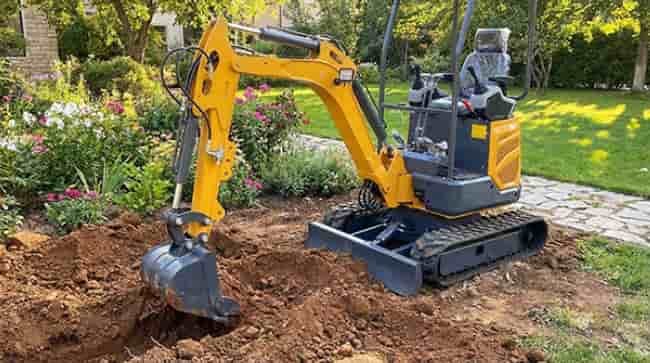
To arrange a crane lift of a mini excavator, give the competent lifting planner the actual machine configuration, verified mass information, manufacturer-approved lifting documentation and site conditions. The excavator is the load in this operation. Its bucket lifting chart and its trailer tie-down arrangements do not automatically identify the points or method for lifting the whole machine.
This guide is a preparation checklist for owners and project coordinators, not a rigging procedure. It does not select a crane, sling, angle, spreader, lifting point or operating sequence. The exact machine instructions and a competent site-specific lifting plan govern the operation. Stop planning around assumptions when the necessary information is missing.
Begin the inquiry with a clear sentence: the proposed operation lifts the complete excavator from a named starting location to a named landing location. Explain whether the machine is being delivered, transferred into a restricted area or recovered from an inaccessible position. Recovery after damage may need a different assessment from a planned delivery lift.
Keep three activities separate in the request: the excavator lifting a load, a vehicle transporting the excavator and lifting equipment lifting the excavator itself. Each has different equipment roles and information needs. A useful quotation cannot be based on a photograph that leaves the lifting contractor to guess which operation is intended.
IL mini excavator lift-chart guide addresses the machine acting as lifting equipment. Use it for that distinct question. Do not read its capacity figures as permission to attach crane rigging to the excavator’s bucket hook and lift the carrier.
Record the model, serial information and installed configuration. Include the attachment, coupler, cab or canopy arrangement and any added equipment relevant to the load description. Identify changes from the original specification, including components added by a previous owner. Leave uncertain items marked for confirmation.
Provide photographs that establish the overall configuration and safely accessible original markings. Do not climb onto the machine or remove guards to obtain a picture. The lifting provider should identify any further inspection needed and decide who is qualified to obtain it under suitable access arrangements.
For a new-machine inquiry, the SeekMach excavator category helps establish which product is being discussed. The final lifting information still needs to match the actual supplied machine and its documentation. A category name or nominal tonnage class is not an exact load description.
Ask what the available mass figure describes. A brochure value may refer to a particular configuration rather than the machine prepared for this operation. The planner needs to understand which components are included, what differs and how any uncertainty will be resolved. Do not quietly round a class name into an asserted lifting mass.
Keep the source with every figure: applicable manual, manufacturer confirmation, suitable weighing evidence or another basis accepted by the planner. Avoid combining numbers from several configurations without technical review. Where weighing or additional assessment is needed, arrange it through the responsible people before a crane is committed.
| Information | Evidence to provide | Question to resolve |
|---|---|---|
| Machine identity | Model, serial and configuration photographs | Does the documentation match this machine? |
| Load mass | Figure with its source and included equipment | What differs from the stated configuration? |
| Lifting provisions | Exact manufacturer lifting section | Which provisions apply to lifting the complete machine? |
| Site and destination | Access and landing information | What further survey does the lifting provider require? |
Describe uncertainty rather than masking it with a safety-factor guess. Applying a larger crane capacity in an informal calculation does not resolve unknown lifting points, load configuration or site conditions. The competent planner must determine how the missing information affects the operation and whether the request can proceed.
Locate the lifting section in the instructions for the exact model and applicable serial range. Keep it with the request, including relevant limitations and configuration requirements. Ask the manufacturer or authorized supplier to resolve ambiguity before rigging is proposed. A transport diagram may show securing points that serve another purpose.
As a clearly limited example, the Kubota U17-3 operator manual, issued in 2008, has a separate section for lifting that excavator. It demonstrates why whole-machine lifting information is model-specific. Its drawings and arrangements are not approved lifting instructions for a SeekMach excavator or another Kubota model.
Do not select lifting points from resemblance, paint marks, convenient holes or a public video. Nor should an owner fabricate a lifting fixture to complete the inquiry. If the documented provisions cannot be identified or their condition is uncertain, refer that gap to the manufacturer and lifting provider for an appropriate assessment.
Describe the starting position, destination, access constraints and surrounding activities. Include known overhead services, restricted openings, nearby structures and the proposed landing area. Photographs and drawings can help the lifting provider scope a survey, but an owner-supplied image does not establish ground capacity or crane setup suitability.
Identify who controls the site and who can provide reliable information about ground conditions and concealed structures. A surface that looks firm may cover a void or underground asset. Do not propose improvised mats or assume a previous vehicle’s passage proves that the lifting operation is supported.
Keep delivery and onward transport coordinated. The mini excavator trailer-transport guide concerns road transfer and securing. Arrange the handover between transporter and lifting provider explicitly so that the machine is not delivered to a position from which the planned lift cannot be performed.
The UK HSE overview of LOLER explains the need for lifting operations to be properly planned by competent people, appropriately supervised and safely carried out. These are UK requirements and useful planning responsibilities; they do not replace the law and arrangements applicable at another location.
Ask the lifting contractor to identify the responsibilities included in the service. Crane hire, a lifting plan, supervision, load attachment, signaling and site preparation should not be assumed to be one undivided service. Record who supplies each part and who confirms that the required information is complete.
For coordination, use one controlled version of the machine and site information. If the attachment changes after the quotation or the destination moves, tell the responsible planner before work. A verbal comment to an individual on site may not reach everyone whose part of the plan depends on that change.
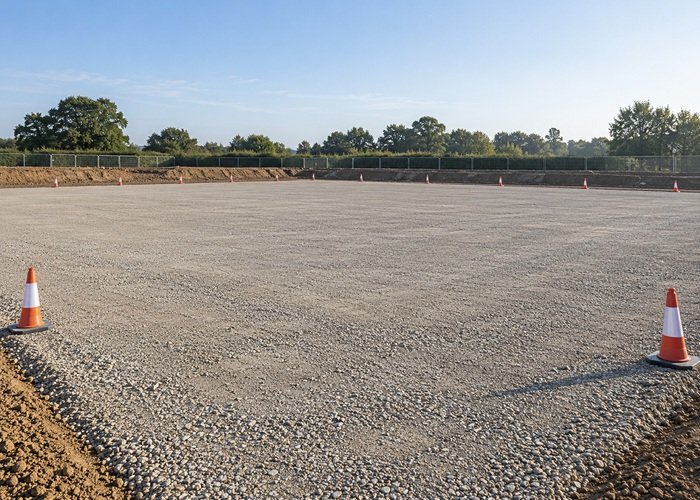
The destination needs to be considered before the machine leaves its starting position. Ask who will confirm that the landing arrangement is suitable and that people and equipment can remain clear. Do not treat the landing area as leftover space chosen after the crane has arrived.
HSE’s lifting-operations planning guidance emphasizes competent organization proportionate to the operation. Use the guidance to structure questions for the provider, not to extract a generic sequence from this article. The plan should address the actual load, site and responsibilities.
Identify any manufacturer-required restoration or inspection after transport or lifting preparation. The person accepting the machine should know its condition and outstanding restrictions before operation. A completed lift does not automatically document that every removed transport item or changed configuration has been restored.
Retain the applicable plan, machine information, agreed configuration and handover record together. Note changes made after the original inquiry and how they were accepted. This helps the next transfer begin with reliable evidence instead of a photograph of a previous lift whose conditions are no longer known.
Send the machine identity, actual configuration, mass information with its basis, manufacturer lifting instructions and a concise description of both locations. Add safe photographs and identify known information gaps. Ask the lifting provider what further survey or technical confirmation is needed before it can prepare the operation.
For SeekMach documentation requests, specify that the question concerns lifting the complete machine. Include the serial information and the actual attachments, rather than asking for a generic excavator lift chart. This distinction helps the supplier locate the right instructions and avoids confusing machine lifting with bucket lifting capacity.
Do not assume so. Obtain the exact manufacturer’s whole-machine lifting instructions and have the competent lifting provider identify the approved provisions. Similar appearance does not establish a shared purpose.
A class name is not verified mass information for the actual configuration. Provide a documented figure with its basis and resolve differences through the responsible planner before the operation.
Not as a substitute for the applicable instructions and current plan. Configuration, equipment, location and conditions may differ. Retain historical information as background and have its relevance assessed.
No. It prepares the information and responsibilities for a competent machine-specific plan. It provides no lifting-point selection, sling routing, crane sizing or operating sequence.