Telephone/WhatsApp:+86 156 2656 0610

Telephone/WhatsApp:+86 156 2656 0610
Email:info@seekmach.com

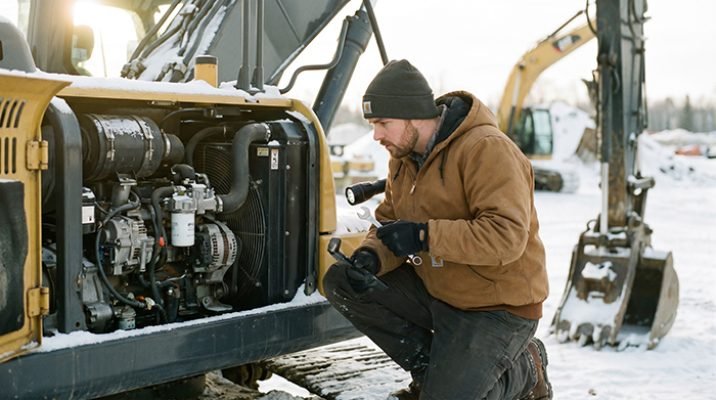
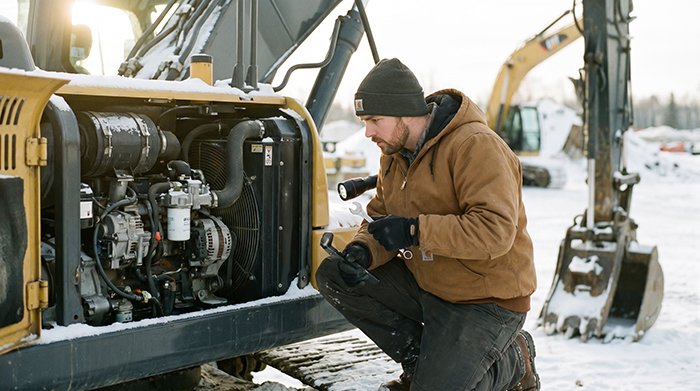
Every hour a frozen excavator sits idle on a job site is a direct charge against your project’s bottom line — and most of those losses are entirely preventable.
Contractors and municipal fleet managers who delay the decision to winterize excavator equipment often absorb costs they never fully account for. Missed deadlines trigger penalty clauses. Rental replacements run $1,500–$3,500 per day for comparable machines. Labor crews bill out whether the iron moves or not. The instinct to “wait for the thaw” is understandable, but it routinely converts a $200 maintenance task into a $15,000 problem.
Cold weather doesn’t just slow equipment down — it actively destroys it. Hydraulic systems are among the first casualties. As temperatures drop, hydraulic fluid viscosity spikes, forcing pumps to work under elevated pressure before the system reaches operating temperature. That sustained strain accelerates seal degradation, causes micro-cavitation in pump housings, and shortens component life in ways that don’t show up until spring — when the repair bills arrive. Standard maintenance schedules, designed around moderate operating conditions, simply weren’t built to account for repeated sub-zero thermal cycling.
The engine itself faces parallel stress. According to Shell Lubricants, the most significant wear on an engine occurs during the first few minutes of a cold start, when oil is too thick to flow to critical components. That brief window — repeated morning after morning through a hard winter — compounds into measurable long-term damage. Equipment built with integrated cold-start features, like a 5-minute block heater for sub-zero conditions, addresses exactly this vulnerability by bringing oil and coolant to safe temperatures before the engine fires.
Respecting OEM cold-weather standards isn’t just good practice — it’s the maintenance philosophy that separates fleets that hold residual value from those that don’t. Before that first frost hits, the most pressing threat to your machine often isn’t the coolant system at all. It’s what’s happening in your fuel lines.
Diesel fuel gelling is one of the most preventable causes of winter equipment failure — yet it consistently catches operators off guard when temperatures drop.
According to the Chevron Diesel Fuel Technical Review, diesel fuel can begin to wax or “gel” at temperatures as low as 32°F, clogging filters and starving your engine of fuel before you ever get a chance to turn the key. Understanding exactly when and why this happens is the foundation of any serious cold-weather maintenance plan.
The Cold Filter Plugging Point (CFPP) is the temperature at which wax crystals in diesel become large enough to block a standard fuel filter. Every batch of diesel has a rated CFPP, and knowing your fuel’s rating relative to your local forecast is non-negotiable for winter operations. When the ambient temperature drops below that threshold, an excavator may crank repeatedly — drawing down its cold cranking amps — without ever firing, because no fuel is reaching the injectors.
Not all diesel fuel offers the same cold-weather protection. The three main options operators work with are:
⚠️ Warning: Never rely on additives alone as a substitute for properly rated winter-blend diesel in sustained sub-zero conditions.
Water separator maintenance is another critical — and frequently overlooked — step. Water naturally accumulates in diesel fuel systems, and in freezing temperatures, that water forms ice crystals that block fuel lines just as effectively as gelled wax. Draining water separators weekly during cold months is a straightforward habit that prevents costly downtime, as outlined in this guide on cold-weather diesel maintenance.
For agricultural distributors managing large storage tanks, the same chemistry applies at scale. Insulating above-ground tanks, circulating stored fuel periodically, and treating bulk supplies with cold-flow improvers well before the first frost are all standard practices for keeping fuel viable through a full winter season.
With your fuel system protected, the next critical link in the cold-start chain is the component that has to power everything else first — your battery.
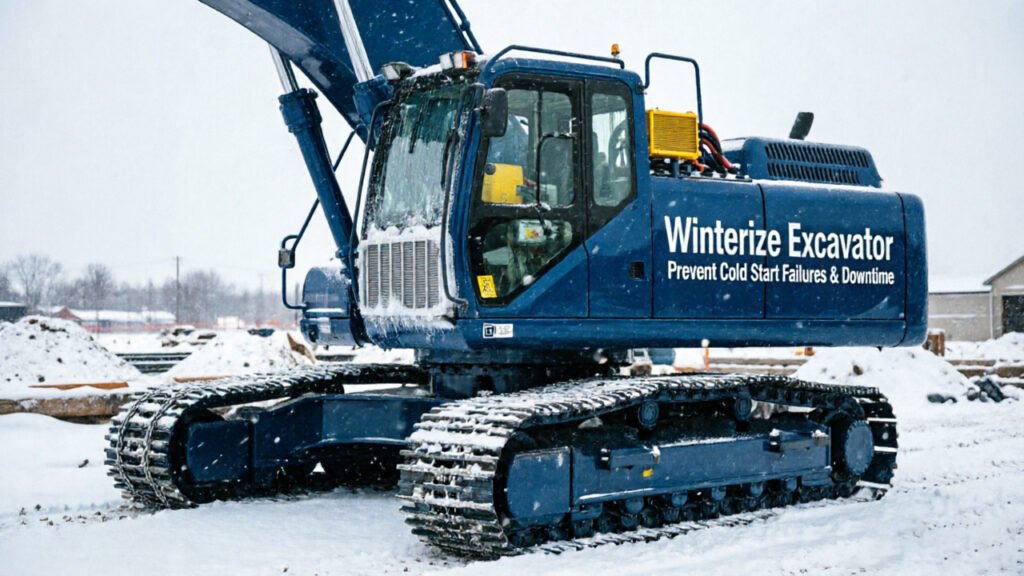
Cold weather doesn’t just slow your excavator down — it actively strips your battery of the power needed to fire a diesel engine at its most resistant moment.
Lead-acid batteries lose approximately 50% of their cranking capacity when temperatures drop to 0°F, according to the Battery Council International. That’s not a minor dip in performance — it means a battery that tests at 800 Cold Cranking Amps (CCA) in July is effectively delivering around 400 CCA on a hard January morning. Meanwhile, the engine itself demands more cranking power in the cold because thickened oil increases mechanical resistance. The gap between what your battery can deliver and what the engine needs is exactly where costly no-starts happen.
CCA testing is the most overlooked pre-season maintenance step in heavy equipment fleets. A battery can show a full charge voltage and still fail a load test, because capacity and voltage are different measurements. Testing CCA before the first frost — not after the first failure — gives operators time to swap underperforming batteries before deadlines are on the line. This is just as foundational to winter prep as diesel fuel gelling prevention; both problems are predictable, both are avoidable, and both share the same cure: acting before the temperature drops. For a broader look at cold-weather diesel equipment prep, battery testing belongs at the top of that checklist.
Mancia: Before storing or staging equipment for winter, clean battery terminals with a wire brush and apply anti-corrosion spray. Corroded terminals increase resistance precisely during high-load cold starts — a small amount of buildup can rob you of the margin between a successful start and a dead machine.
Trickle charging during extended idle periods keeps battery cells from sulfating, a chemical process that permanently reduces capacity in discharged lead-acid batteries. For equipment stored off-site, a smart charger set to maintenance mode prevents deep discharge without overcharging. If batteries must be removed for indoor storage, keep them above 50°F to preserve as much CCA as possible heading into the next cold snap.
Addressing the battery is only half of the cold-start equation. Even a fully charged, peak-capacity battery struggles when it’s pushing current through a frozen engine block — which is exactly why thermal pre-heating solutions deserve serious attention next.
Pre-heating your excavator’s engine before a cold start is one of the highest-return investments a fleet manager can make — cutting starter strain, reducing wear, and preventing the kind of hard-start damage that compounds over an entire winter season.
The math on engine block heater installation is straightforward: a quality coolant heater costs a fraction of what a single failed cold start costs in starter motor repairs, injector damage, and unplanned downtime. For fleet operators running multiple machines, that ROI multiplies quickly.
Choosing the right heating technology matters as much as installing one at all. The three main options each serve a different role:
Job site safety requires attention when running external heating units overnight. Always use ground fault circuit interrupter (GFCI) outlets, keep cords elevated off wet or frozen ground, and inspect heating elements for cracked casings before each use.
Using the correct coolant concentration alongside your heater is equally critical — as noted by Cummins Filtration (Fleetguard), proper antifreeze concentration prevents ice expansion from cracking the engine block, which no heater can fix after the fact.
Once your engine is properly pre-heated and starting reliably, the next challenge shifts to what happens after ignition — and that’s where your hydraulic fluid and lubrication choices become the deciding factor in whether your machine can actually work in the cold.

Viscosity is the silent saboteur of excavator cold start maintenance — and most operators don’t realize it until a hydraulic pump is already starving for fluid.
Cold hydraulic fluid doesn’t just move slowly; it can destroy your pump before the engine even reaches operating temperature. When ambient temperatures drop below freezing, standard hydraulic oil thickens dramatically, forcing the pump to work against resistance it was never designed to handle. This condition — known as pump cavitation — occurs when the pump pulls harder than the viscous fluid can follow, creating vapor pockets that implode against internal surfaces. Over time, cavitation causes pitting, scoring, and premature pump failure that no warranty will easily cover.
Synthetic low-viscosity oil is the practical answer. As Shell Lubricants notes, expert maintenance protocols recommend using low-viscosity synthetic oils during winter months to ensure immediate lubrication — a recommendation that applies equally to engine and hydraulic circuits. Grades like 0W-40 or 5W-40 are formulated to flow freely at sub-zero temperatures while still maintaining the film strength needed at full operating pressure. If your excavator is still running summer-weight hydraulic fluid in January, that’s the first thing to change.
The warm-up myth is equally damaging. Many operators idle their machines for 10–15 minutes and assume the hydraulic system is ready. In practice, idling raises engine coolant temperature far faster than it warms hydraulic fluid in remote circuits, cylinders, and return lines. Boom and arm movements under light, controlled load — not extended idling — are what actually circulate and warm hydraulic oil throughout the system. Think of low-load cycling as active warm-up, not a shortcut.
Grease points deserve the same scrutiny. Standard grease stiffens in cold conditions and loses its ability to penetrate tight tolerances at pins and bushings. Switching to a low-temperature rated grease (look for an NLGI Grade 1 or 0 with a low-temperature rating below −20°F) ensures joints stay protected during those first critical minutes of operation. This is especially important on bucket pins and boom foot pins, where load concentrations are highest.
For operators managing multiple cold-weather machines, the same viscosity discipline that applies to your excavator carries over to diesel equipment winterization broadly — a useful reference point as you build out your seasonal maintenance checklist.
With fluid viscosity addressed, the next logical question is what’s happening inside your cooling system — and whether your coolant chemistry is actually built for the temperatures you’re working in.
Proper coolant management is one of the most overlooked pillars of heavy equipment winterization — and getting the ratio wrong can mean cracked cylinder liners or a seized cooling system.
The standard 50/50 antifreeze-to-water mix isn’t always enough for serious cold. According to a Cummins Filtration technical bulletin, a 50/50 mixture protects down to -34°F, which covers most North American winters. However, operators running equipment in northern regions or high-altitude job sites should shift to a 60/40 ethylene glycol-to-water ratio, which extends freeze protection to -62°F. That margin matters when an overnight temperature drop catches a machine sitting on an unheated job site.
Beyond the ratio, Supplemental Coolant Additives (SCAs) are critical for diesel engines with wet-sleeve cylinder liners. Without adequate SCA levels, cavitation erosion causes microscopic pitting on liner surfaces — damage that compounds silently until a liner fails. Testing SCA concentration is a routine step that too many operators skip entirely. Three reliable methods include:
Tap water is a genuine threat to modern cooling systems. High-efficiency excavator cooling circuits are intolerant of the minerals, chlorides, and calcium deposits tap water introduces. These contaminants accelerate corrosion and reduce heat transfer efficiency. Always use distilled or deionized water when mixing or topping off coolant.
Finally, cold weather reveals leaks that warm-season inspections miss entirely. Rubber hoses and seals contract in freezing temperatures, opening micro-gaps that allow coolant to seep — what technicians call “cold leaks.” Inspect all hose connections, clamps, and water pump seals at the start of each cold-weather shift before pressures build.
With your coolant system dialed in, the next line of defense moves to the ground — where ice, salt, and frozen debris threaten the undercarriage in ways the engine bay never will.

The undercarriage is winter’s most vulnerable target on any excavator — and most operators don’t give it a second look until something breaks.
Road salt and de-icing chemicals are among the most destructive forces an excavator encounters in winter operations. While these compounds keep job sites accessible, they accelerate corrosion on track links, pins, bushings, and rollers at a rate that’s easy to underestimate until you’re looking at a repair bill. In practice, salt-laden slush packs into every joint and crevice, and once temperatures drop overnight, that moisture freezes and expands — creating mechanical stress on components that were already fighting chemical degradation. Factory-direct machinery care guidelines consistently recommend thorough undercarriage washdowns at the end of every shift when de-icing agents are present on the work surface.
The frozen debris issue is more than cosmetic. According to Caterpillar’s maintenance guidance, frozen mud packed inside the undercarriage can cause track-link failure the moment the machine powers up and the drivetrain engages. That’s a cold-start failure that has nothing to do with fluids or batteries — it’s purely mechanical, and entirely preventable with a five-minute inspection routine.
Exposed hydraulic cylinder rods deserve equal attention. Ice scoring — fine scratches caused by ice particles contacting the polished rod surface — compromises the integrity of rod seals over time, eventually leading to hydraulic fluid leaks. Keeping rods retracted when the machine is parked overnight reduces exposure significantly.
Track tension also requires seasonal recalibration. Steel contracts in cold temperatures, which can loosen tracks that were correctly tensioned during warmer months. A track that’s too slack risks derailing; one that’s too tight in the cold creates unnecessary stress when the metal warms and expands mid-shift.
Running through these exterior checks each morning creates the foundation for a complete winterization approach — which is exactly what the final checklist brings together.
Winter doesn’t give excavator operators a warning before it starts claiming cold-start casualties — the machines that stay running are the ones prepared before the first freeze arrives.
After covering coolant chemistry, undercarriage protection, and every system in between, the takeaway is straightforward: cold-weather failures are almost always preventable with a structured pre-season protocol. Here’s how to consolidate everything into five non-negotiable actions.
Battery health comes first. Test CCA capacity before temperatures drop, not after a failed start. According to Midtronics, a battery that tests at 80% capacity in warm weather can fall below functional thresholds the moment ambient temperatures hit the teens. Any unit showing degraded CCA output should be replaced proactively — downtime costs far more than a new battery.
Fluid swaps can’t wait. Winter-grade diesel, low-viscosity engine oil, and properly mixed coolant need to be in every machine before that first hard freeze. Gelling fuel and sluggish hydraulic oil are not cold-weather inconveniences — they’re mechanical failures in slow motion.
Block heaters are non-negotiable for critical fleet units. Inspect connections and element integrity on all installed heaters; add units to any machine running daily in sub-freezing conditions. Factory-direct maintenance standards ensure CE-certified equipment maintains its warranty and performance metrics, and heating system integrity is central to that standard.
The 15-minute hydraulic warm-up protocol isn’t optional. Cold hydraulic fluid moving through tight tolerances causes accelerated wear and sluggish response. Fifteen minutes of low-load operation before demanding any serious work from the hydraulic system is the standard — not a suggestion.
Daily undercarriage cleaning closes the loop. Ice and salt accumulation in track assemblies and pivot points creates the kind of mechanical stress that compounds quietly until something seizes. A daily rinse or knock-down takes minutes; a track replacement takes days.
These five disciplines aren’t complex — but they do require consistency. If you’ve still got questions about specific cold-start scenarios, the next section tackles the most common ones head-on.
Cold-weather excavator questions follow predictable patterns — and the wrong answers can turn a minor inconvenience into a costly repair.
Can I use starting fluid (ether) on modern diesel engines?
Avoid it. Modern common-rail diesel engines can be severely damaged by improper use of starting fluids — the explosive combustion ether creates is too aggressive for precision-engineered fuel injectors and cylinder components designed to tight tolerances. A block heater or battery charger is always the safer first move.
How often should I run an excavator that is in winter storage?
Idle an excavator in storage at least once every two weeks. Running it for 20–30 minutes allows the engine to reach operating temperature, circulates oil through critical components, prevents seals from drying out, and keeps the battery from dropping below safe charge thresholds. According to Midtronics, cold dramatically accelerates battery discharge — so a stored machine without periodic runs is already accumulating damage.
What is the best way to thaw a frozen fuel line safely?
Apply indirect, low heat — a heat lamp or a commercial engine-bay warmer positioned near the fuel line, never an open flame. Work slowly and check for cracks in fuel lines afterward, since freeze-thaw cycles can compromise rubber. Prevent recurrence by keeping the tank full to reduce condensation and using an approved fuel anti-gel additive.
Does factory-direct equipment require different winter fluids?
In practice, yes — OEM specs vary. Always cross-reference the operator’s manual before switching hydraulic fluid or coolant for winter grades. Some manufacturers void warranties if non-approved fluids are used, so a quick call to your dealer before the first hard freeze is worth every minute.
Winter excavator maintenance rewards preparation and punishes shortcuts. Every question above traces back to the same principle: cold weather exposes every deferred maintenance decision. Address them now, and your machine starts when it matters most.