Telephone/WhatsApp:+86 156 2656 0610

Telephone/WhatsApp:+86 156 2656 0610
Email:info@seekmach.com

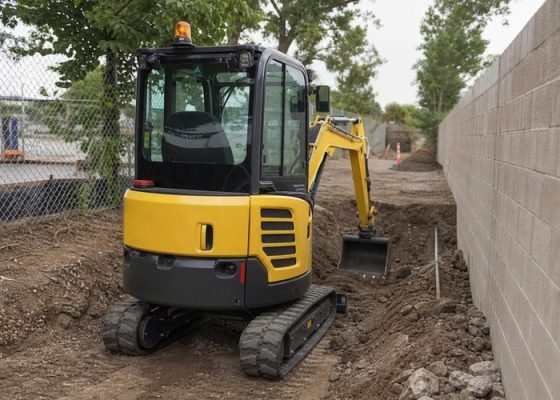
Zero-Tail-Swing vs Conventional Mini Excavators: Access, Stability, and Lift Tradeoffs gives buyers and operators a structured way to verify condition, fit, and safety before money or machinery moves.
Continue through the SeekMach equipment range, compare the tractor range, review compact excavators, see caricatori skid steer, and browse lawn mowers.
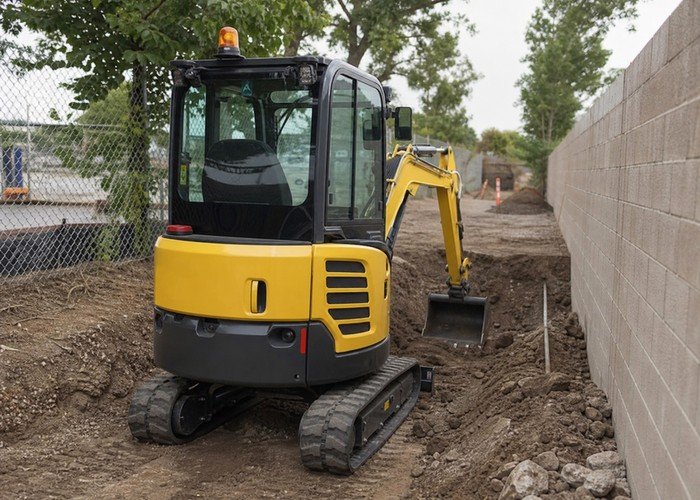
Start with records, ratings, and the exact machine: Tail swing is the rear overhang of the rotating upper structure beyond the undercarriage. Zero-tail-swing machines keep the counterweight within the track footprint, minimal-tail machines extend slightly, and conventional machines project farther. Verify the manufacturer drawing because the label alone does not describe cab-front swing, boom offset, or actual site clearance.
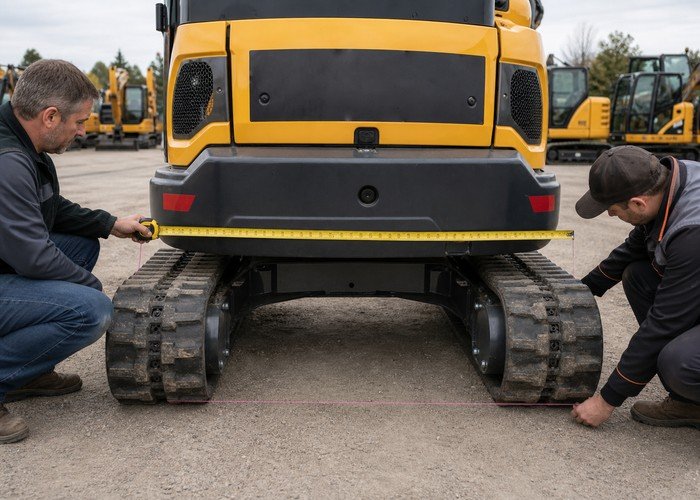
Start with records, ratings, and the exact machine: Start with the narrowest access route and the working envelope, not just machine width. Measure gates, walls, traffic lanes, spoil placement, rotation area, overhead restrictions, and room for the blade and boom. A zero-tail design reduces rear contact risk but does not make the entire upper structure or attachment stay inside the tracks.
Start with records, ratings, and the exact machine: Conventional layouts can offer useful counterweight leverage, service access, or performance advantages in open ground, while compact rear designs favor urban, roadside, landscaping, and interior-access jobs. Compare model-specific rated lift charts, operating weight, track width, boom geometry, bucket force, and auxiliary options rather than assuming one layout is always stronger.
Start with records, ratings, and the exact machine: Stability depends on load radius, lift height, blade position, track orientation, ground condition, attachment mass, and machine configuration. Use the exact load chart and manual. Zero tail swing is not permission to lift closer to people or structures, and a larger counterweight is not permission to exceed rated capacity.
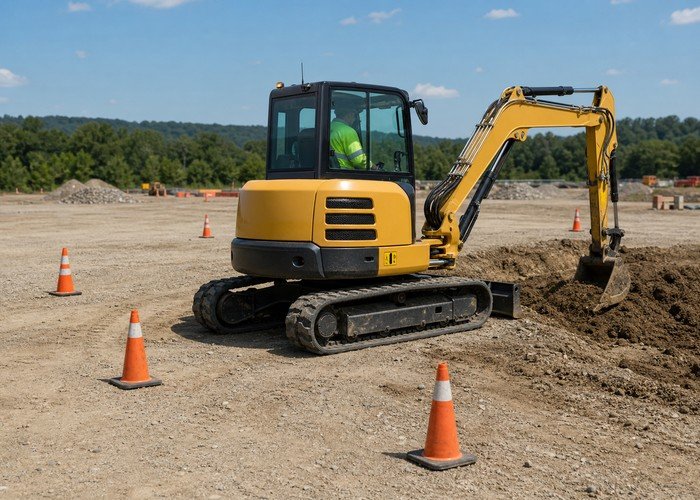
Start with records, ratings, and the exact machine: Demo both candidates in a marked version of the real work area. Test entry, full rotation, digging beside a wall, spoil placement, visibility, service access, transport width, and loading on the intended trailer. Record the clearance and lift limitations that actually control productivity before choosing a configuration.
Safety-first walk-around before operation: Tail swing is the rear overhang of the rotating upper structure beyond the undercarriage. Zero-tail-swing machines keep the counterweight within the track footprint, minimal-tail machines extend slightly, and conventional machines project farther. Verify the manufacturer drawing because the label alone does not describe cab-front swing, boom offset, or actual site clearance.
Safety-first walk-around before operation: Start with the narrowest access route and the working envelope, not just machine width. Measure gates, walls, traffic lanes, spoil placement, rotation area, overhead restrictions, and room for the blade and boom. A zero-tail design reduces rear contact risk but does not make the entire upper structure or attachment stay inside the tracks.
Safety-first walk-around before operation: Conventional layouts can offer useful counterweight leverage, service access, or performance advantages in open ground, while compact rear designs favor urban, roadside, landscaping, and interior-access jobs. Compare model-specific rated lift charts, operating weight, track width, boom geometry, bucket force, and auxiliary options rather than assuming one layout is always stronger.
Safety-first walk-around before operation: Stability depends on load radius, lift height, blade position, track orientation, ground condition, attachment mass, and machine configuration. Use the exact load chart and manual. Zero tail swing is not permission to lift closer to people or structures, and a larger counterweight is not permission to exceed rated capacity.
Safety-first walk-around before operation: Demo both candidates in a marked version of the real work area. Test entry, full rotation, digging beside a wall, spoil placement, visibility, service access, transport width, and loading on the intended trailer. Record the clearance and lift limitations that actually control productivity before choosing a configuration.
Engine, fluids, cooling, and leak checks: Tail swing is the rear overhang of the rotating upper structure beyond the undercarriage. Zero-tail-swing machines keep the counterweight within the track footprint, minimal-tail machines extend slightly, and conventional machines project farther. Verify the manufacturer drawing because the label alone does not describe cab-front swing, boom offset, or actual site clearance.
Engine, fluids, cooling, and leak checks: Start with the narrowest access route and the working envelope, not just machine width. Measure gates, walls, traffic lanes, spoil placement, rotation area, overhead restrictions, and room for the blade and boom. A zero-tail design reduces rear contact risk but does not make the entire upper structure or attachment stay inside the tracks.
Engine, fluids, cooling, and leak checks: Conventional layouts can offer useful counterweight leverage, service access, or performance advantages in open ground, while compact rear designs favor urban, roadside, landscaping, and interior-access jobs. Compare model-specific rated lift charts, operating weight, track width, boom geometry, bucket force, and auxiliary options rather than assuming one layout is always stronger.
Engine, fluids, cooling, and leak checks: Stability depends on load radius, lift height, blade position, track orientation, ground condition, attachment mass, and machine configuration. Use the exact load chart and manual. Zero tail swing is not permission to lift closer to people or structures, and a larger counterweight is not permission to exceed rated capacity.
Engine, fluids, cooling, and leak checks: Demo both candidates in a marked version of the real work area. Test entry, full rotation, digging beside a wall, spoil placement, visibility, service access, transport width, and loading on the intended trailer. Record the clearance and lift limitations that actually control productivity before choosing a configuration.
Hydraulics, structure, and working components: Tail swing is the rear overhang of the rotating upper structure beyond the undercarriage. Zero-tail-swing machines keep the counterweight within the track footprint, minimal-tail machines extend slightly, and conventional machines project farther. Verify the manufacturer drawing because the label alone does not describe cab-front swing, boom offset, or actual site clearance.
Hydraulics, structure, and working components: Start with the narrowest access route and the working envelope, not just machine width. Measure gates, walls, traffic lanes, spoil placement, rotation area, overhead restrictions, and room for the blade and boom. A zero-tail design reduces rear contact risk but does not make the entire upper structure or attachment stay inside the tracks.
Hydraulics, structure, and working components: Conventional layouts can offer useful counterweight leverage, service access, or performance advantages in open ground, while compact rear designs favor urban, roadside, landscaping, and interior-access jobs. Compare model-specific rated lift charts, operating weight, track width, boom geometry, bucket force, and auxiliary options rather than assuming one layout is always stronger.
Hydraulics, structure, and working components: Stability depends on load radius, lift height, blade position, track orientation, ground condition, attachment mass, and machine configuration. Use the exact load chart and manual. Zero tail swing is not permission to lift closer to people or structures, and a larger counterweight is not permission to exceed rated capacity.
Hydraulics, structure, and working components: Demo both candidates in a marked version of the real work area. Test entry, full rotation, digging beside a wall, spoil placement, visibility, service access, transport width, and loading on the intended trailer. Record the clearance and lift limitations that actually control productivity before choosing a configuration.
Functional test under realistic load: Tail swing is the rear overhang of the rotating upper structure beyond the undercarriage. Zero-tail-swing machines keep the counterweight within the track footprint, minimal-tail machines extend slightly, and conventional machines project farther. Verify the manufacturer drawing because the label alone does not describe cab-front swing, boom offset, or actual site clearance.
Functional test under realistic load: Start with the narrowest access route and the working envelope, not just machine width. Measure gates, walls, traffic lanes, spoil placement, rotation area, overhead restrictions, and room for the blade and boom. A zero-tail design reduces rear contact risk but does not make the entire upper structure or attachment stay inside the tracks.
Functional test under realistic load: Conventional layouts can offer useful counterweight leverage, service access, or performance advantages in open ground, while compact rear designs favor urban, roadside, landscaping, and interior-access jobs. Compare model-specific rated lift charts, operating weight, track width, boom geometry, bucket force, and auxiliary options rather than assuming one layout is always stronger.
Functional test under realistic load: Stability depends on load radius, lift height, blade position, track orientation, ground condition, attachment mass, and machine configuration. Use the exact load chart and manual. Zero tail swing is not permission to lift closer to people or structures, and a larger counterweight is not permission to exceed rated capacity.
Functional test under realistic load: Demo both candidates in a marked version of the real work area. Test entry, full rotation, digging beside a wall, spoil placement, visibility, service access, transport width, and loading on the intended trailer. Record the clearance and lift limitations that actually control productivity before choosing a configuration.
Decision table: pass, negotiate, or stop: Tail swing is the rear overhang of the rotating upper structure beyond the undercarriage. Zero-tail-swing machines keep the counterweight within the track footprint, minimal-tail machines extend slightly, and conventional machines project farther. Verify the manufacturer drawing because the label alone does not describe cab-front swing, boom offset, or actual site clearance.
Decision table: pass, negotiate, or stop: Start with the narrowest access route and the working envelope, not just machine width. Measure gates, walls, traffic lanes, spoil placement, rotation area, overhead restrictions, and room for the blade and boom. A zero-tail design reduces rear contact risk but does not make the entire upper structure or attachment stay inside the tracks.
Decision table: pass, negotiate, or stop: Conventional layouts can offer useful counterweight leverage, service access, or performance advantages in open ground, while compact rear designs favor urban, roadside, landscaping, and interior-access jobs. Compare model-specific rated lift charts, operating weight, track width, boom geometry, bucket force, and auxiliary options rather than assuming one layout is always stronger.
Decision table: pass, negotiate, or stop: Stability depends on load radius, lift height, blade position, track orientation, ground condition, attachment mass, and machine configuration. Use the exact load chart and manual. Zero tail swing is not permission to lift closer to people or structures, and a larger counterweight is not permission to exceed rated capacity.
Decision table: pass, negotiate, or stop: Demo both candidates in a marked version of the real work area. Test entry, full rotation, digging beside a wall, spoil placement, visibility, service access, transport width, and loading on the intended trailer. Record the clearance and lift limitations that actually control productivity before choosing a configuration.
Questions to ask the seller or operator: Tail swing is the rear overhang of the rotating upper structure beyond the undercarriage. Zero-tail-swing machines keep the counterweight within the track footprint, minimal-tail machines extend slightly, and conventional machines project farther. Verify the manufacturer drawing because the label alone does not describe cab-front swing, boom offset, or actual site clearance.
Questions to ask the seller or operator: Start with the narrowest access route and the working envelope, not just machine width. Measure gates, walls, traffic lanes, spoil placement, rotation area, overhead restrictions, and room for the blade and boom. A zero-tail design reduces rear contact risk but does not make the entire upper structure or attachment stay inside the tracks.
Questions to ask the seller or operator: Conventional layouts can offer useful counterweight leverage, service access, or performance advantages in open ground, while compact rear designs favor urban, roadside, landscaping, and interior-access jobs. Compare model-specific rated lift charts, operating weight, track width, boom geometry, bucket force, and auxiliary options rather than assuming one layout is always stronger.
Questions to ask the seller or operator: Stability depends on load radius, lift height, blade position, track orientation, ground condition, attachment mass, and machine configuration. Use the exact load chart and manual. Zero tail swing is not permission to lift closer to people or structures, and a larger counterweight is not permission to exceed rated capacity.
Questions to ask the seller or operator: Demo both candidates in a marked version of the real work area. Test entry, full rotation, digging beside a wall, spoil placement, visibility, service access, transport width, and loading on the intended trailer. Record the clearance and lift limitations that actually control productivity before choosing a configuration.
A repeatable field checklist: Tail swing is the rear overhang of the rotating upper structure beyond the undercarriage. Zero-tail-swing machines keep the counterweight within the track footprint, minimal-tail machines extend slightly, and conventional machines project farther. Verify the manufacturer drawing because the label alone does not describe cab-front swing, boom offset, or actual site clearance.
A repeatable field checklist: Start with the narrowest access route and the working envelope, not just machine width. Measure gates, walls, traffic lanes, spoil placement, rotation area, overhead restrictions, and room for the blade and boom. A zero-tail design reduces rear contact risk but does not make the entire upper structure or attachment stay inside the tracks.
A repeatable field checklist: Conventional layouts can offer useful counterweight leverage, service access, or performance advantages in open ground, while compact rear designs favor urban, roadside, landscaping, and interior-access jobs. Compare model-specific rated lift charts, operating weight, track width, boom geometry, bucket force, and auxiliary options rather than assuming one layout is always stronger.
A repeatable field checklist: Stability depends on load radius, lift height, blade position, track orientation, ground condition, attachment mass, and machine configuration. Use the exact load chart and manual. Zero tail swing is not permission to lift closer to people or structures, and a larger counterweight is not permission to exceed rated capacity.
A repeatable field checklist: Demo both candidates in a marked version of the real work area. Test entry, full rotation, digging beside a wall, spoil placement, visibility, service access, transport width, and loading on the intended trailer. Record the clearance and lift limitations that actually control productivity before choosing a configuration.
Common mistakes that create expensive surprises: Tail swing is the rear overhang of the rotating upper structure beyond the undercarriage. Zero-tail-swing machines keep the counterweight within the track footprint, minimal-tail machines extend slightly, and conventional machines project farther. Verify the manufacturer drawing because the label alone does not describe cab-front swing, boom offset, or actual site clearance.
Common mistakes that create expensive surprises: Start with the narrowest access route and the working envelope, not just machine width. Measure gates, walls, traffic lanes, spoil placement, rotation area, overhead restrictions, and room for the blade and boom. A zero-tail design reduces rear contact risk but does not make the entire upper structure or attachment stay inside the tracks.
Common mistakes that create expensive surprises: Conventional layouts can offer useful counterweight leverage, service access, or performance advantages in open ground, while compact rear designs favor urban, roadside, landscaping, and interior-access jobs. Compare model-specific rated lift charts, operating weight, track width, boom geometry, bucket force, and auxiliary options rather than assuming one layout is always stronger.
Common mistakes that create expensive surprises: Stability depends on load radius, lift height, blade position, track orientation, ground condition, attachment mass, and machine configuration. Use the exact load chart and manual. Zero tail swing is not permission to lift closer to people or structures, and a larger counterweight is not permission to exceed rated capacity.
Common mistakes that create expensive surprises: Demo both candidates in a marked version of the real work area. Test entry, full rotation, digging beside a wall, spoil placement, visibility, service access, transport width, and loading on the intended trailer. Record the clearance and lift limitations that actually control productivity before choosing a configuration.
Final verification before transport or purchase: Tail swing is the rear overhang of the rotating upper structure beyond the undercarriage. Zero-tail-swing machines keep the counterweight within the track footprint, minimal-tail machines extend slightly, and conventional machines project farther. Verify the manufacturer drawing because the label alone does not describe cab-front swing, boom offset, or actual site clearance.
Final verification before transport or purchase: Start with the narrowest access route and the working envelope, not just machine width. Measure gates, walls, traffic lanes, spoil placement, rotation area, overhead restrictions, and room for the blade and boom. A zero-tail design reduces rear contact risk but does not make the entire upper structure or attachment stay inside the tracks.
Final verification before transport or purchase: Conventional layouts can offer useful counterweight leverage, service access, or performance advantages in open ground, while compact rear designs favor urban, roadside, landscaping, and interior-access jobs. Compare model-specific rated lift charts, operating weight, track width, boom geometry, bucket force, and auxiliary options rather than assuming one layout is always stronger.
Final verification before transport or purchase: Stability depends on load radius, lift height, blade position, track orientation, ground condition, attachment mass, and machine configuration. Use the exact load chart and manual. Zero tail swing is not permission to lift closer to people or structures, and a larger counterweight is not permission to exceed rated capacity.
Final verification before transport or purchase: Demo both candidates in a marked version of the real work area. Test entry, full rotation, digging beside a wall, spoil placement, visibility, service access, transport width, and loading on the intended trailer. Record the clearance and lift limitations that actually control productivity before choosing a configuration.
No. Use this workflow to organize the inspection, then apply the exact limits and procedures in the model manual.
Use a qualified technician when records are incomplete, safety structures are altered, fluids are contaminated, structural cracks appear, or the functional test is inconsistent.
Record serial number, hours, cold-start condition, leaks, wear, measured settings, attachments, faults, photographs, and the person who performed the check.