Telephone/WhatsApp:+86 156 2656 0610
Telephone/WhatsApp:+86 156 2656 0610
Email:info@seekmach.com

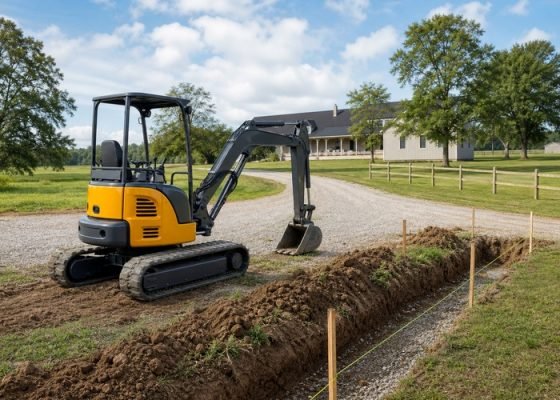
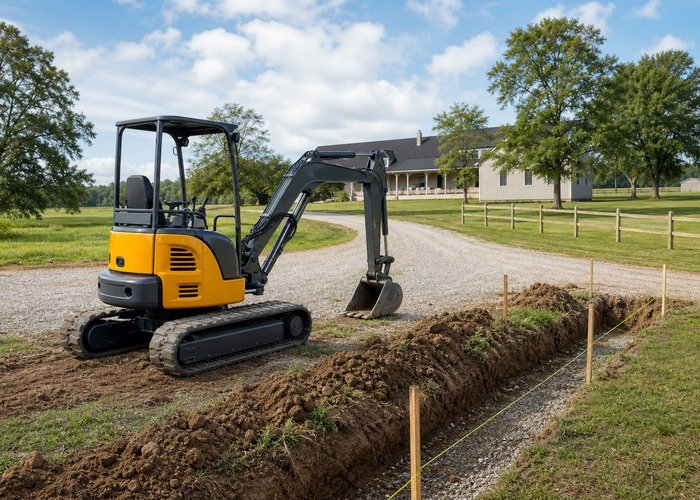
Quick answer: Choose excavator size from access, working radius, digging depth, lift chart, ground bearing, attachment weight and transport limits rather than tonnage alone.
Published class labels vary. Confirm the exact configuration, boom, counterweight, tracks, bucket and auxiliary package.
No. Use the model lift chart at the real radius, height, blade position and travel direction.
Quick answer: Use operating weight only as the first filter. Match access width, tail swing, digging envelope, lift chart, ground pressure, attachment hydraulics and transport payload for the exact configuration.
| Decision | Verify |
|---|---|
| Access | Overall width and height in working configuration |
| Scavo | Depth and reach at the required trench geometry |
| Lifting | Exact chart, radius, height, blade position and rigging weight |
| Transport | Machine, coupler, bucket, fuel, trailer and tow ratings |
Not reliably. Confirm the manufacturer definition and the actual fitted-machine weight.
Choosing a mini excavator by weight alone is risky. A small machine may fit through a gate but struggle with reach, breakout force, or spoil handling. A larger machine may dig faster but need more transport capacity, wider access, and firmer ground. The right size depends on the job, soil, access, trench depth, lift needs, attachments, transport, and how often the machine must move between tasks. Use this guide as a field-oriented size chart before you compare machines on the SeekMach excavator category or broader SeekMach product overview pages.
The ranges below are practical buying and planning categories, not universal manufacturer limits. Specs vary by model, bucket, arm length, counterweight, tracks, and hydraulic setup. Always check the actual spec sheet and the operator manual. The point is to think in work scenarios: the width of the path, the trench depth, the amount of spoil, how much reach is needed, and whether the machine can be hauled and serviced without turning a simple project into a logistics problem.
| Weight class | Typical fit | Common work | Main caution |
|---|---|---|---|
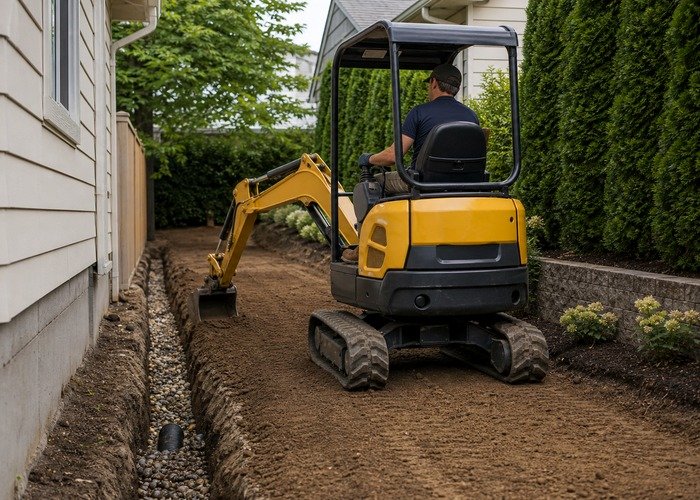
| 1 to 2 ton | Tight access and light property work | Garden drainage, shallow utilities, small landscape prep | Limited reach, lift, and stability |
| 2 to 3.5 ton | General residential and small contractor work | Trenching, grading, small stump and footing jobs | Still needs realistic haul planning |
| 3.5 to 5 ton | Frequent contractor use and deeper work | Utility trenches, larger drainage, harder soils | More site access and transport demand |
| 5 to 8 ton | Higher productivity compact excavation | Commercial site prep, heavier digging, larger attachments | Ground protection, permits, and haul capacity matter |
A chart helps narrow the choice, but it cannot replace walking the job. Measure gate openings, slopes, turning room, overhead lines, trench route, and the distance from spoil pile to dig line. A machine that looks perfect in a brochure can be wrong if it cannot turn around without tearing up finished work. A machine that looks small can be ideal if the job is mostly narrow trenching with staged spoil removal.
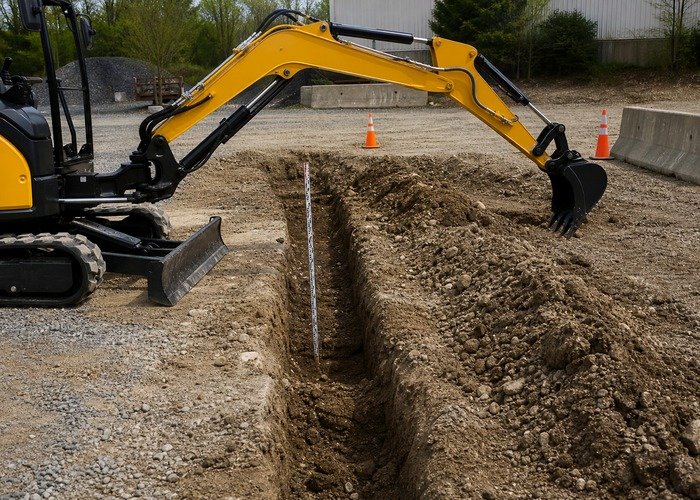
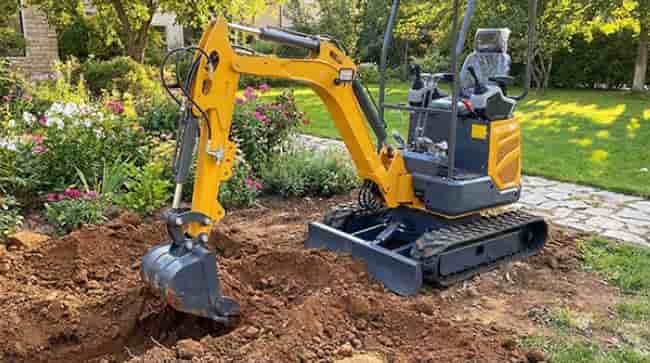
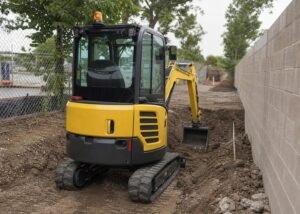
The smallest mini excavators are useful where access decides everything: side yards, garden paths, tight urban work, light drainage, shallow electrical or irrigation trenches, and small landscaping cuts. They are easier to place on delicate properties and can reduce hand digging. The tradeoff is simple: small machines have less reach, less lifting confidence, and less stability when the bucket is extended. They are not the right answer for every job just because they fit.
Before choosing this class, verify trench depth and spoil handling. If the bucket cannot reach comfortably, the operator may overwork the machine or make extra passes. If the ground is sloped or soft, stability becomes more important than access. OSHA’s trenching guidance at OSHA trenching and excavation is a useful reminder that even small trench jobs deserve planning, especially around cave-in risk and spoil placement.
This range often fits residential drainage, rural property improvement, small retaining walls, footings, landscaping, shallow utility work, and general owner-operator projects. It usually provides a better balance of access, reach, bucket force, and stability than the smallest class while staying compact enough for many properties. It also tends to pair well with common buckets, thumbs, grading buckets, and light auger work when the hydraulic setup is appropriate.
The common mistake is assuming this class can do heavy contractor work every day just because it feels capable. It still has limits. Hard clay, rock, large stumps, deep utilities, heavy lifting, and long trench runs may call for more machine or a different plan. Use the excavator application solutions page to connect machine size to application rather than choosing only by the number on the side panel.
A 3.5 to 5 ton mini excavator can be a strong choice for repeated contractor jobs, utility work, deeper drainage, small demolition support, driveway repairs, and heavier landscaping. The added weight can improve stability and digging performance, and the machine may support a wider range of attachments. Operators often notice that this class feels less strained in harder ground and longer trench cycles.
The tradeoff is access and transport. You need enough room to unload, turn, swing, and protect finished surfaces. You also need a tow vehicle and trailer combination that is genuinely appropriate once attachments, buckets, fuel, and tie-down gear are included. Do not size the machine in isolation. Size the whole workflow: loading, hauling, staging, digging, backfilling, cleaning, and storage.
The upper end of the compact excavator range can feel like a different category. These machines can be productive for site preparation, deeper utilities, larger drainage work, heavier attachments, and commercial projects where time matters. They are still compact compared with full-size excavators, but they demand more from the site. Ground pressure, turning room, transport, access roads, and finished surfaces all become more important.
This size can be wrong for residential work if the only reason is ‘bigger is faster.’ Bigger can also mean more repair impact, more difficult staging, and more cost if the machine sits. If the project is tight, consider whether a smaller machine plus better planning would finish cleaner. If the job is open and recurring, the bigger compact machine may save time. The SeekMach product overview page can help compare this decision with other equipment choices.
Maximum dig depth is a spec-sheet number. Comfortable work depth is the depth the operator can reach while maintaining visibility, stability, bucket angle, spoil placement, and room to reposition. A machine at its limit is slower and less precise. If a job requires repeated digging near maximum depth, move up a class or change the plan. This is especially true for trenches where grade, bottom shape, and safe access matter.
Call-before-you-dig planning belongs in every size decision. In the United States, Call 811 explains the utility notification process. The machine may be compact, but the risk around buried utilities is not small. Local requirements vary, so confirm the process before scheduling excavation work.
A bucket-only trenching job can be handled by a smaller machine than a job that uses a thumb, auger, breaker, or heavy grading bucket. Attachments add weight, hydraulic demand, and operating complexity. A thumb changes lifting and handling needs. An auger needs hydraulic flow and enough stability to control the bit. A breaker adds vibration and service attention. If attachments are central to your work, size the excavator around the attachment package, not only the trench.
Also consider couplers and bucket changes. A quick coupler can save time when switching from trenching bucket to grading bucket, but it may change geometry and weight. A wide grading bucket can clean up beautifully in soft soil but may be inefficient in hard material. The best size is the one that handles the full work cycle with less strain, not the one that barely handles the first bucket pass.
Many buyers focus on digging specs and forget transport. The machine, buckets, attachments, trailer, fuel, spare parts, and tie-down gear all count. Loading angle, ramp traction, and legal limits matter. NIOSH struck-by safety information at NIOSH struck-by safety is a useful reminder that equipment movement creates hazards before excavation begins.
Storage is part of sizing too. A larger machine may need better ground, more security, more service room, and more careful battery and track care. If the machine will sit outside, plan covers, drainage, theft prevention, and routine inspections. A smaller machine that is stored and serviced well may be more valuable than a larger machine that is hard to protect.
The first mistake is buying the smallest machine because it fits through one gate, then discovering every other job needs more reach. The second is buying the largest compact excavator that can be hauled, then damaging turf and driveways on small jobs. The third is ignoring operator experience. A new operator may work better with a machine that feels stable and predictable rather than one that is technically capable but unforgiving.
The fourth mistake is comparing only dig depth and weight. Reach, hydraulic performance, bucket force, tail swing, blade width, track width, service access, attachment compatibility, and visibility all matter. The fifth mistake is not renting or testing before buying. If the decision is expensive or recurring, rent the likely class for a real job and write down what slowed the work.
For tight property work and shallow tasks, start your comparison around 1 to 2 tons. For most mixed property and small contractor jobs, study the 2 to 3.5 ton range first. For repeated digging, deeper trenches, harder soil, and attachment-heavy work, look at 3.5 to 5 tons. For open commercial work where productivity matters and transport is solved, 5 to 8 tons may be justified. Then verify with real specs, job measurements, and the application pages at SeekMach excavator category E SeekMach application solutions.
The best mini excavator is not always the most powerful compact machine. It is the machine that reaches the work, fits the site, handles the attachments, moves safely, and can be maintained without friction. Size the job first, then size the machine.
A homeowner replacing a short drainage line behind a fence may care more about width, turf protection, and easy transport than maximum power. A 1 to 2 ton machine may be enough if the trench is shallow, the spoil can be staged nearby, and the work area is narrow. The same homeowner should not assume that size will also handle a pond edge, deep footing, or large stump. The machine fits the drainage job because the job is compact, not because small is always better.
A small contractor doing repeated trenching, retaining wall prep, and driveway drainage will usually need more reach, more bucket force, and a more productive cycle. The 2 to 3.5 ton or 3.5 to 5 ton range may be more realistic, especially when time on site matters. The contractor should compare the entire workday: unloading, bucket changes, digging, backfilling, cleanup, and loading again. A machine that saves an hour of digging but adds an hour of transport friction may not be a real improvement.
A property owner managing rural land may sit between those examples. The work may include culvert cleaning, fence post holes, small stump removal, ditch shaping, and washout repair. That owner should choose the class that handles the recurring list rather than the single hardest dream project. If one heavy job appears every few years, renting a larger excavator for that job can be smarter than owning a machine that is too big for weekly property tasks.
Many homeowners start by comparing 1 to 3.5 ton machines, but trench depth, access, soil, and attachments decide the real fit.
Yes, for tight access and light work. It is not ideal for deeper, harder, or heavy lifting jobs.
Only if the job list, access, transport, storage, and attachment needs support it. Bigger is not automatically cleaner or safer.
Dig depth, reach, bucket force, hydraulic flow, width, tail swing, operating weight, and transport requirements.
– OSHA trenching and excavation – Call 811 before digging – NIOSH struck-by safety – Excavator definition – OSHA mobile heavy equipment guidance – Mini excavator sizing video
Compare the next equipment decision with the mini excavator rent-versus-buy worksheet.
Search performance shows readers need a faster answer for mini excavator rubber tracks. Confirm the exact model, operating weight, included equipment, service support, documents, and recurring ownership costs in writing. Compare alternatives on the same scope and never substitute a headline number for a complete delivered-and-supported specification.
| Check | Evidence | Decision |
|---|---|---|
| Machine fit | Manual and serial-specific specification | Pass only when job limits are covered |
| Support | Parts list, warranty route, response owner | Price downtime risk separately |
| Total cost | Written quote with exclusions | Compare like for like |
Related planning: used compact tractor inspection checklist E mini excavator trailer transport guide.