Telephone/WhatsApp:+86 156 2656 0610
Telephone/WhatsApp:+86 156 2656 0610
Email:info@seekmach.com

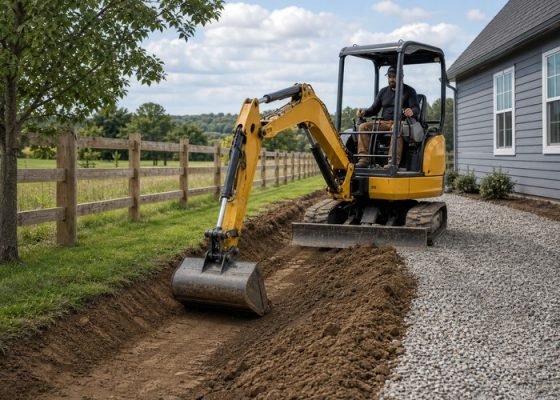
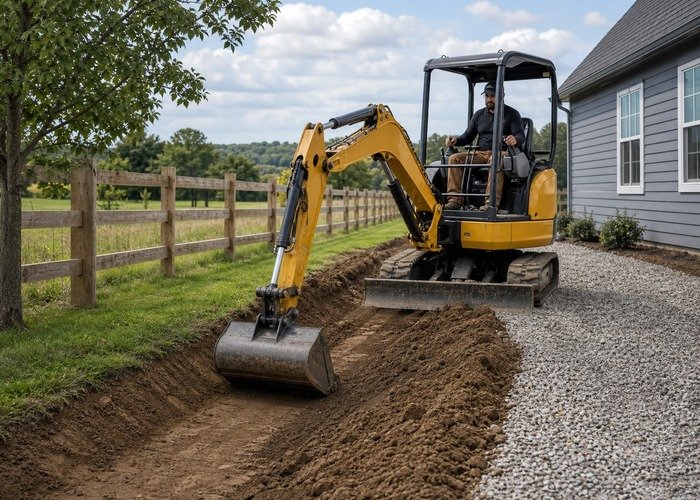
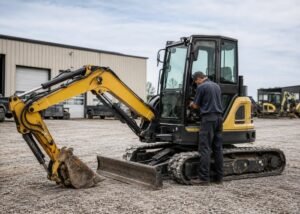
A mini excavator becomes far more useful when the attachment matches the job, the soil, the access path, and the hydraulic system. The same carrier can trench a drain line, grade a swale, drill fence posts, break a small concrete pad, place stones, or clean a ditch, but it cannot do all of those jobs well with one bucket. If you are evaluating machines from the SeekMach excavator category, treat the attachment plan as part of the machine plan, not an afterthought.
The mistake many new owners make is buying the attachment they saw in a video before confirming weight, pin size, coupler fit, hydraulic flow, auxiliary pressure, return-line requirements, lifting capacity, and transport limits. An attachment that is too heavy can make a small excavator feel clumsy. A tool that needs more hydraulic flow than the machine can provide will run slowly, heat the oil, or disappoint on the first real job. A bucket that looks right in a photo may be wrong for clay, roots, loose sand, or finish grading.
Start with the work. Write down the material, depth, width, working space, spoil placement, slope, access route, and finish quality expected. Then pick the attachment. That order matters. A drainage trench behind a house needs different priorities from stump cleanup, fence-post drilling, or concrete removal. For job planning beyond a single machine, the SeekMach application solutions page can help place excavators, tractors, skid steer loaders, and mowers in their proper roles.
Before choosing tools, collect the excavator’s basic specifications. You need operating weight, lift capacity at reach, auxiliary hydraulic flow, auxiliary pressure, coupler type, bucket pin diameter, stick width, maximum attachment weight, and whether the machine has one-way or two-way auxiliary hydraulics. For powered tools, check whether a case drain is required. For buckets and thumbs, check geometry and curl range.
Do not rely on one number. A breaker, auger, flail mower, or compactor can all be “for mini excavators” and still be wrong for your exact size class. The attachment must fit the machine physically, hydraulically, and practically. If a tool blocks visibility, overloads the front, or makes the machine unstable at the required reach, it is not the right tool for that job.
| Allegato | Best-fit work | Key check before use |
|---|---|---|
| Digging bucket | Utility trenching, footings, general excavation | Bucket width, tooth style, soil type, trench width |
| Grading bucket | Swales, cleanup, backfill finish, ditch shaping | Bucket width, tilt need, machine stability |
| Trenching bucket | Narrow pipe or drainage trenches | Required bottom width, spoil flow, soil collapse |
| Hydraulic thumb | Stones, brush, demolition debris, logs | Thumb geometry, cylinder protection, load limits |
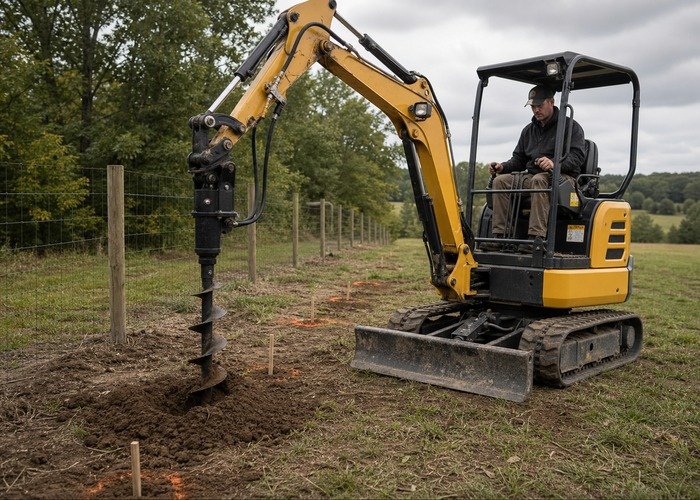
| Trivella | Fence posts, signs, deck footings, planting holes | Bit diameter, soil, rock, hydraulic flow |
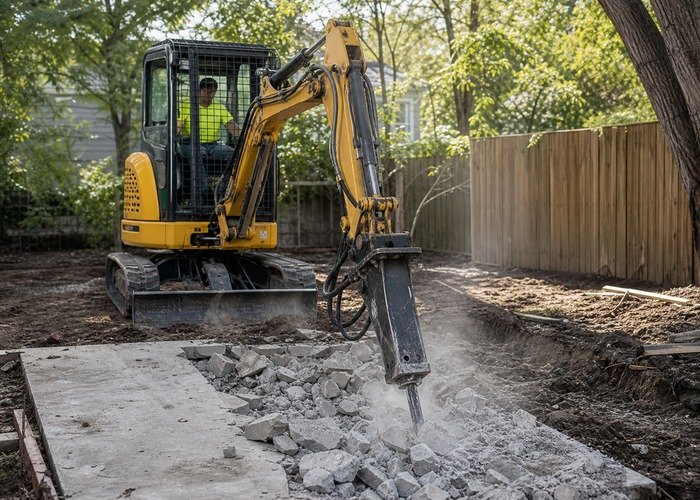
| Breaker | Small concrete pads, rock, light demolition | Flow, pressure, carrier weight, protection zone |
| Plate compactor | Trench backfill and small pads | Soil moisture, lift limits, compaction plan |
This table is only a starting point. The right attachment is shaped by the jobsite. Clay may need a different tooth pattern than sandy soil. Tree roots may require a ripper before a bucket becomes productive. A grading bucket that is perfect in open space may be too wide between a fence and a house.
Buckets look simple, so they are often under-planned. A narrow trenching bucket reduces spoil and backfill on pipe or drain work, but it can clog in sticky clay. A wider digging bucket moves more material per cycle, but it may overwork a small machine or create a trench wider than needed. A grading bucket leaves a cleaner finish, yet it may not penetrate hard soil efficiently.
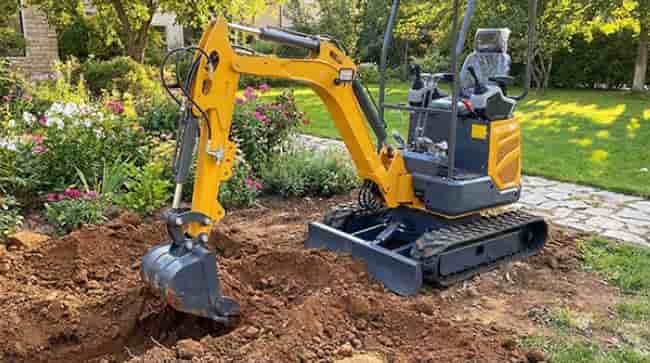
For drainage work, think about the finished trench first. How wide must the pipe bed be? How much room is needed for bedding stone? Where will spoil sit without falling back into the trench? The OSHA trenching and excavation safety page explains why soil conditions, protective systems, and trench depth matter. Even a mini excavator can create a trench that is dangerous to enter.
If you need a clean bottom, do not simply buy the widest bucket you can carry. Use a bucket that lets the operator control depth without overloading the stick. In soft landscapes, smaller bucket passes may protect nearby hardscape, irrigation, and plantings better than aggressive wide cuts.
A grading bucket earns its place when the customer or property owner will see the final surface. Swales, backfill, driveway shoulders, garden beds, and pond edges often need broad, controlled shaping rather than raw digging force. A smooth edge can feather material, while a tilting grading bucket can reduce repositioning on slopes or uneven ground.
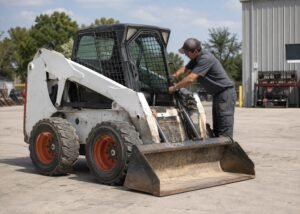
The carrier still sets the limit. Too wide a bucket can pull the machine off line or make the boom feel heavy at full reach. Work in thinner layers, keep the blade positioned for stability, and avoid swinging heavy material across a downhill side. For broader site cleanup where loading and carrying are also required, compare the excavator role with the SeekMach skid steer loader category. Sometimes the fastest job uses the excavator to loosen and shape, then a loader to move material.
A hydraulic auger can turn a long fence day into a controlled, repeatable process, but only when the bit, soil, and machine match. Bit diameter changes torque demand. Wet clay can stick to flights. Loose sand can collapse. Gravel and buried rubble can stop progress or deflect the hole. Before drilling, confirm utility locations, overhead clearance, slope, and whether spoils will be handled by the bucket afterward.
Keep people outside the work zone. The auger is not just a spinning tool; it can grab material suddenly. Stop rotation before clearing debris, and never allow someone to guide the bit by hand. Check hoses and couplers for routing that will not pinch through the swing and boom range. The Canadian Centre for Occupational Health and Safety hydraulic systems guidance is a useful reminder that hydraulic pressure can create hazards that are easy to underestimate.
A hydraulic breaker is useful for small concrete pads, rock edges, and light demolition, but it is also one of the easiest tools to misuse. The breaker needs the correct flow and pressure range, proper tool lubrication, correct down pressure, and a carrier with enough mass to absorb the work. Too small a carrier can bounce. Too large a breaker can damage the machine. Too much blank firing can damage the tool.
Do not use a breaker like a pry bar. Break material in manageable sections, work from edges when possible, and reposition rather than holding the tool in one spot forever. Dust, chips, and flying debris require an exclusion zone and appropriate protection. The NIOSH construction safety resources are worth reviewing when demolition or concrete work is part of the plan.
Concrete and demolition work also create silica dust concerns when material is cut, broken, or disturbed. The OSHA respirable crystalline silica standard overview is a useful starting point for understanding why dust control, exposure limits, and protective planning matter even on small sites.
A hydraulic thumb can make a mini excavator feel like a second set of hands. It helps with stones, brush, logs, pipe, and demolition debris. The important details are geometry and load control. A thumb that does not meet the bucket teeth at the right point may drop material or bend components. A load that is easy to lift close to the machine may be unsafe at reach.
Use the load chart and keep the machine level. Do not swing heavy objects over people, vehicles, septic areas, or finished surfaces. If the job is mostly carrying material from one place to another, the excavator may not be the primary carrier. Pairing it with a loader can keep the excavator focused on digging and placement while the loader handles transport.
Powered attachments convert hydraulic flow and pressure into work. That work also creates heat. If an attachment runs slowly, stalls, or makes the machine hot, do not immediately assume the tool is poor quality. Check whether the machine is delivering the required flow, whether the couplers are fully seated, whether return restrictions exist, whether the oil level and filters are correct, and whether the duty cycle is realistic for the machine.
Hydraulic horsepower is related to flow and pressure, but the whole system must support it. Hoses, couplers, oil cooler capacity, control valves, and attachment motor design all matter. Use the exact manual for both machine and attachment. If you are building a multi-tool ownership plan, the SeekMach excavator application page can help group jobs by digging, grading, loading support, and site preparation.
Imagine a property owner adding a drainage line, a short fence, and a small concrete shed pad removal. Buying only a general digging bucket will get some of the work done, but slowly and roughly. A narrow trenching bucket reduces the drainage excavation. A grading bucket finishes the swale and backfill. An auger drills the fence holes. A breaker handles the pad if the carrier can run it correctly. The owner does not need every attachment forever, but the job schedule should decide what to own, rent, or hire.
That example also shows why attachment order matters. Finish the trench before bringing in the grading bucket. Drill holes when access is clear. Break concrete before final grading, not after. A smart sequence protects the site and reduces repeated travel over soft ground.
Ask what exact machine size the attachment fits, what coupler it uses, what hydraulic flow and pressure it requires, whether it needs a case drain, what maintenance is required, what wear parts cost, and what work it should not do. Ask how heavy it is and how it changes transport weight. Ask whether the attachment can be serviced locally.
Avoid vague answers such as “fits most mini excavators.” A good fit should be specific. Pin dimensions, flow range, pressure range, weight class, and coupler type should be clear. If those answers are unavailable, the risk is being transferred to the owner.
When the attachment list grows beyond digging and grading, review the full SeekMach product range before buying tools for the wrong carrier. A tractor, skid steer loader, and excavator can overlap on a rural property, but the most efficient ownership plan gives each machine the work it handles cleanly.
Most owners start with a digging bucket that matches their common trench or excavation width. A grading bucket is often the next most useful tool when finish work matters.
Some can, if the breaker is matched to the carrier’s weight, flow, pressure, and protection requirements. An oversized breaker can damage the machine or perform poorly.
It depends on access, reach, soil, visibility, and hole layout. A mini excavator can reach over obstacles and position carefully, while a skid steer may move faster across open ground.
A coupler saves time when attachments change often, but it adds cost, weight, and another compatibility point. Confirm safe locking procedures and inspect the coupler regularly.
Heat can come from excessive restriction, wrong flow, partial coupler connection, continuous relief operation, dirty oil cooler, low oil, or running beyond the intended duty cycle.
Watch a relevant attachment overview here: mini excavator attachments on YouTube. Then build the attachment list from the work outward: job, material, access, machine capacity, hydraulic fit, safety zone, and service support. A mini excavator attachment is valuable when it helps the carrier do a specific job better, not when it simply looks impressive on the trailer.