Telephone/WhatsApp:+86 156 2656 0610
Telephone/WhatsApp:+86 156 2656 0610
Email:info@seekmach.com

A tractor horsepower by acreage question sounds simple until the property starts answering back. Five open acres of dry grass, ten acres with a gravel drive and a pond edge, and twenty acres with pasture, woods, snow, and loader work can all point to different machines. The useful answer is not a single horsepower number. It is a working range that fits the jobs, implements, access routes, slopes, storage, soil, and operator habits on that property.
Start with the jobs that repeat. A compact tractor that mostly mows, pulls a light cart, and handles seasonal cleanup can stay smaller than one that runs a rotary cutter, lifts gravel, maintains a long driveway, and moves material every weekend. If you are comparing machines in the SeekMach tractor category, treat horsepower as one part of a system that also includes PTO output, loader capacity, weight, hydraulics, tires, ballast, and safe transport.
The most expensive mistake is buying around a rare heavy task while ignoring the chores that happen fifty times a year. The second mistake is buying too small because the acreage number looks modest on paper. Walk the property, list the attachments, measure the narrowest gate, note the softest ground after rain, and write down the heaviest normal load before you decide what horsepower tractor you need.
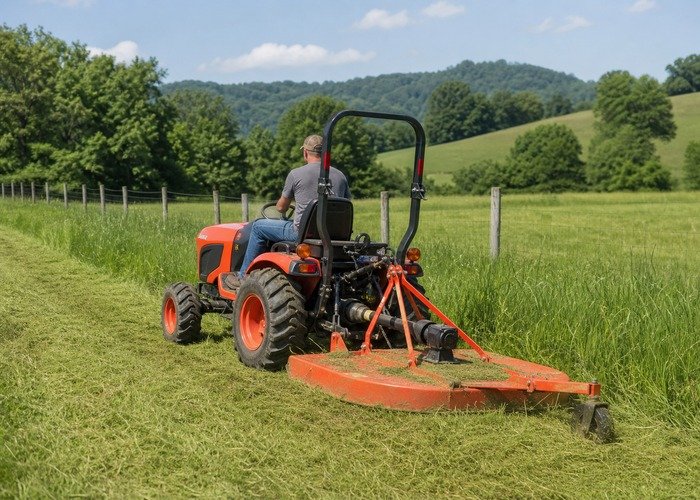
For many five-acre properties, a compact tractor in the lower-to-middle horsepower range can be enough when the work is mowing, light loader cleanup, garden prep, and occasional grading. The tractor still needs a correct implement match. A rotary cutter, tiller, rear blade, box blade, or finish mower has its own PTO and weight requirements. A machine that can pull a small cart is not automatically ready for a wide cutter in thick wet grass.
Ten acres usually exposes the compromises faster. The work often includes longer mowing runs, more material movement, driveway maintenance, drainage touch-ups, fence work, and winter cleanup. Travel time across the property matters. So does comfort, visibility, fuel capacity, and implement changeover. A slightly larger tractor may save time, but only if it still fits the shed, gates, trailer, and finished lawn.
Twenty acres can justify more weight, traction, hydraulic capacity, and PTO power, especially if pasture, brush, snow, or regular loader work is part of ownership. This does not mean every twenty-acre owner needs a large utility tractor. It means the buyer should stop thinking only in acres and start thinking in task-hours. A property with fifteen open acres of light mowing is different from six acres of slopes, mud, woods, and gravel.
Engine horsepower is the headline number, but PTO horsepower is what powered rear implements feel. Rotary cutters, finish mowers, tillers, seeders, and some spreaders depend on the power delivered at the PTO shaft. If an implement maker lists a PTO range, use that range instead of guessing from engine horsepower. The Penn State Extension tractor safety material is also a useful reminder that PTO work brings guarding, shutdown, and entanglement hazards that should be considered before any attachment is connected.
A five-foot cutter may be comfortable behind one tractor and frustrating behind another because grass height, blade condition, slope, and travel speed change the load. A wider implement saves time only when the tractor can maintain safe engine speed without lugging. If the cutter bogs down every pass, the extra width becomes false efficiency.
PTO work also asks for patience. Engage at the correct speed, keep shields in place, shut down fully before clearing material, and keep bystanders away. Power without safe routine is not productivity. It is just a faster way to damage equipment or injure someone.
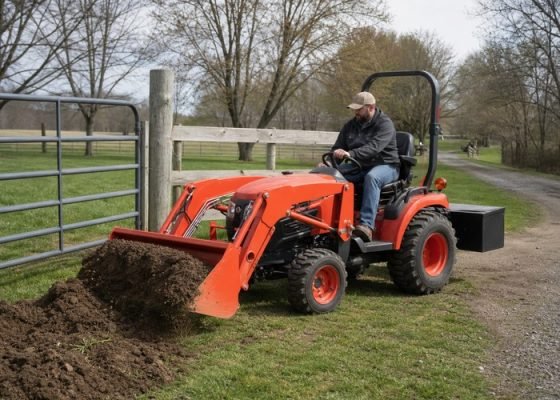
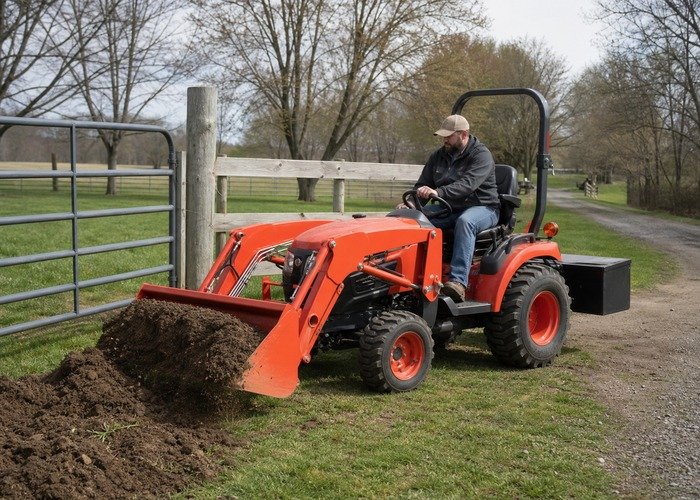
Acreage owners often discover that the loader decides tractor satisfaction more than the mower does. Soil, mulch, gravel, logs, compost, and palletized supplies are heavy, awkward, and usually moved over imperfect ground. Loader lift capacity must be read with the measurement point in mind. A rating at the pivot pins is not the same as usable capacity out on pallet forks, and a load that can be raised on concrete may feel unstable when carried across ruts.
Rear ballast is not an optional accessory for serious loader work. A ballast box, heavy rear implement, wheel ballast, or approved tire fill helps keep the rear axle planted. The NIOSH agriculture program frames agricultural machine safety as a system of equipment, training, environment, and behavior; loader work proves that point every day. Keep the bucket low during travel, slow down before turning, and avoid side slopes with a raised load.
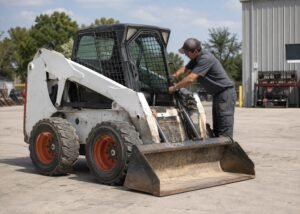
If loader cycles dominate the workday, compare the tractor plan with the SeekMach skid steer loader category. A tractor loader is versatile and often perfect for property ownership, but a skid steer may be more efficient for repeated short loading cycles, pallet handling, and attachment-heavy contractor work.
A small tractor with enough horsepower can still spin, bounce, or feel light if it lacks weight and traction. A heavier tractor may pull a box blade better, push into a pile more confidently, and feel calmer with a rear implement. The tradeoff is rutting, lawn damage, trailer weight, and storage space. Tire choice matters too. Turf tires protect finished grass, industrial tires offer a middle ground, and agricultural tires bite harder in soil but can mark surfaces.
Soil decides many choices. Sandy ground, clay, wet pasture, gravel, and finished turf each reward different tire and ballast setups. After rain, walk the routes where you expect to mow, carry loads, or pull implements. If the property has repeated soft spots, horsepower will not solve everything. Timing, tires, ground pressure, and work planning matter.
IL University of Minnesota Extension farm machinery resources are useful because they treat machinery performance as a field condition problem, not only a specification problem. That mindset helps tractor buyers avoid the habit of comparing one number while ignoring the surface underneath the machine.
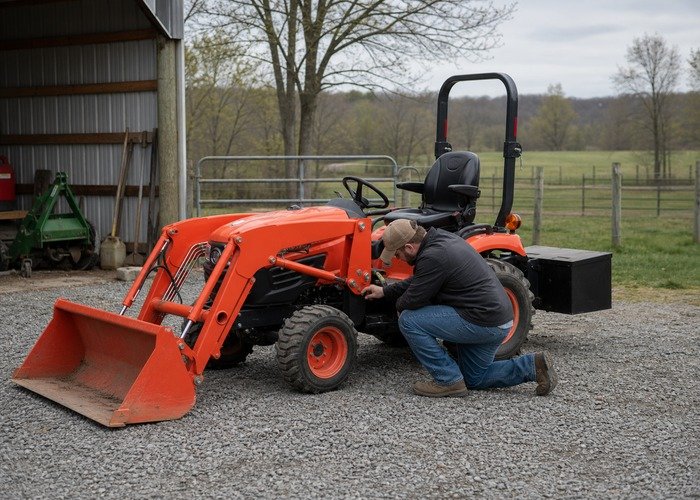
A compact tractor is really a carrier for tools. Before buying, list the attachments you expect to use in the first year: loader bucket, pallet forks, rotary cutter, finish mower, box blade, rear blade, landscape rake, tiller, spreader, snow blade, post-hole digger, or trailer. Then check weight, PTO needs, hitch category, hydraulic outlets, storage room, and whether the operator can attach and detach the implement without a fight.
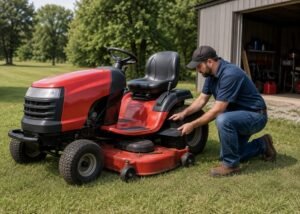
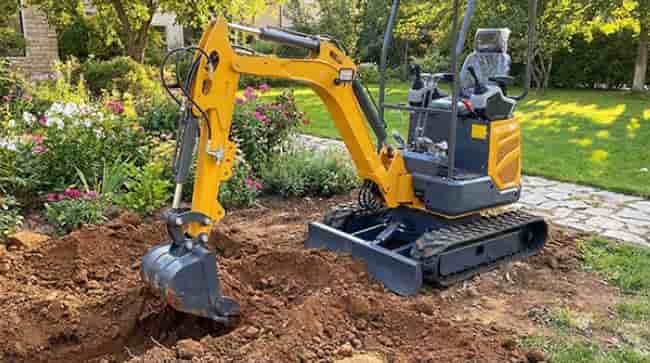
For many owners, a tractor overlaps with other machines. The SeekMach lawn mower category may be the cleaner choice for finished turf, while the SeekMach excavator category fits digging, drainage, and stump work better than a tractor loader. The best tractor decision sometimes includes admitting which jobs should be done by another machine.
Use the SeekMach product overview when the question is still machine type rather than tractor size. A tractor can do a remarkable range of property work, but it is not the best answer to every ground-engaging task.
A tractor that fits the work still has to fit the trailer, shed, gates, and service area. Loader, ballast, filled tires, cab, rear implement, chains, fuel, and tools add weight. If the tractor will be hauled, confirm trailer payload, hitch rating, brake condition, tie-down points, and local rules before purchase. The FMCSA cargo securement guidance is worth reviewing for the principles of securing equipment, even when a private owner must also check state and local requirements.
Storage affects ownership more than buyers expect. A machine stored outdoors ages faster. Implements left in mud become harder to attach. Batteries suffer. Hydraulic couplers get dirty. If the only available shed is narrow, measure with the loader, ROPS, tires, and likely rear implement in mind.
Service access also matters. Check whether daily fluid checks, grease points, filters, and battery access are reasonable with the loader installed. A tractor that is easy to service is more likely to be serviced on schedule.
| Property pattern | Sensible tractor focus | Watch the tradeoff |
|---|---|---|
| Five acres, finish mowing, light hauling | Maneuverability, turf protection, easy service | Too little PTO power for rough cutting |
| Ten acres, mowing, driveway, loader chores | Balanced PTO, loader, ballast, and comfort | Buying bigger than gates or storage allow |
| Twenty acres, pasture, snow, material work | More weight, traction, PTO reserve, hydraulics | Ruts, transport weight, higher operating cost |
| Woods, drainage, stumps, trenching | Consider excavator support | Tractor loader is not a digging machine |
| Contractor-style pallet and cleanup work | Compare skid steer productivity | Tractor may be slower in tight cycles |
Use the table as a conversation starter, not a final answer. The property walkaround and attachment list should still win over generic acreage advice.
Ask what PTO horsepower is available, not only engine horsepower. Ask what loader lift was measured at, how far forward of the pins the load sits, and what ballast is required. Ask whether the tractor can operate the actual cutter, tiller, or snow tool you plan to buy. Ask whether the machine can be hauled with normal fuel, loader, ballast, and implement included.
Ask about hydraulic flow and rear remotes if you expect grapples, hydraulic top links, snow tools, or specialty attachments. Ask about tires and ballast options. Ask whether the ROPS clears the storage opening or folds safely for short low-clearance movement. Ask how the dealer or supplier supports filters, common wear parts, manuals, and service questions.
Finally, ask yourself whether the machine feels controllable at slow speed. Visibility to the bucket edge, pedal layout, steering effort, seat support, and control placement all matter when the work is precise or repetitive.
If possible, test the tractor with the closest realistic setup, not an empty machine on smooth pavement. Ask to see loader control with a normal bucket load, steering with rear ballast installed, PTO engagement with the intended implement class, and low-speed turning in the kind of space you actually have. The goal is not to prove the tractor can survive one impressive lift. The goal is to see whether the operator can repeat normal work calmly for several hours.
Bring measurements. Know gate width, shed opening height, trailer deck length, driveway slope, and implement storage space. A tractor that looks perfect in a sales yard can become awkward when the loader bucket blocks a narrow path or the ROPS will not clear a low building. If another machine will share the property, compare workflows too. A mower may protect turf, a skid steer may handle pallets faster, and an excavator may dig cleaner. The right horsepower choice respects that whole workday.
It can be enough for mowing, light loader work, garden prep, and small implements when the terrain is reasonable and the attachments match. It may feel limited for wide cutters, heavy loader loads, steep routes, or constant material work.
Often you need more tractor, but not always just more horsepower. Weight, PTO output, hydraulics, ballast, tire choice, comfort, and implement width may matter more than the engine number alone.
Usually no. Size for recurring work with a sensible margin. Rent, hire, or use another machine for rare work that would force you into an oversized tractor every normal week.
Compare the full working setup: tractor, loader, ballast, tires, implement, operator visibility, service access, route, surface, and transport plan. The University of Missouri Extension tractor safety guidance is a practical source for thinking about rollover, PTO, and operating habits together.
Watch this related tractor horsepower and work-fit video: compact tractor horsepower guidance on YouTube. Then return to your attachment list and property map. Tractor horsepower by acreage is helpful only when it is tied to the jobs, surfaces, loads, and limits you actually have.