Telephone/WhatsApp:+86 156 2656 0610
Telephone/WhatsApp:+86 156 2656 0610
Email:info@seekmach.com

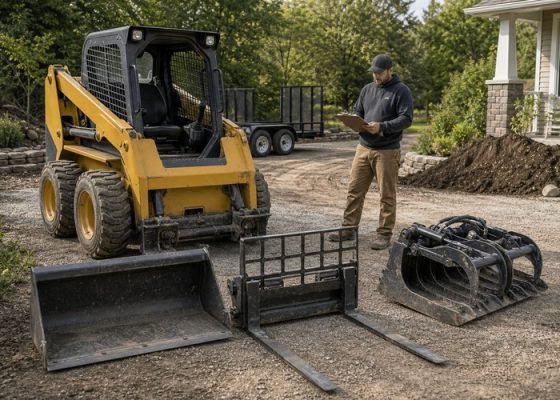
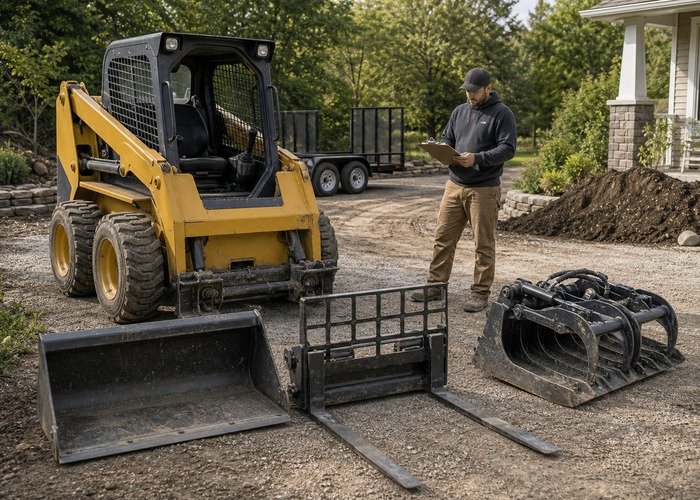
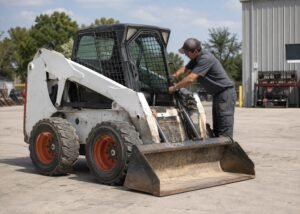
Can a skid steer pay for itself? It can, but not because the machine looks busy in a yard. A skid steer loader earns money when it solves repeated work with the right attachments, enough utilization, controlled maintenance, trained operators, and jobs that value speed. If you are looking at machines in the SeekMach skid steer loader category, think in terms of workdays, not wishful hourly numbers.
The first useful question is not purchase price. It is what jobs the machine will perform every week and whether those jobs are currently slow, outsourced, or impossible. Landscaping crews may use a skid steer for pallets, soil, brush, grading, demolition cleanup, and snow. Rural property owners may justify one through repeated material handling and land cleanup. Small contractors may value it because attachments let one carrier handle several tasks.
This article avoids pretending there is one universal payback number. Local labor rates, job size, transport distance, fuel, maintenance, insurance, attachment costs, downtime, and operator skill all vary. Instead, build a simple utilization picture: how many productive hours can the machine work, what jobs will it replace or win, and what costs follow it around?
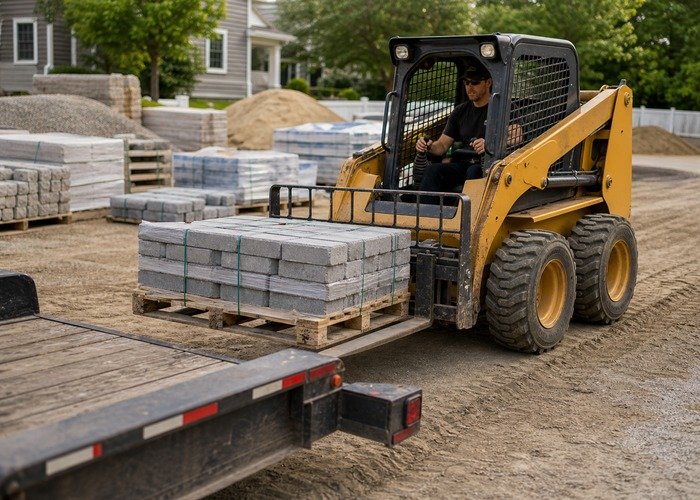
A skid steer creates value in two main ways. It can earn revenue on jobs billed to customers, or it can avoid costs by replacing hired equipment or labor on your own property or business. Both are real, but they should be counted separately. Customer work needs scheduling, transport, operator time, and job risk. Internal work needs enough frequency to justify ownership.
Write down the tasks that would actually use the loader: moving pallets, loading soil, spreading gravel, grading pads, cleaning storm debris, pushing snow, carrying materials, drilling post holes, or feeding a larger crew. Then mark each task as weekly, monthly, seasonal, or rare. A rare attachment job should not drive the whole purchase unless it is very valuable.
| Work type | How it pays back | What can weaken the case |
|---|---|---|
| Pallet and material handling | Reduces manual labor and speeds staging | Poor access, weak pallets, long transport routes |
| Grading and site prep | Replaces hand work and improves finish speed | Operator skill, wet soil, wrong bucket |
| Brush cleanup | Moves irregular debris quickly with a grapple | Disposal distance, hidden stumps, tire damage |
| Snow or seasonal work | Adds winter utilization | Weather uncertainty, timing, storage |
| Auger or attachment work | Expands services | Low frequency, hydraulic mismatch, wear parts |
| Internal property work | Avoids rental or hired labor | Too few hours, storage and maintenance burden |
This table is not a financial statement. It is a reality check. A skid steer that only works hard for two weekends a year may be convenient, but convenience and payback are different ideas.
A skid steer with only a general bucket can move material, but attachments create the job mix. Pallet forks make supply staging and delivery handling faster. A grapple changes brush and storm cleanup. A smooth bucket or grading attachment improves finish work. An auger adds post holes. A brush cutter adds clearing work when the carrier has the hydraulic flow and protection for it.
Attachment costs are not only purchase costs. Teeth wear. Cutting edges wear. Hoses get damaged. Couplers leak. Hydraulic oil gets contaminated if the crew is careless. Storage matters too; tools parked in mud become harder to connect and easier to neglect. The NIOSH construction safety resources are useful background for treating attachments as work tools with real hazards, not simple accessories.
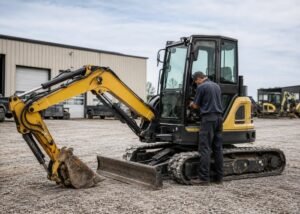
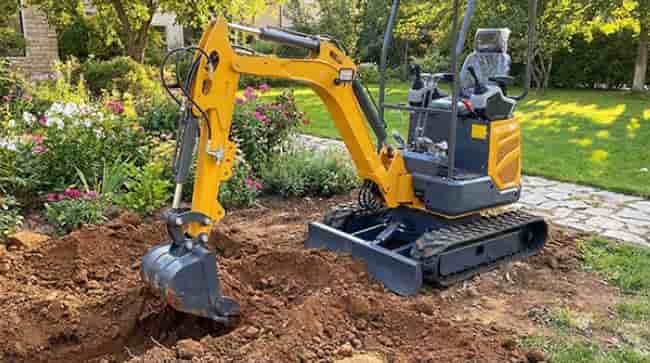
If the work list includes digging, roots, trenching, or careful placement, compare the skid steer role with the SeekMach excavator category. A skid steer may clean and carry, while an excavator loosens and places. Pairing machines can pay better than forcing one loader into every task.
A skilled operator can grade faster, carry safer loads, reduce tire damage, protect turf, avoid hitting structures, and keep attachments alive. A new operator may still be productive, but the first weeks should be treated as training, not peak production. The machine may be capable of fast work; the business is capable only when the operator is capable.
Skid steer loaders can be hazardous in tight sites because visibility, load height, reversing, and bystanders all interact. The OSHA struck-by hazard guidance is relevant because loaders often work around people, vehicles, materials, and buildings. Keep travel paths clear, loads low, and people outside the work zone.
If the skid steer travels to jobs, transport can decide whether small jobs make sense. Add trailer, tow vehicle, tie-downs, fuel, driver time, loading time, unloading space, and legal weight. A two-hour job across town may not be profitable if transport consumes the margin. A full day of material handling on one site may be much easier to justify.
IL FMCSA cargo securement rules are worth reviewing whenever equipment hauling becomes part of the plan. Requirements vary by situation, but the principle does not: machine weight, attachment weight, and securement are part of ownership.
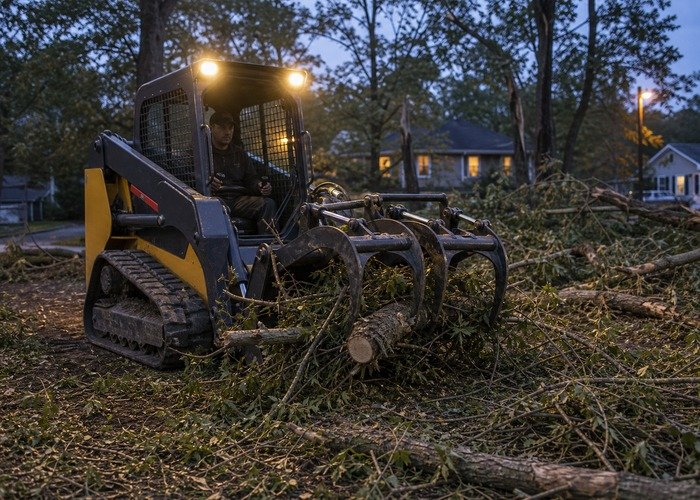
Downtime can quietly destroy payback. Tires or tracks, hydraulic hoses, filters, pins, bushings, cutting edges, battery, fluids, cooling screens, and attachment wear all need attention. A small contractor should treat daily inspection as a money habit, not a chore. A machine that fails on a customer job can cost more in reputation and rescheduling than the repair itself.
Keep a simple log: hours, job type, attachment used, fuel, service, repairs, and problems noticed. After a month, patterns appear. Maybe brush cleanup damages tires. Maybe grading jobs are profitable only when soil is dry. Maybe pallet work is easy money because it saves a crew from carrying blocks by hand. Those notes are better than guessing.
IL SeekMach product application solutions page can help organize machine roles when one site uses loaders, excavators, tractors, and mowers. Utilization improves when each machine does the work it is naturally good at.
Ownership begins to make sense when the machine has recurring work, the operator has training, attachments are chosen carefully, and transport or storage is manageable. It also helps when the machine allows you to accept jobs you would otherwise decline. A landscaper who can stage pallets, rough grade, and clean debris without waiting on rented equipment may finish more jobs in the same season.
Ownership is weaker when most jobs are rare, transport is long, attachments are mismatched, or the machine sits unused. Renting is not failure. Renting can identify the right size, attachment list, and true utilization before buying. If the rental machine sits for half the week, that is useful information.
Use a simple worksheet before buying. List expected monthly job hours by task. Estimate what those hours replace: labor, rental, subcontractor, or new revenue. Then list ownership costs: payment or capital, insurance, storage, service, fuel, transport, repairs, attachments, and downtime allowance. Do not include optimistic jobs you have not actually sold or scheduled.
If the numbers work only when every week is perfect, the plan is fragile. Build a slower season into the estimate. Add time for maintenance and training. Include attachment wear. The machine should still make sense when the month is ordinary.
Consider a landscape crew that unloads pallets twice a week, grades soil after planting jobs, and clears brush several times a month. That skid steer may create value even before adding specialized attachments because it saves labor on common work. Pallet forks, a bucket, and a grapple could cover most of the money-making tasks. A brush cutter might wait until clearing work is booked often enough.
Now consider a rural property owner who wants a skid steer mostly for one cleanup project. The machine may be useful, but the payback is weaker unless future work is clear. Renting for the first project could reveal whether the property actually needs a skid steer, a tractor from the SeekMach tractor category, or a mini excavator for digging and root work.
| Question | Why it matters |
|---|---|
| How many hours per month are already real? | Separates booked work from hopes |
| Which attachment does the most paid work? | Prevents buying tools in the wrong order |
| How far are job sites from storage? | Transport time can erase profit |
| Who will operate it? | Skill changes speed, damage, and safety |
| What jobs happen in slow seasons? | Seasonal gaps reduce payback |
| What failure would stop work? | Identifies spare parts and service needs |
Keep this worksheet plain. A machine that needs complicated assumptions to look profitable probably needs more real job history before purchase. The stronger case is usually obvious: repeat work, repeat attachment use, short transport, trained operator, and a schedule that would suffer without the loader.
Even when you avoid quoting exact prices, you can still price the decision logically. Track how long a crew takes without the skid steer, then track the same kind of task with the loader and the right attachment. If pallet unloading saves two workers from repeated carrying, that saved labor is part of the machine’s value. If a grapple turns a brush pile from an all-day hand cleanup into a shorter mechanical job, that is another value point. If transport takes longer than the work itself, the machine may need a minimum job size before it leaves the yard.
IL U.S. Small Business Administration business planning guidance is a useful non-equipment source for this mindset: separate real costs, expected revenue, and operating assumptions. For equipment owners, that means writing down transport time, service time, attachment wear, and unpaid setup instead of counting only the minutes when the bucket is moving.
If you are comparing ownership with other machine types, use the SeekMach product overview to keep the decision honest. A skid steer is strong at short-cycle loading and attachment work, but the best return may come when it supports a tractor, mower, or excavator rather than trying to replace them all.
Material handling, grading, brush cleanup, snow, pallet work, augering, and attachment-based services can help when they happen often enough and are priced realistically.
It can be when it saves labor, speeds material movement, improves grading, and stays busy. Profit depends on utilization, transport, operator skill, and attachment fit.
Buy the core tools that match recurring work. Rent rare or uncertain attachments until their usage is proven.
Transport and downtime are commonly underestimated. Moving the machine and keeping it working both take real time and money.
Sometimes, but not always. A skid steer is excellent for tight loading cycles. A tractor may be better for mowing, long pulls, and some rural-property tasks. Compare through the SeekMach tractor category when those jobs overlap.
Idle time is part of the calculation. Storage, insurance, batteries, tires, and service still exist when the machine is parked. Occasional idle time is normal; long idle seasons weaken the ownership case.
For many landscaping and construction users, pallet forks, a general bucket, and a grapple prove value quickly because they touch common material-handling and cleanup jobs.
Watch a relevant skid steer work video here: skid steer jobsite productivity on YouTube. A skid steer can pay for itself when the jobs are real, the attachments are matched, the operator is trained, and the machine is busy enough to justify the costs that come with it.