Telephone/WhatsApp:+86 156 2656 0610

Telephone/WhatsApp:+86 156 2656 0610
Email:info@seekmach.com

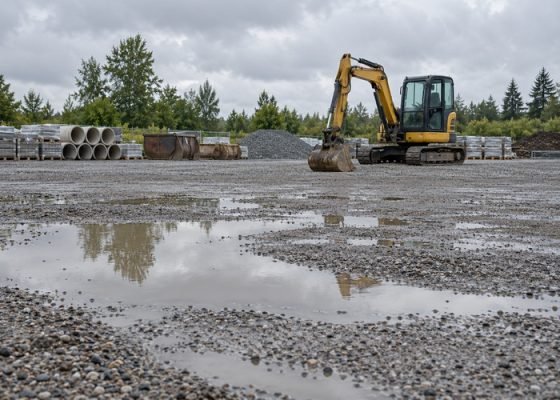
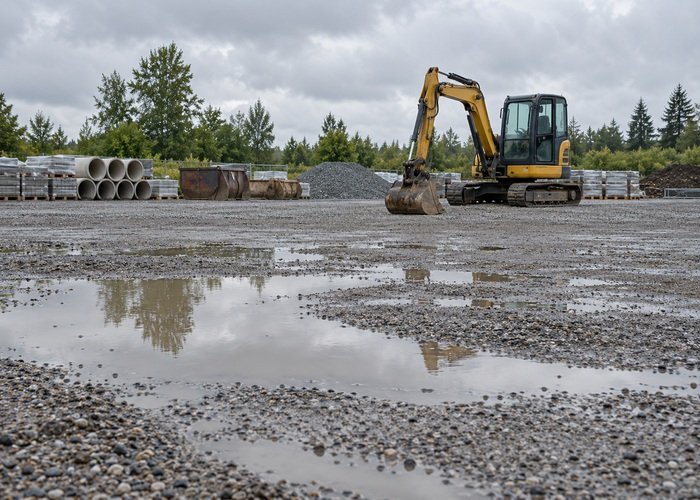
Pause the affected work and have the responsible competent person reassess the excavation, its support and the machine’s working area. Do not send someone into a water-filled trench to place a pump or inspect the bottom. Removing visible water does not by itself prove that the ground is stable or that the water may be discharged at the nearest convenient outlet.
The useful first decision is who needs to review the change, not which pump is available. Identify what is known about the water source, the excavation design and the proposed discharge destination. This article provides a planning and record framework. It does not specify pump capacity, a shoring design, a discharge limit or a method for entering an excavation.
Notify the supervisor and use the site’s arrangements to keep people and equipment away from the affected area. Record when the water was first observed and what work or weather preceded it. Photographs taken from an authorized safe position can help describe the change without requiring someone to approach an unstable edge.
Distinguish observations from conclusions. Water after rain may suggest surface runoff, but the timing alone does not establish the complete source. Groundwater, a leaking service or another inflow may require different specialist input. Describe what can actually be seen and refer uncertainties to the people responsible for the assessment.
HSE’s excavation guidance identifies water inflow and the effect of pumping on stability as design considerations. This is UK guidance. Its relevance is the need for a competent review, not permission to use a generic sump or pump arrangement on every site.
Give the responsible reviewer the excavation location, current method and relevant ground information. Explain the stage the work had reached and whether support or adjacent structures are involved. Include any change noticed in the surrounding ground, access route or equipment position. Keep the report factual and avoid diagnosing stability from an operator’s photograph alone.
Ask whether the existing method remains valid, what further information is required and who may authorize the next step. The answer may involve changes to the water-management approach, support, sequence or access. An instruction to remove water should be connected to an approved plan rather than treated as a separate equipment-hire task.
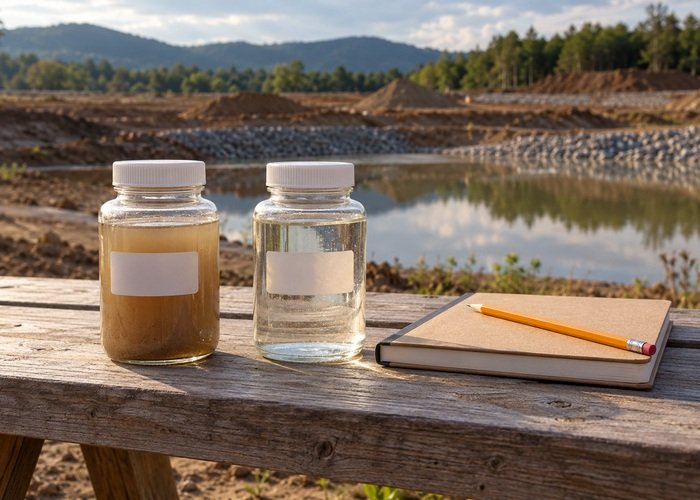
Do not assume that water may be sent to a street drain, ditch, nearby land or watercourse. Establish which authority or permit governs the proposed discharge, what approvals apply and who is responsible for compliance. Requirements vary by location, receiving environment and the nature of the water.
The US Environmental Protection Agency’s construction permit resources include dewatering inspection materials associated with its permit framework. They are useful examples of the information a project may need to control. They do not mean that every site falls under the same EPA permit or that a template replaces applicable state or local requirements.
Give the environmental adviser or responsible permit contact a clear description of the work and proposed destination. Record unresolved questions about sediment or potential contamination. If the water’s character is uncertain, obtain the required assessment instead of selecting a treatment method solely because the discharge appears clear.
Ask what sampling, observations or monitoring the applicable approval requires and who is competent to perform them. Identify the locations, methods and records specified for the project. A reading only becomes useful when its meaning and the response to it are defined in the relevant plan.
EPA’s dewatering turbidity information explains monitoring within a particular regulatory framework. Do not turn its discussion into a universal discharge threshold or assume a single visual inspection is equivalent to a required measurement. The actual authorization determines what must be demonstrated.
Keep the monitoring requirement distinct from equipment marketing. A pump, bag or tank described as suitable for construction does not automatically meet the needs of a particular water source or discharge permission. Ask the responsible specialist to define the system and its acceptance evidence before comparing supplier proposals.
| Decision | Information to collect | Responsible confirmation |
|---|---|---|
| Water source | Observed inflow, weather and service information | Appropriate site or utility specialist |
| Excavation stability | Current design, support and changed conditions | Responsible competent person or designer |
| Discharge destination | Proposed outlet and applicable approval | Permit holder or environmental adviser |
| Equipment arrangement | Approved duty, power, access and hose route | Responsible planner and supplier |
| Monitoring and restart | Required checks, results and authorization | Named people in the site plan |
Attach the current drawings and relevant approvals to the record. Identify dates and document revisions so that a later shift does not resume an earlier arrangement by mistake. Where a decision remains open, record the limitation and the person responsible for resolving it.
Once a method has been established, review how the equipment will be delivered, installed, inspected and removed. Include power supplies, hose routes and access for the people responsible for the system. Do not let a hose crossing create a new problem for vehicles or pedestrians elsewhere on the site.
Use the mini excavator working-platform guide to organize questions about the machine’s support and travel. Wet conditions can require a fresh assessment rather than reliance on the arrangement accepted at the start of the project. The article does not certify a platform or provide an automatic edge distance.
The ground-protection mat guide explains another separate purchasing decision. Mats intended to protect a surface are not evidence that wet ground beside an excavation supports the machine. Obtain the appropriate ground and working-platform review instead of treating a mat delivery as permission to resume.
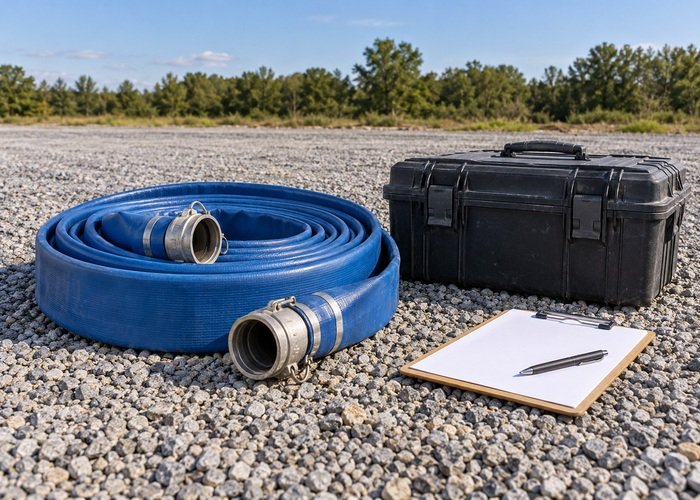
Establish the inspection and release requirements in the revised site arrangement. They may concern support, ground conditions, the access route, water controls and relevant monitoring. Make clear who checks each item and who can authorize the affected work to restart. A dry-looking trench bottom is not a complete release record.
Review the effect on subsequent tasks. The trench backfill planning guide addresses a later stage of work, but a water incident may change the information needed before that stage begins. Ask the project designer to resolve any changed material or preparation requirements; do not assume the original backfill plan still fits.
Keep a record of the decision and communicate it to the crew. Include remaining restrictions and circumstances that require another pause. If weather, inflow or monitoring results change again, follow the review process rather than repeating an earlier approval without checking its conditions.
Provide the same project requirements to each supplier. Ask what is included in installation, monitoring support, maintenance access and removal. Identify who will respond if the equipment does not perform as intended and what action is required if the approved discharge conditions cannot be maintained.
Keep the equipment specification connected to the responsible design. A larger pump is not automatically the answer to a changing excavation condition. If a proposal changes the method or expected water removal, refer it for review before accepting the substitution. Preserve the approved configuration with the job records.
Prepare the handover before the responsible people leave the site. Identify which parts of the work remain stopped and whether any separate activity may continue under its own approved arrangement. Give the next supervisor the current plan, contact details for the decision owners and the location of relevant inspection records. Avoid a brief message that only says the water has gone, because that omits the reason for the pause and the conditions attached to restarting.
Keep equipment observations separate from environmental and excavation decisions. A completed pump service does not demonstrate discharge compliance, and an acceptable monitoring result does not establish structural stability. Record each decision with the person responsible for it. If any required confirmation is missing, retain the corresponding restriction rather than assuming another participant has checked it. This approach also makes later review easier: the record shows what was known, what was approved and what still needed attention at the time of the handover.
Not without the required reassessment and authorized arrangement. Water removal, excavation stability and discharge permission are separate decisions that must be resolved together.
Yes. Appearance alone does not establish its character or the applicable permission. Check the destination and approval requirements with the responsible people.
No automatic conclusion follows. Surface protection and ground support are different requirements; obtain the appropriate assessment.
That depends on the approved duty and system. Have the responsible planner and supplier establish the specification after the excavation and discharge decisions are resolved.