Telephone/WhatsApp:+86 156 2656 0610

Telephone/WhatsApp:+86 156 2656 0610
Email:info@seekmach.com

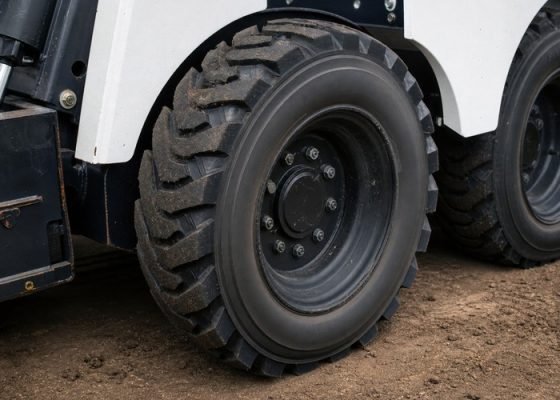
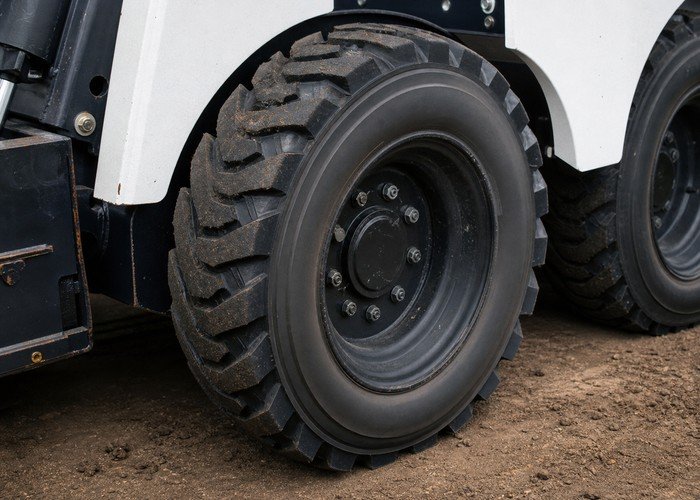
Skid Steer Tire Types for Mud and Snow: Pneumatic, Foam-Filled, or Solid gives buyers and operators a structured way to verify condition, fit, and safety before money or machinery moves.
Continue through the SeekMach equipment range, compare the tractor range, review compact excavators, see skid steer loaders, and browse lawn mowers.
Start with records, ratings, and the exact machine: Pneumatic, foam-filled, and solid skid steer tires trade ride quality, flotation, puncture resistance, traction, machine shock, downtime, and cost. Begin with the approved tire size, load rating, rim, offset, and clearance in the machine manual, then match tread and construction to the dominant surface rather than the occasional best-case job.
Start with records, ratings, and the exact machine: Pneumatic tires usually give the softest ride and can conform to uneven ground, while wider flotation patterns may help in soft soil. They also require pressure checks and puncture planning. Too much pressure reduces the contact patch; too little can overheat the casing, damage the rim, or unseat the bead.
Start with records, ratings, and the exact machine: Foam-filled tires retain much of a pneumatic casing profile while preventing a normal air-loss flat. They add weight and can increase rolling resistance and transmitted shock. Confirm the finished assembly weight, rated speed, disposal route, and whether the extra unsprung mass is acceptable for the axles and transport plan.
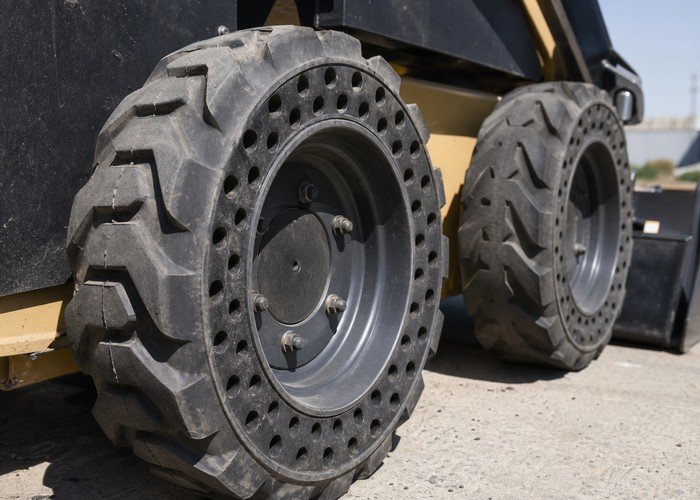
Start with records, ratings, and the exact machine: Solid tires prioritize puncture resistance and predictable uptime on demolition, scrap, and abrasive hard surfaces. Aperture designs can soften the ride, but solid assemblies remain heavy and may deliver more vibration to the operator and machine. Inspect tread chunking, aperture cracks, wheel fasteners, and hub heat.
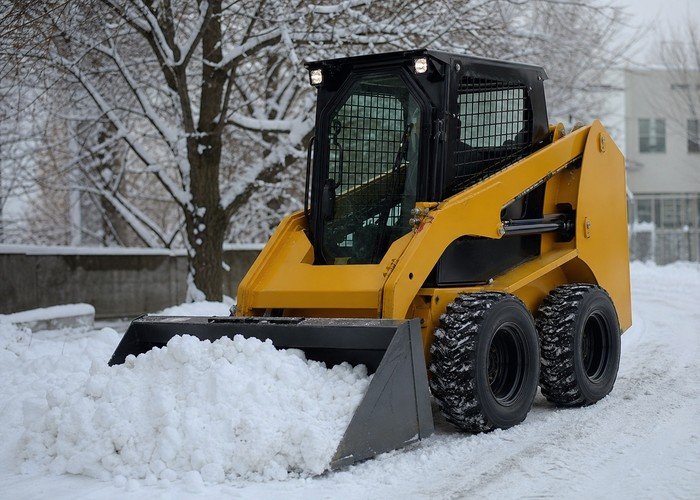
Start with records, ratings, and the exact machine: For mud, look for self-cleaning directional tread and enough clearance to shed material; spinning only polishes the rut and buries the machine. For packed snow, narrower aggressive patterns often concentrate ground pressure and find bite. Ice still calls for site-specific traction measures, low speed, smooth steering, and a stop-work threshold.
Safety-first walk-around before operation: Pneumatic, foam-filled, and solid skid steer tires trade ride quality, flotation, puncture resistance, traction, machine shock, downtime, and cost. Begin with the approved tire size, load rating, rim, offset, and clearance in the machine manual, then match tread and construction to the dominant surface rather than the occasional best-case job.
Safety-first walk-around before operation: Pneumatic tires usually give the softest ride and can conform to uneven ground, while wider flotation patterns may help in soft soil. They also require pressure checks and puncture planning. Too much pressure reduces the contact patch; too little can overheat the casing, damage the rim, or unseat the bead.
Safety-first walk-around before operation: Foam-filled tires retain much of a pneumatic casing profile while preventing a normal air-loss flat. They add weight and can increase rolling resistance and transmitted shock. Confirm the finished assembly weight, rated speed, disposal route, and whether the extra unsprung mass is acceptable for the axles and transport plan.
Safety-first walk-around before operation: Solid tires prioritize puncture resistance and predictable uptime on demolition, scrap, and abrasive hard surfaces. Aperture designs can soften the ride, but solid assemblies remain heavy and may deliver more vibration to the operator and machine. Inspect tread chunking, aperture cracks, wheel fasteners, and hub heat.
Safety-first walk-around before operation: For mud, look for self-cleaning directional tread and enough clearance to shed material; spinning only polishes the rut and buries the machine. For packed snow, narrower aggressive patterns often concentrate ground pressure and find bite. Ice still calls for site-specific traction measures, low speed, smooth steering, and a stop-work threshold.
Engine, fluids, cooling, and leak checks: Pneumatic, foam-filled, and solid skid steer tires trade ride quality, flotation, puncture resistance, traction, machine shock, downtime, and cost. Begin with the approved tire size, load rating, rim, offset, and clearance in the machine manual, then match tread and construction to the dominant surface rather than the occasional best-case job.
Engine, fluids, cooling, and leak checks: Pneumatic tires usually give the softest ride and can conform to uneven ground, while wider flotation patterns may help in soft soil. They also require pressure checks and puncture planning. Too much pressure reduces the contact patch; too little can overheat the casing, damage the rim, or unseat the bead.
Engine, fluids, cooling, and leak checks: Foam-filled tires retain much of a pneumatic casing profile while preventing a normal air-loss flat. They add weight and can increase rolling resistance and transmitted shock. Confirm the finished assembly weight, rated speed, disposal route, and whether the extra unsprung mass is acceptable for the axles and transport plan.
Engine, fluids, cooling, and leak checks: Solid tires prioritize puncture resistance and predictable uptime on demolition, scrap, and abrasive hard surfaces. Aperture designs can soften the ride, but solid assemblies remain heavy and may deliver more vibration to the operator and machine. Inspect tread chunking, aperture cracks, wheel fasteners, and hub heat.
Engine, fluids, cooling, and leak checks: For mud, look for self-cleaning directional tread and enough clearance to shed material; spinning only polishes the rut and buries the machine. For packed snow, narrower aggressive patterns often concentrate ground pressure and find bite. Ice still calls for site-specific traction measures, low speed, smooth steering, and a stop-work threshold.
Hydraulics, structure, and working components: Pneumatic, foam-filled, and solid skid steer tires trade ride quality, flotation, puncture resistance, traction, machine shock, downtime, and cost. Begin with the approved tire size, load rating, rim, offset, and clearance in the machine manual, then match tread and construction to the dominant surface rather than the occasional best-case job.
Hydraulics, structure, and working components: Pneumatic tires usually give the softest ride and can conform to uneven ground, while wider flotation patterns may help in soft soil. They also require pressure checks and puncture planning. Too much pressure reduces the contact patch; too little can overheat the casing, damage the rim, or unseat the bead.
Hydraulics, structure, and working components: Foam-filled tires retain much of a pneumatic casing profile while preventing a normal air-loss flat. They add weight and can increase rolling resistance and transmitted shock. Confirm the finished assembly weight, rated speed, disposal route, and whether the extra unsprung mass is acceptable for the axles and transport plan.
Hydraulics, structure, and working components: Solid tires prioritize puncture resistance and predictable uptime on demolition, scrap, and abrasive hard surfaces. Aperture designs can soften the ride, but solid assemblies remain heavy and may deliver more vibration to the operator and machine. Inspect tread chunking, aperture cracks, wheel fasteners, and hub heat.
Hydraulics, structure, and working components: For mud, look for self-cleaning directional tread and enough clearance to shed material; spinning only polishes the rut and buries the machine. For packed snow, narrower aggressive patterns often concentrate ground pressure and find bite. Ice still calls for site-specific traction measures, low speed, smooth steering, and a stop-work threshold.
Functional test under realistic load: Pneumatic, foam-filled, and solid skid steer tires trade ride quality, flotation, puncture resistance, traction, machine shock, downtime, and cost. Begin with the approved tire size, load rating, rim, offset, and clearance in the machine manual, then match tread and construction to the dominant surface rather than the occasional best-case job.
Functional test under realistic load: Pneumatic tires usually give the softest ride and can conform to uneven ground, while wider flotation patterns may help in soft soil. They also require pressure checks and puncture planning. Too much pressure reduces the contact patch; too little can overheat the casing, damage the rim, or unseat the bead.
Functional test under realistic load: Foam-filled tires retain much of a pneumatic casing profile while preventing a normal air-loss flat. They add weight and can increase rolling resistance and transmitted shock. Confirm the finished assembly weight, rated speed, disposal route, and whether the extra unsprung mass is acceptable for the axles and transport plan.
Functional test under realistic load: Solid tires prioritize puncture resistance and predictable uptime on demolition, scrap, and abrasive hard surfaces. Aperture designs can soften the ride, but solid assemblies remain heavy and may deliver more vibration to the operator and machine. Inspect tread chunking, aperture cracks, wheel fasteners, and hub heat.
Functional test under realistic load: For mud, look for self-cleaning directional tread and enough clearance to shed material; spinning only polishes the rut and buries the machine. For packed snow, narrower aggressive patterns often concentrate ground pressure and find bite. Ice still calls for site-specific traction measures, low speed, smooth steering, and a stop-work threshold.
Decision table: pass, negotiate, or stop: Pneumatic, foam-filled, and solid skid steer tires trade ride quality, flotation, puncture resistance, traction, machine shock, downtime, and cost. Begin with the approved tire size, load rating, rim, offset, and clearance in the machine manual, then match tread and construction to the dominant surface rather than the occasional best-case job.
Decision table: pass, negotiate, or stop: Pneumatic tires usually give the softest ride and can conform to uneven ground, while wider flotation patterns may help in soft soil. They also require pressure checks and puncture planning. Too much pressure reduces the contact patch; too little can overheat the casing, damage the rim, or unseat the bead.
Decision table: pass, negotiate, or stop: Foam-filled tires retain much of a pneumatic casing profile while preventing a normal air-loss flat. They add weight and can increase rolling resistance and transmitted shock. Confirm the finished assembly weight, rated speed, disposal route, and whether the extra unsprung mass is acceptable for the axles and transport plan.
Decision table: pass, negotiate, or stop: Solid tires prioritize puncture resistance and predictable uptime on demolition, scrap, and abrasive hard surfaces. Aperture designs can soften the ride, but solid assemblies remain heavy and may deliver more vibration to the operator and machine. Inspect tread chunking, aperture cracks, wheel fasteners, and hub heat.
Decision table: pass, negotiate, or stop: For mud, look for self-cleaning directional tread and enough clearance to shed material; spinning only polishes the rut and buries the machine. For packed snow, narrower aggressive patterns often concentrate ground pressure and find bite. Ice still calls for site-specific traction measures, low speed, smooth steering, and a stop-work threshold.
Questions to ask the seller or operator: Pneumatic, foam-filled, and solid skid steer tires trade ride quality, flotation, puncture resistance, traction, machine shock, downtime, and cost. Begin with the approved tire size, load rating, rim, offset, and clearance in the machine manual, then match tread and construction to the dominant surface rather than the occasional best-case job.
Questions to ask the seller or operator: Pneumatic tires usually give the softest ride and can conform to uneven ground, while wider flotation patterns may help in soft soil. They also require pressure checks and puncture planning. Too much pressure reduces the contact patch; too little can overheat the casing, damage the rim, or unseat the bead.
Questions to ask the seller or operator: Foam-filled tires retain much of a pneumatic casing profile while preventing a normal air-loss flat. They add weight and can increase rolling resistance and transmitted shock. Confirm the finished assembly weight, rated speed, disposal route, and whether the extra unsprung mass is acceptable for the axles and transport plan.
Questions to ask the seller or operator: Solid tires prioritize puncture resistance and predictable uptime on demolition, scrap, and abrasive hard surfaces. Aperture designs can soften the ride, but solid assemblies remain heavy and may deliver more vibration to the operator and machine. Inspect tread chunking, aperture cracks, wheel fasteners, and hub heat.
Questions to ask the seller or operator: For mud, look for self-cleaning directional tread and enough clearance to shed material; spinning only polishes the rut and buries the machine. For packed snow, narrower aggressive patterns often concentrate ground pressure and find bite. Ice still calls for site-specific traction measures, low speed, smooth steering, and a stop-work threshold.
A repeatable field checklist: Pneumatic, foam-filled, and solid skid steer tires trade ride quality, flotation, puncture resistance, traction, machine shock, downtime, and cost. Begin with the approved tire size, load rating, rim, offset, and clearance in the machine manual, then match tread and construction to the dominant surface rather than the occasional best-case job.
A repeatable field checklist: Pneumatic tires usually give the softest ride and can conform to uneven ground, while wider flotation patterns may help in soft soil. They also require pressure checks and puncture planning. Too much pressure reduces the contact patch; too little can overheat the casing, damage the rim, or unseat the bead.
A repeatable field checklist: Foam-filled tires retain much of a pneumatic casing profile while preventing a normal air-loss flat. They add weight and can increase rolling resistance and transmitted shock. Confirm the finished assembly weight, rated speed, disposal route, and whether the extra unsprung mass is acceptable for the axles and transport plan.
A repeatable field checklist: Solid tires prioritize puncture resistance and predictable uptime on demolition, scrap, and abrasive hard surfaces. Aperture designs can soften the ride, but solid assemblies remain heavy and may deliver more vibration to the operator and machine. Inspect tread chunking, aperture cracks, wheel fasteners, and hub heat.
A repeatable field checklist: For mud, look for self-cleaning directional tread and enough clearance to shed material; spinning only polishes the rut and buries the machine. For packed snow, narrower aggressive patterns often concentrate ground pressure and find bite. Ice still calls for site-specific traction measures, low speed, smooth steering, and a stop-work threshold.
Common mistakes that create expensive surprises: Pneumatic, foam-filled, and solid skid steer tires trade ride quality, flotation, puncture resistance, traction, machine shock, downtime, and cost. Begin with the approved tire size, load rating, rim, offset, and clearance in the machine manual, then match tread and construction to the dominant surface rather than the occasional best-case job.
Common mistakes that create expensive surprises: Pneumatic tires usually give the softest ride and can conform to uneven ground, while wider flotation patterns may help in soft soil. They also require pressure checks and puncture planning. Too much pressure reduces the contact patch; too little can overheat the casing, damage the rim, or unseat the bead.
Common mistakes that create expensive surprises: Foam-filled tires retain much of a pneumatic casing profile while preventing a normal air-loss flat. They add weight and can increase rolling resistance and transmitted shock. Confirm the finished assembly weight, rated speed, disposal route, and whether the extra unsprung mass is acceptable for the axles and transport plan.
Common mistakes that create expensive surprises: Solid tires prioritize puncture resistance and predictable uptime on demolition, scrap, and abrasive hard surfaces. Aperture designs can soften the ride, but solid assemblies remain heavy and may deliver more vibration to the operator and machine. Inspect tread chunking, aperture cracks, wheel fasteners, and hub heat.
Common mistakes that create expensive surprises: For mud, look for self-cleaning directional tread and enough clearance to shed material; spinning only polishes the rut and buries the machine. For packed snow, narrower aggressive patterns often concentrate ground pressure and find bite. Ice still calls for site-specific traction measures, low speed, smooth steering, and a stop-work threshold.
Final verification before transport or purchase: Pneumatic, foam-filled, and solid skid steer tires trade ride quality, flotation, puncture resistance, traction, machine shock, downtime, and cost. Begin with the approved tire size, load rating, rim, offset, and clearance in the machine manual, then match tread and construction to the dominant surface rather than the occasional best-case job.
Final verification before transport or purchase: Pneumatic tires usually give the softest ride and can conform to uneven ground, while wider flotation patterns may help in soft soil. They also require pressure checks and puncture planning. Too much pressure reduces the contact patch; too little can overheat the casing, damage the rim, or unseat the bead.
Final verification before transport or purchase: Foam-filled tires retain much of a pneumatic casing profile while preventing a normal air-loss flat. They add weight and can increase rolling resistance and transmitted shock. Confirm the finished assembly weight, rated speed, disposal route, and whether the extra unsprung mass is acceptable for the axles and transport plan.
Final verification before transport or purchase: Solid tires prioritize puncture resistance and predictable uptime on demolition, scrap, and abrasive hard surfaces. Aperture designs can soften the ride, but solid assemblies remain heavy and may deliver more vibration to the operator and machine. Inspect tread chunking, aperture cracks, wheel fasteners, and hub heat.
Final verification before transport or purchase: For mud, look for self-cleaning directional tread and enough clearance to shed material; spinning only polishes the rut and buries the machine. For packed snow, narrower aggressive patterns often concentrate ground pressure and find bite. Ice still calls for site-specific traction measures, low speed, smooth steering, and a stop-work threshold.
No. Use this workflow to organize the inspection, then apply the exact limits and procedures in the model manual.
Use a qualified technician when records are incomplete, safety structures are altered, fluids are contaminated, structural cracks appear, or the functional test is inconsistent.
Record serial number, hours, cold-start condition, leaks, wear, measured settings, attachments, faults, photographs, and the person who performed the check.