Telephone/WhatsApp:+86 156 2656 0610
Telephone/WhatsApp:+86 156 2656 0610
Email:info@seekmach.com


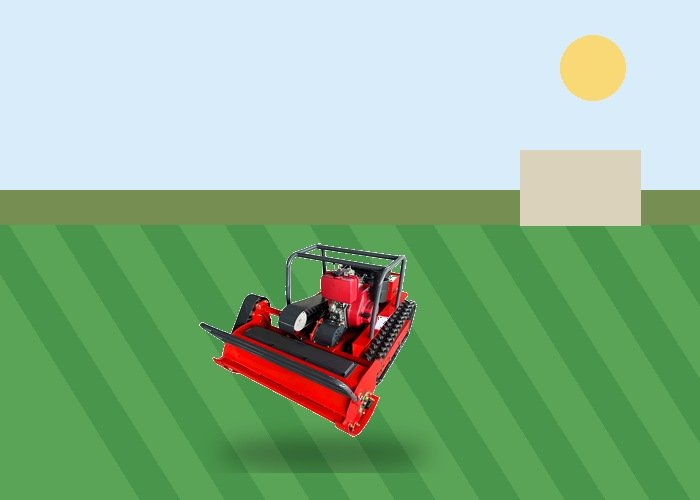
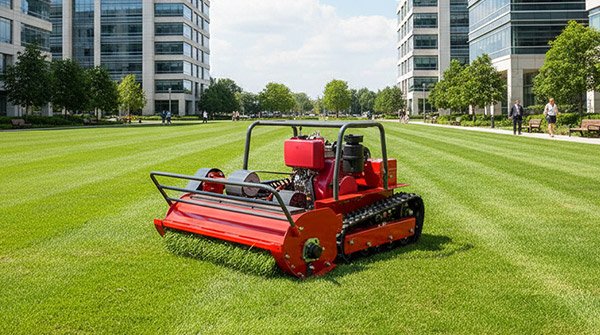
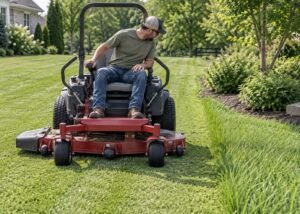
Large-property mowing is not only about deck width. A wide mower can still waste time if the route is poor, the grass is wet, the blades are dull, or the operator has to keep turning around trees and buildings. A good mower choice starts with the property, not just the machine.
This guide is for estates, schools, commercial lawns, rural homes, and large residential properties. It covers route planning, safety references, cut quality, and maintenance. If you are comparing machines, start at SeekMach’s product overview and connect the mower choice to the rest of the property workload.
The U.S. Consumer Product Safety Commission publishes lawn mower safety guidance for operators and families: CPSC lawn mower safety. University extension programs also provide practical turf care advice, such as University of Minnesota Extension lawn care guidance.
These sources point to the same practical truth: mowing quality depends on safe operation, grass condition, blade condition, and timing.
| Property zone | Best route habit | Reason |
|---|---|---|
| Open grass | Long straight passes | Reduces overlap and turning |
| Tree clusters | Trim first, then mow outer passes | Prevents repeated tight turns |
| Slopes | Follow safe operating direction | Improves control and reduces risk |
| Wet low spots | Delay or bypass | Prevents ruts and clumping |
| Buildings and paths | Cut perimeter first | Keeps cleanup predictable |
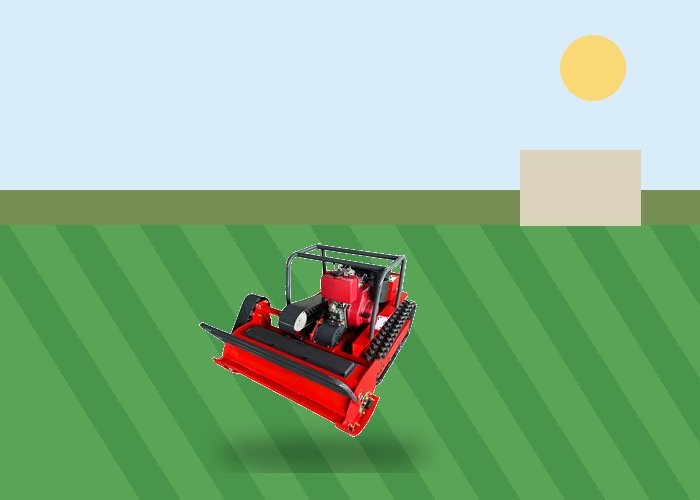
Route planning is a simple productivity tool. It helps the mower spend more time cutting and less time crossing finished grass.
Dull blades tear grass instead of cutting it cleanly. Wet grass clumps and can leave uneven results. Cutting too low can stress turf, especially in heat. A large-property mower should be checked after long sessions: deck, blades, belts, tires, guards, and buildup under the machine.
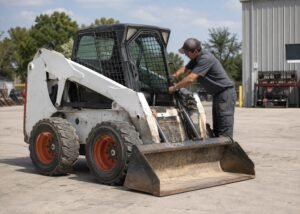
If the property also needs grading, material handling, or land maintenance, compare whether a трактор or погрузчик с бортовым поворотом is needed in addition to a mower.
This related YouTube video can help you see large-area mowing rhythm and route choices: large property mowing workflow. Watch the turns, overlap, and order of cutting zones.
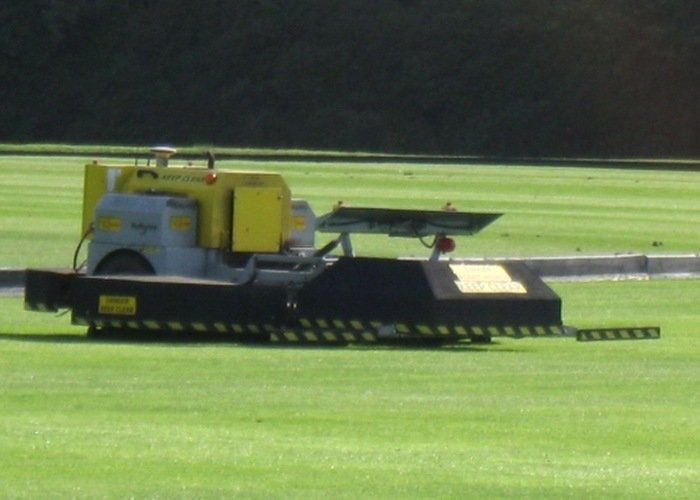
The first mistake is buying only by deck width. The second is mowing wet areas because the schedule says so. The third is ignoring blade sharpness. The fourth is using one route for every season even when grass growth and wet spots change.
A good mowing plan changes with the property. Spring, summer heat, shade, rain, and traffic all affect the best route.
Choose a mower for large properties by matching deck width, maneuverability, slopes, route planning, maintenance access, and grass condition. For broader equipment planning, visit SeekMach application solutions.
Deck width helps, but route planning, obstacles, slopes, blade condition, and grass moisture matter just as much.
Avoid it when possible. Wet grass clumps, ruts, and cuts unevenly.
Check blades regularly during heavy mowing seasons and sharpen or replace when cut quality drops.
A tractor can mow with the right attachment, but a dedicated mower may be faster and cleaner for turf-heavy properties.
Divide the property into zones, use long passes in open areas, trim obstacles separately, and reduce overlap.
Consider a property with two open lawns, a shaded wet corner, a row of trees, a sloped bank, and a narrow strip beside a building. The fastest route is not simply the widest mower deck. The operator needs to divide the property into zones, cut open areas in long passes, slow down near slopes, and leave wet ground until conditions improve.
This is where many large-property mowing plans fail. The mower is blamed for a rough finish when the real issue is route, timing, or blade condition. A good mowing plan protects turf while still saving time.
| Symptom | Likely cause | Practical fix |
|---|---|---|
| Ragged grass tips | Dull blades | Sharpen or replace blades |
| Clumping | Wet grass or too much growth | Delay mowing or raise cut height |
| Ruts | Soft soil or repeated route | Change route and avoid wet areas |
| Missed strips | Poor overlap or rushed turns | Use clearer route lines |
| Scalping | Uneven ground or low deck | Adjust height and slow down |
This table gives readers a way to troubleshoot the result they see on the lawn, not just compare machines.
Before choosing a mower, walk the property and count obstacles. Look at slopes, wet areas, tight strips, open lawns, tree clusters, and storage space. Ask whether the mower needs to prioritize speed on open ground or maneuverability around details.
Ask about blade access, deck cleaning, service points, tire traction, and operator comfort. Large-property mowing puts hours on the machine quickly. A mower that is tiring to use or difficult to clean will show it in the finished lawn.
Use the route table to divide the property into zones. Do not mow every area the same way. Open grass, slopes, trees, wet areas, and building edges each need a slightly different approach.
Use the cut quality table after mowing. If the lawn looks rough, do not assume the mower is wrong immediately. Check blade sharpness, wet grass, route overlap, mowing height, and ground condition first.