Telephone/WhatsApp:+86 156 2656 0610
Telephone/WhatsApp:+86 156 2656 0610
Email:info@seekmach.com

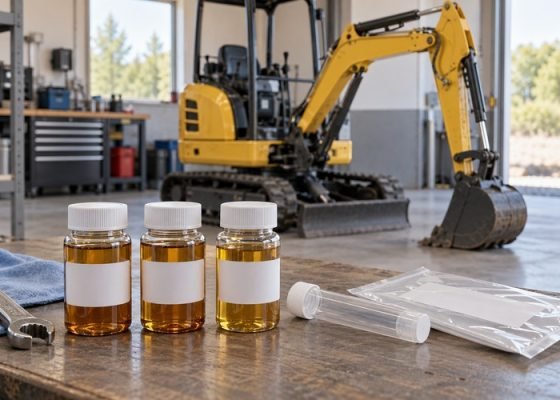
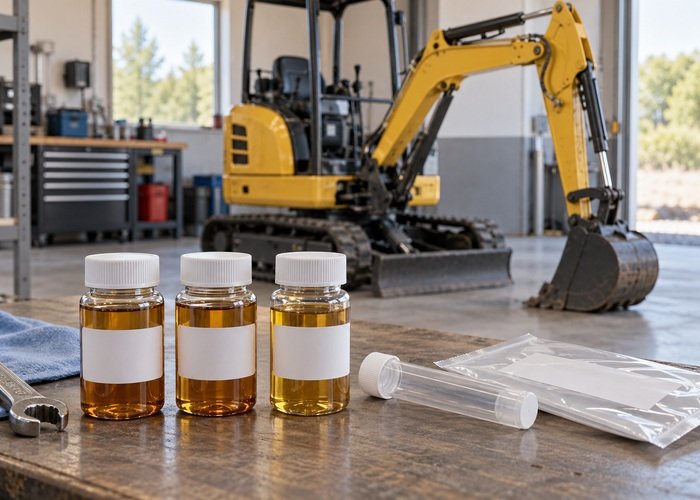
Mini excavator hydraulic oil analysis is useful when the sample has a clear purpose, a repeatable collection method and enough machine history to interpret the result. A laboratory report can help identify contamination, oil deterioration and wear signals. It cannot, by itself, tell you which component to replace or prove that a noisy pump is healthy.
Start with the question you need answered: is dirt entering the system, is water present, is the correct oil still serviceable, or has a repair introduced debris? Give the laboratory that question before choosing a test package. Then compare results with the machine manufacturer’s requirements, the laboratory’s interpretation and earlier samples from the same system.
For owners and rental fleets, this is a record-based maintenance decision rather than a test of oil color. Use the mini excavator parts-record guide to identify the machine and components accurately before connecting the report to a repair request.
A routine trend sample and a sample taken after a pump failure have different purposes. For routine monitoring, ask what the laboratory normally reports for the hydraulic system and what information it needs about the oil. After a suspected failure, discuss whether additional testing is appropriate and whether the machine should remain out of service while the investigation proceeds.
Do not request a long list of tests simply because the names sound comprehensive. Confirm whether the selected package includes particle contamination, water, viscosity, wear-related elements or other measurements relevant to your concern. Also ask about the method, units and limitations. Reports from different laboratories may not be directly comparable even when they use similar headings.
Donaldson’s hydraulic contamination overview describes several ways fluid condition can change. That background is useful, but it does not establish the service limits for a SeekMach excavator. Obtain the limits appropriate to the actual machine, oil and components.
| Question | Context to supply | Decision to discuss |
|---|---|---|
| Has contamination increased? | Sampling point, previous results, filter and repair history | Verify the sample and investigate an entry path |
| Is water suspected? | Storage, washing, top-ups and visible fluid changes | Confirm the result and locate the source |
| Has oil condition changed? | Oil product, oil hours, temperatures and mixing history | Discuss continued use or service with the lab and manufacturer |
| Is a component deteriorating? | Symptoms, wear trends and recent component work | Combine laboratory evidence with qualified diagnosis |
| Was a repair cleanup effective? | Failed component, cleanup work and follow-up sample location | Review contamination control before closing the job |
Record machine model, serial number and fleet identifier. Add total machine hours, hours on the current oil if known, oil brand and product designation, the date of the last oil change, and the amount and type of recent top-ups. Unknown information should remain marked unknown rather than being replaced with an estimate presented as fact.
Record the sampling location and method. A reservoir sample, a drain sample and a sample from an approved port may represent different conditions. Ask the laboratory how to label the location so later samples can be compared. If the location or procedure changes, make that visible in the history instead of treating the next result as a continuous trend.
Include recent repairs, hose replacements, filter changes, attachment use and any unusual symptoms. Write observable facts such as “bucket response slows after sustained breaker use” rather than an unconfirmed diagnosis such as “pump worn out.” A technician can then assess whether the sample supports the symptom investigation.
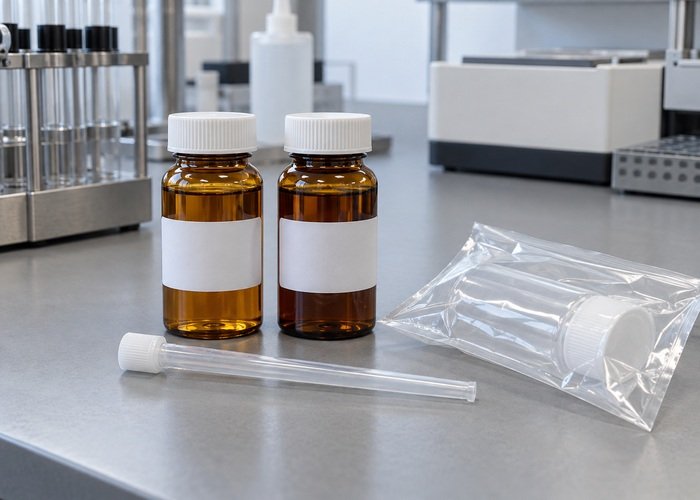
Sampling is service work. Use a trained person, the equipment-specific procedure and sampling equipment rated for the intended connection. Do not loosen a hose or fitting to obtain a sample, improvise a pressure connection, or reach beneath an unsupported attachment. Secure the machine and isolate hazards as required by its manual and the approved sampling method.
Keep the sample container sealed until the procedure requires opening it. Protect the cap, tube and container interior from dirt. Use the laboratory’s specified bottle and follow its instructions for collection volume and handling. A household jar or a previously used container can add contamination and make the result difficult to interpret.
Donaldson’s sampling guidance emphasizes a documented, consistent process. Apply that discipline through the approved procedure for your machine. Do not borrow a flushing quantity, pressure connection or running-machine method from another system without confirmation that it is suitable.
A result becomes more useful when it is compared with earlier samples from the same machine, using the same location and method. A change deserves attention, but the first question is whether the samples are comparable. Check the oil product, recent top-ups, repairs and collection conditions before declaring that the system has deteriorated.
One unusual result can reflect a real problem, a sampling error or a change in the operating history. Discuss the laboratory’s warning with its analyst. Ask whether a confirmation sample is appropriate and whether the reported condition calls for immediate action. Do not use retesting as an excuse to keep operating a machine with dangerous symptoms.
A satisfactory result also has limits. Oil analysis does not directly inspect a cracked bracket, loose retaining pin or damaged control. It does not replace pressure testing, mechanical inspection or the daily walkaround. Keep the laboratory result attached to the maintenance record rather than treating it as a general certificate of machine health.
When a report includes a cleanliness code or particle count, ask which method was used and which target applies to the actual system. There is no single cleanliness target established by this guide for every mini excavator. The allowable condition depends on the equipment and components. Compare like-for-like results rather than translating a code into an unsupported pass or fail.
Water findings need a source investigation, not only a fluid change. Review oil handling, storage, reservoir breathing, exposure to washing and any component condition relevant to the technician’s assessment. Appearance can provide an observation, but a clear-looking oil sample does not establish the absence of water or fine contamination.
Viscosity results should be interpreted with the correct oil identity and the laboratory’s reference conditions. If oil has been mixed or its product designation is uncertain, tell the analyst. Ask whether the result supports the suspected issue and what further information is needed before deciding on a drain, flush or repair.
Donaldson’s hydraulic-fluid guidance discusses contamination and fluid condition. Use it as background for the questions you ask, while retaining the actual machine’s service specification as the basis for acceptance.
Give every warning an owner and a next step. The action might be confirming a sample, inspecting a contamination entry point, checking oil identity, reviewing filter installation or arranging qualified diagnosis. Record the reason for the action and the evidence expected before the issue is closed.
Do not assume that replacing a filter resolves every contamination problem. Ask whether the filter is the specified part and whether its condition, installation and service history are consistent with the finding. If contamination follows a component failure, the technician should assess the wider system and the necessary cleanup rather than replacing only the visibly failed part.
For symptoms involving loss of control or continuing attachment movement, follow a separate safety and diagnosis path. The mini excavator cylinder-drift guide addresses that symptom. Waiting for an oil report should not delay taking a machine out of service when its condition requires it.
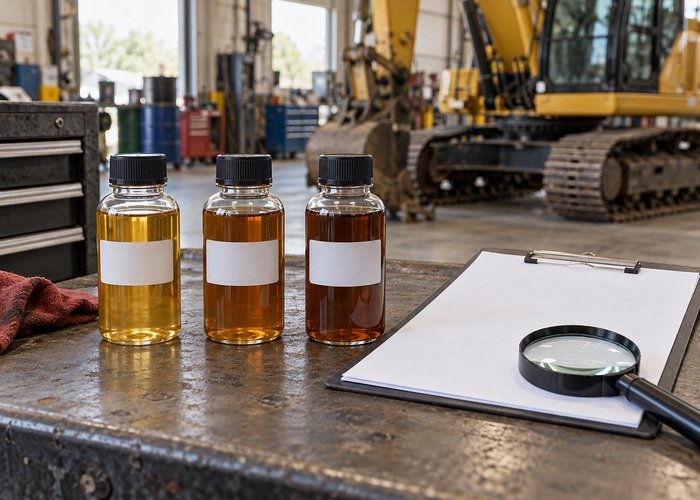
Agree sampling frequency with the machine manufacturer, service provider and laboratory, considering operating conditions and the purpose of monitoring. A lightly used machine and one working continuously with powered attachments may need different attention. This article does not prescribe a universal hours-based interval.
Maintain one history per hydraulic system. Store the report, sample ID, collection record, analyst comments and completed actions together. Add a note whenever oil, components or the sampling method change. This prevents a spreadsheet trend from appearing more precise than the evidence behind it.
Review the programme itself. Are samples reaching the laboratory promptly? Are labels complete? Are warnings being followed up? If an analysis programme produces reports but no documented decisions, improve the process before paying for more tests. The goal is actionable maintenance evidence, not simply a thicker service folder.
When ordering a machine for a fleet, ask what hydraulic service information and parts identification are supplied. Review the SeekMach excavator range and request model-specific documentation. Confirm approved oil, filters, service procedures and available sampling arrangements for the exact configuration.
It can contribute evidence about wear or contamination. A pump diagnosis also needs operating symptoms and suitable technical checks. Ask the laboratory and technician what the result supports and what it cannot establish.
Follow the severity and interpretation of the finding, the machine requirements and qualified advice. A change may be necessary, but changing oil without investigating the cause can leave the underlying problem unresolved.
Only after confirming their methods, units and reference conditions. Keep a change of laboratory visible in the history and ask how to establish a comparable baseline.
No. Record appearance as an observation, then use appropriate testing and oil history. Color alone does not establish contamination level, remaining serviceability or the component responsible for a symptom.
Supply machine identity, oil identity, machine and oil hours, sample location, recent top-ups and repairs, and the question you want answered. Clearly mark missing information so the analyst can explain any interpretation limits.