Telephone/WhatsApp:+86 156 2656 0610

Telephone/WhatsApp:+86 156 2656 0610
Email:info@seekmach.com

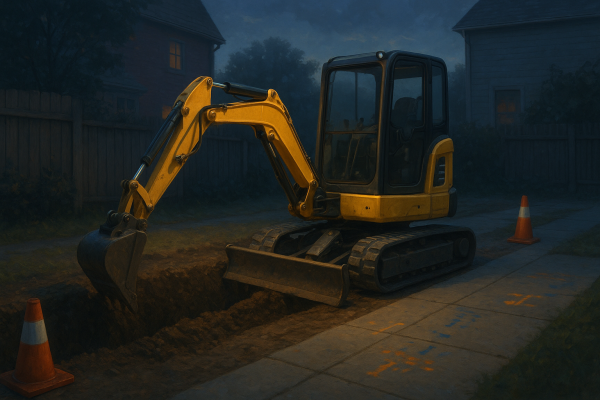
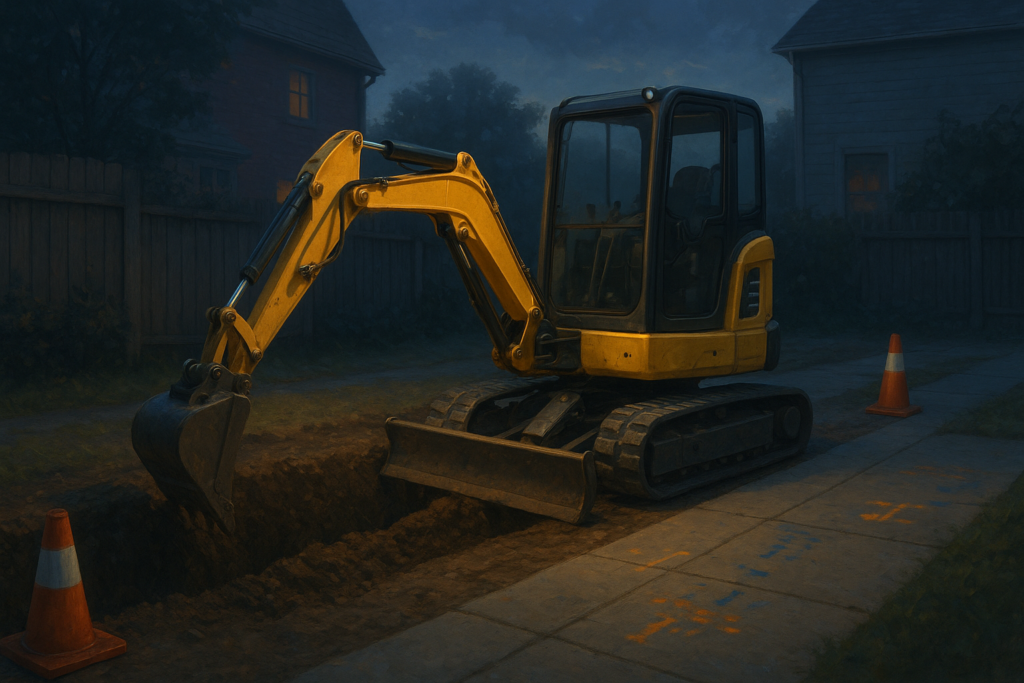
If you’re a small construction contractor, buying an under-1-ton mini excavator isn’t about “features.” It’s about showing up to a tight-access job and finishing without surprises—no access issues, no attachment headaches, no downtime because a basic detail was missed.
This decision-stage guide is built to help you order a compact unit with confidence—especially if you’re evaluating a China mini Excavato option or searching broadly for a mini Excavato that fits real-world US jobsites.
Key Takeaway: Confirm access width and transport first, then match dig depth/bucket size to your job mix, lock attachments + hydraulics, and verify documentation/support before you commit.
Compact equipment keeps winning work because crews are lean and sites are tight.
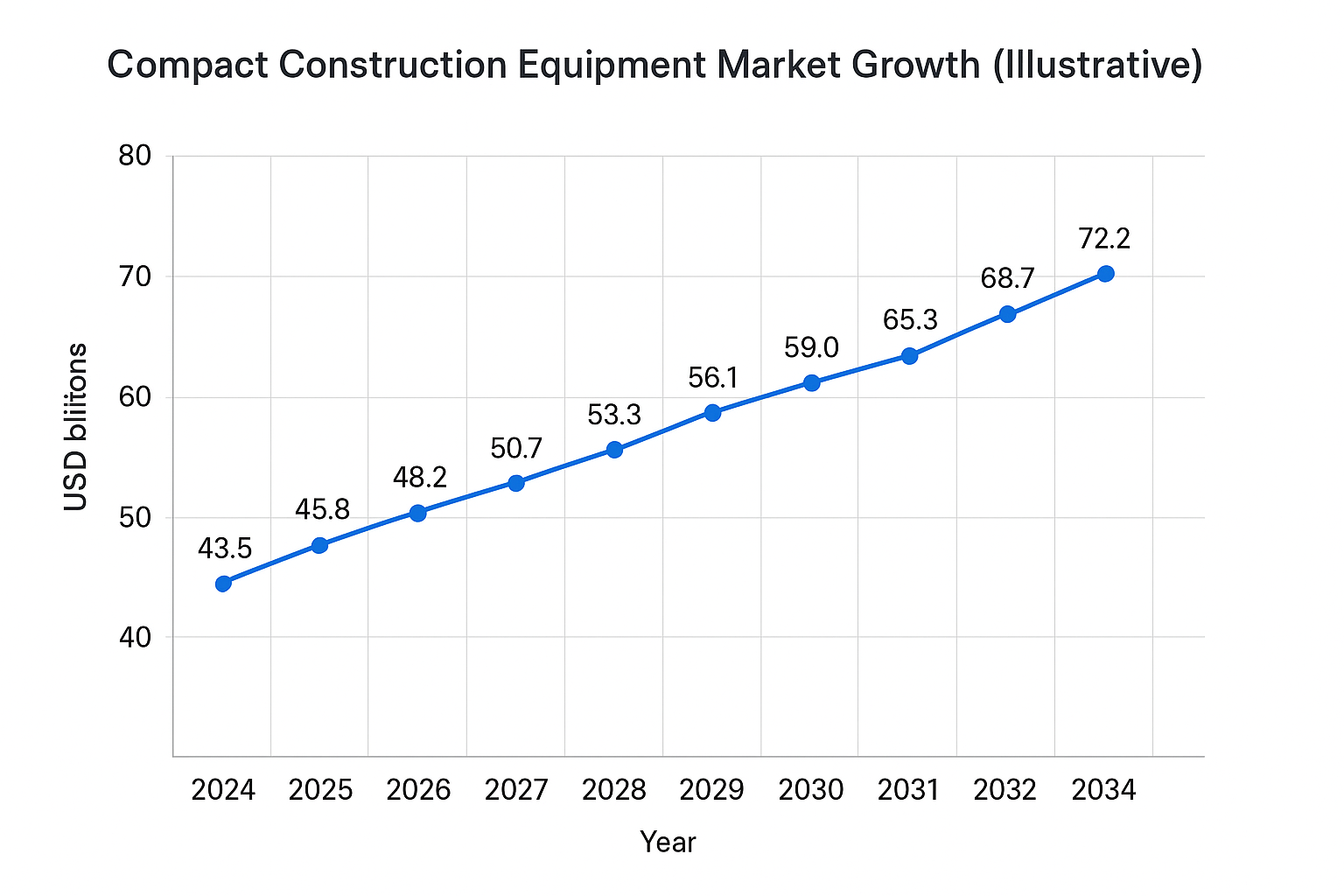
Note: The chart is an illustrative visualization used to make the decision process more visual. It’s not original market research.
Before you compare spec sheets, answer these four questions. They determine whether an under-1-ton machine is a smart buy or a constant compromise.
If you can’t answer these, you’re not ready to order—you’re ready to get upsold.
If you want a definition-level refresher, an excavator is a machine with a rotating upper structure and a hydraulic boom/arm/bucket system for digging and material handling.Excavator definition (Wikipedia)
But for contractors, the decision comes down to a small set of numbers and how they show up on your site.
Use this as your pre-order filter.
| What to verify | Why it matters on a US jobsite | What to ask the supplier to confirm |
|---|---|---|
| Peso operativo | Affects stability, towing/transport planning, and how the machine behaves on soft ground. Operating weight is a core comparison number across mini excavators. | Operating weight “as shipped” (with bucket, blade, fluids) + packing list |
| Machine width / chassis width | Determines whether you fit through gates and between structures. Tight-access work is where under-1-ton machines earn their keep. | Minimum width + any adjustable undercarriage details (and photo proof) |
| Profondità massima di scavo | Tells you whether your unit can handle your trench depth targets without constant repositioning. | Max digging depth with the bucket included in your quote |
| Capacità della benna | Controls cycle time on spoil removal and cleanup, especially on repetitive trenching. | Standard bucket size + optional bucket sizes |
| Hydraulics readiness | Attachments only work well if your hydraulics support the flow/controls you need. | Auxiliary hydraulics options + control type + coupler compatibility |
| Service access | If basic service takes too long, you’ll skip it. Skipped service becomes downtime. | Photos/video of service points (filters, grease points, access panels) |
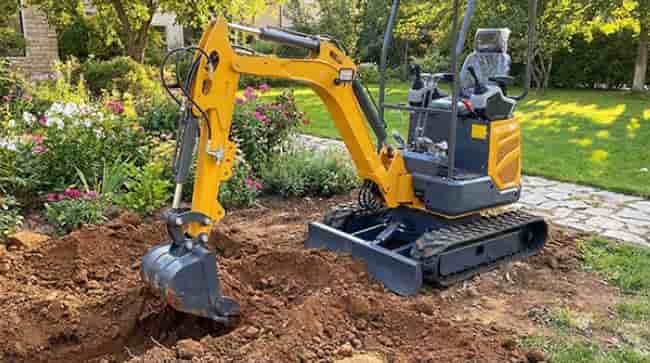
For tight-access, light-duty digging work, the mini Excavator-ECO specs are straightforward and easy to sanity-check.
| Spec | mini Excavator-ECO value |
|---|---|
| Peso operativo | 800 kg |
| Engine brand | Koop |
| Potenza nominale | 7,6 kW |
| Capacità della benna | 0.02 m³ |
| Profondità massima di scavo | 1300 millimetri |
| Larghezza del telaio | 780 mm |
The page also describes compatible accessories such as a ripper, screening bucket, and quick coupler, plus an “advanced hydraulic system” claim and an “intelligent monitoring system.” (If you plan to run hydraulic attachments, always ask what’s included vs. optional and request a short walkaround video of the exact configuration you’ll receive.)
Pro Tip: Don’t “assume” an attachment will fit. Ask for a photo of the coupler/connection points and a short video of the auxiliary hydraulics function on the shipped configuration.
Under-1-ton machines are often purchased because they can do multiple small jobs in a day. That only works if the unit is configured for the attachments you actually use.
Ask these questions before you place an order:
If you want a neutral industry view of what buyers commonly evaluate (hydraulics, attachments, serviceability, tail swing design), this overview is a useful reference.Mini excavator buyer’s guide criteria
Mini excavators are compact—not harmless. Two reminders should be non-negotiable on any crew.
The Common Ground Alliance maintains the US state locator directory and explains how to start a ticket.Call 811 before you dig
OSHA’s overview on trenching and excavation safety is a good starting reference for requirements and common hazards.OSHA’s trenching and excavation guidance
NIOSH also provides a clear summary on trench cave-in risks and why protective systems matter.NIOSH trench safety basics
⚠️ Warning: Tight jobsites often tempt crews to “just hop in” a shallow trench. Don’t. Treat trench inspection and protective systems as a process, not a vibe.
When you’re ready to request a quote without price talk or back-and-forth, send this as your RFQ message.
If you want to compare options beyond this model, start from the excavator lineup and shortlist by size and job type.
If you want a fast, clean quote process, send your job mix + delivery ZIP + attachment list and ask for the shipped-configuration photos/video.
Tight-access, light-duty digging and trenching, landscaping work, and small cleanup tasks where access and transport are bigger constraints than raw power.
Width (access) and operating weight (transport/stability). If you can’t get the machine onto the jobsite or tow it safely, nothing else matters.
Not always. Operating weight is typically the machine in working condition; shipping weight can differ based on packing and included attachments.
From the product page: 800 kg operating weight, 7.6 kW rated power, 0.02 m³ bucket capacity, 1300 mm maximum digging depth, and 780 mm chassis width. (See the full spec details on the product page—linked once above.)
Often yes, but results depend on hydraulic readiness and coupler compatibility. Confirm what’s included and ask for video proof of auxiliary function if you’re planning attachment work.
Transport mismatch (too heavy for your setup), attachment incompatibility, and poor service access/parts support.
A packing list, full photo set, and a short function test video of the actual shipped configuration—plus the maintenance schedule and warranty/support terms.
Yes. In the US, use 811 to request utility marking before digging/trenching so you don’t hit buried lines.
Yes—if you follow safe-dig practices, locate utilities, and comply with trench safety requirements and protective systems as applicable.
Start with your job mix and access constraints, then shortlist by dig depth and attachment needs. The excavator category page is a good comparison starting point.