Telephone/WhatsApp:+86 156 2656 0610

Telephone/WhatsApp:+86 156 2656 0610
Email:info@seekmach.com



Quick answer: Use the cold-tire values in the mower manual or tire information, match left and right drive-tire pressure, verify tire size and condition, then level the deck and test tracking on a flat surface. Do not copy a universal number across different machines.
| Symptom | First checks |
|---|---|
| Pulls to one side | Cold pressure, tire circumference, wear and control linkage |
| Uneven cut | Pressure match, deck level, blade condition and spindle play |
| Harsh ride or poor grip | Manual specification, load, terrain and tire damage |
Yes. Tire diameter and chassis attitude can change deck position, so correct the tires before leveling the deck.
Quick answer: Use the pressure range on the mower and tire documentation, check both drive tires cold, and correct left-to-right mismatch before adjusting tracking linkages.
| Symptom | First check |
|---|---|
| Mower pulls on level ground | Cold drive-tire pressure and tire circumference |
| Uneven cut | Pressure, deck level, blade condition and turf firmness |
| Harsh ride or weak grip | Manual range, load and surface condition |
Park on level ground, let tires cool, use the same accurate gauge on both sides, inspect for damage, and record the result. Never use the sidewall maximum as an automatic operating target.
No. Controls, hydrostatic response, tire wear, deck setup and slope can also change the path.
Zero-Turn Mower Tire Pressure Guide: Tracking, Deck Level, Traction, and Cut Quality should be answered from the worksite backward. The useful question is not the largest machine you can justify; it is which setup completes the repeated job with control, service margin, and a clear safety routine.
This guide focuses on diagnosing zero-turn mower tracking and cut-quality complaints by checking cold tire pressure against the operator manual, comparing paired drive tires, inspecting damage and ballast changes, verifying deck level on a flat surface, making control adjustments only after tires match, and testing on open turf. It is written for buyers, owners, and operators who need a practical decision before money, labor, or a workday is committed.
Before comparing models, list the tasks that happen every week and the tasks that happen only once or twice a year. Then confirm which pages on the current site match the decision, starting with lawn mower category and the broader gas versus electric mower comparison.
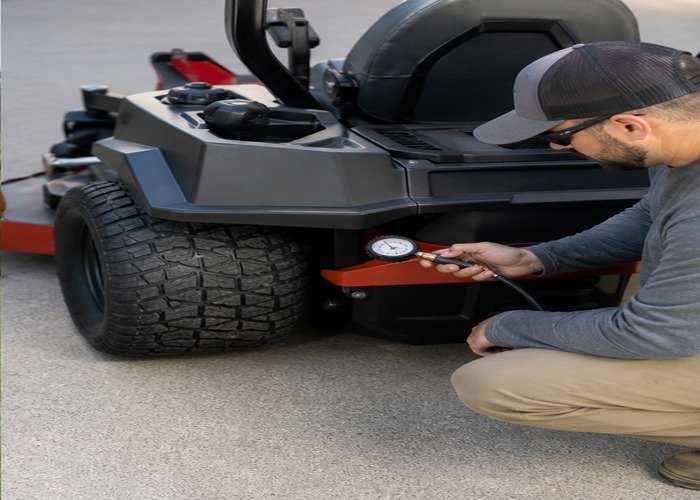
Treat tire pressure as the first tracking and deck-level check is a field decision, not a catalog shortcut. For zero turn mower tire pressure, start by writing the job, the surface, the expected finish, the operator experience, and the stop conditions before comparing specifications.
Check the machine manual and attachment manual together. A lawn mower that looks adequate on one number can still be a poor fit when ballast, hydraulic flow, PTO load, cooling, transport width, or maintenance access is considered. SeekMach’s yard-size mower guide can help compare related product paths without treating any one specification as the whole answer.
Use a short work-cycle test when possible: inspect the site, set up the machine, complete one representative pass, turn, travel, clean up, and record what slowed the work. That record is more useful than a best-case demonstration. The CPSC lawn mower safety publication is a useful outside reference for the safety or operating context behind this check.
A common mistake is solving the easy part of the job and ignoring the repeat work that follows: cleanup, storage, inspections, refueling or charging, repairs, transport, and the next hookup.
For a buying or setup decision, write three limits beside the specification: the condition where the machine works comfortably, the condition where it works slowly but acceptably, and the condition where the job should stop. This prevents a demonstration on easy ground from becoming an unsafe rule for wet soil, slopes, poor visibility, heavy material, or an attachment that changes balance.
Operators should also decide who is responsible for inspection before the next shift. A clean machine, known fluid level, visible pins, readable labels, sound guards, and a written note about any abnormal heat or noise make the next decision easier. Small defects are cheaper to handle before they become part of the normal routine.
Find the model-specific cold pressure instead of copying another mower is a field decision, not a catalog shortcut. For zero turn mower tire pressure, start by writing the job, the surface, the expected finish, the operator experience, and the stop conditions before comparing specifications.
Check the machine manual and attachment manual together. A lawn mower that looks adequate on one number can still be a poor fit when ballast, hydraulic flow, PTO load, cooling, transport width, or maintenance access is considered. SeekMach’s zero-turn versus riding mower guide can help compare related product paths without treating any one specification as the whole answer.
Use a short work-cycle test when possible: inspect the site, set up the machine, complete one representative pass, turn, travel, clean up, and record what slowed the work. That record is more useful than a best-case demonstration. The Penn State lawn mower safety is a useful outside reference for the safety or operating context behind this check.
When the result is marginal, change one variable at a time. Reduce the load, alter the route, choose a different attachment, wait for better ground conditions, or step up to a better matched machine.
For a buying or setup decision, write three limits beside the specification: the condition where the machine works comfortably, the condition where it works slowly but acceptably, and the condition where the job should stop. This prevents a demonstration on easy ground from becoming an unsafe rule for wet soil, slopes, poor visibility, heavy material, or an attachment that changes balance.
Operators should also decide who is responsible for inspection before the next shift. A clean machine, known fluid level, visible pins, readable labels, sound guards, and a written note about any abnormal heat or noise make the next decision easier. Small defects are cheaper to handle before they become part of the normal routine.
Use one accurate gauge and compare paired drive tires is a field decision, not a catalog shortcut. For zero turn mower tire pressure, start by writing the job, the surface, the expected finish, the operator experience, and the stop conditions before comparing specifications.
Check the machine manual and attachment manual together. A lawn mower that looks adequate on one number can still be a poor fit when ballast, hydraulic flow, PTO load, cooling, transport width, or maintenance access is considered.
Use a short work-cycle test when possible: inspect the site, set up the machine, complete one representative pass, turn, travel, clean up, and record what slowed the work. That record is more useful than a best-case demonstration. The University of Minnesota mowing practices is a useful outside reference for the safety or operating context behind this check.
A common mistake is solving the easy part of the job and ignoring the repeat work that follows: cleanup, storage, inspections, refueling or charging, repairs, transport, and the next hookup.
For a buying or setup decision, write three limits beside the specification: the condition where the machine works comfortably, the condition where it works slowly but acceptably, and the condition where the job should stop. This prevents a demonstration on easy ground from becoming an unsafe rule for wet soil, slopes, poor visibility, heavy material, or an attachment that changes balance.
Operators should also decide who is responsible for inspection before the next shift. A clean machine, known fluid level, visible pins, readable labels, sound guards, and a written note about any abnormal heat or noise make the next decision easier. Small defects are cheaper to handle before they become part of the normal routine.
Inspect slow leaks tread damage caster condition and wheel hardware is a field decision, not a catalog shortcut. For zero turn mower tire pressure, start by writing the job, the surface, the expected finish, the operator experience, and the stop conditions before comparing specifications.
Check the machine manual and attachment manual together. A lawn mower that looks adequate on one number can still be a poor fit when ballast, hydraulic flow, PTO load, cooling, transport width, or maintenance access is considered. SeekMach’s SeekMach product overview can help compare related product paths without treating any one specification as the whole answer.
Use a short work-cycle test when possible: inspect the site, set up the machine, complete one representative pass, turn, travel, clean up, and record what slowed the work. That record is more useful than a best-case demonstration.
When the result is marginal, change one variable at a time. Reduce the load, alter the route, choose a different attachment, wait for better ground conditions, or step up to a better matched machine.
For a buying or setup decision, write three limits beside the specification: the condition where the machine works comfortably, the condition where it works slowly but acceptably, and the condition where the job should stop. This prevents a demonstration on easy ground from becoming an unsafe rule for wet soil, slopes, poor visibility, heavy material, or an attachment that changes balance.
Operators should also decide who is responsible for inspection before the next shift. A clean machine, known fluid level, visible pins, readable labels, sound guards, and a written note about any abnormal heat or noise make the next decision easier. Small defects are cheaper to handle before they become part of the normal routine.
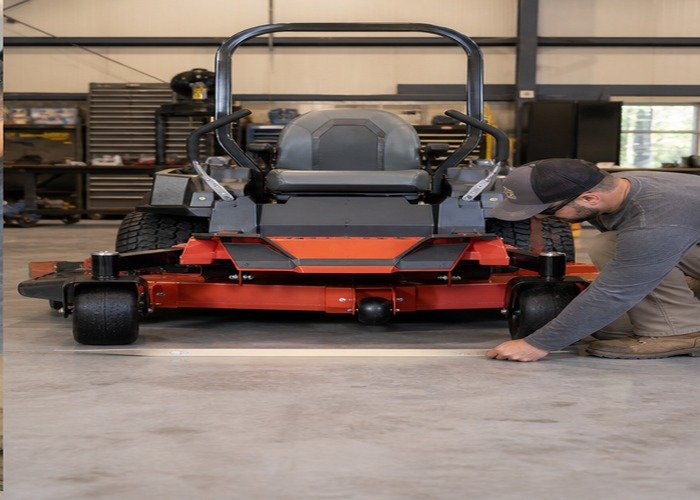
Recheck deck side-to-side level on a flat surface is a field decision, not a catalog shortcut. For zero turn mower tire pressure, start by writing the job, the surface, the expected finish, the operator experience, and the stop conditions before comparing specifications.
Check the machine manual and attachment manual together. A lawn mower that looks adequate on one number can still be a poor fit when ballast, hydraulic flow, PTO load, cooling, transport width, or maintenance access is considered.
Use a short work-cycle test when possible: inspect the site, set up the machine, complete one representative pass, turn, travel, clean up, and record what slowed the work. That record is more useful than a best-case demonstration. The EPA lithium-ion battery recycling is a useful outside reference for the safety or operating context behind this check.
A common mistake is solving the easy part of the job and ignoring the repeat work that follows: cleanup, storage, inspections, refueling or charging, repairs, transport, and the next hookup.
For a buying or setup decision, write three limits beside the specification: the condition where the machine works comfortably, the condition where it works slowly but acceptably, and the condition where the job should stop. This prevents a demonstration on easy ground from becoming an unsafe rule for wet soil, slopes, poor visibility, heavy material, or an attachment that changes balance.
Operators should also decide who is responsible for inspection before the next shift. A clean machine, known fluid level, visible pins, readable labels, sound guards, and a written note about any abnormal heat or noise make the next decision easier. Small defects are cheaper to handle before they become part of the normal routine.
Separate tire effects from linkage or hydraulic tracking faults is a field decision, not a catalog shortcut. For zero turn mower tire pressure, start by writing the job, the surface, the expected finish, the operator experience, and the stop conditions before comparing specifications.
Check the machine manual and attachment manual together. A lawn mower that looks adequate on one number can still be a poor fit when ballast, hydraulic flow, PTO load, cooling, transport width, or maintenance access is considered. SeekMach’s property equipment applications can help compare related product paths without treating any one specification as the whole answer.
Use a short work-cycle test when possible: inspect the site, set up the machine, complete one representative pass, turn, travel, clean up, and record what slowed the work. That record is more useful than a best-case demonstration. The NFPA lithium-ion battery safety is a useful outside reference for the safety or operating context behind this check.
When the result is marginal, change one variable at a time. Reduce the load, alter the route, choose a different attachment, wait for better ground conditions, or step up to a better matched machine.
For a buying or setup decision, write three limits beside the specification: the condition where the machine works comfortably, the condition where it works slowly but acceptably, and the condition where the job should stop. This prevents a demonstration on easy ground from becoming an unsafe rule for wet soil, slopes, poor visibility, heavy material, or an attachment that changes balance.
Operators should also decide who is responsible for inspection before the next shift. A clean machine, known fluid level, visible pins, readable labels, sound guards, and a written note about any abnormal heat or noise make the next decision easier. Small defects are cheaper to handle before they become part of the normal routine.
Make a controlled straight-line test on open turf is a field decision, not a catalog shortcut. For zero turn mower tire pressure, start by writing the job, the surface, the expected finish, the operator experience, and the stop conditions before comparing specifications.
Check the machine manual and attachment manual together. A lawn mower that looks adequate on one number can still be a poor fit when ballast, hydraulic flow, PTO load, cooling, transport width, or maintenance access is considered.
Use a short work-cycle test when possible: inspect the site, set up the machine, complete one representative pass, turn, travel, clean up, and record what slowed the work. That record is more useful than a best-case demonstration.
A common mistake is solving the easy part of the job and ignoring the repeat work that follows: cleanup, storage, inspections, refueling or charging, repairs, transport, and the next hookup.
For a buying or setup decision, write three limits beside the specification: the condition where the machine works comfortably, the condition where it works slowly but acceptably, and the condition where the job should stop. This prevents a demonstration on easy ground from becoming an unsafe rule for wet soil, slopes, poor visibility, heavy material, or an attachment that changes balance.
Operators should also decide who is responsible for inspection before the next shift. A clean machine, known fluid level, visible pins, readable labels, sound guards, and a written note about any abnormal heat or noise make the next decision easier. Small defects are cheaper to handle before they become part of the normal routine.
Record pressures and recheck before seasonal workload changes is a field decision, not a catalog shortcut. For zero turn mower tire pressure, start by writing the job, the surface, the expected finish, the operator experience, and the stop conditions before comparing specifications.
Check the machine manual and attachment manual together. A lawn mower that looks adequate on one number can still be a poor fit when ballast, hydraulic flow, PTO load, cooling, transport width, or maintenance access is considered.
Use a short work-cycle test when possible: inspect the site, set up the machine, complete one representative pass, turn, travel, clean up, and record what slowed the work. That record is more useful than a best-case demonstration.
When the result is marginal, change one variable at a time. Reduce the load, alter the route, choose a different attachment, wait for better ground conditions, or step up to a better matched machine.
For a buying or setup decision, write three limits beside the specification: the condition where the machine works comfortably, the condition where it works slowly but acceptably, and the condition where the job should stop. This prevents a demonstration on easy ground from becoming an unsafe rule for wet soil, slopes, poor visibility, heavy material, or an attachment that changes balance.
Operators should also decide who is responsible for inspection before the next shift. A clean machine, known fluid level, visible pins, readable labels, sound guards, and a written note about any abnormal heat or noise make the next decision easier. Small defects are cheaper to handle before they become part of the normal routine.
No. Size matters, but the final choice also depends on surface, attachment load, operator skill, maintenance access, transport, and how much reserve the job needs.
Usually not without checking frequency. A rare peak task may be better rented, contracted, or handled with a different attachment while the owned machine fits recurring work.
Test the actual work cycle: setup, first pass, turns, travel, finish quality, cleanup, shutdown, and storage. Watch heat, traction, visibility, noise, and control response.
The best answer for zero turn mower tire pressure is the one that completes the real job with margin, predictable handling, and a maintenance routine the owner will actually follow.
Use the validated public video as one visual reference for the topic: related YouTube demonstration. Then compare the machine against the site, the attachment, and the operator rather than relying on a single headline specification.
If two options are close, choose the one with clearer service support, safer attachment fit, and a calmer work cycle. That decision usually pays back more reliably than a bigger number on paper.
Search performance shows readers need a faster answer for zero turn mower tire pressure. Confirm the exact model, operating weight, included equipment, service support, documents, and recurring ownership costs in writing. Compare alternatives on the same scope and never substitute a headline number for a complete delivered-and-supported specification.
| Check | Evidence | Decision |
|---|---|---|
| Machine fit | Manual and serial-specific specification | Pass only when job limits are covered |
| Soutien | Parts list, warranty route, response owner | Price downtime risk separately |
| Total cost | Written quote with exclusions | Compare like for like |
Related planning: used compact tractor inspection checklist et mini excavator trailer transport guide.
Search performance shows that readers need a faster, clearer answer for zero turn mower tire pressure. Confirm the exact model, operating limits, included equipment, service support, documents, and recurring ownership costs in writing before committing.
| Check | Evidence | Decision |
|---|---|---|
| Machine fit | Manual and serial-specific specification | Pass only when the intended job is covered |
| Soutien | Parts list, warranty route, response owner | Price downtime risk separately |
| Total cost | Written quote with exclusions | Compare like for like |
Related planning: use the used compact tractor inspection checklist, le compact tractor loader ballast guide, and the hydraulic coupler pressure guide.
Keep the serial-specific specification, inspection findings, included attachments, support contact, warranty exclusions, delivery scope, and all assumptions used in the comparison.
2026-08-25 performance update: evidence to verify before committing. Check both drive tires cold, on level ground, with the same accurate low-pressure gauge. Use the mower manual and tire sidewall as limits rather than copying a universal PSI value. A small left-to-right difference changes rolling radius and can make the mower drift, change deck pitch, or leave uneven stripes.
| Symptom | First check | Next check |
|---|---|---|
| Pulls to one side | Cold drive-tire pressure and circumference | Control linkage and hydraulic response |
| One side cuts lower | Tire pressure on all corners | Deck level, blade condition, spindle play |
| Harsh ride or poor grip | Manual-approved pressure range | Tire type, ballast, wet turf and slope |
Correct pressure before adjusting the deck or controls, then test on a flat paved line and a representative lawn area. For the rest of the diagnosis, use the zero-turn cut-quality checklist and record pressure, temperature and symptoms so changes are repeatable.
This update gives readers a faster decision path for zero turn tire pressure chart. Start with the actual job, measured access, surface and slope, workload, transport limits, operator experience and service support rather than choosing from a headline specification alone.
| Decision | Evidence to verify | Next step |
|---|---|---|
| Job and site fit | Dimensions, terrain, material, cycle time and working envelope | Reject configurations that exceed a documented limit |
| Machine condition | Serial-specific manual, maintenance record and controlled function test | Price faults and downtime separately |
| Total ownership fit | Delivered quote, transport, wear parts, service route and warranty contact | Compare like-for-like scope |
Use a written checklist and preserve photographs, measurements and the exact configuration offered. A generic brochure, translated duplicate page or short demonstration does not replace serial-specific evidence.
Continue with this related SeekMach decision guide and review the current equipment categories.