Telephone/WhatsApp:+86 156 2656 0610
Telephone/WhatsApp:+86 156 2656 0610
Email:info@seekmach.com

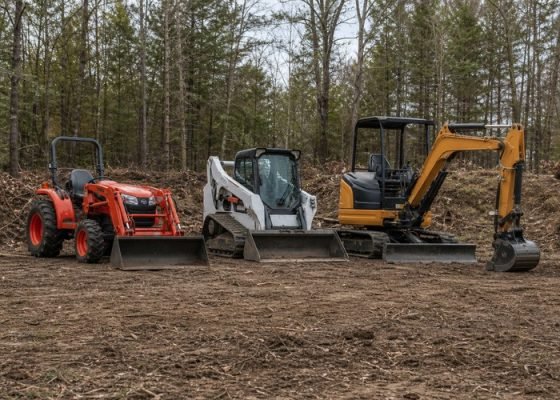
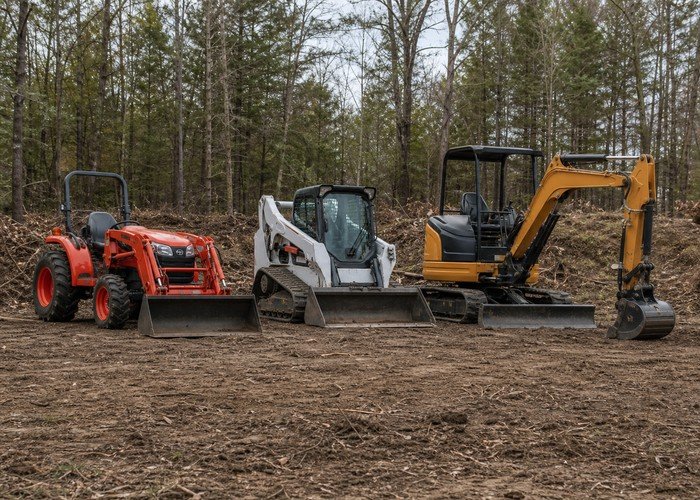
Best Machine for Land Clearing: Tractor, Skid Steer, or Mini Excavator? gives buyers and operators a structured way to verify condition, fit, and safety before money or machinery moves.
Continue through the SeekMach equipment range, compare the tractor range, review pelles compactes, see chargeuses compactes, and browse lawn mowers.
Start with records, ratings, and the exact machine: Choose by the dominant task: tractors maintain and mow open land, skid steers push, grapple and run high-flow tools in compact work zones, while mini excavators dig roots, work below grade and place material precisely. Compare the same acreage, vegetation, soil, slope, access and finish requirement.
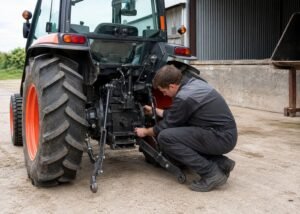
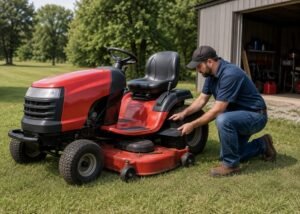
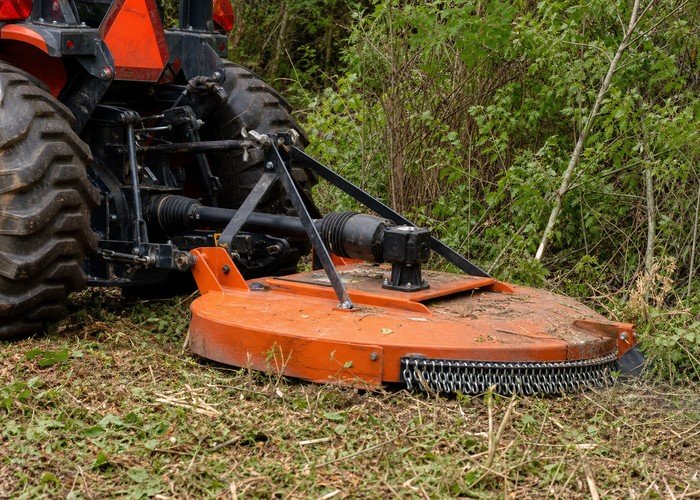
Start with records, ratings, and the exact machine: A tractor covers distance efficiently and powers rotary cutters, mulchers and winches, but loader reach and side-slope stability limit aggressive clearing. Protect the operator, driveline and tires from hidden wire, rocks, stumps and thrown objects.
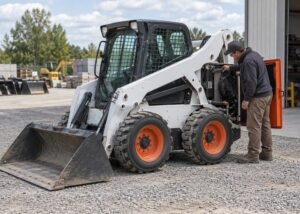
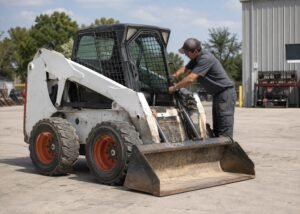
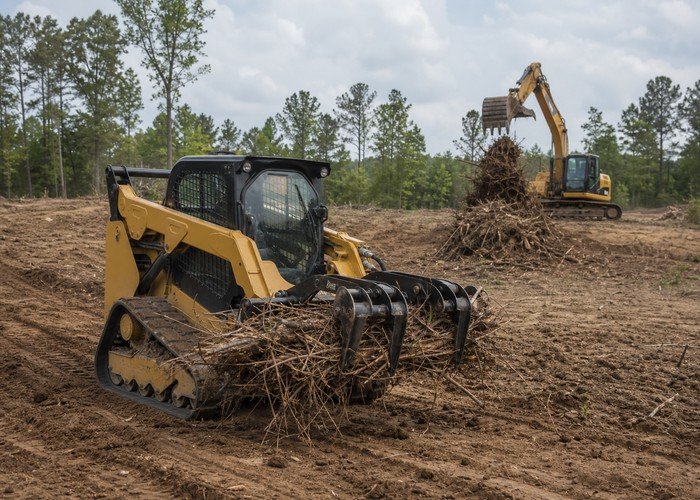
Start with records, ratings, and the exact machine: A skid steer offers fast attachment changes and strong pushing in its footprint. Match rated operating capacity, hydraulic flow, coupler, ground pressure and cooling to the grapple or cutter; repeated counter-rotation can damage soft ground.
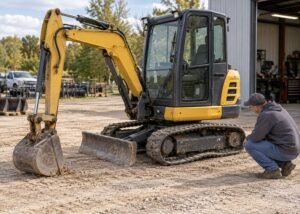
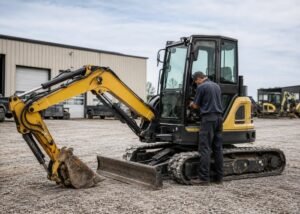
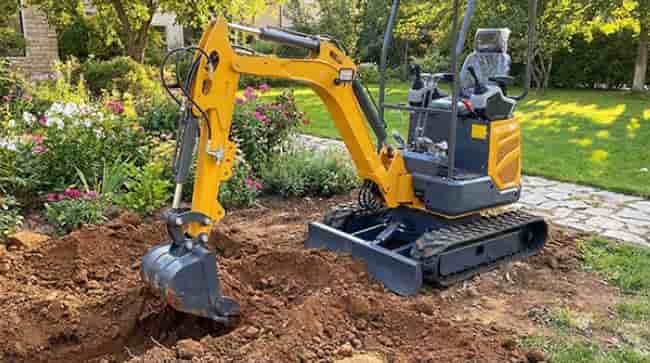
Start with records, ratings, and the exact machine: A mini excavator exposes and severs roots with controlled digging and can sort debris with a thumb or grapple. Production slows when every stem must be handled, and lifting over the side reduces stability, so use the load chart and keep the machine level.
Start with records, ratings, and the exact machine: Estimate utilization, mobilization, attachment changes, disposal, finish grading and restoration—not just hourly production. Many sites are cheapest with two complementary machines or a rental sequence rather than forcing one machine to perform every task.
Safety-first walk-around before operation: Choose by the dominant task: tractors maintain and mow open land, skid steers push, grapple and run high-flow tools in compact work zones, while mini excavators dig roots, work below grade and place material precisely. Compare the same acreage, vegetation, soil, slope, access and finish requirement.
Safety-first walk-around before operation: A tractor covers distance efficiently and powers rotary cutters, mulchers and winches, but loader reach and side-slope stability limit aggressive clearing. Protect the operator, driveline and tires from hidden wire, rocks, stumps and thrown objects.
Safety-first walk-around before operation: A skid steer offers fast attachment changes and strong pushing in its footprint. Match rated operating capacity, hydraulic flow, coupler, ground pressure and cooling to the grapple or cutter; repeated counter-rotation can damage soft ground.
Safety-first walk-around before operation: A mini excavator exposes and severs roots with controlled digging and can sort debris with a thumb or grapple. Production slows when every stem must be handled, and lifting over the side reduces stability, so use the load chart and keep the machine level.
Safety-first walk-around before operation: Estimate utilization, mobilization, attachment changes, disposal, finish grading and restoration—not just hourly production. Many sites are cheapest with two complementary machines or a rental sequence rather than forcing one machine to perform every task.
Engine, fluids, cooling, and leak checks: Choose by the dominant task: tractors maintain and mow open land, skid steers push, grapple and run high-flow tools in compact work zones, while mini excavators dig roots, work below grade and place material precisely. Compare the same acreage, vegetation, soil, slope, access and finish requirement.
Engine, fluids, cooling, and leak checks: A tractor covers distance efficiently and powers rotary cutters, mulchers and winches, but loader reach and side-slope stability limit aggressive clearing. Protect the operator, driveline and tires from hidden wire, rocks, stumps and thrown objects.
Engine, fluids, cooling, and leak checks: A skid steer offers fast attachment changes and strong pushing in its footprint. Match rated operating capacity, hydraulic flow, coupler, ground pressure and cooling to the grapple or cutter; repeated counter-rotation can damage soft ground.
Engine, fluids, cooling, and leak checks: A mini excavator exposes and severs roots with controlled digging and can sort debris with a thumb or grapple. Production slows when every stem must be handled, and lifting over the side reduces stability, so use the load chart and keep the machine level.
Engine, fluids, cooling, and leak checks: Estimate utilization, mobilization, attachment changes, disposal, finish grading and restoration—not just hourly production. Many sites are cheapest with two complementary machines or a rental sequence rather than forcing one machine to perform every task.
Hydraulics, structure, and working components: Choose by the dominant task: tractors maintain and mow open land, skid steers push, grapple and run high-flow tools in compact work zones, while mini excavators dig roots, work below grade and place material precisely. Compare the same acreage, vegetation, soil, slope, access and finish requirement.
Hydraulics, structure, and working components: A tractor covers distance efficiently and powers rotary cutters, mulchers and winches, but loader reach and side-slope stability limit aggressive clearing. Protect the operator, driveline and tires from hidden wire, rocks, stumps and thrown objects.
Hydraulics, structure, and working components: A skid steer offers fast attachment changes and strong pushing in its footprint. Match rated operating capacity, hydraulic flow, coupler, ground pressure and cooling to the grapple or cutter; repeated counter-rotation can damage soft ground.
Hydraulics, structure, and working components: A mini excavator exposes and severs roots with controlled digging and can sort debris with a thumb or grapple. Production slows when every stem must be handled, and lifting over the side reduces stability, so use the load chart and keep the machine level.
Hydraulics, structure, and working components: Estimate utilization, mobilization, attachment changes, disposal, finish grading and restoration—not just hourly production. Many sites are cheapest with two complementary machines or a rental sequence rather than forcing one machine to perform every task.
Functional test under realistic load: Choose by the dominant task: tractors maintain and mow open land, skid steers push, grapple and run high-flow tools in compact work zones, while mini excavators dig roots, work below grade and place material precisely. Compare the same acreage, vegetation, soil, slope, access and finish requirement.
Functional test under realistic load: A tractor covers distance efficiently and powers rotary cutters, mulchers and winches, but loader reach and side-slope stability limit aggressive clearing. Protect the operator, driveline and tires from hidden wire, rocks, stumps and thrown objects.
Functional test under realistic load: A skid steer offers fast attachment changes and strong pushing in its footprint. Match rated operating capacity, hydraulic flow, coupler, ground pressure and cooling to the grapple or cutter; repeated counter-rotation can damage soft ground.
Functional test under realistic load: A mini excavator exposes and severs roots with controlled digging and can sort debris with a thumb or grapple. Production slows when every stem must be handled, and lifting over the side reduces stability, so use the load chart and keep the machine level.
Functional test under realistic load: Estimate utilization, mobilization, attachment changes, disposal, finish grading and restoration—not just hourly production. Many sites are cheapest with two complementary machines or a rental sequence rather than forcing one machine to perform every task.
Decision table: pass, negotiate, or stop: Choose by the dominant task: tractors maintain and mow open land, skid steers push, grapple and run high-flow tools in compact work zones, while mini excavators dig roots, work below grade and place material precisely. Compare the same acreage, vegetation, soil, slope, access and finish requirement.
Decision table: pass, negotiate, or stop: A tractor covers distance efficiently and powers rotary cutters, mulchers and winches, but loader reach and side-slope stability limit aggressive clearing. Protect the operator, driveline and tires from hidden wire, rocks, stumps and thrown objects.
Decision table: pass, negotiate, or stop: A skid steer offers fast attachment changes and strong pushing in its footprint. Match rated operating capacity, hydraulic flow, coupler, ground pressure and cooling to the grapple or cutter; repeated counter-rotation can damage soft ground.
Decision table: pass, negotiate, or stop: A mini excavator exposes and severs roots with controlled digging and can sort debris with a thumb or grapple. Production slows when every stem must be handled, and lifting over the side reduces stability, so use the load chart and keep the machine level.
Decision table: pass, negotiate, or stop: Estimate utilization, mobilization, attachment changes, disposal, finish grading and restoration—not just hourly production. Many sites are cheapest with two complementary machines or a rental sequence rather than forcing one machine to perform every task.
Questions to ask the seller or operator: Choose by the dominant task: tractors maintain and mow open land, skid steers push, grapple and run high-flow tools in compact work zones, while mini excavators dig roots, work below grade and place material precisely. Compare the same acreage, vegetation, soil, slope, access and finish requirement.
Questions to ask the seller or operator: A tractor covers distance efficiently and powers rotary cutters, mulchers and winches, but loader reach and side-slope stability limit aggressive clearing. Protect the operator, driveline and tires from hidden wire, rocks, stumps and thrown objects.
Questions to ask the seller or operator: A skid steer offers fast attachment changes and strong pushing in its footprint. Match rated operating capacity, hydraulic flow, coupler, ground pressure and cooling to the grapple or cutter; repeated counter-rotation can damage soft ground.
Questions to ask the seller or operator: A mini excavator exposes and severs roots with controlled digging and can sort debris with a thumb or grapple. Production slows when every stem must be handled, and lifting over the side reduces stability, so use the load chart and keep the machine level.
Questions to ask the seller or operator: Estimate utilization, mobilization, attachment changes, disposal, finish grading and restoration—not just hourly production. Many sites are cheapest with two complementary machines or a rental sequence rather than forcing one machine to perform every task.
A repeatable field checklist: Choose by the dominant task: tractors maintain and mow open land, skid steers push, grapple and run high-flow tools in compact work zones, while mini excavators dig roots, work below grade and place material precisely. Compare the same acreage, vegetation, soil, slope, access and finish requirement.
A repeatable field checklist: A tractor covers distance efficiently and powers rotary cutters, mulchers and winches, but loader reach and side-slope stability limit aggressive clearing. Protect the operator, driveline and tires from hidden wire, rocks, stumps and thrown objects.
A repeatable field checklist: A skid steer offers fast attachment changes and strong pushing in its footprint. Match rated operating capacity, hydraulic flow, coupler, ground pressure and cooling to the grapple or cutter; repeated counter-rotation can damage soft ground.
A repeatable field checklist: A mini excavator exposes and severs roots with controlled digging and can sort debris with a thumb or grapple. Production slows when every stem must be handled, and lifting over the side reduces stability, so use the load chart and keep the machine level.
A repeatable field checklist: Estimate utilization, mobilization, attachment changes, disposal, finish grading and restoration—not just hourly production. Many sites are cheapest with two complementary machines or a rental sequence rather than forcing one machine to perform every task.
Common mistakes that create expensive surprises: Choose by the dominant task: tractors maintain and mow open land, skid steers push, grapple and run high-flow tools in compact work zones, while mini excavators dig roots, work below grade and place material precisely. Compare the same acreage, vegetation, soil, slope, access and finish requirement.
Common mistakes that create expensive surprises: A tractor covers distance efficiently and powers rotary cutters, mulchers and winches, but loader reach and side-slope stability limit aggressive clearing. Protect the operator, driveline and tires from hidden wire, rocks, stumps and thrown objects.
Common mistakes that create expensive surprises: A skid steer offers fast attachment changes and strong pushing in its footprint. Match rated operating capacity, hydraulic flow, coupler, ground pressure and cooling to the grapple or cutter; repeated counter-rotation can damage soft ground.
Common mistakes that create expensive surprises: A mini excavator exposes and severs roots with controlled digging and can sort debris with a thumb or grapple. Production slows when every stem must be handled, and lifting over the side reduces stability, so use the load chart and keep the machine level.
Common mistakes that create expensive surprises: Estimate utilization, mobilization, attachment changes, disposal, finish grading and restoration—not just hourly production. Many sites are cheapest with two complementary machines or a rental sequence rather than forcing one machine to perform every task.
Final verification before transport or purchase: Choose by the dominant task: tractors maintain and mow open land, skid steers push, grapple and run high-flow tools in compact work zones, while mini excavators dig roots, work below grade and place material precisely. Compare the same acreage, vegetation, soil, slope, access and finish requirement.
Final verification before transport or purchase: A tractor covers distance efficiently and powers rotary cutters, mulchers and winches, but loader reach and side-slope stability limit aggressive clearing. Protect the operator, driveline and tires from hidden wire, rocks, stumps and thrown objects.
Final verification before transport or purchase: A skid steer offers fast attachment changes and strong pushing in its footprint. Match rated operating capacity, hydraulic flow, coupler, ground pressure and cooling to the grapple or cutter; repeated counter-rotation can damage soft ground.
Final verification before transport or purchase: A mini excavator exposes and severs roots with controlled digging and can sort debris with a thumb or grapple. Production slows when every stem must be handled, and lifting over the side reduces stability, so use the load chart and keep the machine level.
Final verification before transport or purchase: Estimate utilization, mobilization, attachment changes, disposal, finish grading and restoration—not just hourly production. Many sites are cheapest with two complementary machines or a rental sequence rather than forcing one machine to perform every task.
No. Use this workflow to organize the inspection, then apply the exact limits and procedures in the model manual.
Use a qualified technician when records are incomplete, safety structures are altered, fluids are contaminated, structural cracks appear, or the functional test is inconsistent.
Record serial number, hours, cold-start condition, leaks, wear, measured settings, attachments, faults, photographs, and the person who performed the check.
When equipment will not start, a control will not engage, or a hydraulic function will not hold, identify the system first and work from safe observations. Follow the compact tractor battery-drain guide for parked electrical loss, the skid steer lift-arm drift guide for hydraulic settling, and the riding mower blade-engagement guide for PTO and deck-drive faults.
Each path begins with model-specific isolation, records the original symptom, avoids bypassing safety devices, and ends with a low-risk verification. Related ownership decisions are covered in the tractor, skid steer, and mini excavator comparison.
Start with the failed function and the machine’s safety state, then avoid parts swapping until the approved checks separate a command fault from a supply fault. Use the mini excavator boom-not-raising guide for pilot, oil, spool and cylinder observations; the tractor three-point hitch-not-lifting guide for linkage and lift-control symptoms; and the zero-turn mower no-movement guide for bypass, belt and hydrostatic-drive checks.
Each guide begins with parking, isolation and a precise symptom record. For choosing the right base machine before a clearing or attachment task, return to this tractor, skid steer and mini excavator comparison.
Use the skid steer heat guide, mini excavator track guide, et zero-turn cut-quality guide for symptom-led checks.