Telephone/WhatsApp:+86 156 2656 0610
Telephone/WhatsApp:+86 156 2656 0610
Email:info@seekmach.com

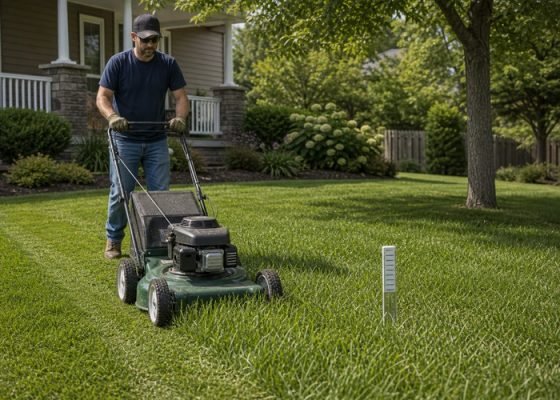
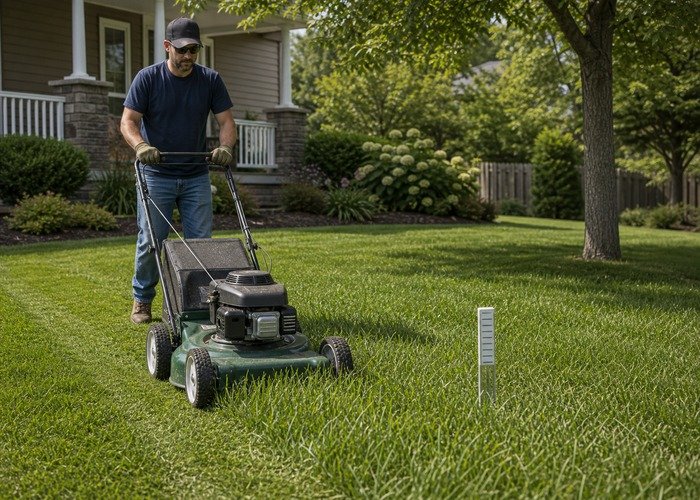
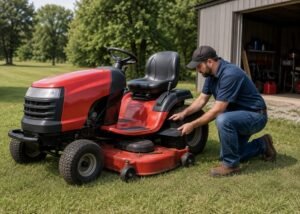
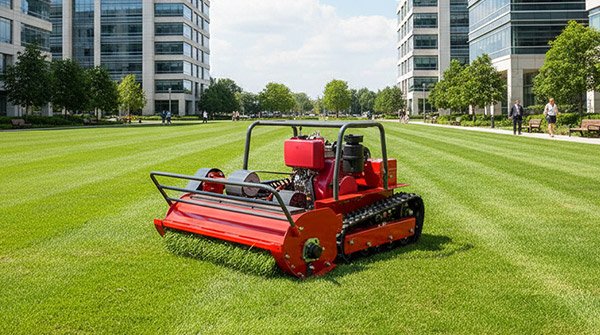
Lawn mower cutting height sounds like a small setting, but it changes how the lawn looks a week later. Cut too low and the yard can look neat for one afternoon, then turn pale, thin, or scalped. Cut too high in the wrong situation and the mower may leave clumps or stringy tips. If you are comparing equipment in the SeekMach lawn mower category, deck height should be part of the buying and operating conversation.
A useful mowing habit starts before the engine starts. Walk the lawn, look for wet areas, note the shade, and decide whether the grass is actively growing or already stressed. The right height is not a single number for every yard. It changes with grass type, weather, blade sharpness, ground smoothness, and whether the mower will mulch, bag, or side-discharge.
University extension lawn guides usually repeat the same practical principle: avoid removing too much leaf blade at once. The University of Minnesota lawn care guidance is a helpful reference because it connects mowing height with turf health rather than treating mowing as a cosmetic pass.
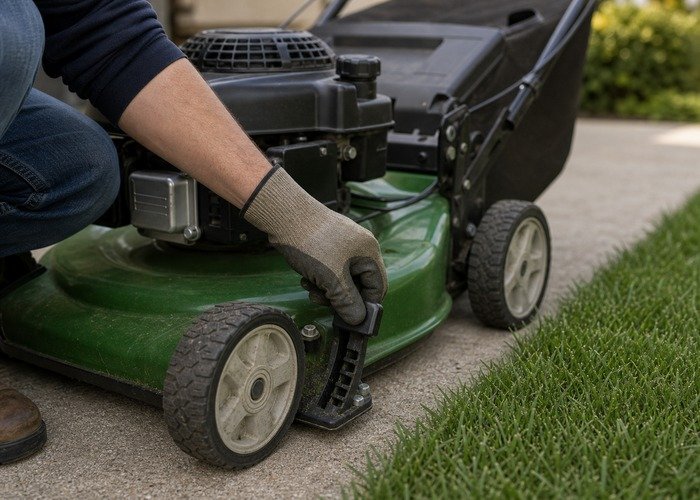
The most useful field rule is simple: avoid cutting more than about one-third of the grass blade in a single mowing. If the lawn has grown tall after rain or travel, raise the deck and cut in stages. This keeps the mower from bogging, reduces clumping, and leaves enough leaf area for the plant to recover.
When you review mowers through the SeekMach product overview, compare adjustment range and ease of setting changes. A mower that is annoying to adjust encourages bad habits. The Penn State Extension turfgrass resources gives turfgrass context that helps explain why a little extra height can protect the lawn during stress.
| Field condition | What to check | Better decision |
| — | — | — |
| Fast spring growth | Is the mower clogging? | Raise the deck and mow more often |
| Summer heat | Is the lawn pale or dry? | Leave more leaf blade for shade and recovery |
| Uneven ground | Are high spots scalped? | Raise height and slow down on crowns |
| Wet grass | Are clumps forming? | Wait if possible or take a lighter pass |
| Heavy weeds | Is seed head control needed? | Cut gradually instead of shaving low |
| Final fall cleanup | Is grass still growing? | Do not suddenly scalp the lawn |
The number on the deck lever is a guide, not a laboratory measurement. Tire pressure, blade wear, deck pitch, uneven ground, and operator weight can change the actual cut. If the lawn looks uneven after mowing, measure blade height on a flat surface with the machine off and the spark plug disabled according to the manual.
Use the SeekMach application solutions when matching mowing with broader property work. A lawn mower keeps turf clean, while tractors, loaders, and excavators solve different outdoor tasks. The University of Georgia lawn care resources is useful for region-specific lawn care details, especially where heat and moisture change fast.
A dull blade tears grass instead of cutting it. Torn tips turn brown, especially in heat. Many people blame cutting height when the blade is actually the problem. If the lawn has a gray cast after mowing or the tips look shredded, sharpen or replace the blade before changing five other settings.
Blade work is maintenance, not a casual reach under the deck. The CPSC lawn mower safety guidance explains basic mower safety and is worth reviewing before cleaning or servicing the machine.
If the lawn is too tall, do not attack it at the normal low setting. Raise the deck, mow slowly, and let the discharge clear. If clippings still pile up, make a second pass later after the first cut dries. Heavy clumps block light and can leave brown spots underneath, so spread them out or collect them if needed.
On larger rural properties, mowing may connect with driveway, pasture, and material work. The SeekMach tractor category can be part of that larger equipment plan when the property needs more than lawn care.
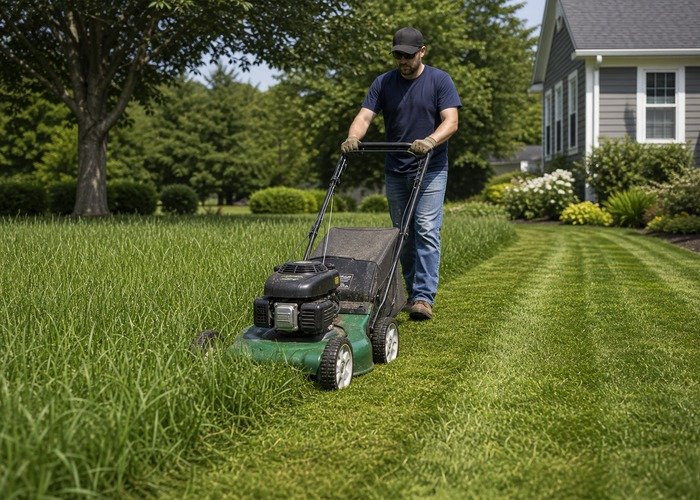
During hot or dry periods, a slightly taller cut can shade the soil and reduce stress. In fast spring growth, mowing more often at a moderate height usually looks better than waiting and cutting low. After rain, watch for ruts before chasing a perfect schedule. A clean lawn is not worth compacting soft ground.
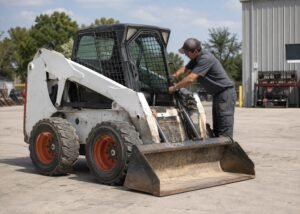
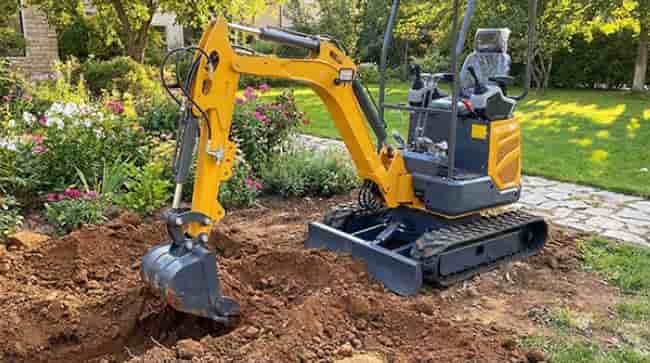
If the property also needs cleanup, loading, or landscape work, the SeekMach skid steer loader category y SeekMach excavator category can support jobs that a mower should not be asked to do. For crews, the OSHA landscaping and horticultural services provides useful workplace safety context around landscaping equipment.
A homeowner returns after a week of rain and the lawn is taller than normal. Instead of cutting at the usual low setting, the deck is raised for the first pass. The mower travels slower, and the discharge is watched carefully. Two days later, a second pass brings the lawn back to the preferred height without leaving wet clumps across the yard.
This is the same thinking behind the SeekMach product overview: the machine should match the job in front of it, not yesterday’s schedule.
It depends on grass type, season, moisture and stress. A moderate-to-taller height is often safer than cutting too low.
The deck may be too low for uneven ground, or the deck pitch and tire pressure may need checking.
Usually not during heat stress. Taller grass can shade soil and help the lawn recover.
Dull blades are a common cause. Check blade sharpness before changing the whole mowing plan.
It is better to wait when possible. Wet grass clumps, slips, and can clog the deck.
A good mower result starts with reading the grass. With lawn mower cutting height, the best setting is usually the one that fits today’s growth, moisture, and ground condition. A lawn that handled one height last week may need a different height after rain, heat, or missed mowing.
Do not judge the cut only from the operator seat. Walk the lawn after the first few passes. Look for torn tips, uncut strips, heavy clumps, or scalp marks on high spots. The pattern tells you whether the issue is speed, blade condition, deck height, or grass moisture.
Mower maintenance should be tied to symptoms. Brown shredded tips point toward blade condition. Heavy wet rows point toward moisture and deck buildup. Repeated scalping in the same place points toward uneven ground or a deck set too low. Fixing the symptom directly is faster than guessing.
A practical mowing log can be very simple: date, height setting, weather, grass condition, and any problem seen afterward. After several weeks, the log shows which height works during fast growth, dry periods, or shaded wet areas.
| Work stage | What to record | Why it matters |
| — | — | — |
| Before mowing | Check moisture, deck setting, blade condition, and obstacles | Prevents clumps, scalping, and safety issues |
| First pass | Use a height and speed that match current grass condition | Keeps the deck from overloading |
| Problem areas | Slow down near shade, wet spots, slopes, and uneven ground | Improves cut quality and control |
| After mowing | Check deck buildup and look for streaks or clumps | Shows what should change next time |
Most rework comes from skipping a small observation at the start. Check the surface, listen to the machine, and stop when the result changes. If the machine begins leaving ridges, clumps, crooked holes, tire marks, or uneven finish, the correct move is not always more power. Often it is a slower pass, a cleaner setup, sharper cutting edge, better moisture timing, or a different machine for that part of the job.
Think of the job as a sequence instead of a single pass. Plan where material will go, how water will move, how the operator will turn, and what the finished surface should look like from ground level. The relevant SeekMach pages, including SeekMach lawn mower category and SeekMach product overview, are helpful starting points because equipment choice should come from the work pattern, not from the product name alone.
The last check should happen before tools are put away. Walk the work area, look at the surface from several angles, and note what changed. If the result will be exposed to rain, traffic, or repeated use, the first inspection after real conditions is even more valuable. That feedback is what turns one finished job into a better next job.
The first mistake is treating the machine as if it can overcome the wrong conditions. Wet turf, dry hardpack, loose gravel, rocky soil, sharp debris, or poor drainage each asks for a different pace. Forcing the same setting through every condition usually creates more work. When the result changes, stop and identify the condition that changed.
The second mistake is ignoring the edge of the work area. Edges are where water collects, tires drop, tools catch, decks scalp, and attachments swing close to objects. A clean center line with damaged edges is not a good finish. Make the turn area, shoulder, outlet, fence line, or discharge path part of the original plan.
The third mistake is using the final pass to hide earlier problems. A finish pass should refine good work, not cover up poor setup. If the base is uneven, the hole is crooked, the deck is clogged, or the tire path is full of debris, the final pass will only make the problem look smoother for a short time.
A fourth mistake is skipping the operator’s pause. A useful pause takes less than a minute: lower the attachment safely, look at the last ten meters of work, inspect the pattern, and decide whether to change speed, height, angle, route, or timing. That pause is often the difference between a clean article-worthy result and a job that needs to be redone tomorrow.
Stopping early is sometimes the professional choice. If soil starts smearing, grass begins clumping heavily, gravel turns to dust, tires start spinning, or the machine feels unstable, pushing ahead can damage the surface and the equipment. A short delay, a cleaning break, a different attachment, or a second machine may protect the job.
Another reason to stop is uncertainty. If an underground mark is unclear, a slope feels uncomfortable, a hydraulic connection leaks, a blade or tooth looks damaged, or the operator cannot see the work clearly, do not continue by habit. Clear the uncertainty first. Small machines are still powerful enough to turn a small question into a large repair.
Weather also decides timing. Rain can help settle dust and reveal drainage, but wet conditions can create ruts, clumps, and smeared finish. Heat can stress turf and operators. Cold or frozen ground can make digging and grading unpredictable. The schedule should serve the result, not the other way around.
After the job, write down one thing that worked and one thing to change next time. This habit sounds small, but it builds a local playbook for your soil, lawn, driveway, yard, crew, and machine. The best equipment advice is always improved by local experience because every site has its own weak spots.
A better next job starts faster because the operator already knows the first setting to try, the area to inspect, and the mistake to avoid. Over time, that means fewer wasted passes, less surface damage, cleaner finish, and more confidence when conditions are not perfect.
Watch a related mower height video here: https://www.youtube.com/watch?v=TLQFjTXZ58E. Lawn mower cutting height is less about one perfect number and more about reading the grass, the weather, and the ground before each pass.