Telephone/WhatsApp:+86 156 2656 0610

Telephone/WhatsApp:+86 156 2656 0610
Email:info@seekmach.com

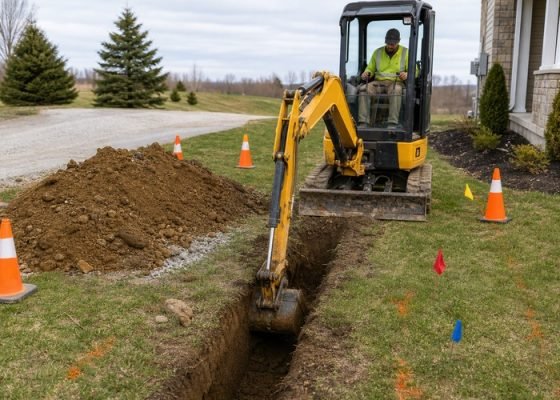
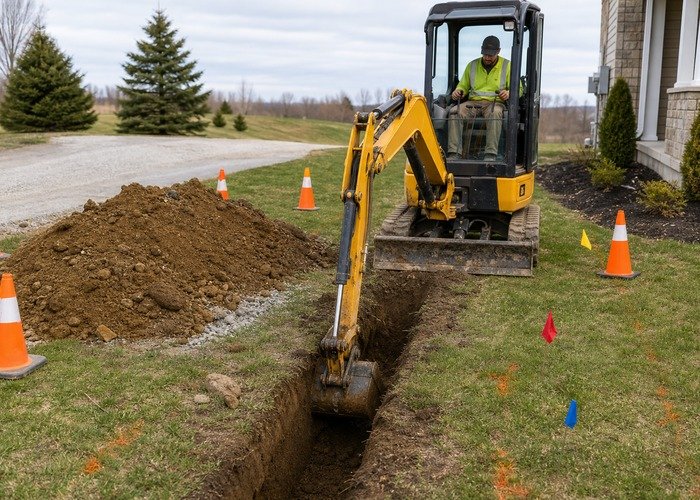
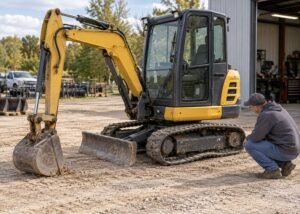
Mini excavator trenching safety starts before the bucket touches the ground. A small excavator can cut drainage lines, utility trenches, footing runs, irrigation routes, and landscape channels quickly, but a narrow trench can still collapse, hide utilities, trap water, or put people too close to moving equipment. If you are choosing a machine from the SeekMach excavator category, plan the job around safety and access, not only digging depth.
Many property jobs look simple because the trench is shallow or short. That confidence is risky. Soil can change within a few feet, buried lines may not follow maps perfectly, and spoil piles placed too close to the edge add pressure to the trench wall. Good trenching is a sequence: locate utilities, choose the machine and bucket, mark the route, manage spoil, keep people out of the trench, control water, and backfill correctly.
This guide is written for practical planning. It does not replace local excavation rules, engineering judgment, or OSHA requirements for workers. It gives owners, contractors, and operators a checklist mindset that makes small trench jobs less chaotic and easier to verify.
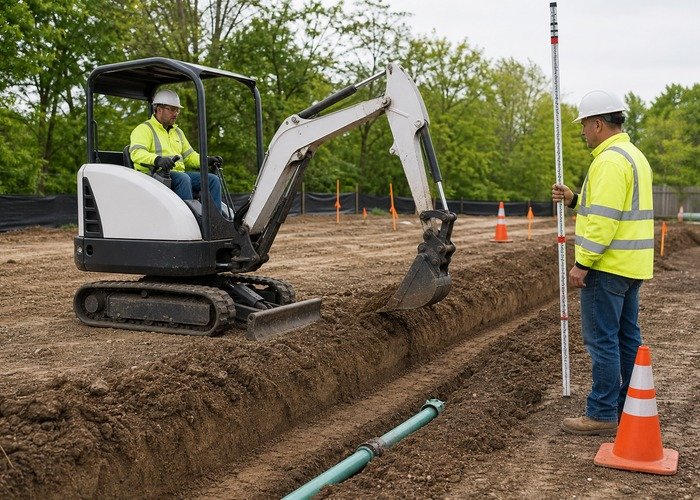
Utility location is the first gate. In the United States, 811 is the public starting point for contacting utility locating services before digging. Private lines may still need separate locating, such as irrigation, lighting, propane, drainage, or owner-installed electrical runs. Do not assume a shallow trench is harmless because many utilities are not buried as deeply as people expect.
Mark the trench route after utility information is available. Use paint, flags, stakes, or string lines that are visible from the operator seat. Keep a copy of the locate information on site. If the bucket finds unexpected pipe, wire, warning tape, concrete, or unusual fill, stop and reassess before continuing.
Spoil placement matters. Soil piled close to the trench edge adds weight where the wall is already unsupported. It can also roll back into the trench and make access harder. Keep spoil set back from the edge and leave room for the excavator tracks, workers, and inspection. The deeper or less stable the trench, the more conservative the setup should be.
los OSHA trenching and excavation page is the primary public reference for understanding trench hazards, protective systems, and why cave-ins are treated so seriously. Even if a property owner is doing a noncommercial job, the safety principles still apply: soil can move suddenly and without much warning.
| Planning question | Why it matters | Practical response |
|---|---|---|
| What utilities may cross the route? | Strikes can injure people and stop the job | Contact locating services and mark private lines |
| Where will spoil go? | Edge loading can increase collapse risk | Place spoil away from the trench edge |
| Who needs to enter the trench? | Entry changes the safety requirements | Avoid entry where possible; follow protective-system rules |
| How will grade be checked? | Rework creates extra exposure | Use grade rods, lasers, or checks from outside the trench |
| What happens if water enters? | Water weakens soil and hides hazards | Pump, divert, stop, or redesign before continuing |
| How will backfill be compacted? | Poor backfill settles later | Backfill in lifts suitable for the job |
Use this table before mobilizing the machine. A half-hour planning conversation can prevent a full day of repair, delay, or unsafe improvisation.
A mini excavator should match access, depth, reach, soil, and spoil handling. A machine that barely reaches the required depth may force poor positioning. A bucket that is too wide moves unnecessary soil and creates more backfill. A bucket that is too narrow may clog or slow production. Choose the smallest trench that meets the job requirement and still allows safe installation or inspection.
Stability matters when the excavator is working beside a trench. Keep tracks positioned on stable ground, avoid undermining the machine, and use the blade as recommended by the manual. Do not swing full buckets over people. Keep workers outside the swing radius and outside the trench unless the job has a proper entry plan.
If most of the project is material loading, pallet movement, or site cleanup after trenching, compare support machines in the SeekMach skid steer loader category. A mini excavator can dig precisely, while a loader may handle spoil and materials faster.
The safest trench entry is often no entry at all. Grade can be checked with a laser, rod, or visual marks from outside the trench. Pipe can sometimes be placed with tools or from a protected position depending on depth and job type. If entry is required, the job moves into a different risk category and must follow the applicable protective-system rules.
los NIOSH trenching and excavation resources reinforce the same core point: cave-ins are high-consequence events, and prevention depends on planning, protection, and keeping workers away from hazards. A trench does not need to be deep enough to cover a person completely to cause serious injury.
Water changes soil behavior. Rain, irrigation, leaking pipes, groundwater, or runoff can weaken trench walls and hide the bottom. If water enters the trench, stop and decide whether to pump, divert, wait, or redesign. Do not keep digging simply because the machine can still move soil.
Soil can also change across a site. Fill, roots, gravel seams, clay, sand, and previous excavation can all appear in a short trench. A route that looked stable at the start may become loose near a driveway or foundation. Treat visible cracks, sloughing, or falling material as warnings. Move spoil farther back, reduce vibration, or stop the job for a better plan.
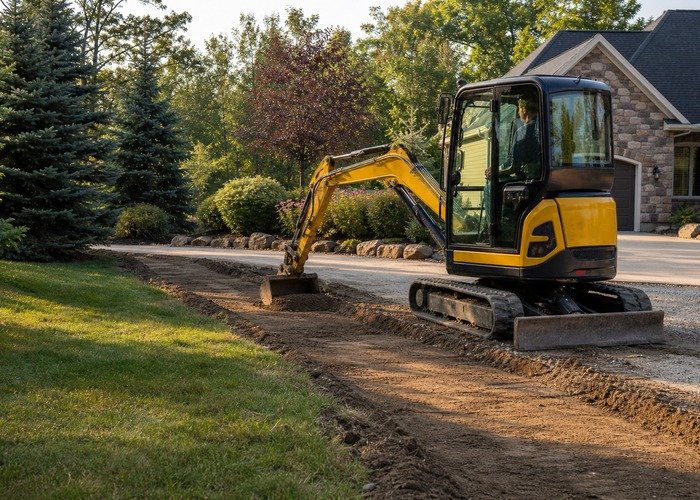
Residential trenching often happens near foundations, patios, fences, trees, irrigation, and finished lawns. That makes access and restoration part of safety. Plan where the excavator will travel, how mats or plywood will protect surfaces, and where spoil can sit without blocking exits or drainage. Keep bystanders and homeowners outside the work area.
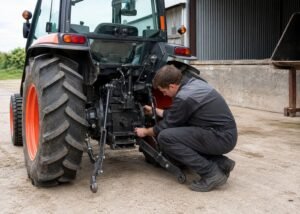
Tree roots and hardscape edges can pull the bucket off course. Slow down near obstacles. If the project is primarily landscape shaping rather than a narrow trench, compare whether a tractor from the SeekMach tractor category can help with grading after the excavator completes the precise digging.
Backfill is not just pushing soil back into a slot. Poor backfill can settle, hold water, damage pipe, or leave a soft strip across a yard or driveway. Use suitable bedding where required, protect pipe or conduit, and compact in lifts appropriate for the project. Avoid dropping large rocks directly on pipe. Keep organic debris out of structural or drainage backfill.
For drainage work, preserve slope. It is easy to ruin grade during backfill if the pipe moves or bedding is uneven. Check grade before covering critical sections. Take photos before backfill when future repairs may need proof of location.
Most trench jobs have support work around the actual digging. Pipe, stone, bedding, mats, and spoil may need to move before the trench is ready. A compact excavator can handle some of that, but it is usually slow at repeated carrying. If the site has room, a loader or tractor can stage materials while the excavator stays focused on digging and backfilling. On finished lawns, a dedicated mower or turf machine from the SeekMach lawn mower category may be part of restoration planning after soil settles and the area is reseeded.
Support work should not put people in the trench or inside the swing radius. Keep a simple site map: excavator position, spoil area, material staging area, pedestrian exclusion zone, and truck access. The University of Minnesota Extension drainage resources are a useful background reference for understanding how water movement, soil, and outlet planning shape drainage work. Even a small property trench should have a clear outlet, slope, and backfill method.
If the project is part of a broader property upgrade, review the SeekMach product application solutions page before equipment is scheduled. A mini excavator may dig the trench, a skid steer may move bedding, and a tractor may grade afterward. The safest plan often gives each machine the task it handles best instead of trying to save time by making one machine do everything.
When the trench is near a driveway, gate, or narrow access route, equipment sequence matters. Bring bedding and pipe close before the trench blocks the path. Keep the excavator on firm ground with a clear exit route. If trucks must cross the work area, pause trenching and reset the exclusion zone rather than mixing hauling traffic with an open trench.
Mark the finished trench line before covering it completely. A simple photo set, measured offsets from fixed points, and a note about pipe depth can save hours when future repairs, planting, fencing, or utility work returns to the same area.
Small sites can feel informal, which is why communication matters. Decide who can signal the operator. Decide whether hand signals or radios will be used. Decide where the grade checker stands. A person holding a grade rod should stay outside the trench and outside the machine’s swing path. If the operator loses sight of a person, the bucket should stop moving until everyone is accounted for.
Do not let visitors, children, pets, delivery drivers, or curious neighbors wander near the trench. Cones and tape are not enough if the site remains open. Assign someone to manage access when the work is near a driveway or sidewalk. A short trench can become a public hazard if it is left open during a lunch break or overnight.
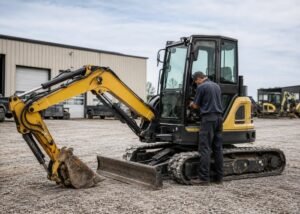
Before digging, inspect tracks, bucket pins, hydraulic hoses, quick coupler, blade, backup alarm, mirrors, and lights. Confirm the work zone is marked and utilities are located. Walk the route. Decide where spoil, pipe, bedding, tools, and people will be. Review hand signals or radio communication. Set a rule that nobody enters the swing radius without operator acknowledgment.
During digging, keep the bucket controlled and avoid undercutting the machine. Keep spoil back. Stop if the trench wall cracks, water appears, utilities are exposed, or visibility drops. At the end of the day, secure the machine, cover or barricade open trenches where required, and leave the site in a condition that does not invite someone to walk into a hazard.
Yes, when the machine has enough depth, reach, stability, and bucket fit for the job. Utility locating and site planning still come first.
Follow applicable rules and job requirements. As a practical habit, keep spoil well away from the edge and never use the trench lip as a storage shelf.
It can be. Shallow trenches may contain utilities, unstable soil, water, or trip hazards. Deeper trenches and any trench entry require more formal protection planning.
Avoid trench entry where possible. Use rods, lasers, and checks from outside the trench. If entry is necessary, follow the applicable protective-system requirements.
Use a bucket that meets the installation requirement without moving unnecessary soil. Too wide creates extra backfill; too narrow can slow the job or clog in sticky soil.
Watch a trenching safety overview here: excavation and trenching safety on YouTube. Then plan the job in this order: utilities, route, soil, spoil placement, machine position, people, water, backfill, and final restoration.