Telephone/WhatsApp:+86 156 2656 0610
Telephone/WhatsApp:+86 156 2656 0610
Email:info@seekmach.com

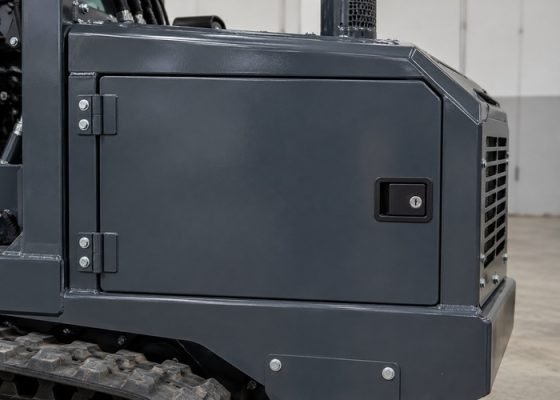
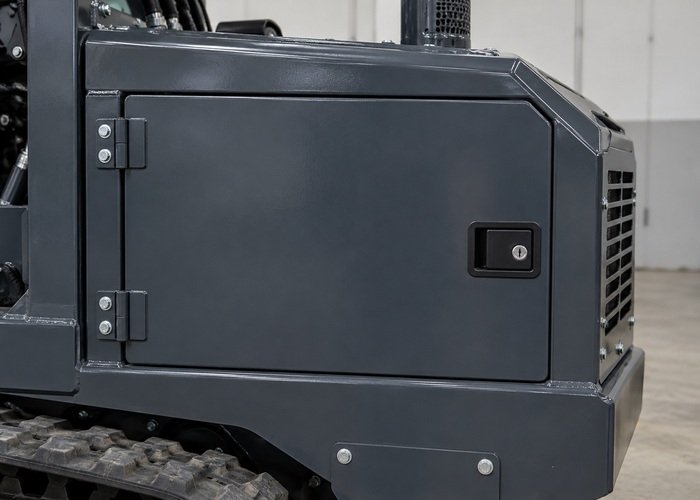
Before accessing a mini excavator through a raised hood, panel or tilting cab, identify the exact manufacturer’s securing and support provisions for that access arrangement. A cover that stays open briefly is not evidence that it is safe to work beneath it. A hinged service panel and a tilting operator station can have very different hazards and instructions.
This guide helps an owner prepare maintenance access and report defects. It does not specify a prop, support position, cab-tilt sequence or dismantling method. Use the instructions for the actual machine and appropriately competent personnel. When the required securing arrangement is missing, damaged or unclear, keep the access task unresolved until an approved solution is established.
Start with the work to be performed and which opening is needed. A routine visual check, filter service, component diagnosis and work beneath a raised operator station are different tasks. Tell the service provider the actual scope so that the access requirements are considered before the machine is prepared.
Identify the machine and the affected hood, cover, panel or cab assembly using the applicable manual and parts information. Take photographs only where they can be obtained safely with the machine secured. Do not open an uncertain panel merely to produce the photograph requested for a quotation.
Das mini excavator maintenance checklist helps organize service tasks. The access decision belongs alongside the task itself: which area must be reached, what securing provisions apply and who will establish the required condition before work begins.
A small hinged cover may use a particular latch and hold-open mechanism. A larger engine hood may have another arrangement. A tilting cab or operator station can involve a much heavier assembly and additional securing requirements. Do not collapse these into one generic instruction to prop the panel open.
Ask whether the visible device is a latch, a hold-open mechanism or a specified service support. These names should come from the manufacturer information, not an owner’s guess. The fact that a gas spring or hinge resists movement does not establish that it is the approved support for the planned work.
| Access question | Evidence to gather | Assumption to avoid |
|---|---|---|
| Which assembly moves? | Actual machine and applicable access instructions | Every service panel behaves the same way |
| How is it secured? | Manufacturer’s defined latch, stay or support arrangement | A part that holds position briefly is a service support |
| What work is planned? | Scope and competent provider’s access requirements | A visual check and work beneath a cab need identical preparation |
| What is defective? | Safe observations and exact parts identification | A convenient substitute will be acceptable |
Keep the relevant manual reference with the work order. An isolated photograph can omit the engagement, securing or closing information that gives the component its intended function. If the illustration and installed hardware differ, ask the supplier to resolve the discrepancy instead of adapting the drawing to fit.
Das 2017 Kubota U27-4 operator manual describes separate engine-hood and side-cover arrangements. It is useful evidence that access mechanisms can be individually specified even on one machine. It does not establish the method, support or mechanism on a SeekMach excavator.
Use such examples to identify missing information in an inquiry: which assembly, which mechanism and which exact instructions? Do not copy the opening or closing sequence from a similar-looking machine. A different service-access layout may require different securing measures or restrict the task to a qualified service provider.
Likewise, a manufacturer video showing a tilting cab demonstrates a feature of the machine shown. It is not evidence that another machine has the same feature or that its cab can be tilted under the same conditions. Ask about the actual installation before planning around a demonstration.
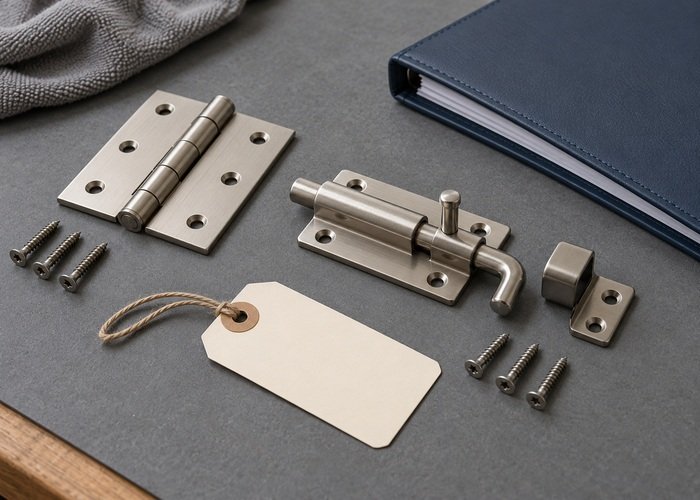
Record the observed defect: missing part, damaged retention, loose mounting, distorted panel, uncertain engagement or another clearly described concern. Do not turn that observation into a strength judgment. A part can look substantial while being damaged, incomplete or unsuitable for the assembly.
Keep hands and body away from an uncertain raised assembly. Do not ask someone to hold it while another person performs the service. An improvised timber, loose tool or unrelated bracket is not an approved solution simply because it keeps the opening available for a few minutes.
UK HSE guidance on inspection, maintenance and repair of vehicles discusses manufacturer instructions, defect reporting and safe arrangements for raised parts. Use these as planning principles. The actual plant manufacturer’s securing and support provisions still determine the method for this machine.
Supporting an access assembly does not address every maintenance hazard. The responsible person must also consider unexpected movement, stored energy, heat, electrical systems and the work environment as relevant to the task. The service provider should establish the complete preparation under the applicable instructions.
Do not assume that switching off the engine answers every question or that opening a hood makes running-component work acceptable. Where diagnosis requires special conditions, let the qualified provider determine the safe method and necessary controls. An owner should not create an informal live test to save time before the technician arrives.
HSE maintenance guidance emphasizes safe planned work and competent people. Apply it by agreeing the scope, access conditions and responsibilities in advance. It does not supply a universal isolation checklist or authorize a substitute support arrangement for an unidentified machine.
If a support or retention component needs replacement, identify the complete assembly and the machine application. Include safely readable markings and the applicable parts illustration. Ask whether the supplier provides the item individually or as part of a complete approved arrangement with associated hardware.
Das mini excavator spare-parts ordering guide helps keep that evidence with the order. Do not select a replacement gas spring, stay or latch from length or appearance alone. The correct item must match the documented application and the work it is intended to perform.
Retain the supplier’s response in full, including any limitations or instruction changes. A component that is supplied as a replacement may still require professional installation or inspection. Keep purchasing, fitting and acceptance as separate states so that the arrival of a parcel is not mistaken for restored safe access.

Ask the competent provider what inspection or checks the applicable instructions require after work. The completion record should identify the actual assembly, installed parts, instruction reference and outcome. A brief statement that the hood now opens does not establish that its securing and closing functions have been restored.
Keep an unresolved question open if the original mechanism cannot be identified or the supplied part differs from the approved reference. Repeated attempts to make a substitute fit can obscure the original problem and introduce additional damage. Refer discrepancies back to the responsible supplier before accepting the repair.
Where labels or instructions were missing, include their restoration or replacement in the handover as appropriate. The next person who needs access should be able to find the relevant information without reconstructing how the last technician performed the job.
Access planning should include how the machine is restored after maintenance under the manufacturer’s instructions. Identify who will confirm that panels, guards and access assemblies are returned to the required condition before operation. Do not leave that responsibility implicit when several people share the work.
Record any remaining restriction or follow-up requirement at the shift handover. A service provider may have completed one task while another access defect remains. A clear description prevents an operator from assuming that every open item was resolved during the same visit.
Use the daily inspection checklist to capture later observations within the operator’s assigned role. It should refer to the detailed service record rather than ask an operator to assess support strength, improvise repairs or repeat a technical acceptance test.
If the same latch, stay or panel repeatedly needs attention, keep the pattern visible. Record the location, task and relevant history for the qualified provider to investigate. Repeated damage may require a broader assessment of the installation or work arrangements; it does not justify bypassing the mechanism to keep the service schedule moving.
Review the access information after an engine replacement, cab change or other significant modification. A component that obstructs the documented access arrangement can change the service task. Do not assume the original manual illustration remains a complete description after the machine has been altered.
For a SeekMach inquiry, send the machine identity, the affected access assembly, applicable manual pages and the observed concern. State whether you need identification, a complete replacement arrangement or qualified service planning. A precise request is easier to resolve than asking for a universal prop that can hold any hood.
No such assumption should be made. Identify the manufacturer’s arrangement and instructions for the actual assembly. A device resisting movement is not, by itself, evidence of suitability for the planned service task.
Do not substitute a person or improvised object for the required securing arrangement. Keep the access task unresolved and obtain an approved solution from the manufacturer or qualified provider.
No. It shows a particular machine and configuration. Obtain the applicable instructions and confirmation for the actual machine before planning access around a tilting operator station.
Retain the component identity, approved parts, relevant instructions, responsible provider and required check results. State any remaining restrictions and who will confirm restoration before return to use.