Telephone/WhatsApp:+86 156 2656 0610
Telephone/WhatsApp:+86 156 2656 0610
Email:info@seekmach.com

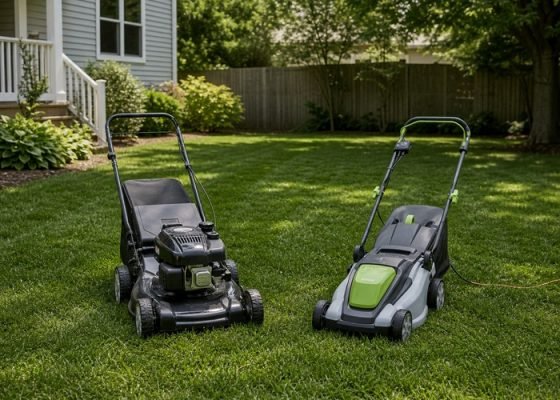
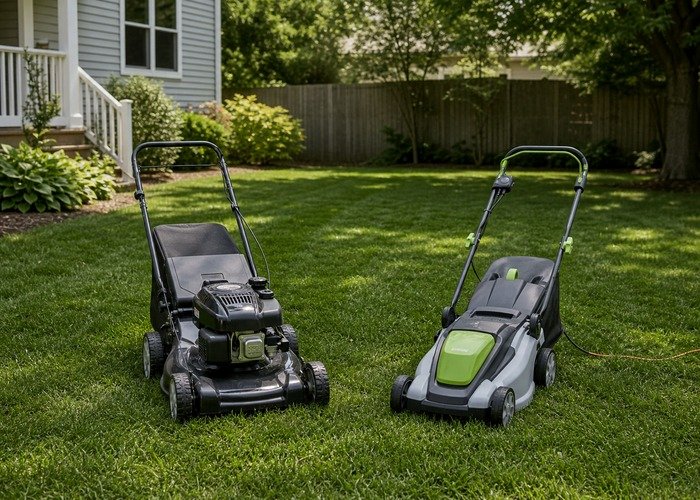
Gas and electric lawn mowers can both leave a clean lawn, but they fit different work patterns. Gas mowers bring fast refueling and familiar power for thick grass, long routes, and rougher use. Electric mowers bring quieter operation, simpler starting, less routine engine maintenance, and easier storage for many homeowners. The better choice is not the one that sounds newer or tougher. It is the mower that fits your yard size, grass growth, terrain, storage, maintenance habits, and tolerance for downtime.
This guide compares runtime, power, maintenance, noise, storage, safety, and buying fit without brand claims or price promises. If you are choosing equipment for a property rather than replacing one mower, keep the SeekMach product overview und SeekMach application solutions pages open so the mower decision fits the wider maintenance plan.
The most useful mower comparison begins with the property. Measure the mowing area, not just the lot size. Note slopes, gates, tight turns, wet spots, rough patches, thick grass, leaf buildup, storage distance, and how often you can mow. A small flat lawn near a garage favors a different setup than a large rural property with tall spring growth and long distance from an outlet.
Also think about the user. A lighter mower may matter for someone who lifts it into storage. A push-button start may matter for someone who dislikes pull starting. Fast refueling may matter for a crew that cannot wait for charging. Noise may matter in a dense neighborhood. The right mower is the one that reduces friction in the real mowing routine.
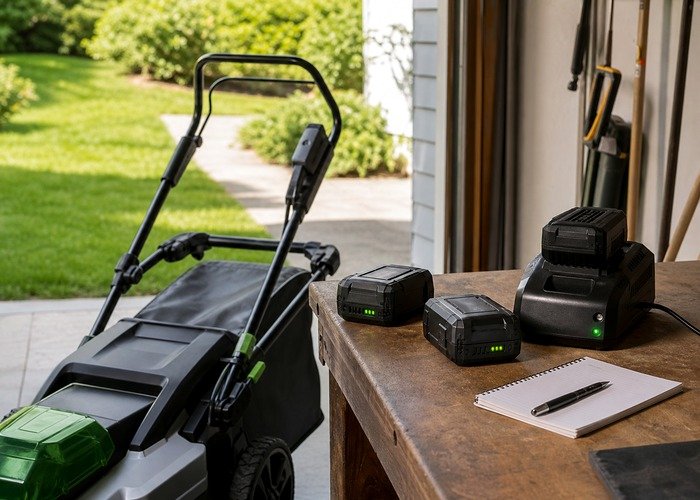
Runtime is where many buyers make assumptions. Electric mower runtime depends on battery capacity, grass height, moisture, blade sharpness, drive speed, self-propel use, terrain, temperature, and whether you mulch or bag. A mower that handles a tidy weekly cut may struggle if grass is wet, tall, or thick. Battery planning means knowing whether one pack finishes the yard or whether you need a second pack ready.
Gas runtime is easier to extend because refueling is quick, but fuel management has its own chores. You need fresh fuel, safe storage, seasonal planning, and engine maintenance. For homeowners who mow a predictable small lawn, charging batteries may be simpler. For large or irregular jobs, quick refueling can still be valuable. The EPA’s small equipment engine information at EPA small equipment engine regulations is useful background on small-engine equipment.
| Faktor | Electric mower advantage | Gas mower advantage |
|---|---|---|
| Starten | Push-button simplicity | Works without charged packs |
| Runtime extension | Add charged spare batteries | Refuel quickly |
| Wartung | No engine oil or spark plug routine | Familiar repair ecosystem |
| Noise | Usually quieter | Can be acceptable in open rural settings |
| Heavy grass | Varies by model and battery state | Often handles sustained heavy cutting well |
Power is not only motor type. Blade sharpness, deck design, cutting height, grass moisture, operator speed, and mowing frequency all affect cut quality. Electric mowers can perform very well on maintained lawns, especially when grass is cut regularly and batteries are healthy. Gas mowers often feel more forgiving when grass is tall, wet, or dense, but poor maintenance can make any mower cut badly.
If your lawn often gets ahead of schedule, think carefully. A mower that works only when conditions are perfect may frustrate you. Raise the cutting height, slow down, overlap slightly, and avoid wet mowing when possible. University of Minnesota Extension’s mowing practices for healthy lawns explains why mowing height and frequency matter for lawn health, not only machine performance.
Electric mowers reduce several traditional maintenance tasks. There is no gasoline engine oil change, spark plug, carburetor, or fuel stabilizing routine in the same way as a gas mower. You still need blade sharpening, deck cleaning, battery care, wheel checks, fastener checks, and safe storage. Battery care is not nothing. Heat, cold, moisture, physical damage, and poor charging habits can reduce performance.
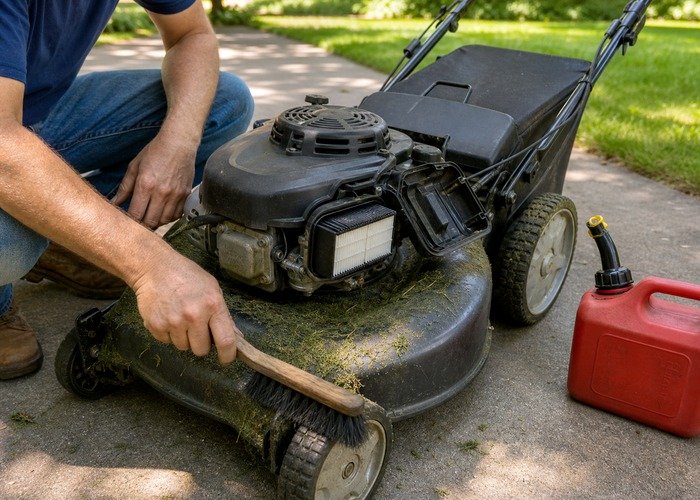
Gas mowers require more engine maintenance: oil, air filter, spark plug, fuel freshness, carburetor care, pull cord or starter system, and seasonal storage. The upside is that many repair shops and experienced owners understand gas mower service. If you already maintain small engines and have safe fuel storage, this may not feel difficult. If you avoid engine work, electric can remove a common source of frustration.
Electric mowers are usually quieter, which helps in neighborhoods, early evening mowing, and properties where hearing the surroundings matters. Gas mowers can be louder and may create more vibration. Noise is not only comfort; it affects communication, fatigue, and awareness. The CPSC lawn mower safety page at CPSC lawn mower safety is worth reviewing regardless of mower type.
Storage differs too. Many electric push mowers are lighter and may store vertically if the manual allows. Batteries should be stored as directed, away from extreme heat, moisture, and damage. Gas mowers need fuel-aware storage, ventilation, oil position awareness, and more attention before long idle periods. If storage space is tight, these practical details can decide the purchase.
Avoid reducing the decision to fuel cost alone. Electric mowers may reduce fuel and engine service chores, but batteries age and replacement planning matters. Gas mowers may be cheaper to keep running for owners who already maintain small engines, but stale fuel and seasonal starting issues can waste time. The right comparison is total ownership friction: charging, refueling, cleaning, sharpening, repairs, storage, and whether the mower starts when the grass needs cutting.
For a small predictable lawn, electric often wins on simplicity. For a large property, rough terrain, infrequent mowing, or continuous use, gas may still be practical. For larger maintained grounds, riding or zero-turn formats enter the discussion, and the SeekMach product overview page can help frame mower choice alongside other property machines.
Both mower types can throw debris, cut hands and feet, start unexpectedly if handled incorrectly, and create hazards on slopes. Do not remove guards, mow toward people, clear clogs while powered, or work under a mower without disabling it according to the manual. Electric mowers add battery and charging safety. Gas mowers add fuel handling, hot surfaces, and exhaust awareness.
OSHA’s landscaping hazards page at OSHA landscaping hazards and solutions is written for work settings, but the habits apply broadly: inspect the area, control bystanders, wear appropriate protection, and respect slopes and thrown objects. Wikipedia’s lawn mower definition is basic background, but safe operation depends on the manual and the job site.
The first mistake is buying an electric mower based on best-case runtime without considering tall grass, self-propel use, heat, or battery age. The second mistake is buying gas because it feels powerful, then neglecting fuel and engine maintenance. The third is ignoring storage. The fourth is choosing a mower too wide for gates or too heavy for the person who uses it. The fifth is comparing machines in clean showroom conditions instead of the worst week of your mowing season.
Another mistake is forgetting cut quality basics. A sharp blade, correct height, clean deck, and regular mowing schedule matter more than many buyers expect. If your current mower performs poorly, diagnose whether the issue is power, blade condition, deck clogging, operator speed, or mowing frequency before replacing it. Sometimes a maintenance reset changes the entire comparison.
Choose electric when your lawn is small to medium, mowing is regular, storage is tight, noise matters, and you prefer low engine maintenance. Choose gas when the mowing area is larger, grass often gets tall, quick refueling matters, service familiarity is important, or battery logistics would interrupt the job. For mixed properties, the best answer may be electric for finish mowing near the house and other equipment for rougher property work.
A mower should make the weekly routine easier, not create a new bottleneck. Match the machine to yard size, grass behavior, storage, maintenance comfort, and the user’s physical needs. For broader property planning, compare mower fit through the SeekMach product overview und SeekMach application solutions pages before buying.
A homeowner with a small, flat, regularly cut lawn and a garage outlet is often a strong electric mower candidate. The job is predictable, the machine can charge where it is stored, and quieter operation may matter to neighbors. The owner should still confirm battery runtime with margin, because a mower that barely finishes in spring may struggle when grass grows faster after rain.
A rural owner with a larger yard, rough edges, long intervals between cuts, and limited charging access may still prefer gas. Fast refueling and sustained cutting can matter more than reduced engine maintenance. That owner should be honest about fuel storage, oil changes, air filters, spark plugs, and seasonal starting habits. A gas mower that is neglected will not feel convenient for long.
A property manager or grounds crew should look beyond one mower. Battery platforms can simplify storage and reduce noise in sensitive areas, but crew workflow depends on charged packs, backup batteries, and predictable routes. Gas machines may handle long continuous work, but fuel handling and engine service add their own routine. The best choice is usually the one that keeps the route moving with the fewest interruptions.
If possible, test a mower on grass similar to your own. Do not judge only on a short clean strip. Try a normal mowing height, a slightly thick patch, a slope, a turn around obstacles, and the storage path. For electric mowers, note how battery charge changes during real work. For gas mowers, notice vibration, starting effort, noise, and whether maintenance access is simple enough that you will actually do it.
After the test, ask what bothered you. If it was charging anxiety, electric may need more battery capacity. If it was pull-starting, gas may not fit the user. If it was weight, deck width, or storage, motor type may be less important than physical design. A good mower feels manageable on the hardest part of your regular route, not only on the easiest pass.
Many gas-versus-electric debates ignore the blade. A dull blade makes either mower seem weak, tears grass instead of cutting it, and can increase battery draw or fuel use. Keep a sharpening schedule, inspect for bends or cracks, and replace damaged blades rather than forcing the mower through poor cutting conditions.
Deck cleanliness matters too. Packed wet clippings reduce airflow, hurt mulching performance, and make the mower work harder. Clean the deck safely according to the manual after difficult cuts. A well-maintained electric mower and a well-maintained gas mower are much easier to compare than two neglected machines.
Many are powerful enough for maintained small and medium lawns. Tall, wet, or dense grass increases battery draw and may favor a stronger setup.
Lifespan depends on build quality, maintenance, storage, usage, and battery health. Do not judge by motor type alone.
Enough to finish your real mowing area under normal grass conditions, with margin for heat, self-propel use, and battery aging.
Often, because quick refueling helps continuous work, but some large yards may fit battery systems if runtime and charging are planned.
Electric mowers usually need less engine-related maintenance, but both types need blade, deck, wheel, safety, and storage care.
– CPSC lawn mower safety – University of Minnesota Extension mowing practices – EPA small equipment engine regulations – OSHA landscaping hazards and solutions – Lawn mower definition – Gas vs electric lawn mower video – Homeowner discussion search on mower choice