Telephone/WhatsApp:+86 156 2656 0610
Telephone/WhatsApp:+86 156 2656 0610
Email:info@seekmach.com

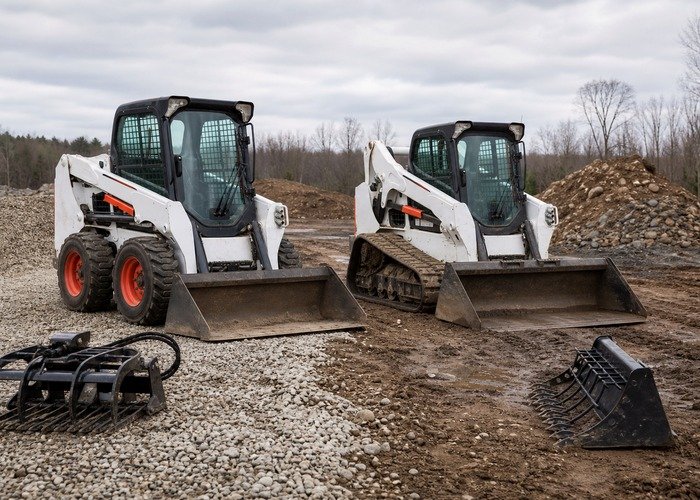
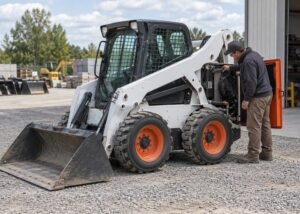
A skid steer loader and a compact track loader can run many of the same attachments, but they do not behave the same on the ground. Tires favor hard surfaces, speed, lower undercarriage complexity, and many yard or pavement tasks. Tracks spread weight, add traction, and help in soft soil, mud, slopes, and grading work. The right choice depends less on brand preference and more on where the machine spends its hours. Start with your surface, attachment list, and work cycle, then compare options through the SeekMach skid steer loader category and SeekMach product overview pages.
This comparison focuses on practical job fit. It avoids exact price claims because local markets, hours, condition, attachments, and service history change quickly. Instead, look at ground conditions, transport, maintenance habits, operator skill, and how often the machine moves between hard surfaces and soft ground. A loader that is perfect for grading a muddy lot may be inefficient in a paved material yard, and the opposite is also true.
| Фактор | Skid steer loader | Compact track loader |
|---|---|---|
| Ground contact | Tires and smaller contact patch | Rubber tracks and larger contact patch |
| Best surfaces | Concrete, asphalt, gravel yards, firm jobsites | Soil, mud, slopes, rough grading, soft ground |
| Surface impact | Can mark turf when turning sharply | Lower ground pressure but can still tear turf when pivoting |
| Travel feel | Often faster on hard surfaces | Stable and grippy, slower and more undercarriage-focused |
| Maintenance focus | Tires, wheels, chains or drive components | Tracks, rollers, idlers, tension, undercarriage cleaning |
The most important question is where the loader will work. A wheeled skid steer often makes sense in yards, barns, material handling areas, snow work on pavement, demolition cleanup on firm ground, and sites where speed between piles matters. A compact track loader often makes sense for site prep, grading, muddy access, loose soil, slopes, and tasks where traction matters more than travel speed.
Surface also affects safety and property damage. A fast machine on concrete can still be dangerous around people, pallets, trucks, and blind corners. A tracked machine on soft ground can still slide on slopes or damage finished turf when pivoting. OSHA’s mobile equipment guidance at OSHA mobile heavy equipment guidance is worth reviewing before treating either machine as simple.
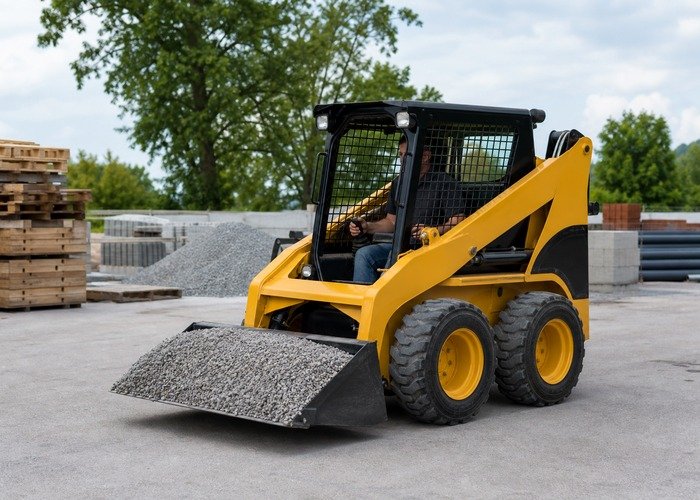
A wheeled skid steer is often the cleaner fit when the work is on hard ground. Material yards, barns, warehouses, paved snow routes, concrete demolition cleanup, pallet handling, and repeated short trips can favor tires. Tires can be easier to inspect, replace, and match to the surface. The machine may feel quicker when cycling between piles, trailers, and staging areas.
A skid steer is also attractive when the operator wants attachment flexibility without track undercarriage upkeep. Buckets, pallet forks, augers, brooms, snow pushers, grapples, trenchers, and many hydraulic tools can fit when the machine’s flow and rated operating capacity match the attachment. The SeekMach application solutions page can help sort work types before you commit to one carrier.
A compact track loader earns attention when traction and flotation matter. Tracks spread machine weight and can help on soft soil, muddy entrances, rough grading, slopes, and site preparation. When the task involves pushing, grading, or carrying across ground that would rut badly under tires, tracks may keep the work moving and reduce the need for constant recovery.
That advantage is not free. Tracks and undercarriage parts need cleaning, tension checks, roller awareness, and careful operation on abrasive surfaces. A tracked machine used mostly on concrete can wear quickly. A tracked machine also does not protect turf automatically. Sharp turns can still tear grass, especially when soil is wet or the operator pivots aggressively.
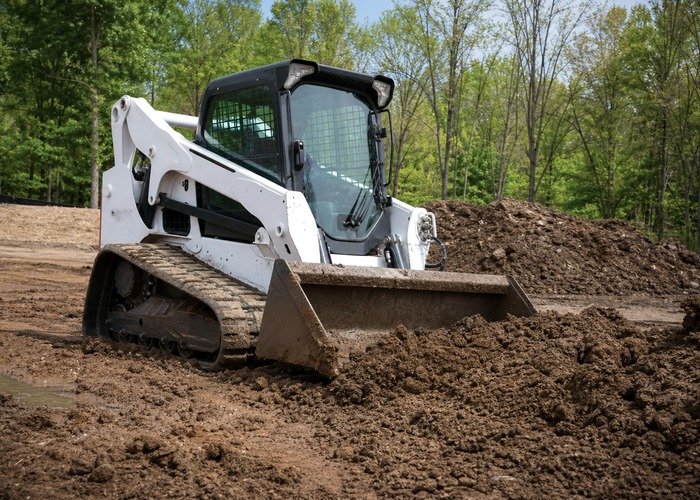
Tires can cut into soft ground and spin when traction is poor. Tracks can reduce ground pressure but may scuff turf during turns. The right answer depends on movement patterns. Long straight passes across soft soil may favor tracks. Tight turning on finished lawns may still require mats, careful steering, or a smaller machine. Hard surfaces may favor tires because the work is faster and the running gear is simpler.
Think about cleanup. A tracked machine leaving a muddy site can carry soil into the road or trailer. A wheeled machine may carry less mud but may rut the job. Ground protection mats, planned travel lanes, and staging piles often matter as much as the loader type. The better machine is the one that lets the operator work deliberately, not the one that encourages rushing.
Skid steer tires are visible and familiar, but they still need attention: pressure, cuts, sidewall damage, tread pattern, wheel hardware, and surface match. Solid tires, pneumatic tires, and specialty tires all change comfort, traction, and cost. A tire problem can stop work, but inspection is straightforward and many operators understand the routine.
Track maintenance is more involved. Track tension, cuts, missing lugs, roller condition, idlers, sprockets, packed mud, and abrasive wear all matter. Cleaning the undercarriage after muddy work is not optional if the machine needs to stay reliable. The maintenance burden may be justified on soft ground, but it should not be ignored during purchase planning.
Both machines can run many attachments, but attachment performance changes with traction and stability. A brush cutter, trencher, auger, grapple, snow pusher, or heavy bucket may demand more than simply connecting hoses. Hydraulic flow, cooling, machine weight, rated operating capacity, and ground contact all affect results. A tracked loader may push and grade better in loose ground. A wheeled skid steer may move quickly with forks on pavement.
If attachments are the reason for buying, build a list in order of frequency. Do not buy for the rarest attachment first. Match the core work to the machine, then verify the occasional tool. The SeekMach skid steer loader category page is the natural internal reference point for this decision because the loader carrier and attachment plan should be considered together.
Machine choice also affects how the operator works. A wheeled skid steer can feel lively and fast on firm ground, which is useful in material handling but can increase risk if the site is crowded. A compact track loader can feel planted in loose ground, which helps grading, but it can encourage operators to work in places that still require slope and stability judgment. Visibility, mirrors, cameras, spotters, and site rules matter for both.
NIOSH struck-by resources at NIOSH struck-by safety apply directly. Loaders operate around trucks, piles, attachments, and workers on foot. The machine style does not remove the need for exclusion zones, seat belt use, lowered attachments when parked, and careful backing habits.
Operator comfort should be part of the comparison as well. A machine that shakes the operator on hard ground, feels unstable in mud, or forces poor visibility around the attachment will slow the job even if the specs look strong. Test entry and exit, control response, sight lines to the cutting edge, and how easy it is to communicate with a spotter before treating either loader as the obvious choice.
For paved snow removal, a wheeled skid steer with the right tires and attachment can be efficient because speed and surface durability matter. For muddy site prep after rain, tracks may keep production moving when tires would spin. For gravel yard loading, tires may be economical and quick. For turf work, neither machine is automatically gentle; route planning, ground moisture, turning style, and mats decide the final surface impact.
For landscaping, the answer often changes during the project. Early rough grading may favor tracks. Later material staging on a driveway may favor tires. If one machine must handle both, choose based on the highest-frequency work and manage the weaker phase with mats, timing, or alternate equipment.
The first mistake is choosing tracks because they look more capable, then using the machine mostly on abrasive hard surfaces. The second is choosing tires because they are familiar, then working all season in mud and slopes. The third is ignoring hydraulic flow and rated operating capacity while focusing on ground contact. The fourth is buying a machine for an attachment that will only be used a few days per year.
The fifth mistake is skipping a test on real ground. A brief demo on a flat lot does not show rutting, traction, turning damage, loading angle, or operator fatigue. If possible, test the machine with the attachment and surface that represent your hardest regular job. Record what slowed the work and what required cleanup afterward.
Choose a wheeled skid steer when the work is mostly hard surface, material handling, pavement snow, barns, yards, and fast cycling. Choose a compact track loader when the work is mostly soft ground, rough grading, muddy access, slopes, and traction-heavy pushing. If your work is split, choose for the most common revenue or property-maintenance task, then manage the exceptions. Compare equipment categories on SeekMach product overview and application fit on SeekMach application solutions before treating one carrier as universally better.
A skid steer and a compact track loader are both useful only when the machine fits the ground. Tires and tracks are not just running gear; they define how the loader interacts with the site, the surface, the operator, and the maintenance schedule.
A contractor yard with pallets, bins, gravel, and trailers may get more daily value from a wheeled skid steer. The work happens on firm surfaces, the loader cycles quickly, and tire inspection is straightforward. Tracks may still work, but they can add undercarriage wear without solving a major ground problem. In this profile, good tires, visibility, attachment fit, and operator traffic rules matter more than flotation.
A landscape crew shaping new lots after rain may lean toward a compact track loader. The work requires pushing, grading, and crossing loose soil without getting stuck. Tracks can reduce rutting and keep the machine productive when tires would spin. The crew still needs to clean the undercarriage, avoid sharp turns on finished turf, and watch slope limits. Tracks improve the fit; they do not remove planning.
A property owner or small business with mixed work should rank jobs by frequency. If 70 percent of the hours are driveway snow, material handling, and barn cleanup, a wheeled skid steer may be the practical base machine. If 70 percent of the hours are site prep, soft soil, rough grading, and muddy access, a compact track loader may earn its upkeep. For a true split, renting the less common carrier for occasional jobs can be cleaner than forcing one machine to do everything poorly.
It is better on many soft-ground and grading jobs, but not automatically better on pavement, hard yards, or fast material handling routes.
Tracks can reduce ground pressure, but sharp turns on wet turf can still cause damage. Route planning matters.
Often yes, if coupler, hydraulic flow, rated operating capacity, and machine stability match the attachment.
A wheeled skid steer is often simpler around tires, while compact track loaders require more undercarriage attention.
– OSHA mobile heavy equipment guidance – NIOSH struck-by safety – Skid-steer loader definition – OSHA landscaping hazards and solutions – Public discussion search on loader choice – Skid steer versus track loader video