Telephone/WhatsApp:+86 156 2656 0610

Telephone/WhatsApp:+86 156 2656 0610
Email:info@seekmach.com

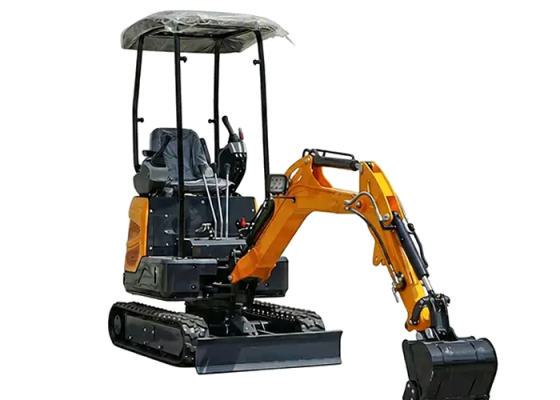
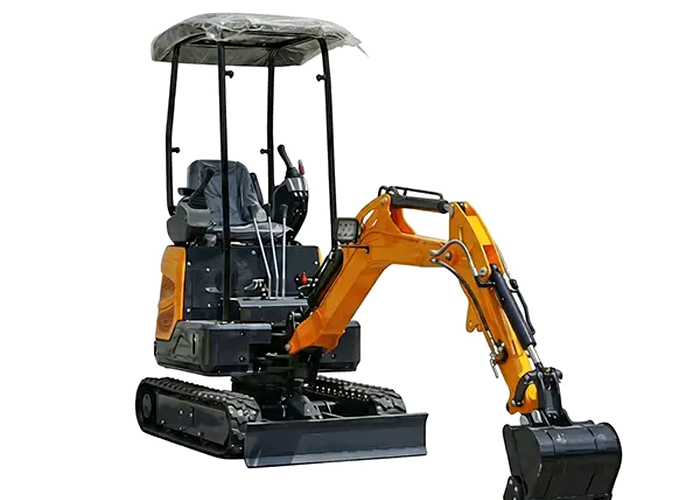
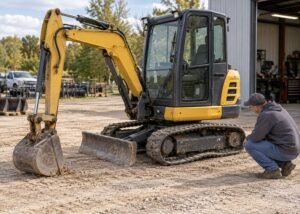
The first time someone sits in a mini excavator, the machine can feel both simple and strange. The bucket is right there. The trench line is right there. The levers move the boom, arm, bucket, and house, but the first few minutes can still feel like trying to pat your head and draw a straight line at the same time. That is normal. A mini excavator is compact, but it is not a toy. It rewards calm hands, good planning, and patience.
This guide is for beginners who need to use a mini excavator for backyard drainage, garden trenching, small landscaping, light ditch cleaning, or property maintenance. It is not a replacement for hands-on training or the operator manual. It is a practical way to think before the bucket hits the soil, especially if the work is happening near grass, stone paths, planting beds, fences, or buildings.
If you are comparing machines while reading, start with the SeekMach excavator category. But before you think about model choices, think about the operator’s workday. A beginner-friendly excavator job is planned so the operator can move slowly, see clearly, and avoid making the cleanup harder than the digging.
Good mini excavator work begins before the machine starts. Walk the site. Look at the entry path, the trench line, the soil pile area, the outlet, the slope, and anything that could be damaged. A small machine can still scrape a path, break an irrigation line, hit a fence post, or leave tracks in a wet lawn.
For backyard work, the site walk should answer six questions. Where does the machine enter? Where does it turn? Where does the bucket need to reach? Where will the soil go? Where will people stand? How will the machine leave after the work area is partly dug up? If any answer feels vague, the job is not ready.
Excavation safety deserves real attention, even on small jobs. OSHA’s trenching and excavation guidance is a useful reference for understanding why soil, trench depth, utilities, and people near the work area matter. A beginner should also check local requirements before digging and confirm utility locations when needed.
Do not start by trying to dig fast. Start by learning what each control does with the bucket low and the machine in a safe open position. Move one function at a time. Raise and lower the boom. Bring the arm in and out. Curl and uncurl the bucket. Swing slowly. Track forward and backward only when the area is clear.
The goal is not to memorize controls in a hurry. The goal is to build smoothness. Rough control makes rough trenches, rough grading, and rough cleanup. Smooth control lets the operator shave soil, set the bucket edge gently, and avoid hitting nearby surfaces.
Beginners often overcorrect. The bucket goes too deep, then too shallow. The machine swings too far, then snaps back. That improves with slow practice. Use small lever movements. Keep the bucket close to the ground when learning. If the job allows, practice in a low-risk soil area before working beside a path or planting bed.
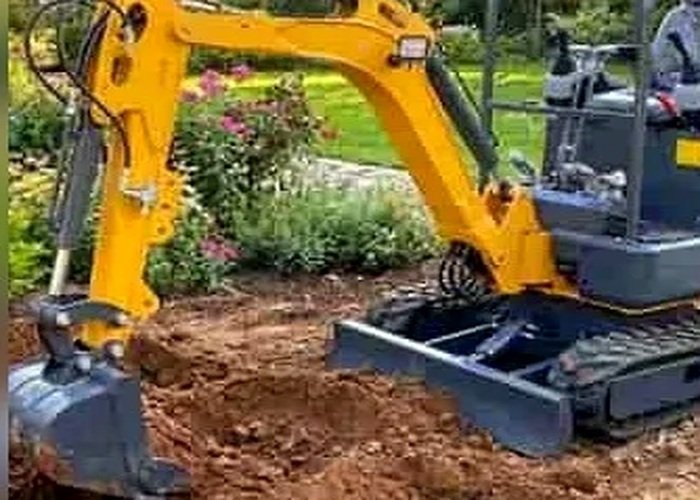
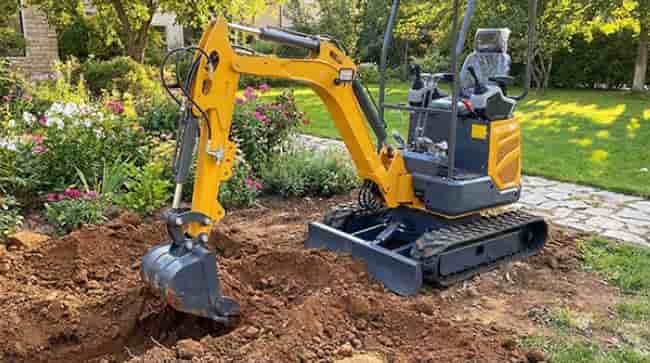
Imagine a homeowner or new landscaper using a mini excavator to open a shallow drainage trench beside a garden path. There is a lawn on one side, flowers on the other, and a stone path close enough that a careless bucket move could chip an edge. The job does not need aggressive digging. It needs careful positioning and clean bucket control.
In this scene, a beginner should not try to complete the whole trench in one fast pass. A better approach is to dig a short section, check depth, place soil neatly, reposition, and repeat. The bucket should enter the soil calmly. The operator should keep the trench line visible. The machine should move only when the bucket is secure and the path is clear.
That kind of slow rhythm may look less impressive, but it usually finishes cleaner. A beginner who works steadily can do less damage than an impatient operator trying to look experienced.
| Check | Why it matters | Beginner-friendly habit |
|---|---|---|
| Entry path | Prevents scraping, rutting, and tight turns. | Walk the exact route before driving in. |
| Bucket visibility | Clean digging depends on seeing the bucket edge. | Position the machine so the trench line is visible. |
| Soil pile area | Bad spoil placement blocks the job. | Choose the pile location before the first cut. |
| People nearby | Small machines still create serious risk. | Keep bystanders away from the swing and trench area. |
| Ground condition | Wet lawns and slopes can change machine behavior. | Avoid sharp turns on soft ground. |
| Exit route | The machine must leave after digging. | Keep the exit path open from the start. |
This checklist may seem basic, but basic is exactly what beginners need. Most messy excavation jobs are not caused by one big mistake. They are caused by several small decisions nobody made early enough.
The bucket does the actual work. For trenching, a beginner should focus on the bucket edge, not the machine body. Set the teeth into the soil gently. Pull smoothly. Curl the bucket as it fills. Lift only as much as needed. Swing slowly to the spoil area. Dump where the soil will not slide back into the trench or block the tracks.
If the bucket is too wide for the trench, the job creates extra soil and a wider repair area. If the bucket is too narrow, the job may take more passes but can be cleaner. For drainage and garden trenching, bucket choice affects the finished yard as much as the digging speed.
The SeekMach excavator application solutions page is helpful because it connects different excavator jobs with the kind of setup each job needs. A beginner should think by application: trenching, grading, ditch cleaning, garden work, or light demolition.
Before a beginner starts a real job, watching a related operating video helps. This YouTube video is a useful reference for basic mini excavator operation: mini excavator operating tips for beginners. Watch the pace. Notice how the operator positions the machine, controls the bucket, and avoids rushed movements.
Do not watch only the exciting part where soil moves quickly. Watch how the machine is lined up, how the bucket is placed, and how the operator resets after each pass. Good operation often looks calm because the hard thinking happened before the digging.
Stability is not only a concern for large machines. A mini excavator can become unstable if it is operated carelessly on slopes, soft ground, or uneven surfaces. Keep the blade positioned thoughtfully, avoid sudden swing movements with a loaded bucket, and do not overreach when the machine is not properly positioned.
Beginners sometimes try to stretch the machine instead of repositioning. That can lead to rough bucket control and poor trench shape. If the bucket is reaching too far, move the machine. A few careful repositioning steps are better than fighting the machine from a bad angle.
For general construction safety learning, NIOSH construction resources provide broader safety context. Even if the job is small, good habits scale up from small work.
Soil placement is where many beginners lose control of the job. The first few buckets seem harmless. Then the pile grows, the machine has less room, the trench edge starts to crumble, and the exit path becomes awkward. A beginner should decide the spoil area before digging and keep the pile tidy as the work continues.
For drainage work, think about backfill too. If the soil will be reused, keep it clean and reachable. If gravel, pipe, or fabric will be installed, leave space for those materials. If the job is near a path or lawn, avoid scattering soil everywhere. A neat spoil pile makes the whole job feel more professional.
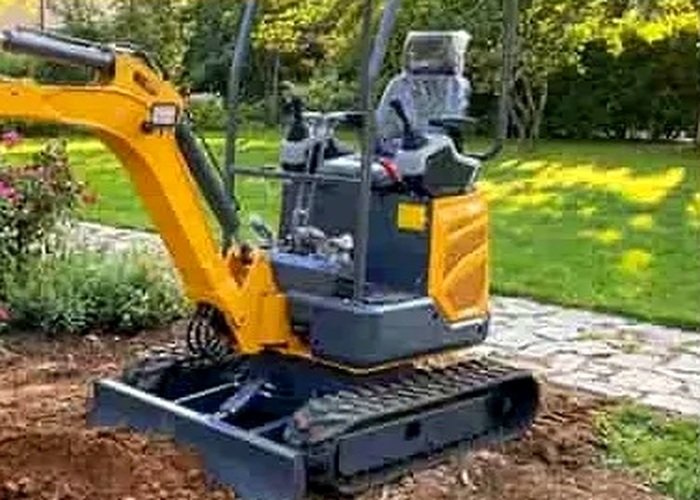
Beginners often want to open the full trench first and clean it later. On a small property, that can create a crowded mess. Working in short sections is usually easier. Dig a section, check the line, manage the soil, adjust depth, and then move forward.
This method also helps with learning. The operator gets feedback every few feet instead of discovering at the end that the trench is too wide, too shallow, or poorly aligned. Short sections are slower at first, but they reduce rework.
For backyard drainage, short sections also protect the property. The machine spends less time driving around open trench edges, and the operator can keep the work area organized.
The first mistake is digging too aggressively. A mini excavator can remove soil quickly, but fast digging is not the same as good digging. Start shallow and correct gradually.
The second mistake is swinging with a full bucket too quickly. Slow swing movement gives the operator more control and keeps soil from spilling where it does not belong.
The third mistake is turning sharply on soft lawn. Tracks can leave marks, especially after rain. Plan the travel path and avoid unnecessary turns.
The fourth mistake is ignoring the bucket angle. A poor bucket angle can gouge the trench, leave a rough base, or make grading harder.
The fifth mistake is waiting until the end to clean up. A cleaner job is built during the digging, not after everything is messy.
A beginner should reposition when the bucket is no longer easy to see, when the machine is reaching too far, when the soil pile blocks movement, or when the trench line starts drifting. Stopping to reposition is not a failure. It is a sign that the operator is paying attention.
In tight yards, repositioning may take more time than digging. That is normal. A compact excavator is valuable because it can work in tight spaces, but it still needs careful movement. A rushed reposition can cause more damage than the digging itself.
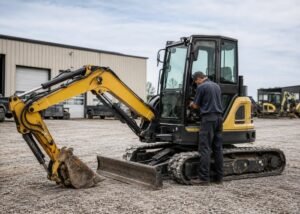
After the job, lower the attachment safely, shut down properly, and walk around the machine. Look for mud packed in the tracks, loose debris, visible leaks, hose damage, or soil caught around moving points. Check the bucket pins and cutting edge. If the machine worked in wet soil, clean it before mud dries hard.
For owners, this is part of protecting the machine. For contractors, it is part of showing professionalism. A clean machine is easier to inspect, easier to service, and easier to trust on the next job.
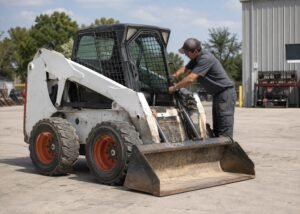
If your equipment plan includes more than digging, compare the SeekMach product overview. A погрузчик с бортовым поворотом may be better for carrying material, and a компактный трактор may be better for mowing, pulling, and implement work. The best machine depends on the work mix.
Mini excavator operation for beginners is not about moving fast. It is about planning the site, learning smooth controls, keeping the bucket visible, placing soil neatly, and stopping before a small mistake becomes a large cleanup job. In a backyard or small jobsite, clean work matters more than dramatic digging.
Start with the site walk. Practice the controls slowly. Work in short sections. Keep people away from the machine and trench. Watch the bucket, manage the soil, and inspect the machine afterward. Those habits will make a beginner more confident and make the finished job look much better.
For more job-based equipment ideas, visit SeekMach product application solutions.
The basic controls can be learned with practice, but clean work takes patience. Beginners should move slowly, practice in a safe area, and avoid rushing near finished surfaces.
Walk the site, check access, plan the soil pile, keep people away from the work zone, and confirm underground utilities where needed.
The bucket shapes the trench, controls how much soil is removed, and affects cleanup. Smooth bucket control creates cleaner work.
Usually no. Working in short sections gives better control and makes it easier to correct depth, alignment, and soil placement.
Yes, if the site is suitable and the operator works carefully. Tight access, wet ground, slopes, and nearby paths or beds require extra caution.
Check tracks, hoses, bucket pins, grease points, visible leaks, mud buildup, and debris around moving parts.