Telephone/WhatsApp:+86 156 2656 0610

Telephone/WhatsApp:+86 156 2656 0610
Email:info@seekmach.com

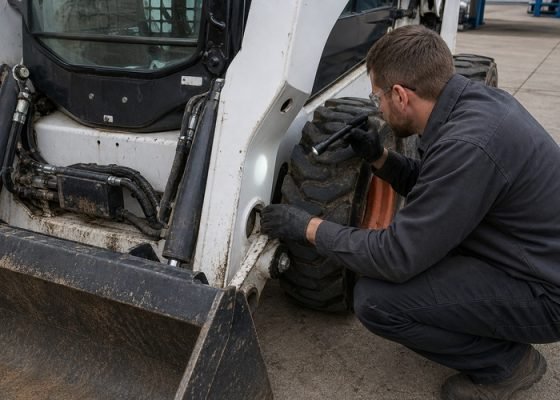

A skid steer can move from dust to mud, demolition debris, fertilizer, snow, and paved yards in the same week. That versatility concentrates wear in tires, quick couplers, lift-arm pins, cooling screens, hoses, filters, and attachment locks. A short inspection performed consistently is more valuable than a long checklist used only after a warning light appears.
This maintenance plan is organized by daily, weekly, hour-based, and seasonal work. It supplements the machine and attachment manuals; those documents control fluids, intervals, torque, lift-arm support, and service procedures. Use the SeekMach skid steer loader category to match the checklist to the loader and attachments being evaluated.
Stop and tag out any machine with a damaged restraint, uncontrolled movement, a high-pressure leak, an insecure attachment, overheating, abnormal noise, or a warning that the manual treats as critical. Maintenance is not a reason to work beneath unsupported lift arms or reach through the operator enclosure.
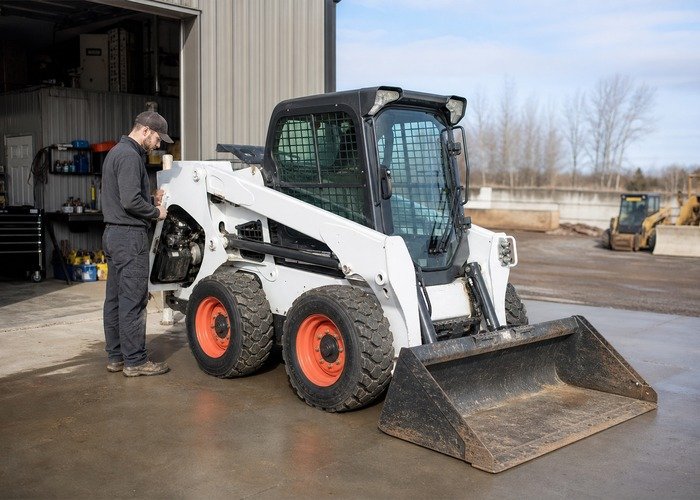
Begin with the machine parked level, attachment lowered, engine off, key controlled, and stored pressure relieved as instructed. Walk the same direction every time so skipped items become obvious. For related machine and attachment choices, use the SeekMach product overview as a second reference. The University of Virginia skid steer program provides useful independent background for this part of the check.
The practical way to evaluate this point is to write down the job, the operating condition, and the limit that would stop the work. Do not compare a single brochure number in isolation. Check the operator’s manual, attachment instructions, ground conditions, access width, transport plan, and the skill of the person who will use the machine. A combination that works only at its maximum rating leaves little room for wet material, a slope, wear, or an imperfect load.
Consider this field example: A damp hose covered in dust may reveal a seep before the reservoir level falls or the hose fails during a lift. The useful answer comes from the whole work cycle—setup, approach, productive pass, turning, travel, cleanup, and storage—not from one impressive moment. If the task cannot be repeated calmly with good visibility and control, change the setup, reduce the load, or choose a different machine.
A common mistake is starting the engine first and letting noise, fan wash, heat, and hydraulic pressure hide a small problem. That shortcut usually transfers the problem somewhere else: extra passes, damaged turf, overloaded components, poor cut or trench quality, unsafe travel, or maintenance that is harder to perform. Record what happened during a test and use that evidence in the buying or service decision.
Check engine oil, coolant, hydraulic fluid, fuel-water separator, and other specified levels by the manual’s procedure. Clean around every cap and fitting before opening it. The NIOSH hydraulic safety resource provides useful independent background for this part of the check.
The practical way to evaluate this point is to write down the job, the operating condition, and the limit that would stop the work. Do not compare a single brochure number in isolation. Check the operator’s manual, attachment instructions, ground conditions, access width, transport plan, and the skill of the person who will use the machine. A combination that works only at its maximum rating leaves little room for wet material, a slope, wear, or an imperfect load.
Consider this field example: A small repeated hydraulic top-up can identify a leak trend even when no puddle forms because dust retains the fluid. The useful answer comes from the whole work cycle—setup, approach, productive pass, turning, travel, cleanup, and storage—not from one impressive moment. If the task cannot be repeated calmly with good visibility and control, change the setup, reduce the load, or choose a different machine.
A common mistake is mixing convenient fluids or wiping a dirty filler neck after the cap has already been removed. That shortcut usually transfers the problem somewhere else: extra passes, damaged turf, overloaded components, poor cut or trench quality, unsafe travel, or maintenance that is harder to perform. Record what happened during a test and use that evidence in the buying or service decision.
Inspect hoses along their full routed length for abrasion, cracking, blisters, exposed reinforcement, pinching, and wet fittings. Never search for a pinhole leak with a hand. For related machine and attachment choices, use the skid steer hydraulic flow guide as a second reference. The Penn State skid-steer safety guide provides useful independent background for this part of the check.
The practical way to evaluate this point is to write down the job, the operating condition, and the limit that would stop the work. Do not compare a single brochure number in isolation. Check the operator’s manual, attachment instructions, ground conditions, access width, transport plan, and the skill of the person who will use the machine. A combination that works only at its maximum rating leaves little room for wet material, a slope, wear, or an imperfect load.
Consider this field example: A hose that rubs only at full lift may look sound while parked, so observe routing through a controlled cycle from the operator seat. The useful answer comes from the whole work cycle—setup, approach, productive pass, turning, travel, cleanup, and storage—not from one impressive moment. If the task cannot be repeated calmly with good visibility and control, change the setup, reduce the load, or choose a different machine.
A common mistake is tightening a fitting under pressure or treating hydraulic injection as a minor cut instead of a medical emergency. That shortcut usually transfers the problem somewhere else: extra passes, damaged turf, overloaded components, poor cut or trench quality, unsafe travel, or maintenance that is harder to perform. Record what happened during a test and use that evidence in the buying or service decision.
Grease intervals change with dust, water, attachment shock, and duty cycle. Clean the fitting before applying the specified grease and inspect the joint while nearby. The OSHA skid-steer hazard bulletin provides useful independent background for this part of the check.
The practical way to evaluate this point is to write down the job, the operating condition, and the limit that would stop the work. Do not compare a single brochure number in isolation. Check the operator’s manual, attachment instructions, ground conditions, access width, transport plan, and the skill of the person who will use the machine. A combination that works only at its maximum rating leaves little room for wet material, a slope, wear, or an imperfect load.
Consider this field example: A bucket pivot used for grading may need attention sooner than the same joint on a machine that handles light pallets. The useful answer comes from the whole work cycle—setup, approach, productive pass, turning, travel, cleanup, and storage—not from one impressive moment. If the task cannot be repeated calmly with good visibility and control, change the setup, reduce the load, or choose a different machine.
A common mistake is pumping grease onto a dirty fitting and forcing grit into the joint, or ignoring a fitting that will not accept grease. That shortcut usually transfers the problem somewhere else: extra passes, damaged turf, overloaded components, poor cut or trench quality, unsafe travel, or maintenance that is harder to perform. Record what happened during a test and use that evidence in the buying or service decision.
Wheeled skid steers depend on matched tire diameter and condition because turning scrubs the tires and loads the drive system. Check pressure or solid-tire condition, tread, cuts, chunks, sidewalls, and wheel fasteners. For related machine and attachment choices, use the skid steer versus track loader guide as a second reference.
The practical way to evaluate this point is to write down the job, the operating condition, and the limit that would stop the work. Do not compare a single brochure number in isolation. Check the operator’s manual, attachment instructions, ground conditions, access width, transport plan, and the skill of the person who will use the machine. A combination that works only at its maximum rating leaves little room for wet material, a slope, wear, or an imperfect load.
Consider this field example: One underinflated tire changes effective rolling radius and can increase scrubbing, heat, and uneven wear during repeated turns. The useful answer comes from the whole work cycle—setup, approach, productive pass, turning, travel, cleanup, and storage—not from one impressive moment. If the task cannot be repeated calmly with good visibility and control, change the setup, reduce the load, or choose a different machine.
A common mistake is replacing one badly worn tire without checking diameter matching, wheel damage, and the cause of the original wear. That shortcut usually transfers the problem somewhere else: extra passes, damaged turf, overloaded components, poor cut or trench quality, unsafe travel, or maintenance that is harder to perform. Record what happened during a test and use that evidence in the buying or service decision.
Dust, chaff, seed, and demolition debris can block screens and coolers quickly. Inspect when the machine is cool and clean in the direction and with the method specified by the manual. The OSHA heat and equipment safety resources provides useful independent background for this part of the check.
The practical way to evaluate this point is to write down the job, the operating condition, and the limit that would stop the work. Do not compare a single brochure number in isolation. Check the operator’s manual, attachment instructions, ground conditions, access width, transport plan, and the skill of the person who will use the machine. A combination that works only at its maximum rating leaves little room for wet material, a slope, wear, or an imperfect load.
Consider this field example: A machine can run normally in the morning and overheat after dry grading fills the cooling stack with fine debris. The useful answer comes from the whole work cycle—setup, approach, productive pass, turning, travel, cleanup, and storage—not from one impressive moment. If the task cannot be repeated calmly with good visibility and control, change the setup, reduce the load, or choose a different machine.
A common mistake is blasting fragile fins at close range or opening a hot cooling system to chase a rising temperature. That shortcut usually transfers the problem somewhere else: extra passes, damaged turf, overloaded components, poor cut or trench quality, unsafe travel, or maintenance that is harder to perform. Record what happened during a test and use that evidence in the buying or service decision.
Use the hour meter and calendar because low-hour machines still age. Engine oil, fuel, hydraulic, air, and cab filters have different intervals and contamination triggers.
The practical way to evaluate this point is to write down the job, the operating condition, and the limit that would stop the work. Do not compare a single brochure number in isolation. Check the operator’s manual, attachment instructions, ground conditions, access width, transport plan, and the skill of the person who will use the machine. A combination that works only at its maximum rating leaves little room for wet material, a slope, wear, or an imperfect load.
Consider this field example: A snow machine may accumulate few annual hours yet experience condensation, cold starts, road salt, and long storage periods. The useful answer comes from the whole work cycle—setup, approach, productive pass, turning, travel, cleanup, and storage—not from one impressive moment. If the task cannot be repeated calmly with good visibility and control, change the setup, reduce the load, or choose a different machine.
A common mistake is extending every interval because the machine still feels powerful or replacing a filter without cleaning the surrounding housing. That shortcut usually transfers the problem somewhere else: extra passes, damaged turf, overloaded components, poor cut or trench quality, unsafe travel, or maintenance that is harder to perform. Record what happened during a test and use that evidence in the buying or service decision.
The loader and attachment form one operating system. Confirm locking wedges, electrical connectors, hydraulic routing, guards, cutting edges, teeth, and rated compatibility before work. For related machine and attachment choices, use the land-clearing attachment guide as a second reference. The CPSC machinery safety information provides useful independent background for this part of the check.
The practical way to evaluate this point is to write down the job, the operating condition, and the limit that would stop the work. Do not compare a single brochure number in isolation. Check the operator’s manual, attachment instructions, ground conditions, access width, transport plan, and the skill of the person who will use the machine. A combination that works only at its maximum rating leaves little room for wet material, a slope, wear, or an imperfect load.
Consider this field example: A correctly serviced loader remains unsafe when one attachment wedge is not fully seated or a hose is routed into a pinch point. The useful answer comes from the whole work cycle—setup, approach, productive pass, turning, travel, cleanup, and storage—not from one impressive moment. If the task cannot be repeated calmly with good visibility and control, change the setup, reduce the load, or choose a different machine.
A common mistake is assuming the cab indicator proves mechanical engagement without a visual check, or bypassing an interlock to save seconds. That shortcut usually transfers the problem somewhere else: extra passes, damaged turf, overloaded components, poor cut or trench quality, unsafe travel, or maintenance that is harder to perform. Record what happened during a test and use that evidence in the buying or service decision.
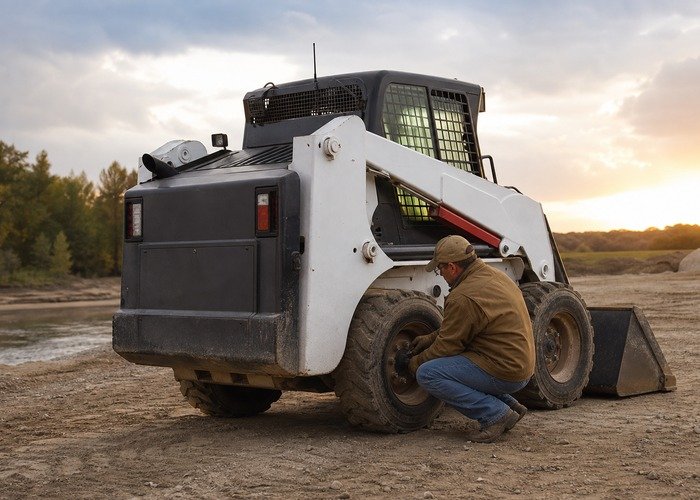
A consistent walkaround and function check often fits into the start of a shift, but time is not the quality measure. Stop long enough to investigate any change in leaks, levels, tires, pins, alarms, temperature, sound, or control response.
Only follow the manual’s service position and approved mechanical lift-arm support procedure. Hydraulic pressure alone is not support, and reaching between the frame and arms can be fatal.
Replace it when the manual or a qualified inspection identifies abrasion, exposed reinforcement, cracking, blistering, leakage, damaged fittings, or unsafe routing. Depressurize correctly and never test with bare skin.
Records expose repeated top-ups, recurring heat, tire wear, missed intervals, and component trends. They also make shift handoffs and future troubleshooting more reliable.
A usable skid steer checklist is short enough to repeat and detailed enough to catch change. Keep it with the machine, assign responsibility, and make failed items visible until repaired.
The operator’s senses are valuable data: new vibration, slower lift, rising temperature, steering change, or an unusual odor deserves a note even when no warning code appears.
For attachment planning, compare SeekMach compact equipment solutions and add each tool’s inspection points to the base-machine sheet.