Telephone/WhatsApp:+86 156 2656 0610
Telephone/WhatsApp:+86 156 2656 0610
Email:info@seekmach.com

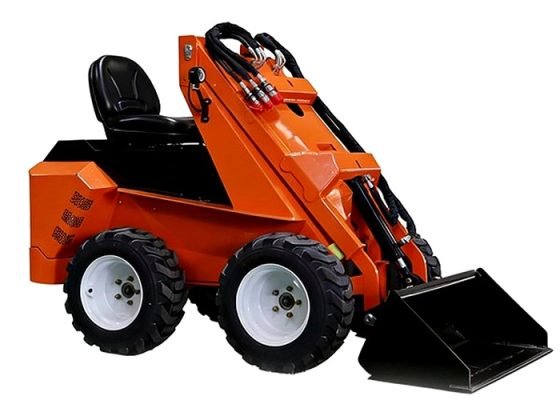
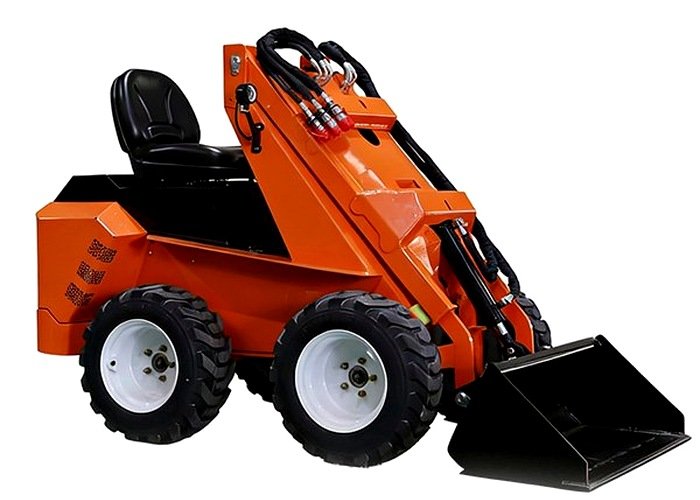
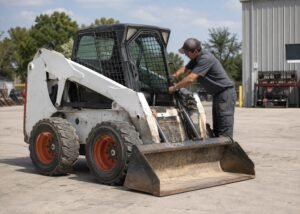
A skid steer loader is useful because it turns tight, changes tools, and handles short-cycle material work. But the wrong machine can feel frustrating quickly. It may lift enough on paper but feel unstable on rough ground. It may accept attachments but lack the hydraulic setup. It may fit the yard but leave the operator with poor visibility.
This guide focuses on the practical questions behind rated operating capacity, attachments, and jobsite flow. If you are comparing machines, open the SeekMach skid steer loader category and use the sections below as a field checklist.
OSHA’s mobile heavy equipment resources explain the risk of moving equipment around workers and changing site conditions: OSHA mobile heavy equipment guidance. NIOSH also publishes workplace safety material that is useful for thinking about visibility, struck-by hazards, and equipment movement: NIOSH safety resources.
For buyers, this means visibility, traffic flow, and load control are not minor details. They are part of whether the machine fits the site.
| Job | Spec to check | Real-world question |
|---|---|---|
| Pallet handling | Rated operating capacity | Can the loader carry the load low on the actual surface? |
| Bucket work | Bucket size and breakout force | Will the material be loose soil, gravel, wet clay, or debris? |
| Powered attachments | Hydraulic flow | Does the machine match the attachment requirement? |
| Tight cleanup | Visibility and turning room | Can the operator see people, edges, and truck sides? |
| Truck loading | Lift height and reach | Can it dump cleanly without awkward positioning? |
This table is more useful than comparing one number. Skid steer work is a cycle: approach, load, carry, turn, place, and back away. The whole cycle must feel controlled.
Buckets, forks, grapples, augers, sweepers, and trenchers all change what the loader can do. But each attachment has storage, maintenance, hydraulic, and weight requirements. A buyer should list the first-year attachments before choosing the machine.
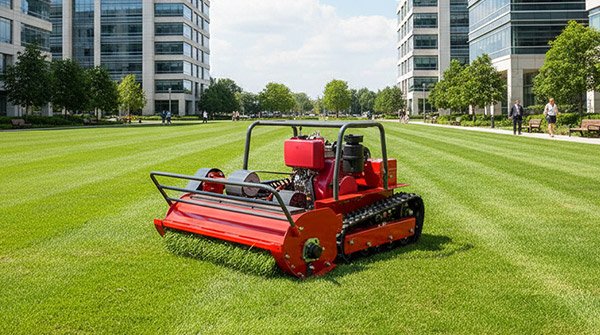
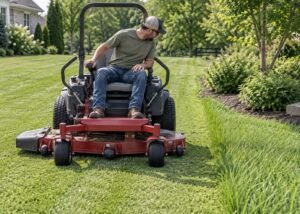
If the main work is digging trenches, compare an excavator for trenching. If the main work is mowing or pulling implements, a trattore may be better. A skid steer loader is strongest at compact loading and attachment-driven site work.
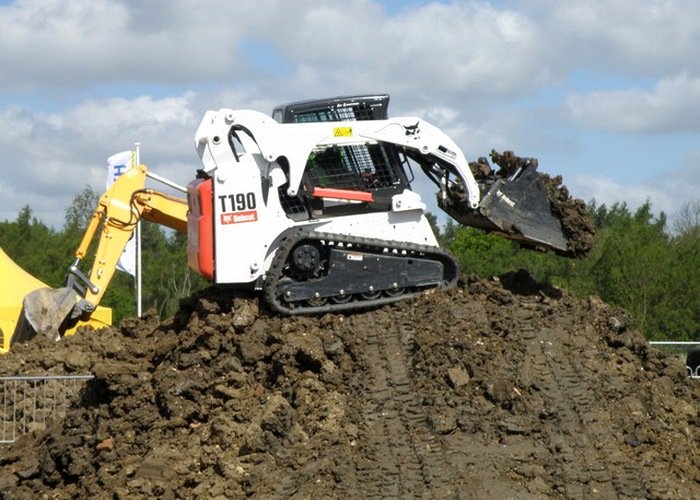
This related YouTube video is useful for understanding skid steer loader movement and material handling: skid steer loader material handling. Watch how the machine approaches the material, turns, carries the load, and places it.
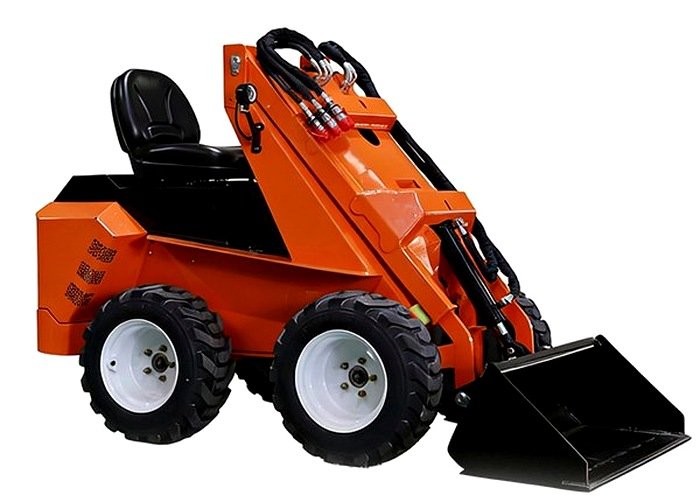
The first mistake is buying only by lift capacity. The second is ignoring hydraulic needs for attachments. The third is forgetting visibility. The fourth is using the same attachment for every job because changing tools is inconvenient.
Organize attachment storage and site traffic before the machine arrives. That one habit makes the loader more productive.
Choose a skid steer loader by matching ROC, hydraulic flow, visibility, lift height, attachment needs, and worksite traffic. For broader equipment matching, see SeekMach products E SeekMach application solutions.
It is a load-handling rating, but real performance also depends on surface, load center, attachment, and operator control.
Choose the attachment tied to repeated work: bucket, forks, grapple, auger, or sweeper.
Yes, but tight spaces demand good visibility and traffic control.
Sometimes for loader work, but tractors are usually better for pulling implements and acreage maintenance.
Inspect tires or tracks, hoses, pins, attachment couplers, leaks, and debris around moving parts.
Imagine a landscape yard with pallets of stone, loose mulch, gravel piles, and a truck waiting near the entrance. A skid steer loader seems like the obvious machine, but the right choice depends on more than lift capacity. The loader has to approach the pallet, carry it on the actual surface, turn without clipping stored material, and place it safely near the work area.
If the machine also runs a grapple, auger, or sweeper, hydraulic compatibility becomes part of the purchase. If the yard is crowded, visibility may matter as much as power. If the work happens all day, operator comfort becomes productivity.
| Cycle step | What can go wrong | Buying factor |
|---|---|---|
| Approach | Blind corners or tight access | Visibility and machine width |
| Load | Material too heavy or awkward | ROC, attachment match, load center |
| Carry | Uneven ground shifts weight | Stability and tires/tracks |
| Turn | Damage to surface or nearby material | Operator control and site layout |
| Place | Cannot reach truck or stack cleanly | Lift height and reach |
This table makes the buying decision more realistic because skid steer loader work is repetitive. Small weaknesses show up hundreds of times.
Ask what materials the loader will move most often. Loose soil, gravel, pallets, brush, and demolition debris all behave differently. Ask how high material needs to be lifted, how tight the site is, whether the ground is concrete, gravel, mud, or turf, and whether powered attachments will be used.
If the loader will work around people, trucks, walls, or stored materials, visibility becomes a serious buying point. If attachments change often, coupler convenience and storage layout matter. If the loader runs powered tools, hydraulic flow must be checked before purchase.
Use the ROC table to connect specs to real work. A load that is safe on flat concrete may feel very different on uneven dirt. A bucket that works for mulch may be poor for heavy wet material. A machine that turns tightly may still need a planned traffic route.
The cycle table is especially useful for contractors. If one step in the cycle is weak, the whole job slows down. The right skid steer loader should make the full work cycle predictable.