Telephone/WhatsApp:+86 156 2656 0610
Telephone/WhatsApp:+86 156 2656 0610
Email:seekmach@gmail.com

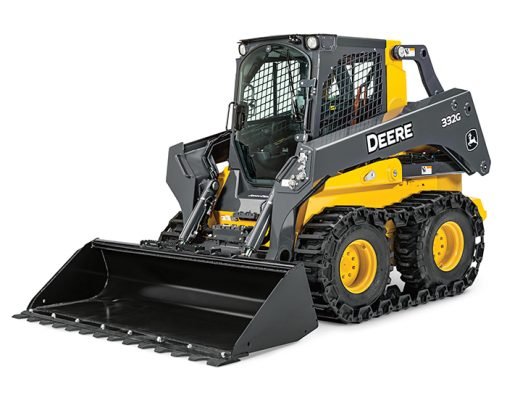
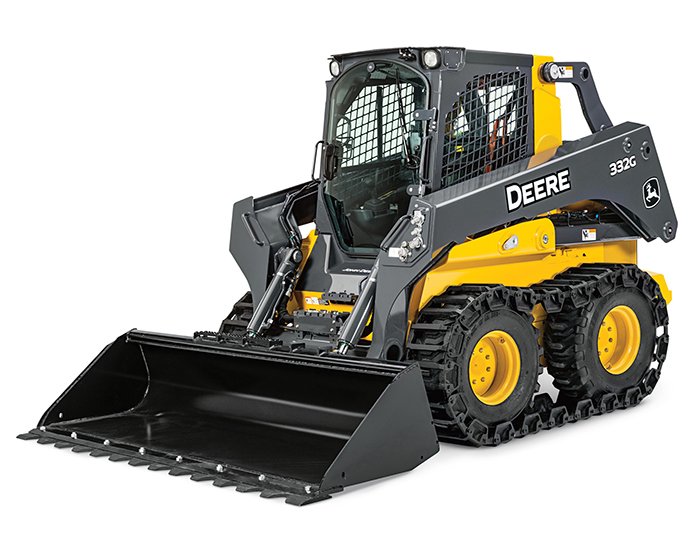
So you think a skid steer is just a bucket on wheels. That’s the most expensive misconception in modern fleet management.
What is a skid steer loader, exactly? At its core, it’s a compact, engine-powered machine with lift arms — but that definition barely scratches the surface. The real story is mechanical ingenuity: opposing wheels driven independently at variable speeds, creating a zero-radius turn that lets operators pivot on a dime. On congested urban job sites where space is measured in inches, not feet, that maneuverability isn’t a convenience — it’s a competitive advantage.
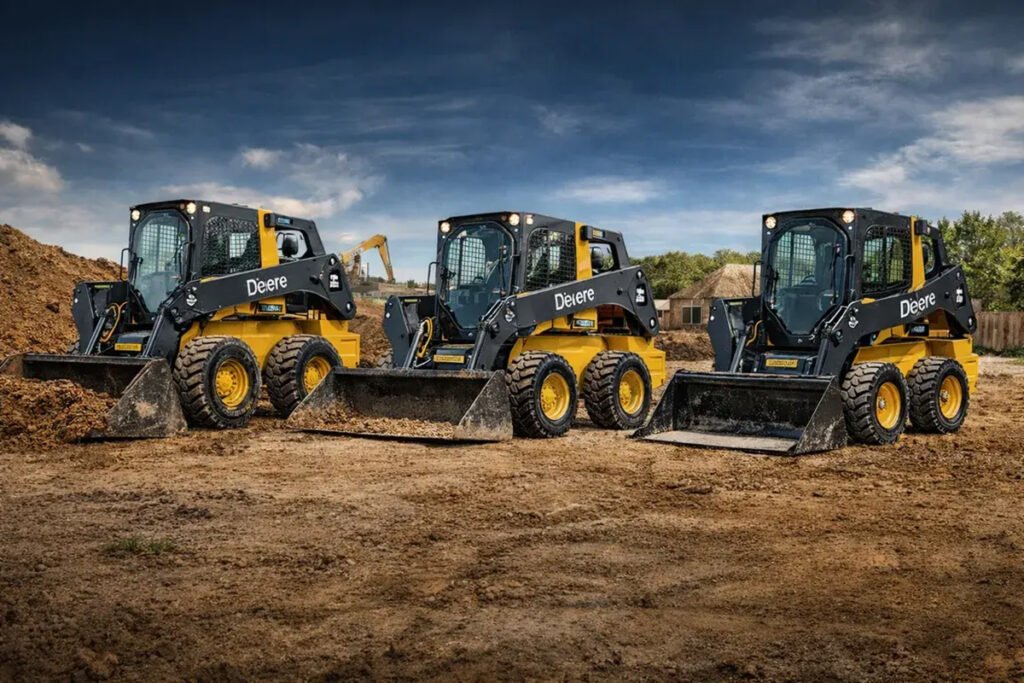
Skid steer loaders are projected to maintain the largest market share in the compact equipment segment through 2030, according to Grand View Research — a signal that the industry has voted with its wallets.
The machine’s true power, however, lives in its Universal Quick-Attach system. Swap a bucket for an auger, trencher, or hydraulic breaker in under two minutes, and you’ve transformed one machine into an entire fleet. Pair that with the expanding world of purpose-built add-ons, and the ROI case becomes undeniable.
Modern smart hydraulic systems are pushing this further still — pressure-sensing circuits that adapt output to the attachment in use, maximizing efficiency without operator guesswork. Understanding how that hydraulic energy is delivered, however, starts with the lift geometry underneath it all.
Understanding what’s happening above the cab matters just as much as what’s happening at the attachment. The geometry of a skid steer’s lift arm path is one of the most consequential — and most overlooked — spec decisions in fleet purchasing. Get it wrong, and you’re fighting the machine on every job.
| Lift Type | Ideale per | Key Advantage |
|---|---|---|
| Radial Lift | Grading, digging, ground-level work | Higher breakout force at low heights |
| Vertical Lift | Truck loading, high-reach dumping | Consistent reach throughout full lift |
A radial lift arm follows an arc through its range of motion, which means the bucket naturally curls forward as it rises. That geometry translates directly into higher breakout forces at lower lift heights — exactly what you need when you’re grading a site, digging trenches, or pushing material across uneven terrain. According to the Association of Equipment Manufacturers (AEM), radial lift designs provide superior breakout forces for ground-engaging tasks. For agricultural applications — think moving feed, scraping lots, or light earthwork — radial configurations are the practical default.
Vertical lift arms travel in a path that keeps the load closer to the machine throughout the entire raise cycle. The result is greater stability at full extension and a consistent reach that makes dumping into trucks or hoppers far more controlled. Construction fleets doing repetitive load-and-carry cycles will typically see higher productivity with a vertical lift machine.
Lift geometry also directly affects center of gravity. Radial machines shift weight forward aggressively at height, while vertical designs maintain a more neutral balance — a critical distinction when working on slopes or unstable ground.
That stability conversation gets even more interesting once you start comparing wheeled machines to tracked ones — which is exactly where the skid steer loader vs compact track loader debate takes center stage.
Now that you understand how lift path geometry shapes performance, there’s another decision that fundamentally changes what a machine can do — and where it can do it. Wheels or tracks? It sounds simple. The cost implications are anything but.
Wheeled skid steers are built for hard, stable surfaces. On asphalt, concrete, and compacted gravel, rubber tires deliver excellent traction, minimal ground disturbance, and a clean footprint. Tracks, on the other hand, distribute machine weight across a much larger surface area — that’s the flotation factor that makes compact track loaders (CTLs) indispensable in muddy, wet, or soft terrain where a wheeled machine would sink, spin, or tear up a customer’s lawn.
| Fattore | Skid Steer (Wheels) | Compact Track Loader |
|---|---|---|
| Hard surfaces | ✅ Excellent | ⚠️ Overkill |
| Soft/muddy terrain | ❌ Poor flotation | ✅ Purpose-built |
| Speed on paved sites | ✅ Faster, more agile | ⚠️ Slower |
| Ground disturbance | Basso | Very low |
Speed and agility favor wheels — period. On paved job sites, a wheeled machine moves faster between tasks, turns tighter, and handles repositioning with less effort. However, operating costs tell a more complex story.
Tire replacement on a wheeled skid steer typically runs $300–$800 per tire, but it’s a straightforward swap. Track maintenance involves monitoring undercarriage wear — sprockets, rollers, and the tracks themselves — which can push repair costs significantly higher over time. Understanding how tracks wear and fail before you commit to a CTL purchase can prevent expensive surprises.
In practice, fleet managers often discover that the “right” answer depends on their dominant job type. Landscaping, land clearing, and utility work in variable soil conditions almost always justify a CTL. Demolition, paving support, and warehouse work favor wheels.
The takeaway: choosing the wrong undercarriage for your primary terrain is one of the fastest ways to erode ROI. Once you’ve locked in the right platform, the next lever for maximizing returns is what you attach to it — and knowing how to change skid steer attachments quickly and safely across dozens of job types is where the real productivity gains live.
The real power of a skid steer isn’t the machine itself — it’s the ecosystem around it. Thanks to the universal quick-attach system, a single unit can legitimately operate over 100 different specialized attachments, transforming one purchase into an entire fleet’s worth of capability.
A versatile attachment library doesn’t just expand what a machine can do — it compresses the total cost of ownership across every job category.
⚠️ Hydraulic Safety First Always relieve system pressure before connecting or disconnecting hydraulic lines. Engage the parking brake, shut off the engine, and cycle the auxiliary control lever several times to bleed residual pressure. Never connect couplers under load.
Not every attachment runs on the same hydraulic demand. Standard-flow systems (typically 15–25 GPM) handle most everyday tools — buckets, forks, and light augers. High-flow systems (35+ GPM) are required for demanding attachments like cold planers, mulchers, and large-diameter auger drives. Mismatching flow to tool causes sluggish performance and premature wear — something worth considering alongside your machine configuration decisions on any equipment purchase.
This also ties back to the radial lift vs vertical lift discussion from earlier: vertical lift machines working in stacking or pallet applications pair especially well with high-flow attachments like grapples, where both reach and hydraulic power are demanded simultaneously.
Choosing which attachments to prioritize ultimately connects to another factor most buyers overlook: where the machine and its tooling actually come from — and what that means for long-term parts availability and support.
Skid steer productivity doesn’t stop at the jobsite — it starts the moment you decide where and how to source your equipment. As fleets scale up and municipal buyers demand tighter specs, the traditional dealer model increasingly reveals its weaknesses.
Every layer between the factory floor and your fleet adds markup. Dealer overhead, regional distributor fees, and inventory carrying costs can inflate the base machine price by 15–30%. For buyers managing multiple units — whether for rental fleets or construction crews — that gap compounds fast. Sourcing factory-direct eliminates those layers, redirecting savings into operator training, attachments, or preventive maintenance programs.
Quality isn’t optional when the machine is doing real work. ISO 9001 certification signals that a manufacturer operates under a verified quality management system, while CE certification confirms compliance with European safety and performance directives — critical for any international procurement. These aren’t paperwork formalities; they’re the difference between a machine that holds up under daily stress and one that quietly drains your service budget. If a supplier can’t provide both, that’s a risk not worth taking.
Municipal buyers and industrial operators rarely need a catalog-standard machine. Factory-direct relationships unlock OEM and ODM customization — modified hydraulic configurations, specialized lift capacities, or branded builds aligned to exact project requirements. Just as compact equipment specs vary meaningfully by application, skid steers benefit from spec-matching rather than spec-settling.
“Supply chain stability at scale requires more than pricing — it demands manufacturing infrastructure. Operating from a 50,000m² production facility means consistent output, reliable lead times, and the capacity to fulfill fleet-level orders without compromise.”
That kind of infrastructure reduces the sourcing risk that smaller operations routinely absorb without realizing it. With the fundamentals of sourcing covered, you likely still have specific operational questions — which is exactly what the next section addresses.
With proper maintenance, a skid steer can reliably reach 5,000 to 10,000 operating hours — often translating to 10 or more years of productive service. According to Boom & Bucket’s comprehensive overview, machine longevity depends heavily on consistent servicing, operating conditions, and build quality.
In most cases, yes. Many compact track loaders share the same universal quick-attach interface as wheeled skid steers, making attachments interchangeable across both platforms. If you’re evaluating which machine fits your site, this compact loader comparison resource breaks down the key differences worth considering.
A practical standard is inspecting hydraulic fluid and filters every 250–500 hours, though your operator’s manual is the definitive guide. Neglecting hydraulic system maintenance is one of the fastest ways to turn a minor issue into a costly repair.
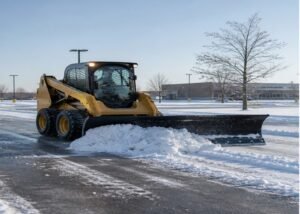
Radial lift is generally preferred for snow removal because it offers stronger breakout force at mid-range heights — ideal for pushing and stacking snow efficiently. Vertical lift arms shine in material-loading tasks requiring height, making them less critical for ground-level snow work.
The bottom line: A well-sourced, properly maintained skid steer isn’t just a machine — it’s a long-term ROI engine that earns its place in any modern fleet.