Telephone/WhatsApp:+86 156 2656 0610

Telephone/WhatsApp:+86 156 2656 0610
Email:info@seekmach.com

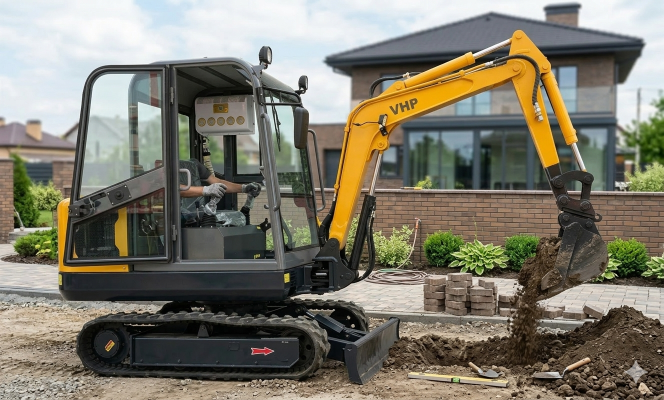
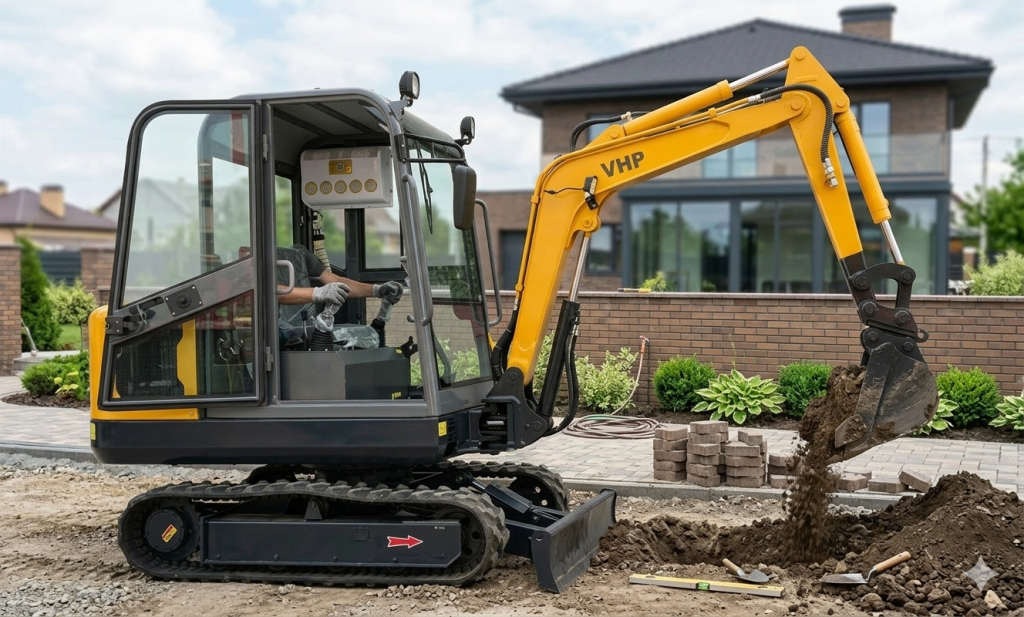
The SM-30Eco 3-ton excavator demonstrates how smart engineering and operational practices can significantly reduce fuel costs while maintaining job site productivity.
• Fuel efficiency drives profitability: With fuel representing 35-45% of total operating costs, choosing an efficient excavator like the SM-30Eco can save USD 5,000-12,000 annually compared to standard models.
• Smart design reduces consumption: The SM-30Eco’s 3000kg operating weight and advanced engine options consume only 4-5L/hour, positioning it favorably against competitors requiring 8-9 gallons hourly.
• Operator technique matters significantly: Proper digging angles (30-45 degrees), maintaining 80% max engine speed, and keeping hydraulic temperatures at 50-70°C can reduce fuel consumption by 20%.
• Quick payback on efficiency investment: Despite higher upfront costs, fuel-efficient models typically pay for themselves within three years through reduced operating expenses.
• Daily maintenance maximizes savings: Well-maintained excavators consume 5-10% less fuel, with simple practices like regular air filter changes preventing up to 10% consumption increases.
The combination of efficient engineering and smart operational practices transforms fuel costs from a major expense into a competitive advantage for construction businesses.
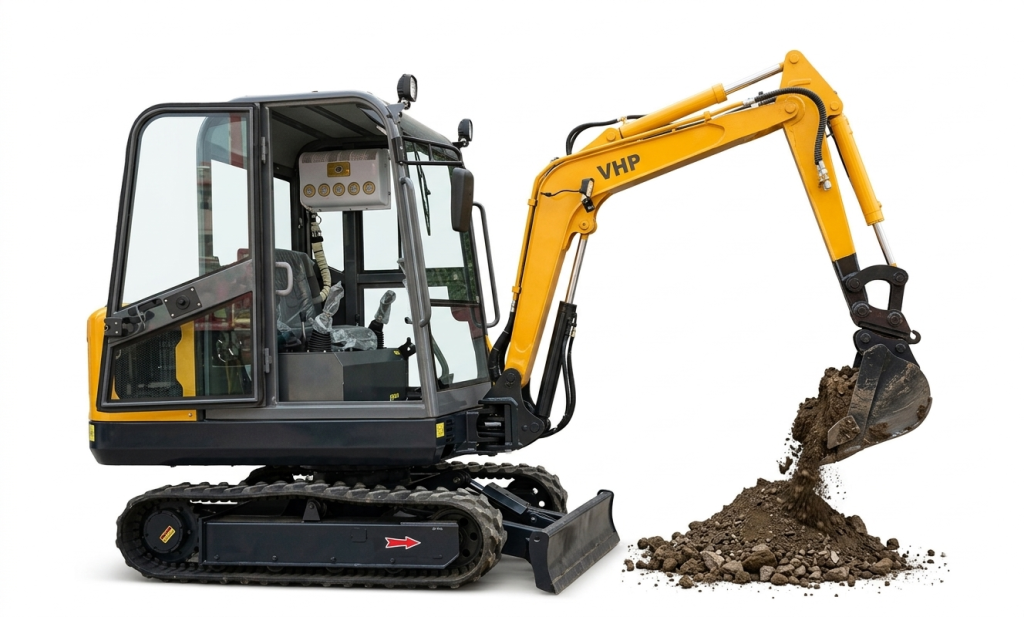
Your 3.0 ton excavator can be a significant source of fuel expenses, but the right machine changes that equation. With fuel costs continuously impacting project budgets, choosing an efficient mini excavator becomes essential for maintaining profitability on construction sites. The SeekMach SM-30Eco addresses this challenge by combining a 3000 kg operating weight with a high-performance engine generating 22.1 kW at 2200 rpm, delivering strong torque while optimizing fuel consumption. Coupled with an advanced hydraulic system providing a 24/24 L/min flow rate, this 3 ton excavator maintains productivity without excessive fuel burn. This article breaks down the specific fuel consumption factors affecting excavators, analyzes the SM-30Eco’s efficiency-focused technical specifications, and provides real-world cost savings projections to help you understand how this machine reduces operating expenses on your job sites.
Multiple mechanical and operational variables determine how much fuel your 3 ton excavator consumes during daily operations. Understanding these factors helps you make informed decisions about equipment selection and operational practices.
Engine size and displacement directly correlate with fuel consumption rates. Standard 3 ton excavators typically consume 3-4L/hour during operation. Modern engines achieve greater power density, delivering more horsepower per cubic centimeter of displacement compared to older designs. This advancement means smaller, lighter engines now handle work previously requiring larger powerplants.
The torque curve shape matters considerably for fuel efficiency. Excavators rarely operate at full rated power; instead, they function in mid-RPM ranges where torque delivery becomes critical. Average power requirements run considerably lower than peak power requirements, yet peak negative power during lowering and decelerating can reach levels similar to rated engine power.
Hydraulic systems bear responsibility for significant fuel consumption, though the complete machine deserves examination rather than blaming hydraulics alone. Current excavators achieve only 30% efficiency, with approximately 70% of engine energy wasted in the fluid power system.
Each actuator creates independent demand profiles for pressure and flow rate. Some actuators need high pressure with low flow rate, while others require low pressure with high flow rate. This variation forces the system to work harder, increasing fuel burn. Metering losses from throttling valves and inability to recover energy during boom lowering or swing braking further compound inefficiency.
Operating weight places direct strain on your excavator’s engine and hydraulic components. Excessive weight forces the engine to generate more power for identical tasks, burning additional fuel. When you overload the bucket beyond optimal capacity, the engine works harder to lift extra material.
Terrain type significantly influences consumption patterns. Working in loose soil maintains baseline fuel usage, while rocky or compacted ground increases consumption by up to 25%. Operating on slopes demands more power to overcome gravity, pushing fuel usage toward higher ranges even during routine tasks. Proper load assessment and avoiding overload operations improve fuel efficiency while preventing premature component wear.
Specific engineering choices in the SM-30Eco deliver measurable efficiency gains compared to standard 3 ton excavator models. Each technical specification contributes to reduced fuel consumption without compromising job site performance.
The SM-30Eco offers two proven engine configurations for different operational priorities. The Laidong 385 features a 1.617L displacement with fuel consumption rated at ≤238 g/kw.h, delivering rated power between 13-25kW. This engine provides strong power with low fuel consumption and convenient maintenance.
Alternatively, the Kubota D1703 delivers 26.1 kW (35.5 PS) at 2800 rpm from a 1.647cc displacement. Both engines match the typical 3-4L/hour consumption range for this excavator class while maintaining reliability. Your choice depends on local service availability and specific job requirements.
The 3000 kg operating weight positions this mini excavator at the optimal efficiency point. Lighter than many competitors in the 3.5 ton category, the reduced mass requires less engine power for identical tasks. This weight classification consumes approximately 4-5L per hour during standard operations, notably lower than heavier machines performing similar work.
The 1300mm chassis width reduces wasted movement on confined job sites. Fewer repositioning cycles translate directly to lower fuel burn during projects requiring precision placement. This compact footprint allows single-pass access through standard doorways and narrow alleys, eliminating fuel-consuming detours.
With a 36L fuel tank capacity and consumption rates of 4-5L/hour, the SM-30Eco operates 7.2-9 hours between refueling stops. This extended runtime minimizes productivity interruptions while keeping the overall machine weight optimized. Fuel tank capacity directly determines operating duration before refueling becomes necessary, making this capacity ideal for full-day operations without excessive weight penalties.
Fuel expenses account for the largest controllable cost in excavator operations, making efficiency differences financially significant over time.
Operating a 3 ton excavator at 4-5L per hour translates to specific monthly expenses based on usage patterns. At 160 operating hours monthly (typical for active job sites), fuel consumption reaches 640-800L. With diesel averaging USD 3.50 per gallon, monthly fuel costs range from USD 592 to USD 740. This figure represents 35-45% of total operating costs, making fuel efficiency the primary lever for reducing expenses.
Fuel efficiency variations between mini excavator models in the 3-3.5 ton class create measurable cost differences. Standard models consuming 8-9 gallons per hour contrast sharply with efficient designs requiring only 6-7 gallons for equivalent productivity. Modern engines incorporating high-pressure common rail injection and intelligent power modes achieve 15-25% better fuel economy than previous generations. The SM-30Eco’s 4-5L hourly consumption positions it favorably within this efficient category.
Running 1,000 hours annually, fuel-efficient excavator models generate USD 5,000-12,000 in savings compared to less efficient alternatives. For instance, at standard industry rates, annual fuel costs span USD 18,000-28,000 depending on consumption rates of 6-9 gallons per hour. Selecting fuel-efficient models with extended service intervals generates 15-25% lower operating costs despite potentially higher acquisition prices.
Simple payback calculations reveal when efficiency investments become profitable. If a fuel-efficient model costs USD 4,800 more but saves USD 1,600 annually through reduced consumption, the payback period equals three years. Correspondingly, equipment with longer useful lives delivers superior returns. A machine operating eight years generates cumulative savings of USD 8,000 beyond the initial efficiency investment.
Operator behavior determines approximately 20% of your mini excavator’s fuel performance. Applying specific operational techniques maximizes the SM-30Eco’s efficiency capabilities beyond its engineered specifications.
Digging at 30-45 degrees from vertical maximizes penetration force while minimizing energy consumption. When the bucket cylinder and linkage form a 90-degree angle, digging force peaks. For the SM-30Eco’s 2000mm maximum digging depth, use a segmented approach: divide excavation into three layers rather than digging directly from bottom to top. This method reduces operating range and maintains optimal force application, cutting fuel consumption notably.
Operating at 80% of maximum engine speed provides the best balance between power and fuel efficiency. Modern excavators deliver maximum power without full throttle. Economy mode reduces fuel consumption by optimizing engine RPM to match workload demands. Shifting at lower RPMs uses less fuel than high-RPM shifts.
Maintain hydraulic oil temperature between 50-70°C for optimal efficiency. For every 10°C increase beyond this range, viscosity decreases 30% and pump loss increases 5%.
Well-maintained machines consume 5-10% less fuel. Replace air filters regularly, as dirty filters reduce engine power 5-15% and increase fuel consumption up to 10%. Change engine oil at recommended intervals to reduce friction.
Your excavator’s fuel efficiency directly impacts your bottom line. The SM-30Eco demonstrates how smart engineering choices deliver measurable cost reductions. With annual savings ranging from USD 5,000 to USD 12,000 compared to standard models, this 3 ton excavator pays for its efficiency investment within three years. Equally important, applying proper operational techniques maximizes these engineered advantages. Fuel costs represent your largest controllable expense, making efficiency your most powerful tool for protecting project profitability.
Q1. How much fuel does a 3 ton excavator typically consume per hour?
Standard 3 ton excavators typically consume between 3-5 liters per hour during normal operations. The actual consumption depends on factors like engine type, workload intensity, terrain conditions, and operator practices. Efficient models with modern engines can achieve consumption rates at the lower end of this range.
Q2. What is the main factor that affects excavator fuel efficiency?
Hydraulic system efficiency is a major factor, as current excavators achieve only about 30% efficiency with approximately 70% of engine energy wasted in the fluid power system. However, multiple factors contribute including engine displacement, operating weight, terrain type, and operator behavior, which can account for up to 20% of fuel performance variations.
Q3. How long can an excavator operate on a full tank of fuel?
With a 36-liter fuel tank and consumption rates of 4-5 liters per hour, an excavator can operate for approximately 7 to 9 hours between refueling stops. This extended runtime is ideal for full-day operations without excessive productivity interruptions.
Q4. What is the best engine speed for fuel-efficient excavator operation?
Operating at 80% of maximum engine speed provides the optimal balance between power output and fuel efficiency. Modern excavators can deliver maximum power without running at full throttle, and using economy mode helps optimize engine RPM to match workload demands, significantly reducing fuel consumption during light tasks.
Q5. How much money can fuel-efficient excavators save annually?
Fuel-efficient excavator models can generate savings of USD 5,000 to USD 12,000 annually compared to less efficient alternatives when running approximately 1,000 hours per year. These savings typically result in a payback period of about three years for the initial efficiency investment, with cumulative benefits continuing throughout the machine’s operational life.