Telephone/WhatsApp:+86 156 2656 0610

Telephone/WhatsApp:+86 156 2656 0610
Email:info@seekmach.com



A practical mini excavator theft-prevention plan combines controlled keys, suitable secure parking, manufacturer-approved security measures and accurate machine and attachment records. Assign responsibility for the end-of-shift check and prepare a reporting process before an incident occurs. A tracker or lock can be one layer, but no single device guarantees prevention or recovery.
This guide is for owners and small fleets organising everyday asset control. It does not describe how to bypass an ignition, conceal a tracker or modify security wiring. Ask the machine supplier, security provider and insurer to confirm the measures and responsibilities appropriate to your equipment and location.
Record the make, exact model, serial or chassis identification, purchase details and the person or business responsible for the machine. Photograph the machine from several useful angles and preserve a clear image of accessible identification markings. Store copies securely so that the record remains available if the excavator or its onboard documents disappear.
Keep supplier paperwork and ownership information associated with that record. If a machine is hired, distinguish the owner, hirer and current site contact. The person reporting a loss should be able to explain which organisation controls each part of the process without searching through unrelated messages.
Avon and Somerset Police plant and machinery theft advice encourages keeping identifying numbers. That supports maintaining a useful asset register. The local policing page is not evidence of a worldwide theft rate, and it does not establish that a particular registration service, photograph or security product guarantees a successful investigation.
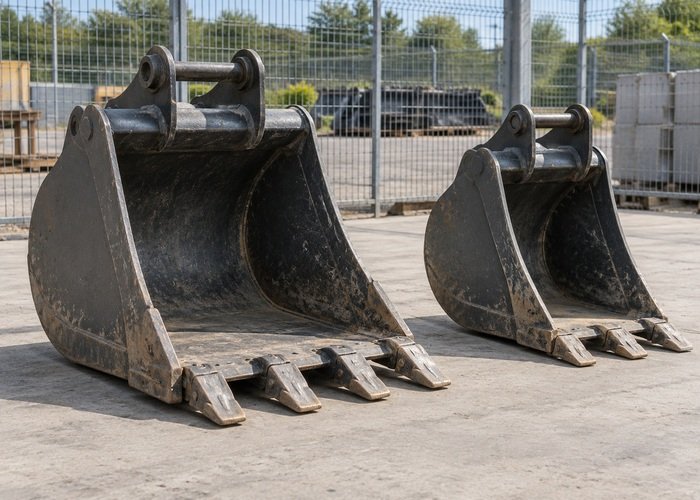
List buckets, breakers, augers and other detachable items separately. Record their identifying marks, serial numbers where provided, purchase information and photographs. Do not assume that the excavator’s serial number is sufficient to identify an unmarked attachment stored elsewhere on the site.
Record attachment movements between machines, sites and storage areas. A clear transfer entry can distinguish an authorised loan from a missing item. Ask the supplier how its product identification should be recorded if no obvious serial plate is present.
Itu mini excavator parts identification guide explains how clear references and photographs support equipment enquiries. For security records, add ownership and movement information. Keep the detailed register private rather than publishing identifying numbers in a public advertisement or social post.
| Asset | Record | Control to assign |
|---|---|---|
| Penggali | Model, identification, photographs and ownership documents | Named keeper and current location record |
| Lampiran | Separate identity, marks and movement history | Issue, return and storage responsibility |
| Keys or access credentials | Authorised holders and spare-key arrangements | Controlled issue and secure return |
| Security devices | Provider, installation reference and service status | Inspection, maintenance and alert contact |
| Incident information | Police, insurer and provider reporting route | Current primary and backup contacts |

Agree who may take a key, how it is issued and where it is returned. Include spare keys and any authorised access credentials in that process. A system that covers only the main operator can fail when a delivery driver, relief operator or service provider needs access.
Do not leave keys with an unattended machine or rely on an informal hiding place. Keep the storage arrangement controlled and appropriate to the site. If access is shared electronically, ask the approved provider how authorised users are managed and how departed staff are removed without disrupting safe operation.
Document what happens when a key is missing. That may require a security review and supplier advice rather than merely making another copy. This article does not claim that any particular excavator uses unique or interchangeable keys, and it provides no key-code or bypass information.
Identify the approved end-of-shift location before the job begins. Consider the site’s access control, visibility, lighting and the ability to account for people and vehicles. Avoid treating a convenient loading position as the automatically suitable overnight storage position.
Avon and Somerset Police construction-site guidance discusses layered site security, including access, plant and equipment. Apply the relevant advice to your own site and obtain local professional input where needed. Do not transplant a site layout or security arrangement without considering how it affects safe access and emergency routes.
Keep parking and machine shutdown aligned with the operating instructions. Security measures must not depend on leaving an attachment suspended or creating a hazard for someone approaching later. Ask the supplier which approved immobilisation or securing options suit the actual configuration.
Ask what a proposed lock, alarm, immobiliser or tracking service is intended to do. Confirm compatibility, approved installation, maintenance needs and any operating restrictions. A broad label such as anti-theft equipment is less useful than a clear description of the device’s function and limits.
For a subscription service, identify who monitors it, which events trigger contact and how contact details are kept current. Confirm service coverage, renewal responsibilities and the provider’s incident process. Avoid assuming that owning a device means someone is actively reviewing its alerts.
Have qualified providers perform any authorised installation. Do not modify machine wiring or safety systems using an improvised security scheme. Keep the installation documents and approval with the asset record, and confirm any warranty or insurance questions directly with the relevant organisations.
Ask whether an appropriate identification or registration scheme is available for the machine and jurisdiction. Confirm how ownership details are maintained, how a transfer is recorded and who can access the information. Keep the register accurate when the machine is sold or responsibility changes.
Itu CESAR machinery guide illustrates the role of machinery identification information for police and law enforcement in the UK. It is useful background for understanding why accurate identity records matter. It is not evidence that an unverified machine is registered or that a marking guarantees recovery.
If you use an approved marking system, record its documentation privately and follow the provider’s instructions. Do not invent identifying marks that could be confused with the manufacturer’s serial number. Preserve original identification and refer uncertain records to the appropriate supplier or authority.
Use a repeatable check covering machine location, attachment location, shutdown, approved security measures and returned keys. Record the person completing it and any exception. A brief accurate record is more useful than a long checklist that is routinely signed without looking at the equipment.
Where several teams share a site, identify who has the final responsibility. A plant operator may assume the site manager secures the compound while the manager assumes the operator has moved the machine elsewhere. State the responsibility clearly in the job arrangements.
Itu rental handover guide can support condition and custody records. Add the agreed security responsibilities when equipment changes hands. A signed return note should not leave the actual location or key holder uncertain.
Keep the local police reporting route, insurer requirements and security-provider contacts available to authorised people. Identify a backup contact for times when the usual manager cannot respond. Confirm what information each organisation asks for rather than relying on an operator to find it during a stressful event.
If an item is missing, establish whether an authorised movement explains it, while preserving relevant records. Follow the site’s incident procedure and report suspected theft through the appropriate channels. Do not confront a suspected offender, follow a tracking position yourself or attempt a private recovery.
Preserve relevant CCTV, access records, photographs and provider notifications according to the applicable process. Give factual observations, dates and identification details. Avoid posting accusations or sensitive tracking information publicly. Police and the provider should direct the appropriate response.
Ask the insurer or broker to explain the conditions applicable to the machine, attachments and location in writing. Confirm any device, storage, inspection or reporting requirement that affects the policy. This article cannot determine coverage, claim eligibility or whether a particular measure satisfies a contract.
Make required actions visible to the people responsible for them. If the policy refers to a monitored device, for example, confirm who maintains the service and contact details. Keep dated correspondence so that a later change of equipment or site can trigger a new review.
Include asset-control information when reviewing the machine maintenance routine. A broken security device or outdated contact is an issue to resolve, not simply another tick in the register.
Revisit the arrangements after a move, attachment purchase, staff change or security incident. Confirm that photographs and contacts still describe the equipment in use. A plan copied from another site may miss the way this team handles keys, deliveries and storage.
For a SeekMach enquiry, ask what identification documents and manufacturer-approved security information accompany the proposed model. Do not assume that an optional tracker, immobiliser or registration service is supplied. Confirm the actual equipment and responsibilities before relying on them.
No single measure guarantees prevention or recovery. Treat tracking as one part of a layered plan with clear monitoring and reporting responsibilities.
Record detachable assets individually using available identification, photographs and ownership information. Include their movements and storage responsibility.
Do not attempt a confrontation or private recovery. Follow the police and provider’s incident process and preserve the relevant information.
No. Obtain the applicable requirements and coverage explanation directly from the insurer or broker.