Telephone/WhatsApp:+86 156 2656 0610

Telephone/WhatsApp:+86 156 2656 0610
Email:info@seekmach.com

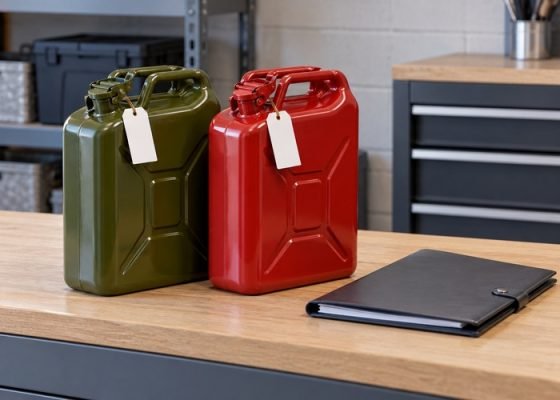
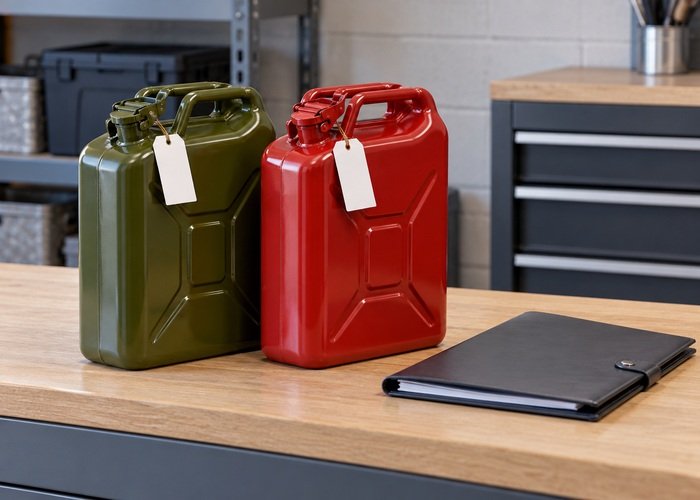
Protect a mini excavator’s diesel supply before the fuel reaches the machine. Record where each delivery came from, how it was stored and which dispensing route supplied the excavator. Confirm the required fuel specification with the engine documentation, and have storage or contamination concerns assessed by the responsible fuel and equipment specialists.
A fuel-water separator service record describes work on the machine. A site fuel record describes the supply feeding it. Keeping both records makes it easier to investigate a concern without assuming that a new filter has corrected an upstream storage problem. This guide focuses on that supply record, not tank modification or a chemical treatment recipe.
List the stages that apply to your operation: supplier delivery, a fixed site tank, a mobile bowser, a portable container and the final dispensing equipment. Some small operations use only one container; others have several transfers. Identify the actual route rather than copying a fleet diagram that does not describe your site.
Give each storage or transfer unit a recognizable reference. A record saying “filled from the tank” becomes ambiguous when the yard has two tanks or a visiting service vehicle. Link the excavator reference and date to the source actually used. If a machine receives fuel at several sites, retain that sequence.
Donaldson’s discussion of diesel contamination through the supply chain explains that storage and transfers can introduce contamination. Its high-pressure common-rail examples do not establish which injection system is fitted to an unidentified excavator. Use the general supply-chain lesson without transferring a particular engine specification.
Keep the supplier, delivery date, product description and available delivery reference together. Ask for the specification evidence relevant to the actual engine and local supply. A receipt that says only “diesel” may not resolve a later question about the product delivered, especially where several fuels are handled.
Record any concern at receipt before the delivery becomes part of the site’s general stock. State what was observed and who reviewed it. If identity or suitability cannot be established, ask the responsible person how the delivery should be held while the question is resolved. Do not resolve an uncertain product identity by mixing it into another supply.
Distinguish the supplier’s evidence from your own observations. A clear-looking sample is not proof that every required property has been checked. Equally, a photograph of discolouration cannot establish which contaminant is present. Retain the observations as evidence and leave the technical interpretation to the appropriate provider.

Record when fuel entered storage and subsequent receipts and withdrawals where practical. Ask the supplier about the recommended storage arrangements and usable life for the actual product and conditions. Do not assign every diesel blend the same number of months or assume that a container date describes the age of its contents.
Donaldson’s clean-diesel best-practice guidance includes supplier information, tank management, monitoring and turnover. It advises consulting the fuel supplier about storage life. This is a reason to establish an appropriate plan, not a universal service interval or an instruction to retrofit a particular filtration product.
When a container is reused, retain its new contents identity under the approved handling arrangements. A label left from an earlier delivery should not be accepted as evidence about the latest fill. If records are incomplete, write “history unconfirmed” rather than creating a precise age estimate from memory.
Have the responsible provider confirm suitable containers, storage equipment and dispensing arrangements for the fuel and site. A small excavator does not make storage hazards or contamination questions disappear. The equipment and applicable local requirements should guide the work, including safe access and any necessary maintenance.
Ask which components are included in the plan: tank closures, vents, connections, hoses, dispensing hardware and any specified filtration or monitoring equipment. Record the actual approved arrangement. Do not alter a vent, reposition an outlet or install an unidentified filter merely because another tank looks similar.
Keep the distinction between an inspection and a repair. If a closure is damaged or a connection is unprotected, record the defect and the responsible action. A temporary cover should not silently become an accepted repair. The next person using the supply needs to know whether the concern is resolved or still awaiting attention.
| Stage | Useful information | Question it helps answer |
|---|---|---|
| Delivery | Supplier, product, date and reference | Which fuel entered the site? |
| Penyimpanan | Tank or container reference and stock history | Where did that delivery remain? |
| Transfer | Identified dispensing route and date | How did fuel reach the excavator? |
| Concern | Observation, affected source and person notified | What needs investigation? |
| Resolution | Qualified findings and approved action | What was actually confirmed or changed? |
Use known units when recording quantities. Distinguish a measured delivery from an estimate and avoid forcing the two to agree by changing a figure. The purpose is traceability, not an invented precision that makes the record look complete. Keep any unexplained difference visible for the person reviewing the supply.
A small operation can use a simple log instead of a complex stock system. The essential point is that another person can connect a machine fill to the relevant source. Keep the method consistent when staff change, and explain how an unidentified receipt or visiting bowser should be recorded.
If fuel appearance, storage condition or a machine complaint raises concern, identify the potentially affected supply and notify the responsible person. Record which machines may have received it. Do not repeatedly feed the same uncertain supply into equipment as a way of finding out whether the problem happens again.
Donaldson’s overview of fuel contaminants distinguishes several contamination types. That distinction matters because a symptom or photograph does not identify a suitable treatment. Obtain qualified advice about any sampling, testing, tank service or further action for the actual situation.
Do not add an unspecified biocide, blend questionable fuel with clean stock or assume a filter will make an unidentified mixture suitable. No additive dose or tank-cleaning procedure is supplied here. The product identity, engine requirements and findings of the investigation must support the response.
Preserve any requested sample under the provider’s instructions, including its origin and date. A bottle without a source reference can be difficult to interpret later. A valid result should remain linked to the collection details and the person who interpreted it, rather than becoming an isolated “pass” entry.

Use the fuel-water separator service guide for the separate machine-side enquiry. Record the service performed and any findings without claiming that a changed component proves the upstream fuel was acceptable. A supply investigation may still be open after the machine has received attention.
Seasonal planning can also affect how the fuel enquiry is framed. The excavator winter-preparation guide provides related context. Confirm product and engine requirements for the actual conditions rather than prescribing a generic seasonal blend or storage duration.
Keep both outcomes in the machine maintenance information. State what the fuel provider confirmed, what the equipment technician checked and what remains unresolved. A supplier replacement delivery and an engine service are different actions and should remain distinguishable.
Update the fuel-route description when a tank, supplier or dispensing arrangement changes. A previous assessment may describe equipment that is no longer used. Keep the earlier history available so a later investigation can distinguish a new supply arrangement from the one associated with an earlier complaint.
At handover, explain the unresolved questions and who is responsible for them. Do not turn a delivery receipt into a guarantee of future fuel condition. Clear records support the next decision while the supplier’s technical advice and the machine’s instructions continue to govern the actual work.
If a temporary container or visiting bowser is used, add it to the record rather than recording the usual tank by habit. Include who supplied the fuel and which machine received it. A temporary arrangement can otherwise become the missing link in an investigation.
When a concern is resolved, retain the original entry alongside the conclusion. Identify whether the provider confirmed the fuel, serviced equipment or replaced a supply. Those outcomes answer different questions. Keeping the distinction allows the next reviewer to understand what changed without guessing from a closed work order.
No. Confirm identity and the evidence needed for the actual fuel requirement.
No. Treat machine service and the upstream supply as separate records and investigations.
No. Ask the supplier about the actual product and conditions.
Do not improvise treatment. Obtain qualified advice based on the identified supply and investigation findings.