Telephone/WhatsApp:+86 156 2656 0610
Telephone/WhatsApp:+86 156 2656 0610
Email:info@seekmach.com

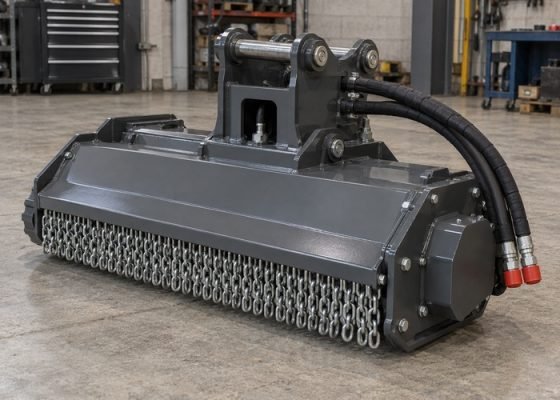
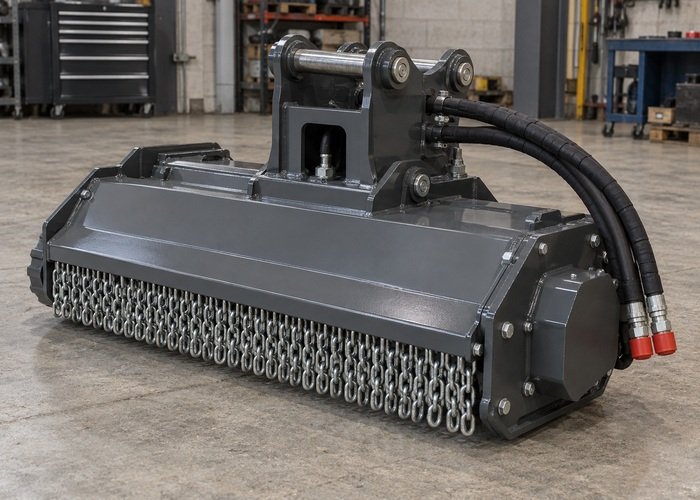
Choose an excavator mower attachment by the vegetation, required finish, site hazards and exact carrier configuration. Confirm the head’s mass, mounting interface, hydraulic requirements and protective equipment before comparing cutting width. Then evaluate the complete system on representative vegetation under an approved demonstration plan. A mower that connects to an auxiliary circuit is not automatically suitable for the excavator or the job.
This guide helps buyers prepare a vegetation-management enquiry. It does not approve an attachment for a SeekMach machine or provide a cutting procedure. The carrier and attachment suppliers must confirm compatibility, while the site plan and applicable local requirements determine how work is organised.
Separate grass cutting from woody-material processing. List the plants and material the head needs to handle, and ask the supplier to identify exclusions. State whether the goal is rough vegetation control, a particular finish or preparation for another task. A general request for a brush-clearing attachment leaves too much unresolved.
Photograph representative areas from safe access, including the difficult realistic growth. Record debris, fencing and other obstacles identified by the site survey. Do not assume that vegetation hides only plant material or that a heavy-duty description establishes the ability to process every obstruction.
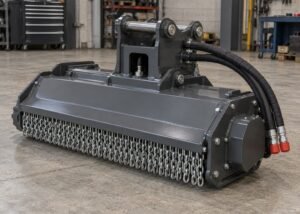
FAE’s PMM/EX description illustrates a particular hydraulic flail design for vegetation work. Its motor arrangement and application statements apply to that product. They cannot establish the performance of an unnamed head or approve its use on a SeekMach carrier.
Describe the route, machine positions and surfaces involved. Include roads, pedestrians, nearby property, utilities and other features requiring controls. An excavator’s ability to reach an area does not establish that it can work safely from the available position.
Explain whether the task involves level ground, a bank, a ditch or another restricted location. Have the responsible competent person assess the arrangement. Do not derive a safe slope or working radius from a demonstration of another machine.
Begin an enquiry with the SeekMach excavator range, then request the exact model information needed for the attachment review. Include the site and task rather than asking only whether a mower fits a nominal weight class.
| Decision | Information to provide | Answer needed |
|---|---|---|
| Vegetation suitability | Representative plants and desired finish | Permitted material and exclusions |
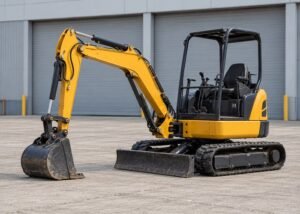
| Carrier fit | Exact machine, arm arrangement and coupler | Approval for the complete mounted assembly |
| Hidrolika | Installed auxiliary circuit documentation | Required supply, return and drain configuration |
| Site controls | People, property and working positions | Guarding and separation arrangements |
| Trial | Representative material and acceptance criteria | Observed result and remaining limitations |
Provide the machine model and serial number, boom and arm configuration, coupler identification and relevant modifications. Obtain the head’s identification, mass and mounting requirements. The review should cover the actual delivered assembly, including adapters and other components.
Ask who supplies and approves the interface. A coupler can change geometry and add mass; matching visible dimensions is insufficient. Keep the carrier and attachment suppliers’ responses together so that unresolved differences are clear before an order is placed.
Itu HSE excavator overview discusses attachment security, competent operation and keeping people clear of movement. Its UK guidance provides relevant background. It does not replace installation instructions or establish approval for a specific mower.
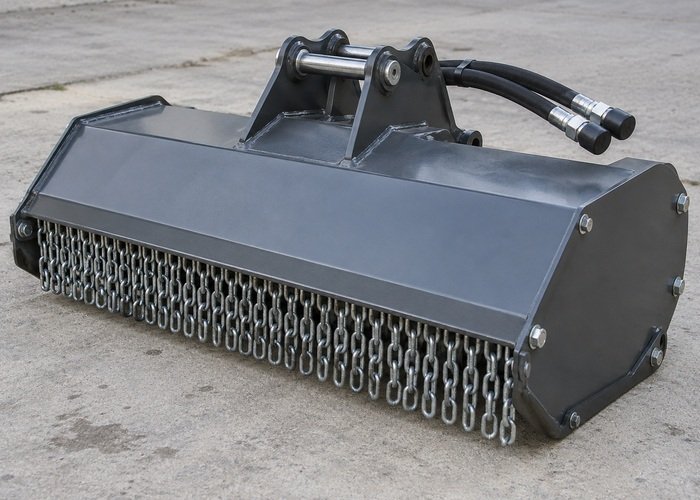
Request the head’s required flow, working pressure, return requirements and any motor-specific drain arrangement. Compare these with the installed carrier documentation through the responsible suppliers. Include controls, connections and any approved adjustment in the review.
A headline maximum flow figure does not establish suitability for sustained mowing. Ask the carrier supplier to review the intended duty, including cooling or operating restrictions. A qualified technician should complete authorised commissioning and record the accepted configuration.
Do not change a setting, substitute a hose or omit a required drain based on an online example. The hydraulic hose inspection guide supports condition and routing records. It does not approve a new circuit or confirm that an existing hose is suitable for a different attachment.
Ask which guards, curtains and other protective components are required and how they are inspected. Keep the supplied equipment consistent with the approved arrangement. A damaged guard is not a condition to overlook because the vegetation appears light.
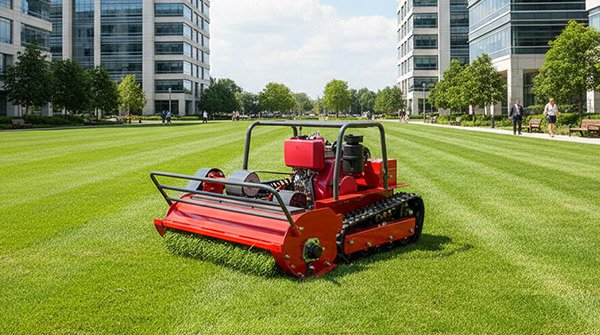
HSE guidance on hazardous areas of agricultural machines describes moving-part and ejected-material hazards associated with mowing equipment. These general hazards help frame the site discussion. Tractor-specific instructions must not be copied as an excavator operating method.
The manufacturer and site assessment should establish the required separation from people and property. This article gives no universal distance. Agree how the area remains controlled and what happens if a person, vehicle or animal enters it. Follow the planned stop response when the controls cannot be maintained.
Agree the head, carrier, installed configuration, vegetation and conditions before the demonstration. Identify the trained operator, the person assessing the result and the safe observation area. A supplier demonstration is not permission for an untrained buyer to experiment.
Record the finish, material left behind, interruptions and handling requirements. Compare those observations with the agreed task. Do not turn one favourable pass into an all-day production or service-life promise.
If the trial uses easier vegetation than the real job, keep that limitation with the quotation. A grass demonstration does not establish performance on woody growth. Ask for a qualified assessment of the difficult part instead of assuming equivalent results.
Plan where the attachment is stored, installed, removed and transported. Obtain the prescribed support, handling and isolation arrangements. Do not improvise a lifting or servicing method from the way a display head is positioned in a yard.
Ask which documents and training are included at handover. Confirm the correct manual, parts information, inspection requirements and service contact for the delivered unit. Keep them associated with its identification rather than in an unlabelled general attachment folder.
Itu ground protection mat guide distinguishes surface protection from ground approval. If mats form part of access, they do not automatically establish a suitable working position for an extended attachment. Include that arrangement in the site review.
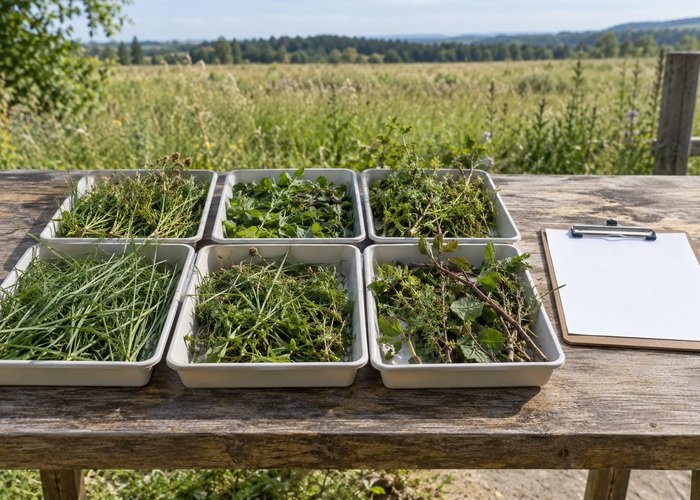
Compare the head, mounting parts, authorised hydraulic work, guarding, delivery, commissioning and support. Identify exclusions. Similar cutting widths do not mean the supporting installation and site requirements are identical.
Request wear-part identification and dated availability information. Confirm which inspection and maintenance tasks apply. The spare-parts ordering guide explains how clear references support future enquiries. A useful quotation includes the information needed to maintain the actual unit.
Base any internal cost estimate on your work and the observed trial. Keep uncertain output assumptions visible. Do not rely on an unsupported claim that a head will recover its purchase price within a fixed period.
Record the vegetation limits, carrier configuration, site restrictions and operating documents accepted at handover. Revisit the review when the head, machine or task changes. Different growth, another coupler or a replacement motor can create a new question.
Make the accepted scope available to the operator. If the site asks for work outside it, obtain the necessary assessment before proceeding. The purchase record should support a clear decision, rather than leaving the operator to reconstruct a conversation with the salesperson.
For a SeekMach enquiry, provide the intended head and task and ask what carrier information is available for technical review. This guide does not claim that a mower is supplied with any listed excavator or that a third-party head is approved.
Ask the project contact to define the accepted result before the demonstration. Record the intended remaining vegetation, treatment of cut material and any follow-on work. A supplier may judge a head by how it processes stems, while the customer judges the appearance and accessibility of the finished area. Both views belong in the trial record.
Use photographs from repeatable positions alongside any measurements the project requires. Keep the starting conditions and rejected areas visible. If the result needs a second pass or another tool, record that requirement instead of describing the first pass as the complete job. Identify who accepts the outcome and which questions remain open before purchase. This creates a reference when delivered equipment is checked against the quotation.
Do not assume equivalent capabilities. Confirm the exact design, permitted vegetation and exclusions with the attachment supplier.
No. Review mounting, the complete assembly, hydraulic supply and intended work with the responsible suppliers.
It provides evidence under observed conditions. Record those conditions and avoid a universal production promise.
Follow the approved configuration and defect process. Do not remove required protection to continue operating.