Telephone/WhatsApp:+86 156 2656 0610

Telephone/WhatsApp:+86 156 2656 0610
Email:info@seekmach.com

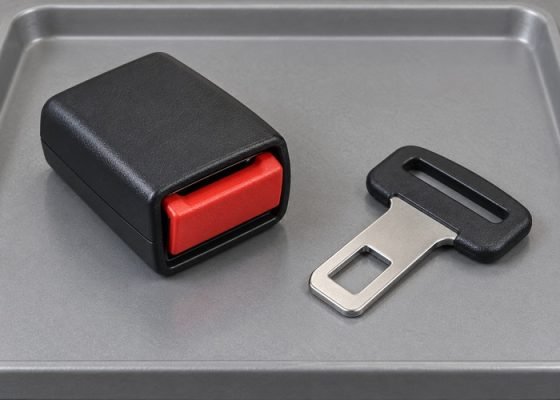
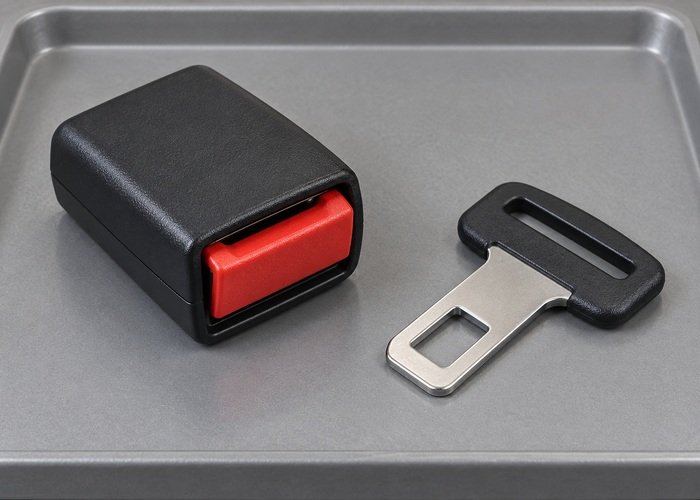
A mini excavator seat belt inspection should consider the complete operator restraint: webbing, buckle, any retractor, mounting components and the seat arrangement. Identify the actual assembly and follow the machine’s instructions for inspection and defect reporting. A belt that appears to buckle is not, by itself, evidence that the complete installation is serviceable.
If damage, missing parts or uncertain suitability is found, report it to the person responsible for the machine and obtain an approved assessment before use. This guide helps organize the evidence and replacement enquiry. It does not provide a pull-test threshold, a mounting torque or permission to fit a universal belt.
Record the excavator model and serial number, the installed seat reference where available and accessible restraint identification. The seat may have been replaced independently of the machine. An enquiry based only on the excavator’s model can miss a changed seat or a previous unverified restraint substitution.
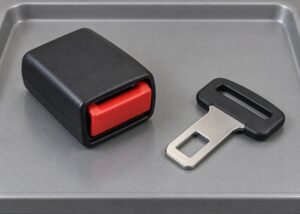
Ask the supplier which complete assembly applies to this installation. Include the visible buckle and retractor arrangement rather than describing the item simply as “a black lap belt.” Retain accessible labels and existing parts records. A similar-looking assembly from another vehicle does not establish suitability.
If identification cannot be obtained safely, record that limitation and arrange the appropriate inspection. Do not dismantle the seat, release mounting hardware or interfere with connected components merely to improve a quotation photograph. The responsible technician can decide what access is appropriate under the actual instructions.
Ask which inspection, replacement and post-incident requirements apply to the exact assembly. Record the installation or manufacture information where available, but do not convert a date from one manufacturer’s manual into a universal replacement interval. Missing identification or unknown history should remain visible in the enquiry.
Itu HSE information sheet on operator seat restraints in agriculture and forestry discusses restraint use and manufacturer-defined mounting arrangements in that sector. It directs users of standard-fitted restraints to the operator’s manual. Its agricultural examples do not certify an excavator seat or approve a replacement assembly.
For an excavator, use the relevant machine and component documentation. Ask the responsible provider how the restraint interacts with the installed seat and any associated safety system. Do not assume that adding a reminder, switch or different buckle is an approved improvement merely because it is offered for another machine.
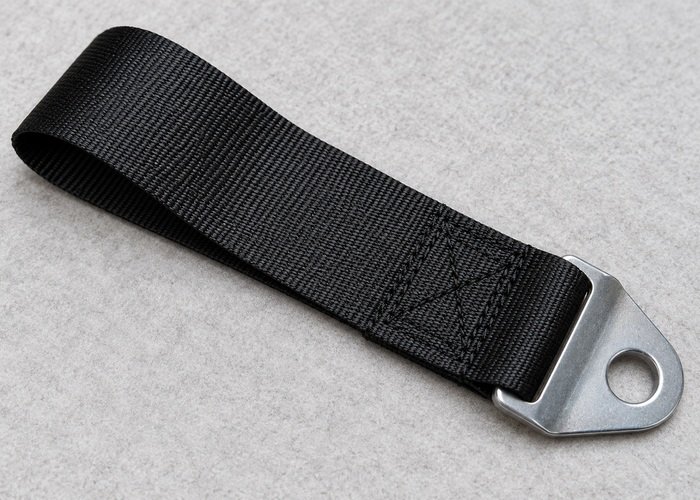
Under the applicable inspection instructions, record visible concerns involving the webbing, buckle, retractor and accessible mounting arrangement. State what was observed and where. Keep a clear distinction between an operator reporting a concern and a competent person concluding that the assembly meets the relevant criteria.
Examples of useful descriptions include a visible cut, an unreadable label, an inaccessible mounting area or a component that does not behave as expected under the prescribed check. Do not invent a permissible amount of fraying, a test force or an acceptable buckle condition from a photograph.
Itu HSE work-equipment inspection guidance explains that inspection needs and scope depend on the equipment and risk. It is helpful context for assigning the work. It does not supply a restraint-specific acceptance test for every excavator.
If the prescribed inspection cannot be completed, report that fact rather than marking the item satisfactory. A partial view should not become a complete inspection entry. The next person needs to know what was examined, what was inaccessible and what question remains for the service provider.
A seat belt, a seat switch and a hydraulic safety control can have different functions. Identify which component is involved before asking for a replacement. Do not assume that the presence of a functioning interlock proves the restraint is sound, or that an intact restraint resolves an interlock fault.
Itu excavator safety-control lever guide addresses a different system and enquiry. Keep both records clear if more than one concern is present. Do not bridge, bypass or alter a switch to make an unapproved seat or buckle appear to work.
Tell the service provider about known incidents or changes to the seat and associated components. Avoid diagnosing what must have happened internally. The relevant instructions and qualified assessment determine whether additional examination or replacement is required following an incident.
| Evidence | What to provide | Question before accepting the part |
|---|---|---|
| Machine and seat identity | Serial, seat reference and known modifications | Does the proposed assembly cover this installation? |
| Restraint identity | Accessible labels and component references | Which complete approved assembly is required? |
| Observed concern | Location, date and safe photographs | What inspection or replacement scope is needed? |
| Mounting arrangement | Existing documentation and accessible context | Are seat, anchors and supplied hardware compatible? |
| Sejarah | Known service, incidents and unresolved gaps | What additional information affects the decision? |
Use photographs to preserve identity and context. Keep the original images and label any uncertainty. A picture of a mounting end does not establish its material, loading capability or approval. The supplier’s response should identify the actual part and the basis for its suitability.
For a broader quotation, use the spare-parts identification guide to organize machine and component evidence. Keep each machine’s request separate. Several similar seats in a fleet should not be treated as one verified application without confirmation.
Ask for written confirmation of any superseding part reference or alternative assembly. Clarify which components are included and which existing items need inspection. A quotation for webbing alone may not answer a question about the buckle, retractor, mounting or complete restraint arrangement.
Do not rework webbing, transplant a buckle or drill a new mounting location as an informal solution. A visually neat repair cannot establish that the restraint will perform as intended. This article supplies no retrofit design or instructions for modifying a safety component.
Check delivered identification against the approved order before installation. If a different reference, missing item or damaged package is received, resolve the discrepancy with the responsible supplier. Do not fit a questionable component as a trial and then use apparent operation as proof of approval.

Arrange inspection or installation with a competent person using the applicable instructions. The HSE maintenance guidance supports planning and communicating maintenance work. Access, isolation and the responsibilities of the people involved need to be established before the work begins.
Keep the machine’s status clear while a concern remains unresolved. A quotation, a delivered package and a completed installation are different stages. The operator should not have to infer which stage applies from an invoice left in the cab or a part placed on the seat.
Ask the service provider to record the assembly actually installed, relevant checks completed and any remaining concern. Retain the approved reference and instructions with the machine information. Do not describe a component replacement as proof that every safety system on the machine has been inspected.
Add the outcome to the machine’s inspection and maintenance information. A general daily checklist can prompt attention, while the applicable restraint instructions define the relevant examination. Keep that distinction visible for new operators or a different service provider.
Record subsequent observations with their date and context. If the seat is changed later, have the restraint arrangement reviewed as part of that change. A previously approved assembly should not silently become approval for a different seat, mounting or connected system.
At sale, rental or crew handover, pass on the verified component reference and unresolved issues. Clear records help the recipient request the right assessment without treating an unknown replacement as the factory specification. They support traceability; they are not a guarantee that a future inspection can be skipped.
Ask the service provider to distinguish the operator observations from the examination it completed. If access or identity limited that examination, retain the limitation in the handover. A record should describe the work rather than imply an unrestricted approval.
Make sure the receiving team knows which component reference now applies and where the instructions are kept. If the proposed replacement was changed during the job, retain the final approval and supplied reference. This prevents the original quotation from being reused later as though it described the assembly actually installed.
No. Inspect the complete arrangement using the applicable instructions and approved criteria.
Do not assume compatibility from appearance or hole spacing. Obtain application approval for the actual seat and machine.
No. Confirm the exact manufacturer’s requirements and relevant history.
No. Identify and assess the different components under their relevant instructions without bypassing or altering them.