Telephone/WhatsApp:+86 156 2656 0610
Telephone/WhatsApp:+86 156 2656 0610
Email:info@seekmach.com

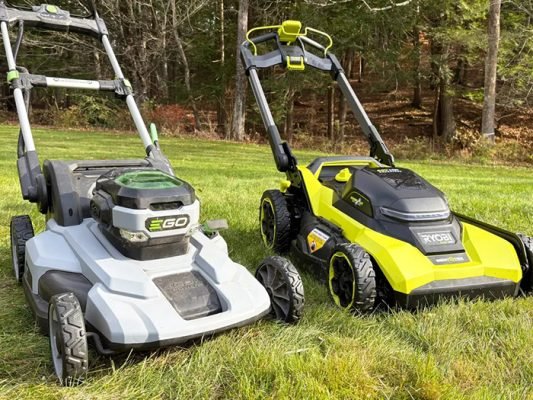
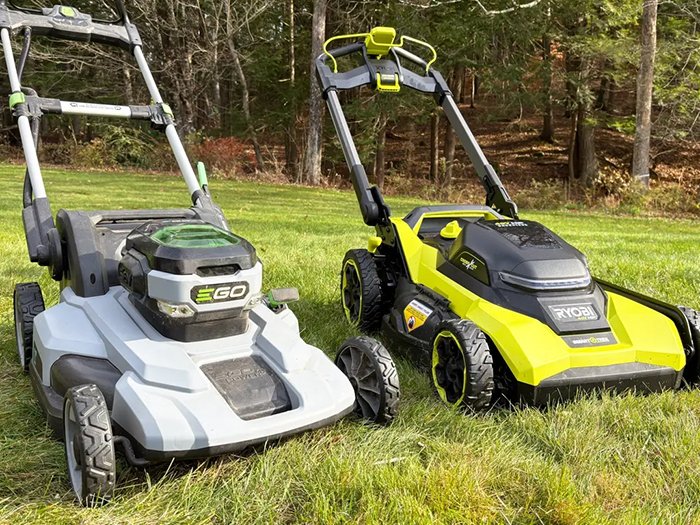
Land management at scale is a different game entirely. When a facility manager is overseeing hundreds of acres of turf — airports, municipalities, golf courses, commercial campuses — the question isn’t just how well the equipment cuts. It’s how many labor hours it consumes doing it. And labor, not fuel or machine depreciation, is consistently the single largest cost driver in professional grounds maintenance.
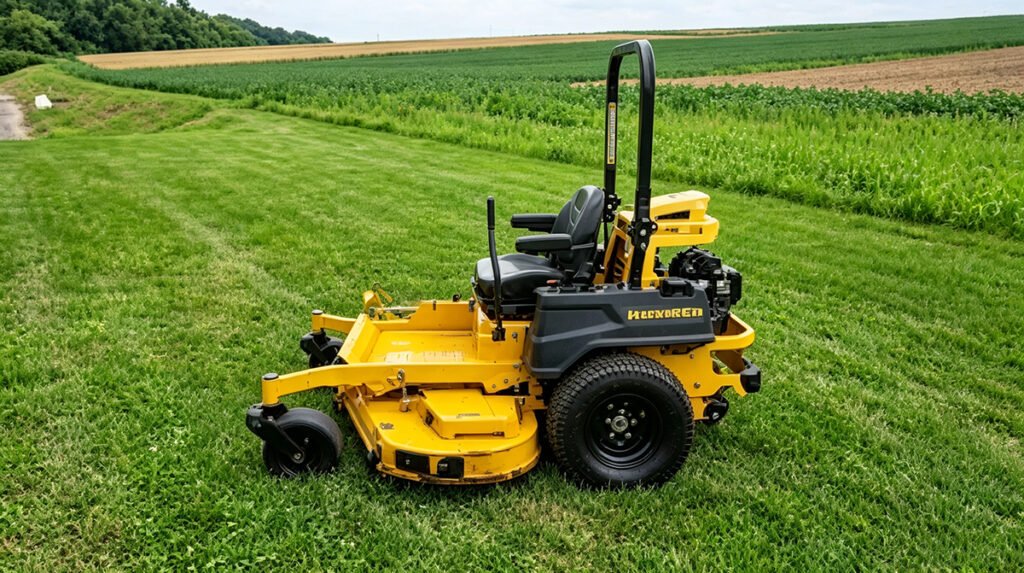
According to Landscape Management Magazine, commercial-grade zero-turn mowers can increase mowing efficiency by up to 50% compared to traditional tractors — a figure that translates directly into payroll savings, faster contract turnaround, and a competitive edge for fleet operators bidding on large-scale contracts.
This is where the factory-direct model begins to separate itself from the traditional dealer-chain approach. Procurement teams managing large fleets are discovering what equipment buyers in adjacent industries — those sourcing directly from manufacturers in other sectors — have known for years: cutting out distribution layers reduces cost, improves spec customization, and accelerates delivery timelines.
The thesis is straightforward. High-efficiency mowing isn’t simply a product of horsepower ratings or deck width. It’s the result of CE-certified industrial engineering paired with a direct manufacturer relationship that keeps both acquisition costs and lifetime maintenance costs in check. Understanding this starts with the machine itself — and why so many operators are still asking why their lawn mowers cut unevenly well into a machine’s operational life.
Uneven cutting isn’t a mystery — it’s a mechanical story told in stripes, scalping, and missed passes. Understanding what happens beneath the deck separates reactive maintenance from a genuinely efficient operation.
Three factors consistently drive inconsistent cuts in commercial equipment: deck leveling, tire pressure variance, and spindle wear. A deck that’s even slightly out of pitch — sometimes as little as ¼ inch off — creates a cascading ripple across wide cutting paths. On a 72-inch deck covering hundreds of acres weekly, that small deviation compounds fast. Tire pressure is equally underestimated; a difference of just a few PSI between front and rear tires shifts the deck angle dynamically across uneven terrain.
Spindle wear in high-hour machines is the silent offender. Worn spindle bearings allow blade wobble, which destroys the precision lift and cut geometry that modern deck designs depend on.
High-efficiency decks are not just shaped differently — they’re engineered to create a controlled air vortex that lifts grass upright before the blade contacts it. Lower-tier decks lack this aerodynamic discipline, which is exactly why streaking occurs: grass lays over and avoids the blade entirely. Whether operators are later weighing options around mulching vs. bagging grass clippings, achieving a clean, consistent cut at speed is the non-negotiable first step.
According to West Virginia University Extension, regular blade maintenance and deck cleanliness can improve fuel efficiency by 10% to 20%. That’s not a marginal gain — at commercial scale, it translates directly to reduced operating costs across an entire fleet.
| Symptom | Industrial Cause | Professional Fix |
|---|---|---|
| Streaking across wide passes | Poor deck aerodynamics / blade lift failure | Upgrade to vortex-engineered deck design |
| Scalping on uneven terrain | Tire pressure variance or deck pitch misalignment | Standardize PSI checks; re-level deck daily |
| Vibration and rough cut finish | Spindle bearing wear in high-hour machines | Inspect and replace spindle assemblies on schedule |
Once cut quality is consistent, the next strategic question becomes what happens to those clippings — and that decision carries real cost and sustainability implications.
Clippings disposal is rarely discussed in equipment specs, but at scale it becomes one of the most significant operational cost drivers on any large property. The choice between mulching and bagging isn’t just a preference — it’s a logistics and financial decision with real consequences.
The labor burden of bagging compounds quickly across multi-acre sites. Collection bags fill fast, require frequent stops, demand dedicated disposal runs, and often involve tipping fees at municipal waste facilities. On a 200-acre campus, that translates to measurable labor hours consumed by clippings management alone — time that could otherwise go toward productive coverage.
Mulching changes that equation. By finely chopping clippings back into the turf, high-efficiency mowers participate directly in sustainable lawn care practices — returning nitrogen and essential nutrients to the soil that would otherwise require synthetic fertilizer to replace. Healthier soil, lower input costs, and fewer disposal runs. The environmental benefits are clear.
Mulching vs. Bagging at a Glance:
However, mulching only delivers clean results when the machinery can sustain blade speed at operating pace. At high forward speeds, underpowered decks leave clumped, unprocessed clippings — the opposite of the fine, soil-ready material that actually benefits turf.
Pro Tip for Municipal Managers: Maintain a dual protocol — default to mulching on open maintained turf, but switch to bagging during weed-seed-heavy seasonal periods to prevent invasive spread across maintained grounds.
The equipment doing the cutting matters as much as the strategy itself — which brings the conversation to an increasingly urgent technology question for 2025.
The conversation around mowing technology shifted dramatically as autonomous systems moved from novelty to genuine operational consideration. But for large-scale land managers, the real question isn’t whether robotic mowers are impressive — it’s whether they’re practical.
Autonomous mowers deliver undeniable labor savings. Reduced headcount, consistent mowing schedules, and low per-hour operating costs make them attractive on paper. The ride-on mower market is already responding, with electrified and autonomous segments gaining traction in commercial turf management.
However, the setup complexity at industrial scale is substantial. The GPS vs. perimeter wire debate alone creates real operational friction. GPS-guided systems handle large, open perimeters more flexibly but struggle with signal reliability near structures or dense tree lines. Perimeter wire systems are more precise but require extensive installation — a significant upfront investment across hundreds of acres.
The main limitation: robotic mowers currently max out around 5 acres per unit efficiently. Industrial properties often dwarf that figure.
Heavy-duty traditional mowers still dominate agricultural and rough-terrain settings — and for good reason. Steep slopes, rocky soil, dense overgrowth, and variable terrain demand torque, operator judgment, and mechanical durability that no autonomous system currently replicates consistently.
Robust, operator-controlled machinery remains the non-negotiable backbone of serious land management. This is precisely why procurement decisions matter — sourcing factory-direct heavy machinery, rather than spec-compromised dealer inventory, gives operations access to purpose-built configurations suited to their specific terrain demands.
The smartest operators in 2025 aren’t choosing sides — they’re combining both. Robotic units handle prestige zones: golf course fairway edges, corporate campuses, manicured entrance landscaping. Traditional high-capacity equipment tackles the tough jobs: back acreage, utility corridors, rough agricultural borders.
This hybrid approach mirrors broader equipment procurement trends, where — much like seasonal shifts in heavy equipment pricing — timing and sourcing strategy directly impact operational efficiency and total cost.
That sourcing strategy, it turns out, is where the next competitive advantage is hiding.
As the previous sections have made clear, the real competitive edge in large-scale turf management isn’t just the machine you choose — it’s how you acquire it. Factory-direct sourcing eliminates the distributor and dealer layers that typically add 20–35% to equipment costs, freeing up capital to reinvest in high-efficiency lawn mowers with better specs, longer warranties, and superior performance.
Working directly with manufacturers redefines what your procurement budget can actually deliver.
Before committing to a factory-direct supplier, operators and procurement managers should verify:
A manufacturer operating a 50,000m² production facility brings something no distributor can match: end-to-end engineering ownership. From prototype customization to post-sale support, that infrastructure means problems get solved at the source — faster and cheaper.
On the other hand, procurement teams should still perform thorough due diligence on lead times, shipping terms, and compliance documentation before finalizing any direct sourcing agreement.
Choosing the right sourcing partner is only part of the equation — keeping that equipment performing at peak capacity is the other. The operational questions surrounding maintenance, cleaning protocols, and safety compliance deserve their own focused attention.
Solid equipment decisions only pay off when backed by disciplined upkeep. These answers address the most common questions operators ask about industrial mower maintenance, fleet compliance, and emerging technology investments.
How often should industrial mowers be serviced for peak efficiency? High-capacity mowers operating in commercial or municipal environments typically require a full service inspection every 50–100 engine hours, with blade checks and lubrication points addressed even more frequently. Consistent scheduling prevents compounding wear that drives up repair costs over time.
What What is the best way to clean a mower deck to prevent corrosion? Regular removal of clippings and debris after each use is non-negotiable — grass buildup creates moisture traps that accelerate rust and cause uneven cutting performance. A pressure rinse followed by a light coating of rust-inhibiting spray on bare metal surfaces extends deck life considerably.
Are robotic mowers worth the investment for municipal use in 2026? According to lifecycle cost research, autonomous mowers demonstrate strong long-term value in high-frequency, large-area applications when total operating costs — not just purchase price — are evaluated. However, terrain complexity and connectivity infrastructure remain practical constraints worth assessing before committing.
How do I ensure my fleet meets international safety standards? Sourcing equipment through verified factory-direct channels gives operators direct access to compliance documentation, CE or ANSI certifications, and updated safety specs. Periodic third-party audits aligned with current off-road equipment regulations provide an additional layer of accountability.
In conclusion: The industrial shift toward factory-direct, high-efficiency mowers rewards operators who treat maintenance as a performance strategy — not an afterthought.