Telephone/WhatsApp:+86 156 2656 0610
Telephone/WhatsApp:+86 156 2656 0610
Email:seekmach@gmail.com

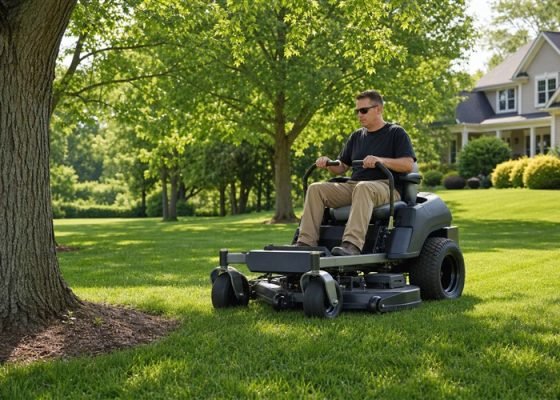

An electric zero-turn mower can remove fuel storage, engine oil, spark plugs, and many engine-service tasks, but it replaces those decisions with battery energy, charging input, thermal management, electronics, drive motors, blade motors, and local service support. A claimed acreage number is useful only when the test conditions resemble your yard.
Start by mapping the mowing route. Measure actual turf area, slopes, gates, trees, beds, wet ground, rough patches, transport distance, and the places where clippings become heavy. Then review the SeekMach lawn and property equipment range with the same map in hand. The best machine is the one that finishes the repeatable route with reserve, not the one with the largest advertising number.
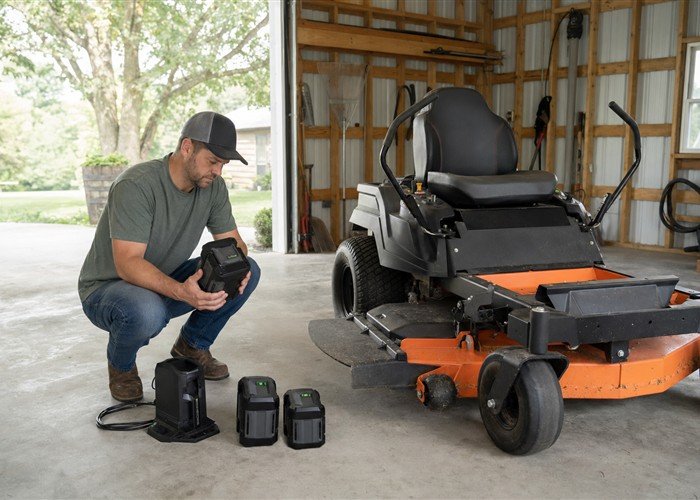
Battery safety and storage deserve the same seriousness as gasoline handling. Use only approved packs and chargers, provide the required electrical circuit and ventilation, keep connectors clean and dry, and follow the manual for hot, cold, wet, damaged, or long-term-stored batteries.
Separate total property size from mowable turf. Long open runs use energy differently from constant turning, thick growth, bagging, hills, and repeated acceleration. For related machine planning, use the lawn mower type guide as a second reference. The Penn State riding mower safety guidance provides independent background for this decision.
Treat this as a work-cycle decision rather than a single specification. Write down the starting condition, the required finish, access limits, material weight, ground condition, weather, operator experience, transport plan, and the point at which work must stop. Check the operator’s manual and attachment instructions for the exact machine. A configuration that works only at its maximum rating leaves no useful margin for wet material, slopes, wear, heat, an off-center load, or an inexperienced operator.
Consider a representative field test: a two-acre parcel contains only 1.2 acres of turf but has many trees and short passes. Its energy demand can exceed a larger open rectangle. Observe setup, approach, productive pass, turning, travel, cleanup, charging or refueling, and storage. Time the complete cycle and note any loss of visibility, traction, control, cut quality, hydraulic response, or battery state. A calm, repeatable cycle is more useful than one impressive pass performed at the limit.
A common mistake is buying from acreage alone and overlooking grass density, blade speed, slope, operator pace, and reserve. That shortcut moves the problem elsewhere: extra passes, damaged ground, premature component wear, poor finish, missed maintenance, or unsafe travel. Record what the test actually showed, then change the attachment, load, route, schedule, or machine before accepting the risk.
Voltage describes one part of the electrical system. Runtime depends on usable watt-hours, power demand, thermal limits, battery condition, software, terrain, cutting load, and reserve protection. For related machine planning, use the gas versus electric mower comparison as a second reference. The U.S. Department of Energy battery basics provides independent background for this decision.
Treat this as a work-cycle decision rather than a single specification. Write down the starting condition, the required finish, access limits, material weight, ground condition, weather, operator experience, transport plan, and the point at which work must stop. Check the operator’s manual and attachment instructions for the exact machine. A configuration that works only at its maximum rating leaves no useful margin for wet material, slopes, wear, heat, an off-center load, or an inexperienced operator.
Consider a representative field test: two mowers share a voltage label, but one carries more total energy while the other has a lighter deck and lower demand. The label alone predicts neither result. Observe setup, approach, productive pass, turning, travel, cleanup, charging or refueling, and storage. Time the complete cycle and note any loss of visibility, traction, control, cut quality, hydraulic response, or battery state. A calm, repeatable cycle is more useful than one impressive pass performed at the limit.
A common mistake is treating voltage, amp-hours, or a gas-equivalent claim as a complete runtime measurement. That shortcut moves the problem elsewhere: extra passes, damaged ground, premature component wear, poor finish, missed maintenance, or unsafe travel. Record what the test actually showed, then change the attachment, load, route, schedule, or machine before accepting the risk.
A useful trial includes normal blade speed, representative grass, turns, slopes, discharge or mulch setup, and a reserve at completion. Idle driving is not mowing runtime. For related machine planning, use the mower guide for hills as a second reference. The CPSC lawn mower safety information provides independent background for this decision.
Treat this as a work-cycle decision rather than a single specification. Write down the starting condition, the required finish, access limits, material weight, ground condition, weather, operator experience, transport plan, and the point at which work must stop. Check the operator’s manual and attachment instructions for the exact machine. A configuration that works only at its maximum rating leaves no useful margin for wet material, slopes, wear, heat, an off-center load, or an inexperienced operator.
Consider a representative field test: a mower completes dry weekly turf with 35 percent remaining but reaches 12 percent when growth is damp and tall. The second result should drive the purchase margin. Observe setup, approach, productive pass, turning, travel, cleanup, charging or refueling, and storage. Time the complete cycle and note any loss of visibility, traction, control, cut quality, hydraulic response, or battery state. A calm, repeatable cycle is more useful than one impressive pass performed at the limit.
A common mistake is planning the route from a best-case claim and assuming every acre requires the same energy. That shortcut moves the problem elsewhere: extra passes, damaged ground, premature component wear, poor finish, missed maintenance, or unsafe travel. Record what the test actually showed, then change the attachment, load, route, schedule, or machine before accepting the risk.
Confirm charger input voltage, current, circuit requirements, connector location, cable reach, weather protection, recharge time, and whether batteries may remain installed. For related machine planning, use the SeekMach application solutions as a second reference. The NFPA lithium-ion battery safety guidance provides independent background for this decision.
Treat this as a work-cycle decision rather than a single specification. Write down the starting condition, the required finish, access limits, material weight, ground condition, weather, operator experience, transport plan, and the point at which work must stop. Check the operator’s manual and attachment instructions for the exact machine. A configuration that works only at its maximum rating leaves no useful margin for wet material, slopes, wear, heat, an off-center load, or an inexperienced operator.
Consider a representative field test: a mower can recharge quickly only on a circuit the shed does not have. Electrical work and cable routing become part of the buying decision, not an afterthought. Observe setup, approach, productive pass, turning, travel, cleanup, charging or refueling, and storage. Time the complete cycle and note any loss of visibility, traction, control, cut quality, hydraulic response, or battery state. A calm, repeatable cycle is more useful than one impressive pass performed at the limit.
A common mistake is assuming any wall outlet will deliver the advertised charge time or using unapproved extension arrangements. That shortcut moves the problem elsewhere: extra passes, damaged ground, premature component wear, poor finish, missed maintenance, or unsafe travel. Record what the test actually showed, then change the attachment, load, route, schedule, or machine before accepting the risk.
Battery life is influenced by time, cycles, temperature, state of charge, storage, power demand, and management software. Ask how capacity is diagnosed and how individual packs or fixed modules are serviced. For related machine planning, use the SeekMach product overview as a second reference. The EPA battery recycling information provides independent background for this decision.
Treat this as a work-cycle decision rather than a single specification. Write down the starting condition, the required finish, access limits, material weight, ground condition, weather, operator experience, transport plan, and the point at which work must stop. Check the operator’s manual and attachment instructions for the exact machine. A configuration that works only at its maximum rating leaves no useful margin for wet material, slopes, wear, heat, an off-center load, or an inexperienced operator.
Consider a representative field test: a removable-pack mower allows a weak pack to be isolated, while a fixed-pack design may offer more integrated cooling. Service documentation decides which tradeoff is acceptable. Observe setup, approach, productive pass, turning, travel, cleanup, charging or refueling, and storage. Time the complete cycle and note any loss of visibility, traction, control, cut quality, hydraulic response, or battery state. A calm, repeatable cycle is more useful than one impressive pass performed at the limit.
A common mistake is assuming a battery will retain original capacity indefinitely or budgeting only for blades and tires. That shortcut moves the problem elsewhere: extra passes, damaged ground, premature component wear, poor finish, missed maintenance, or unsafe travel. Record what the test actually showed, then change the attachment, load, route, schedule, or machine before accepting the risk.
Electric drive does not change the fundamentals of mowing. Deck width, baffles, blade condition, tire pressure, deck level, discharge management, anti-scalp protection, and operator technique determine the finish. The University of Minnesota mowing practices provides independent background for this decision.
Treat this as a work-cycle decision rather than a single specification. Write down the starting condition, the required finish, access limits, material weight, ground condition, weather, operator experience, transport plan, and the point at which work must stop. Check the operator’s manual and attachment instructions for the exact machine. A configuration that works only at its maximum rating leaves no useful margin for wet material, slopes, wear, heat, an off-center load, or an inexperienced operator.
Consider a representative field test: a wider deck reduces passes in the open but scalps a rolling section and cannot pass one garden gate without removing the chute. Observe setup, approach, productive pass, turning, travel, cleanup, charging or refueling, and storage. Time the complete cycle and note any loss of visibility, traction, control, cut quality, hydraulic response, or battery state. A calm, repeatable cycle is more useful than one impressive pass performed at the limit.
A common mistake is buying the widest available deck before measuring access and terrain articulation. That shortcut moves the problem elsewhere: extra passes, damaged ground, premature component wear, poor finish, missed maintenance, or unsafe travel. Record what the test actually showed, then change the attachment, load, route, schedule, or machine before accepting the risk.
Electric mowers still have blades, bearings, casters, tires, seats, interlocks, wiring, connectors, deck structure, and sometimes belts. Electronics add diagnostic tools and software support. The NIOSH landscaping safety discussion provides independent background for this decision.
Treat this as a work-cycle decision rather than a single specification. Write down the starting condition, the required finish, access limits, material weight, ground condition, weather, operator experience, transport plan, and the point at which work must stop. Check the operator’s manual and attachment instructions for the exact machine. A configuration that works only at its maximum rating leaves no useful margin for wet material, slopes, wear, heat, an off-center load, or an inexperienced operator.
Consider a representative field test: the nearest seller can deliver a mower but cannot diagnose its drive controller. A farther dealer with trained technicians may be the lower-risk purchase. Observe setup, approach, productive pass, turning, travel, cleanup, charging or refueling, and storage. Time the complete cycle and note any loss of visibility, traction, control, cut quality, hydraulic response, or battery state. A calm, repeatable cycle is more useful than one impressive pass performed at the limit.
A common mistake is equating fewer engine parts with no maintenance, no failures, or no need for local support. That shortcut moves the problem elsewhere: extra passes, damaged ground, premature component wear, poor finish, missed maintenance, or unsafe travel. Record what the test actually showed, then change the attachment, load, route, schedule, or machine before accepting the risk.
Use one scorecard for every candidate: finish quality, runtime reserve, control, visibility, ride, traction, noise, charging, cleaning, storage, service, and total support.
Treat this as a work-cycle decision rather than a single specification. Write down the starting condition, the required finish, access limits, material weight, ground condition, weather, operator experience, transport plan, and the point at which work must stop. Check the operator’s manual and attachment instructions for the exact machine. A configuration that works only at its maximum rating leaves no useful margin for wet material, slopes, wear, heat, an off-center load, or an inexperienced operator.
Consider a representative field test: one mower is faster in open turf, while another gives smoother low-speed control around trees and better charge access in the owner’s shed. Observe setup, approach, productive pass, turning, travel, cleanup, charging or refueling, and storage. Time the complete cycle and note any loss of visibility, traction, control, cut quality, hydraulic response, or battery state. A calm, repeatable cycle is more useful than one impressive pass performed at the limit.
A common mistake is making the decision from acceleration and turning feel during a five-minute unloaded ride. That shortcut moves the problem elsewhere: extra passes, damaged ground, premature component wear, poor finish, missed maintenance, or unsafe travel. Record what the test actually showed, then change the attachment, load, route, schedule, or machine before accepting the risk.
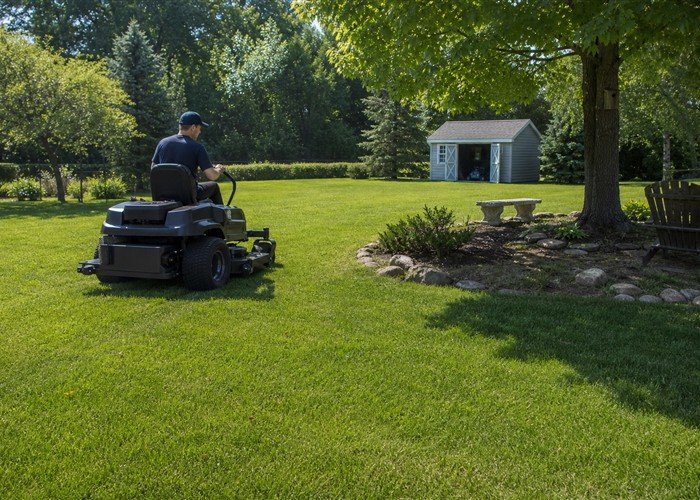
There is no universal percentage, but routine mowing should not depend on reaching empty. Leave enough margin for thicker growth, battery aging, heat, detours, and a safe return to the charging point.
No. Runtime depends on usable total energy and workload. Compare watt-hours or kilowatt-hours, mower efficiency, thermal limits, deck demand, and a representative mowing test.
Only within the charger and battery temperature limits. Some systems restrict charging when packs are too hot or cold. Follow the manual and provide the required circuit and weather protection.
Yes. Blades, deck, bearings, casters, tires, interlocks, connectors, cooling paths, software, and batteries still require inspection and service.
Choose from measured workload backward. The mower must fit the gates and terrain, deliver the required cut, complete a demanding route with reserve, recharge on the available electrical system, and remain supportable locally.
Put promised runtime, included battery capacity, charger requirements, warranty terms, and service responsibility in writing. A good demonstration converts broad claims into evidence from your own grass.
If no candidate finishes the route comfortably, reduce deck load through mowing frequency, split the schedule, add approved capacity, or choose a different power system. Do not make routine work depend on best-case conditions.