 19
Flood-Exposed Mini Excavator: Hold for Inspection Before Reuse
Keep a flood-exposed mini excavator on hold while competent personnel define inspection, authorized testing and documented release before reuse.
Read article
 Français
 EnglishEnglish (United States)
 EspañolSpanish (Spain)FrançaisFrench (France)
 DeutschGerman
 РусскийRussian
 Português do BrasilPortuguese (Brazil)
 Bahasa IndonesiaIndonesian
 ItalianoItalian
 العربيةArabic
 БългарскиBulgarian
 বাংলাBengali (Bangladesh)
 ČeštinaCzech
 DanskDanish
 ΕλληνικάGreek
 SuomiFinnish
 हिन्दीHindi
 HrvatskiCroatian
 MagyarHungarian
 日本語Japanese
 한국어Korean
 Lietuvių kalbaLithuanian
 NederlandsDutch
 Norsk bokmålNorwegian (Bokmål)
 PolskiPolish
 RomânăRomanian
 SlovenčinaSlovak
 SlovenščinaSlovenian
 SvenskaSwedish
 ไทยThai
 TürkçeTurkish
 УкраїнськаUkrainian
 Tiếng ViệtVietnamese
 TagalogTagalog
 Bahasa MelayuMalay
 EestiEstonian
 CatalàCatalan
 Latviešu valodaLatvian
 اردوUrdu
 Српски језикSerbian
 فارسیPersian
 KiswahiliSwahili
 ShqipAlbanian
 ՀայերենArmenian
 ÍslenskaIcelandic
 BosanskiBosnian
 LuxembourgishLuxembourgish
 AfrikaansAfrikaans
No matching language. Try a different name.

Machinery selection, working applications, maintenance and export guidance for equipment buyers and owners.
19Keep a flood-exposed mini excavator on hold while competent personnel define inspection, authorized testing and documented release before reuse.
Read article 20
Plan suitable shelter, clear stop-work communication and an authorized restart before a thunderstorm interrupts mini excavator work.
Read article 21
Clarify biological-hazard assessment, welfare facilities, work boundaries and equipment handover before accepting a mini excavator groundwork package.
Read article 22
Match mini excavator demolition work to asbestos survey scope, resolve exclusions and agree a specialist handover before releasing the machine work boundary.
Read article 23
Plan mini excavator work on dry brush sites with current restrictions, actual exhaust identity, site arrangements and clear stop decisions before dispatch.
Read article 24
Plan mini excavator service access around the exact hood, panel or cab securing provisions, with approved parts, competent repair and a clear return-to-use record.
Read article 25
Verify the mini excavator cab emergency route, applicable glass and specified escape equipment using actual cab instructions and safe familiarisation arrangements.
Read article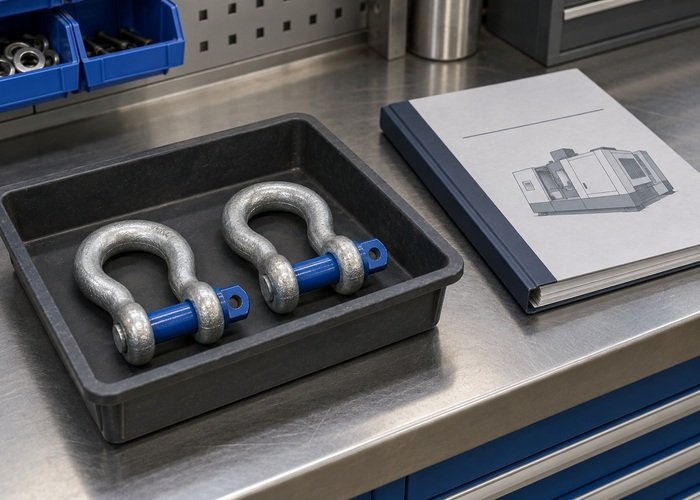 26
Prepare a mini excavator crane-lift inquiry with actual configuration, verified mass, approved lifting documentation and site information for a competent planner.
Read article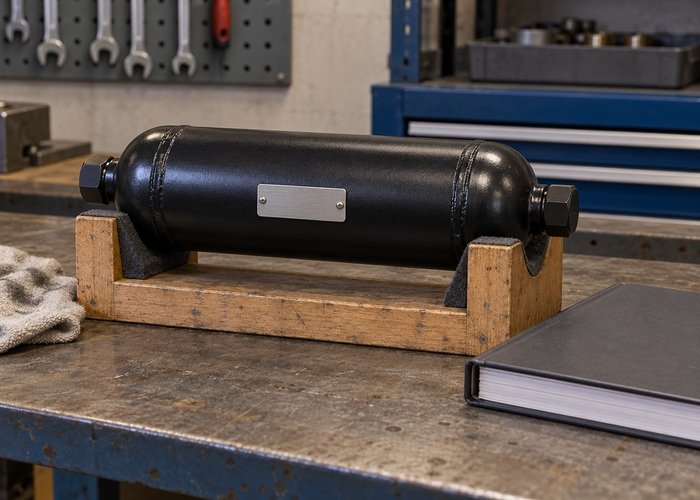 27
Prepare a mini excavator accumulator service request with component identity, circuit information, observed symptoms and qualified stored-energy service planning.
Read article