Telephone/WhatsApp:+86 156 2656 0610
Telephone/WhatsApp:+86 156 2656 0610
Email:info@seekmach.com

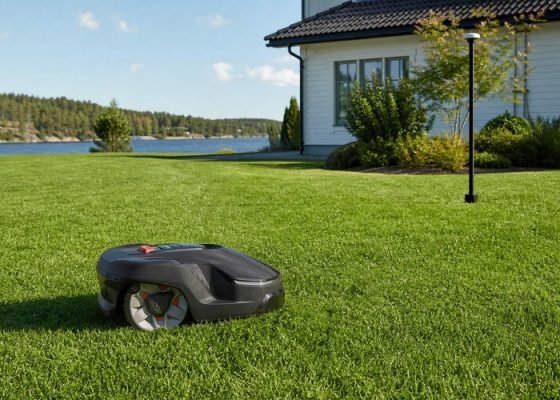
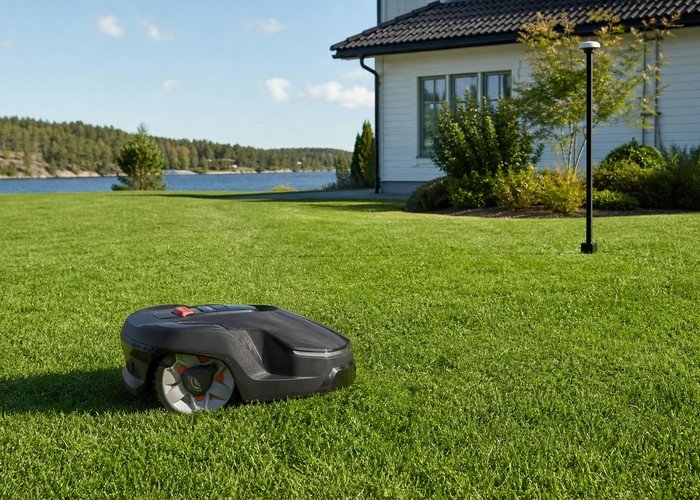
RTK vs Boundary Wire vs Vision Robot Mowers: Choose by Yard Constraints gives buyers and operators a structured way to verify condition, fit, and safety before money or machinery moves.
Continue through the SeekMach equipment range, compare the tractor range, review pelles compactes, see chargeuses compactes, and browse lawn mowers.
Start with records, ratings, and the exact machine: Choose navigation by yard constraints, not by the newest label. Physical boundary wire is predictable under trees and beside buildings but takes installation work and can be cut. RTK virtual boundaries are easy to edit and suit open sky, while vision can help recognize grass and obstacles but still has model-specific limits.
Start with records, ratings, and the exact machine: Walk the entire property and mark tree canopy, narrow passages, tall walls, L-shaped courtyards, slopes, wet ground, drop-offs, public edges, and weak internet areas. These are the places where marketing claims meet the real installation.
Start with records, ratings, and the exact machine: RTK needs reliable satellite reception and correction data. The mower, reference station or cloud service, and docking point each have requirements. Dense trees and buildings can interrupt positioning, so confirm coverage across the lawn in different seasons.
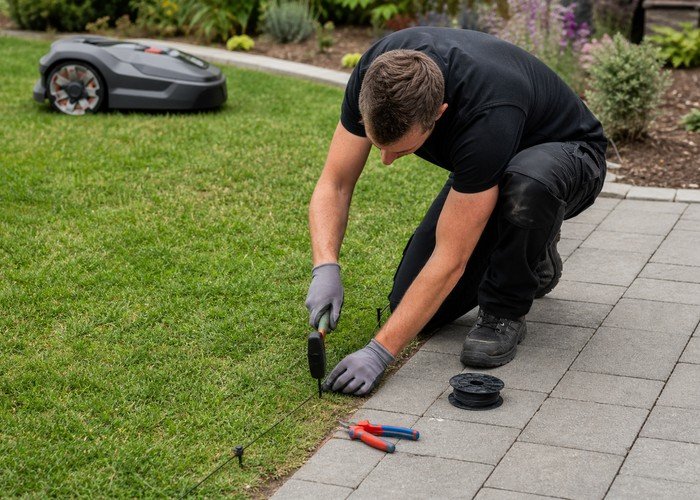
Start with records, ratings, and the exact machine: Boundary wire needs a planned loop, correct spacing, protected crossings, and waterproof joints. It adds a physical failure point but can remain dependable where the sky is obstructed. Map every splice and leave service loops at likely repair locations.
Start with records, ratings, and the exact machine: Vision is useful for obstacle recognition and weak-signal support on compatible models, but it is not permission to ignore ponds, steep banks, roads, pets, toys, or small objects. Confirm how the specific mower handles edges, darkness, rain, narrow paths, and lost localization.
Safety-first walk-around before operation: Choose navigation by yard constraints, not by the newest label. Physical boundary wire is predictable under trees and beside buildings but takes installation work and can be cut. RTK virtual boundaries are easy to edit and suit open sky, while vision can help recognize grass and obstacles but still has model-specific limits.
Safety-first walk-around before operation: Walk the entire property and mark tree canopy, narrow passages, tall walls, L-shaped courtyards, slopes, wet ground, drop-offs, public edges, and weak internet areas. These are the places where marketing claims meet the real installation.
Safety-first walk-around before operation: RTK needs reliable satellite reception and correction data. The mower, reference station or cloud service, and docking point each have requirements. Dense trees and buildings can interrupt positioning, so confirm coverage across the lawn in different seasons.
Safety-first walk-around before operation: Boundary wire needs a planned loop, correct spacing, protected crossings, and waterproof joints. It adds a physical failure point but can remain dependable where the sky is obstructed. Map every splice and leave service loops at likely repair locations.
Safety-first walk-around before operation: Vision is useful for obstacle recognition and weak-signal support on compatible models, but it is not permission to ignore ponds, steep banks, roads, pets, toys, or small objects. Confirm how the specific mower handles edges, darkness, rain, narrow paths, and lost localization.
Engine, fluids, cooling, and leak checks: Choose navigation by yard constraints, not by the newest label. Physical boundary wire is predictable under trees and beside buildings but takes installation work and can be cut. RTK virtual boundaries are easy to edit and suit open sky, while vision can help recognize grass and obstacles but still has model-specific limits.
Engine, fluids, cooling, and leak checks: Walk the entire property and mark tree canopy, narrow passages, tall walls, L-shaped courtyards, slopes, wet ground, drop-offs, public edges, and weak internet areas. These are the places where marketing claims meet the real installation.
Engine, fluids, cooling, and leak checks: RTK needs reliable satellite reception and correction data. The mower, reference station or cloud service, and docking point each have requirements. Dense trees and buildings can interrupt positioning, so confirm coverage across the lawn in different seasons.
Engine, fluids, cooling, and leak checks: Boundary wire needs a planned loop, correct spacing, protected crossings, and waterproof joints. It adds a physical failure point but can remain dependable where the sky is obstructed. Map every splice and leave service loops at likely repair locations.
Engine, fluids, cooling, and leak checks: Vision is useful for obstacle recognition and weak-signal support on compatible models, but it is not permission to ignore ponds, steep banks, roads, pets, toys, or small objects. Confirm how the specific mower handles edges, darkness, rain, narrow paths, and lost localization.
Hydraulics, structure, and working components: Choose navigation by yard constraints, not by the newest label. Physical boundary wire is predictable under trees and beside buildings but takes installation work and can be cut. RTK virtual boundaries are easy to edit and suit open sky, while vision can help recognize grass and obstacles but still has model-specific limits.
Hydraulics, structure, and working components: Walk the entire property and mark tree canopy, narrow passages, tall walls, L-shaped courtyards, slopes, wet ground, drop-offs, public edges, and weak internet areas. These are the places where marketing claims meet the real installation.
Hydraulics, structure, and working components: RTK needs reliable satellite reception and correction data. The mower, reference station or cloud service, and docking point each have requirements. Dense trees and buildings can interrupt positioning, so confirm coverage across the lawn in different seasons.
Hydraulics, structure, and working components: Boundary wire needs a planned loop, correct spacing, protected crossings, and waterproof joints. It adds a physical failure point but can remain dependable where the sky is obstructed. Map every splice and leave service loops at likely repair locations.
Hydraulics, structure, and working components: Vision is useful for obstacle recognition and weak-signal support on compatible models, but it is not permission to ignore ponds, steep banks, roads, pets, toys, or small objects. Confirm how the specific mower handles edges, darkness, rain, narrow paths, and lost localization.
Functional test under realistic load: Choose navigation by yard constraints, not by the newest label. Physical boundary wire is predictable under trees and beside buildings but takes installation work and can be cut. RTK virtual boundaries are easy to edit and suit open sky, while vision can help recognize grass and obstacles but still has model-specific limits.
Functional test under realistic load: Walk the entire property and mark tree canopy, narrow passages, tall walls, L-shaped courtyards, slopes, wet ground, drop-offs, public edges, and weak internet areas. These are the places where marketing claims meet the real installation.
Functional test under realistic load: RTK needs reliable satellite reception and correction data. The mower, reference station or cloud service, and docking point each have requirements. Dense trees and buildings can interrupt positioning, so confirm coverage across the lawn in different seasons.
Functional test under realistic load: Boundary wire needs a planned loop, correct spacing, protected crossings, and waterproof joints. It adds a physical failure point but can remain dependable where the sky is obstructed. Map every splice and leave service loops at likely repair locations.
Functional test under realistic load: Vision is useful for obstacle recognition and weak-signal support on compatible models, but it is not permission to ignore ponds, steep banks, roads, pets, toys, or small objects. Confirm how the specific mower handles edges, darkness, rain, narrow paths, and lost localization.
Decision table: pass, negotiate, or stop: Choose navigation by yard constraints, not by the newest label. Physical boundary wire is predictable under trees and beside buildings but takes installation work and can be cut. RTK virtual boundaries are easy to edit and suit open sky, while vision can help recognize grass and obstacles but still has model-specific limits.
Decision table: pass, negotiate, or stop: Walk the entire property and mark tree canopy, narrow passages, tall walls, L-shaped courtyards, slopes, wet ground, drop-offs, public edges, and weak internet areas. These are the places where marketing claims meet the real installation.
Decision table: pass, negotiate, or stop: RTK needs reliable satellite reception and correction data. The mower, reference station or cloud service, and docking point each have requirements. Dense trees and buildings can interrupt positioning, so confirm coverage across the lawn in different seasons.
Decision table: pass, negotiate, or stop: Boundary wire needs a planned loop, correct spacing, protected crossings, and waterproof joints. It adds a physical failure point but can remain dependable where the sky is obstructed. Map every splice and leave service loops at likely repair locations.
Decision table: pass, negotiate, or stop: Vision is useful for obstacle recognition and weak-signal support on compatible models, but it is not permission to ignore ponds, steep banks, roads, pets, toys, or small objects. Confirm how the specific mower handles edges, darkness, rain, narrow paths, and lost localization.
Questions to ask the seller or operator: Choose navigation by yard constraints, not by the newest label. Physical boundary wire is predictable under trees and beside buildings but takes installation work and can be cut. RTK virtual boundaries are easy to edit and suit open sky, while vision can help recognize grass and obstacles but still has model-specific limits.
Questions to ask the seller or operator: Walk the entire property and mark tree canopy, narrow passages, tall walls, L-shaped courtyards, slopes, wet ground, drop-offs, public edges, and weak internet areas. These are the places where marketing claims meet the real installation.
Questions to ask the seller or operator: RTK needs reliable satellite reception and correction data. The mower, reference station or cloud service, and docking point each have requirements. Dense trees and buildings can interrupt positioning, so confirm coverage across the lawn in different seasons.
Questions to ask the seller or operator: Boundary wire needs a planned loop, correct spacing, protected crossings, and waterproof joints. It adds a physical failure point but can remain dependable where the sky is obstructed. Map every splice and leave service loops at likely repair locations.
Questions to ask the seller or operator: Vision is useful for obstacle recognition and weak-signal support on compatible models, but it is not permission to ignore ponds, steep banks, roads, pets, toys, or small objects. Confirm how the specific mower handles edges, darkness, rain, narrow paths, and lost localization.
A repeatable field checklist: Choose navigation by yard constraints, not by the newest label. Physical boundary wire is predictable under trees and beside buildings but takes installation work and can be cut. RTK virtual boundaries are easy to edit and suit open sky, while vision can help recognize grass and obstacles but still has model-specific limits.
A repeatable field checklist: Walk the entire property and mark tree canopy, narrow passages, tall walls, L-shaped courtyards, slopes, wet ground, drop-offs, public edges, and weak internet areas. These are the places where marketing claims meet the real installation.
A repeatable field checklist: RTK needs reliable satellite reception and correction data. The mower, reference station or cloud service, and docking point each have requirements. Dense trees and buildings can interrupt positioning, so confirm coverage across the lawn in different seasons.
A repeatable field checklist: Boundary wire needs a planned loop, correct spacing, protected crossings, and waterproof joints. It adds a physical failure point but can remain dependable where the sky is obstructed. Map every splice and leave service loops at likely repair locations.
A repeatable field checklist: Vision is useful for obstacle recognition and weak-signal support on compatible models, but it is not permission to ignore ponds, steep banks, roads, pets, toys, or small objects. Confirm how the specific mower handles edges, darkness, rain, narrow paths, and lost localization.
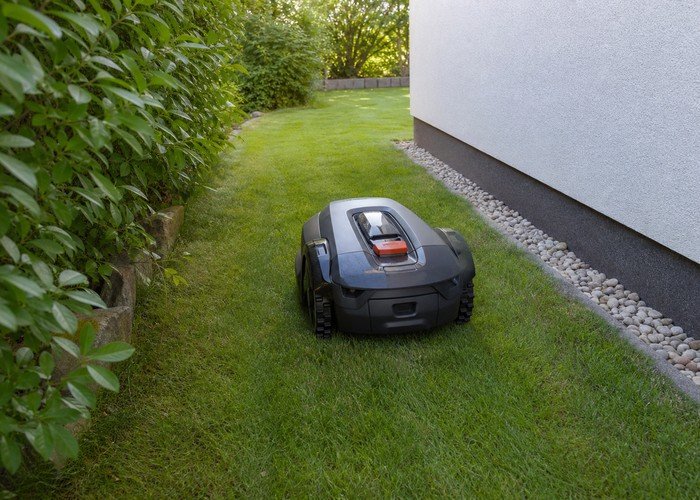
Common mistakes that create expensive surprises: Choose navigation by yard constraints, not by the newest label. Physical boundary wire is predictable under trees and beside buildings but takes installation work and can be cut. RTK virtual boundaries are easy to edit and suit open sky, while vision can help recognize grass and obstacles but still has model-specific limits.
Common mistakes that create expensive surprises: Walk the entire property and mark tree canopy, narrow passages, tall walls, L-shaped courtyards, slopes, wet ground, drop-offs, public edges, and weak internet areas. These are the places where marketing claims meet the real installation.
Common mistakes that create expensive surprises: RTK needs reliable satellite reception and correction data. The mower, reference station or cloud service, and docking point each have requirements. Dense trees and buildings can interrupt positioning, so confirm coverage across the lawn in different seasons.
Common mistakes that create expensive surprises: Boundary wire needs a planned loop, correct spacing, protected crossings, and waterproof joints. It adds a physical failure point but can remain dependable where the sky is obstructed. Map every splice and leave service loops at likely repair locations.
Common mistakes that create expensive surprises: Vision is useful for obstacle recognition and weak-signal support on compatible models, but it is not permission to ignore ponds, steep banks, roads, pets, toys, or small objects. Confirm how the specific mower handles edges, darkness, rain, narrow paths, and lost localization.
Final verification before transport or purchase: Choose navigation by yard constraints, not by the newest label. Physical boundary wire is predictable under trees and beside buildings but takes installation work and can be cut. RTK virtual boundaries are easy to edit and suit open sky, while vision can help recognize grass and obstacles but still has model-specific limits.
Final verification before transport or purchase: Walk the entire property and mark tree canopy, narrow passages, tall walls, L-shaped courtyards, slopes, wet ground, drop-offs, public edges, and weak internet areas. These are the places where marketing claims meet the real installation.
Final verification before transport or purchase: RTK needs reliable satellite reception and correction data. The mower, reference station or cloud service, and docking point each have requirements. Dense trees and buildings can interrupt positioning, so confirm coverage across the lawn in different seasons.
Final verification before transport or purchase: Boundary wire needs a planned loop, correct spacing, protected crossings, and waterproof joints. It adds a physical failure point but can remain dependable where the sky is obstructed. Map every splice and leave service loops at likely repair locations.
Final verification before transport or purchase: Vision is useful for obstacle recognition and weak-signal support on compatible models, but it is not permission to ignore ponds, steep banks, roads, pets, toys, or small objects. Confirm how the specific mower handles edges, darkness, rain, narrow paths, and lost localization.
No. Use this workflow to organize the inspection, then apply the exact limits and procedures in the model manual.
Use a qualified technician when records are incomplete, safety structures are altered, fluids are contaminated, structural cracks appear, or the functional test is inconsistent.
Record serial number, hours, cold-start condition, leaks, wear, measured settings, attachments, faults, photographs, and the person who performed the check.