Telephone/WhatsApp:+86 156 2656 0610
Telephone/WhatsApp:+86 156 2656 0610
Email:info@seekmach.com

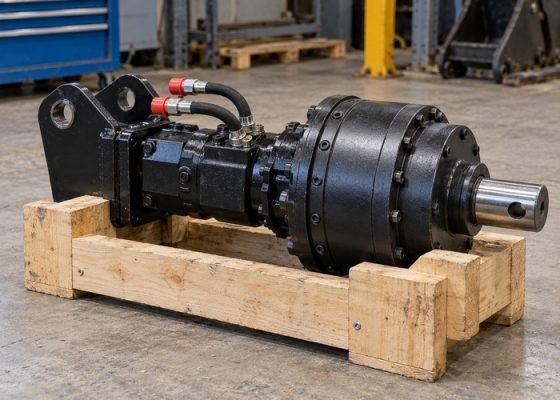
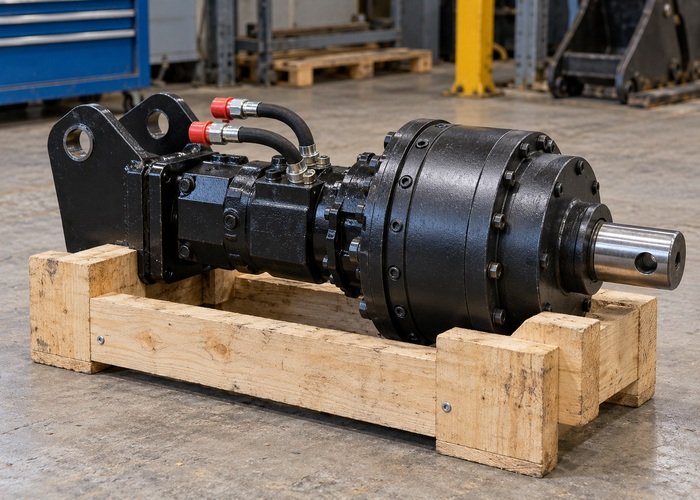
Not necessarily. First establish whether the exact auger drive has a separately lubricated reduction gearbox and what its manufacturer requires. A hydraulic motor can receive power from the carrier while a gearbox has its own lubricant and service record. Do not assume that changing the excavator’s hydraulic oil attends to every lubricated part of the attachment.
This guide helps owners prepare an attachment-service enquiry. It does not prescribe an oil grade, fill quantity, plug location or service interval. Those details depend on the identified drive and current instructions. Qualified attachment service personnel should perform the work using the approved procedure and support arrangements.
Record the drive model and serial identity, available manufacturer information and any separate motor or gearbox identifiers required for service. Photograph the relevant identification from a safe position under the site’s arrangements. A bit diameter or the excavator’s model name is not enough to establish the internal design of the drive head.
Keep the attachment identity with its service records even when the drive is moved between carriers. The receiving machine’s maintenance log may not contain the attachment’s earlier history. If the plate or records are incomplete, ask the supplier or manufacturer how the drive can be reliably identified before ordering oil or a kit.
los Digga Mini Auger Drive operator manual, version 4.0 illustrates why product identification and a specific manual matter. Its requirements apply to the models it covers. They must not be transferred to an unnamed drive or treated as proof that a particular SeekMach attachment has the same construction.
Ask whether the drive has a separate gearbox lubricant, which document defines it and what information is needed for an accurate service quotation. Confirm the manual revision and the serial or model range it covers. A general description of a hydraulic auger should not replace that check.
Keep the carrier and attachment requirements distinct. The carrier hydraulic circuit, the attachment motor and a separately lubricated gearbox are different parts of the complete system. Explain which part is being discussed whenever someone proposes an oil change, checks a level or requests a replacement lubricant.
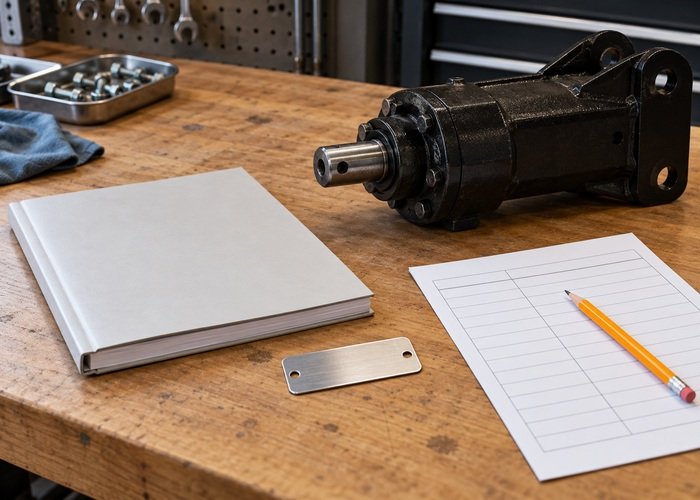
Give the qualified service provider the identified unit and ask for the approved lubricant information and required service method. Do not select oil solely because it was used in a travel motor, another auger or a similarly shaped gearbox. A familiar product name is not evidence of approval for this drive.
Digga’s auger and anchor drive servicing article provides an example of why attachment gearbox service needs its own attention. It is technical context for those products, not a universal schedule or procedure. Confirm which instructions govern the exact unit and its duty before planning the work.
Where web pages and manuals show different service information, do not average the numbers or choose the most convenient one. Ask the responsible manufacturer or service contact to resolve the difference in writing. Preserve the answer and the document revision with the attachment’s record so that the question is not reopened from incomplete information later.
| Record item | Information to collect | Why it matters |
|---|---|---|
| Drive identity | Model, serial and relevant component identifiers | Connects requirements to the correct unit |
| Instrucciones | Current applicable manual and written clarification | Avoids using another product’s procedure |
| Prior service | Date, recorded use and actual work completed | Distinguishes gearbox work from carrier servicing |
| Lubricant evidence | Approved product identity and service-provider record | Supports future compatibility questions |
| Observations | Reported leaks or other changes | Gives qualified service a factual starting point |
Do not fill missing history with an assumed change date. Identify what is known and what needs assessment. If an attachment has moved between machines, explain how use was recorded. A carrier hour meter can be useful context, but it should not be presented as a complete attachment-use record when that is not what it represents.
Record any visible leak evidence or change noticed under the approved inspection arrangements. Give the location, timing and relevant circumstances to the service provider. Photographs can support the report when taken safely, but they do not by themselves establish which seal, housing or internal component is at fault.
Follow the responsible site’s defect and withdrawal arrangements where safe use may be affected. Do not keep using a suspect drive merely because oil can be added. A repeated loss requires appropriate qualified assessment, and any decision to return the attachment to service should be documented through the applicable process.
A service-kit label should match the actual drive family and required work. Ask the supplier to confirm the contents and the basis of compatibility. Similar appearance, carrier size or a general auger description is not sufficient. Keep the confirmation with the quotation and service record.
Digga’s drive-unit service-kit information shows that kits are associated with different product families. It does not establish that a listed kit fits another manufacturer’s equipment. No kit, part number or capacity from that page is claimed here as suitable for a SeekMach attachment.
If the service proposal includes replacement parts or a different lubricant, identify who approves the change. Resolve any discrepancy before work begins. A complete order delivery does not demonstrate that every item was selected for the correct serial or that a proposed substitution has been accepted.
los auger hole-layout and job-planning guide addresses work with the attachment. That operational context does not identify the drive’s gearbox requirements. Maintain a separate attachment record so that job information and maintenance evidence remain available for their different purposes.
los mini excavator final-drive oil guide concerns travel-drive components. Do not apply its oil, quantity or level arrangement to an auger reduction unit. The presence of the word gearbox does not make different designs interchangeable for maintenance.
Discuss with the qualified provider how the attachment will be received, supported and handled for the planned work. Follow the manufacturer and site instructions for isolation and handling. This article gives no method for lifting a drive, opening a plug or disassembling a motor or gearbox.
Clarify what the service provider will inspect, what evidence will be returned and what conditions apply to release. Ask whether unresolved findings require further authorization. A clear scope avoids confusing a simple recorded lubricant service with a complete inspection or repair of every drive component.
If the drive is sold, rented or moved to another crew, pass on the applicable documents and known service history. Identify any outstanding defect or clarification. A new carrier does not reset the attachment’s condition or establish that its gearbox has been serviced.
When enquiring about an excavator auger, request the exact supplied drive identity and maintenance documentation. Product-category wording alone should not be used to infer a gearbox design. Confirm the information for the unit being quoted and retain it with the equipment record.
Give each provider the same model information, known history and observations. Ask whether the proposal includes identification checks, the required lubricant work, parts if needed and the specified return-to-service evidence. List exclusions and unresolved questions rather than comparing only the final price.
After service, record what was actually completed and which document or written instruction governed it. Keep the provider’s findings with the attachment identity. If later work reveals a different component or serial information, update the record and resolve whether earlier assumptions need review before continuing the maintenance plan.
If earlier lubricant identity, service dates or attachment use are unknown, include that limitation in the next service request. Ask the qualified provider what assessment is appropriate before setting a future plan. Do not create a service entry solely to make the history look continuous. Where a written clarification is received, retain the original response and identify the drive it covers. This helps the next owner distinguish a confirmed requirement from a note copied from another attachment. It also gives the provider a clear record of which questions have already been resolved and which still require attention.
No automatic conclusion follows. Verify the exact drive design and its current manufacturer instructions.
Only the actual work and design can establish what was serviced. Do not assume carrier maintenance includes a separately lubricated attachment gearbox.
Use the requirements confirmed for the identified drive. Resolve conflicting information with the responsible manufacturer or qualified service contact.
No. Obtain confirmation for the actual drive family and required work before ordering or using it.