Telephone/WhatsApp:+86 156 2656 0610
Telephone/WhatsApp:+86 156 2656 0610
Email:info@seekmach.com

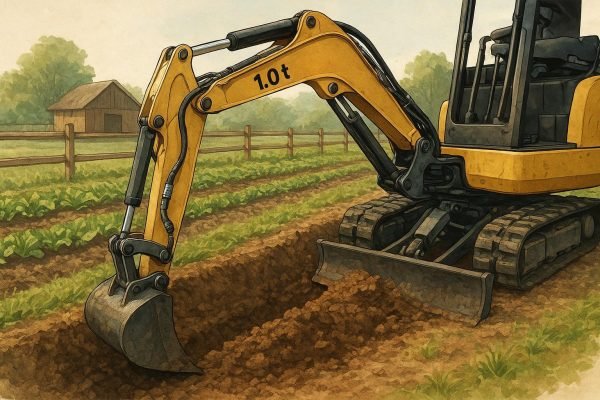
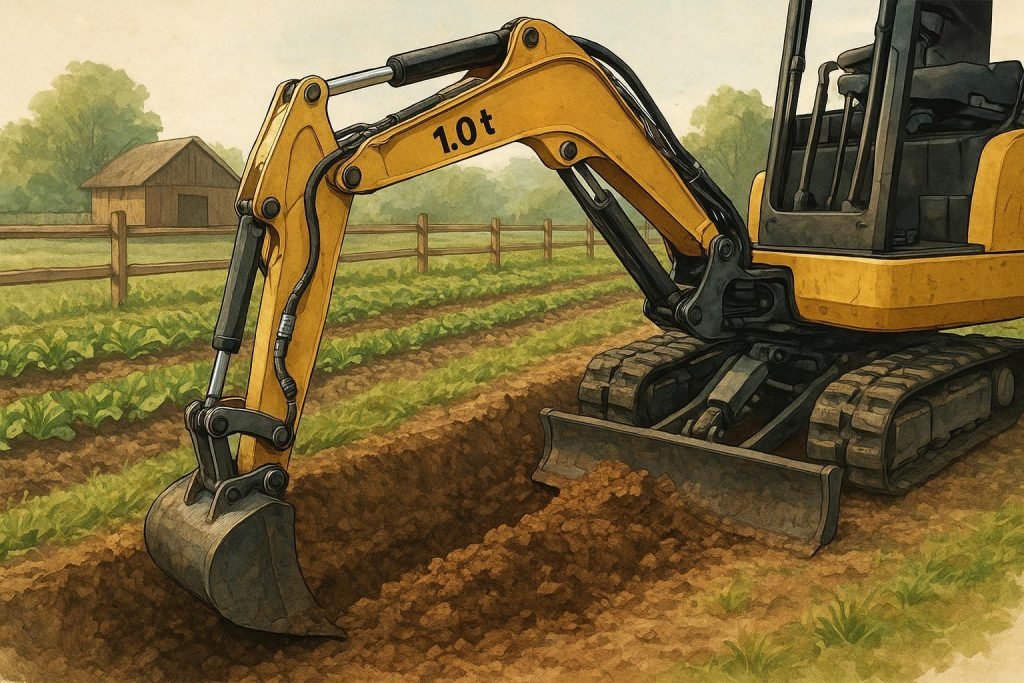
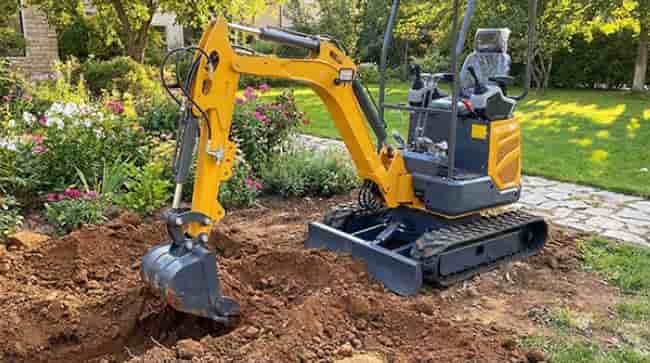
If you run a small farm or homestead, you don’t need a giant machine—you need a compact excavator that digs reliably, feeds an auger without stalling, and keeps trenching at a steady pace. This hands‑on style review looks at how the SeekMach 10ECO fits those day‑to‑day jobs with a clear emphasis on power and performance rather than brochure gloss.
This page targets buyers ready to compare, get price and lead time, and decide whether the 1‑ton class is enough for irrigation ditches, fence posts, and utility repairs. For specs and quotations, go straight to the product page: SeekMach 10ECO 1.0‑ton Mini Excavator.
If you manage 1–10 acres and juggle projects like shallow irrigation ditches, 100–200 mm post holes, or fixing a water line after a frost, a 1‑ton excavator can be a practical, lower‑cost ownership path. It’s not a replacement for a big backhoe, but it gets more done than repeated weekend rentals when jobs keep popping up. Community owners often highlight the easy learning curve and versatility for light trenching and utility runs on small properties, as discussed by homestead operators in the TractorByNet community’s notes on learning compact excavators and using them for French drains and utility lines, summarized in the forum’s broad discussions such as the thread on learning to operate a rental mini excavator (2024–2026) found on TractorByNet’s site: TractorByNet discussion on learning a rental mini excavator.
Paper numbers don’t tell the whole story. Before you commit, put the 10ECO—or any 1‑ton unit—through a short field routine that mirrors your farm work. Think of it like a pre‑purchase road test.
You’re listening for smooth, precise joystick response and steady power at partial lever inputs. On small machines, choppy hydraulics slow trenching and make augering frustrating. A simple check: trace a 30‑foot shallow groove while feathering the boom and arm, then crowd the bucket at the end. If the excavator maintains smooth motion and the pump doesn’t surge or “hunt,” you’ll likely get the fine control needed for irrigation ditching and finishing passes. Owner‑operators on heavy equipment forums frequently call out hydraulic smoothness as a top factor for productivity in compact classes; see the farm‑context discussions in Heavy Equipment Forums that compare real‑world behavior and maintenance realities for small excavators over thousands of hours: Heavy Equipment Forums insights on compact excavators in farm use.
Breakout isn’t just a number—it’s how the machine bites in your soil. In clay loam, a narrow bucket (6–8 inch) can keep the trench moving and reduce spillage. Try a 10–15 minute trench segment at 0.3–0.5 m depth. Watch whether the bucket fills without excessive rocking, and whether you can hold a consistent pace without stalling. Community reports note that budget 1‑tonners can struggle in hard clay or rocky ground and may need patient, staged passes. For practical expectations from homestead users—including where compact machines shine and where they bog down—see the smallholding use patterns in TractorByNet’s threads on farm‑size selection and techniques: TractorByNet discussion on excavator size for farm work.
Cycle speed shows up in how quickly you lift, curl, swing, and reset for the next bite. Stability keeps the trench straight and the auger centered. With the blade down, track the machine’s ability to hold line without bouncing. For an auger test, practice short pulses rather than continuous feed to avoid stalling—this is a standard technique many operators use with compact flows. The idea is simple: a quick feed, clear the spoil, repeat. It feels slower but saves time over a jam. Discussions among owners also underline that undercarriage condition and overall machine mass influence stability and service life; long‑running threads on Heavy Equipment Forums often flag undercarriage wear as a hidden cost on small excavators used daily in rough terrain: Heavy Equipment Forums discussion noting wear patterns and service timing.
Use the narrowest bucket that meets your pipe spec to keep production up and backfill minimal. Blade down, keep your bench flat, and meter the arm speed so the bucket bites without skating forward. In community advice, compact excavators are effective for shallow utility trenches and French drains on 1–5 acre properties, provided you avoid rocky sections or plan for slower progress where soil binds. These patterns echo across practical tips in TractorByNet’s threads on ditching techniques over multiple seasons: TractorByNet mini ditch digging techniques.
Two checks matter: auxiliary flow/pressure and the auger’s recommended range. Many 1‑ton units run modest flows; confirm the 10ECO’s published auxiliary figures with the seller before you size a 100 or 200 mm bit. In the field, use pulse‑feed to avoid stalling in sticky clay. If you hit stone, clear and reposition rather than forcing down. This is where control smoothness pays off—the ability to inch the head and keep the hole vertical.
A 1‑ton machine will pop small stumps with patience and slicing cuts, but big roots and boulders are not its strength. Treat heavy stump work as a multi‑session job or plan a larger machine for a day. For utility repairs in soft ground, the 10ECO’s compact footprint helps reduce turf damage and lets you work beside fence lines or sheds.
One quiet advantage of this class is simple transport. A typical 1‑ton mini fits small trailers, clears garden gates, and can be staged close to stock water or outbuildings. Daily walk‑arounds take minutes: check track tension, scan hose routing for rub points, and look over welds and pins. Owner communities often remind buyers that compact excavators can log thousands of hours with disciplined maintenance and that neglected undercarriages become the surprise bill later. If you plan frequent auger or hammer use, set a preventive schedule to inspect couplers, case drains if used, and hose crimps.
The official page does not publish price; quotes are inquiry‑based. For accurate numbers, request a current figure along with estimated lead time, shipping terms, and any customization options that affect auxiliary hydraulics. Start here: SeekMach 10ECO 1.0‑ton Mini Excavator product page. If you are comparing multiple “1.0‑ton mini excavator for sale” options, align apples to apples—same bucket width, similar soil type, and the same attachment profile during demos.
Pricing is provided by quote on the official product page. Warranty terms are typically shared during the quote process; ask for hour and month coverage in writing along with exclusions.
For export or local compliance, confirm the engine’s emissions status and any CE documentation required in your market. Ask the seller to share the exact engine model and emissions tier on the quote.
Match the auger manufacturer’s recommended flow and pressure to the excavator’s auxiliary spec. If you plan 100–200 mm bits, request the 10ECO’s auxiliary figures in writing and run a short drill test during demo if possible.
In softer ground, yes—for trenching, post holes, and small utilities. In hard clay with rock, productivity slows and you may need narrower buckets, staged passes, or a larger machine for a day.
Ready to check fit, price, and lead time for your jobs Give the seller your soil profile, bucket and auger sizes, and target start date, then request a written quote here: SeekMach 10ECO 1.0‑ton Mini Excavator.