Telephone/WhatsApp:+86 156 2656 0610
Telephone/WhatsApp:+86 156 2656 0610
Email:info@seekmach.com

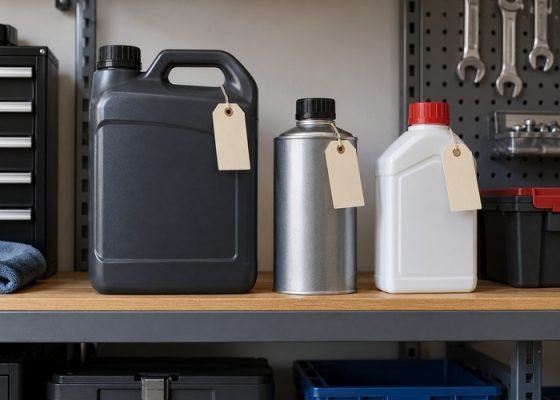
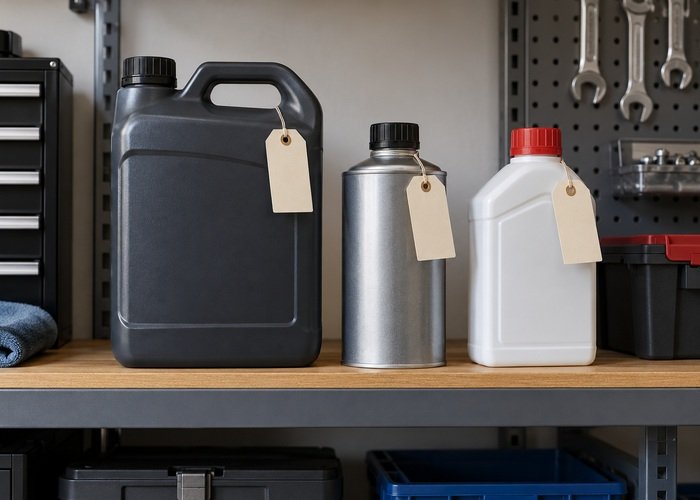
Confirm the exact approved fluid, the reason oil is needed and the manufacturer’s replenishment procedure before planning the transfer. Keep the oil’s identity traceable and protect the clean transfer equipment from contamination. A new container is not, by itself, proof that the fluid meets every cleanliness requirement of the machine.
This guide covers clean handling of a hydraulic fluid that has already been approved for the exact excavator. It does not choose an oil grade, prescribe a cleanliness code or provide a procedure for opening a hydraulic reservoir. Qualified people must follow the machine instructions and required isolation arrangements. If fluid identity or the cause of a repeated loss is uncertain, resolve that issue before treating topping up as routine.
Record the machine identity and the document that establishes its fluid requirement. Compare the actual product supplied with that requirement, including any written approval needed. A similar viscosity label or a familiar container colour is not enough to establish compatibility. Keep purchasing descriptions and workshop labels consistent so that the person handling the oil can identify it reliably.
Include the container or batch information available from the supplier. Note whether the package was previously opened and what is known about its storage and handling. An unmarked decanted container should be treated as an unresolved identity problem, not assigned an oil name from memory because the machine needs attention.
If the proposed fluid is a change from what is in the system, use the separate hydraulic-fluid conversion approval guide. Clean transfer cannot make an unapproved mixture suitable. Resolve conversion, compatibility and any required service process before discussing replenishment equipment.
Donaldson’s hydraulic contamination guidance identifies adding fluid as one route by which contamination can enter a system. The practical question is how the planned handling arrangement protects the oil between its container and the machine. A container, hose or fitting can become part of that route even when the correct fluid was purchased.
Review the complete chain: storage, movement to the work area, transfer equipment and the approved machine connection. Identify where equipment might be exposed to dirt or water and who checks its condition. Do not assume the machine’s installed filter removes the need to control contamination introduced during replenishment.
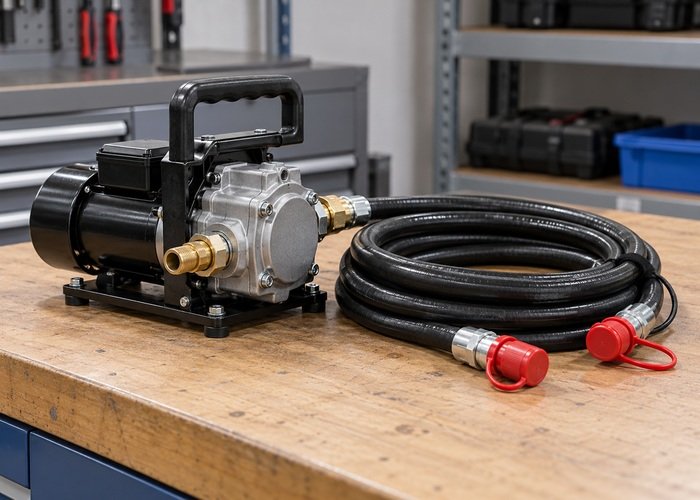
Establish which containers, hoses and equipment are designated for the approved fluid and how they are identified. Keep their history clear enough that the next technician does not need to guess what they previously handled. Equipment used for waste oil or an unknown fluid should not be assumed suitable for clean replenishment merely because its exterior has been wiped.
Specify how the equipment is stored and protected when it is not in use. Confirm who checks its condition before the planned work and what findings require it to be removed from that duty. The appropriate cleaning, inspection or replacement method depends on the equipment and fluid requirements; do not improvise a universal solvent treatment.
Ask the responsible service contact to resolve uncertainty about equipment previously used for another product. A label added today does not establish that the interior is clean or compatible. Preserve the decision with the equipment record so that it is not repeatedly reconsidered from incomplete information.
Any proposed transfer filter, pump or connection needs to be suitable for the approved fluid and machine arrangement. Request the relevant requirements from the machine and equipment suppliers. Do not copy a filter rating, pump arrangement or filling connection from another excavator simply because it appears convenient.
Donaldson’s discussion of contamination in new equipment explains why manufacturing, storage and handling history matter. It provides technical context, not a cleanliness target or approval for a particular retrofit. Have qualified people establish the required evidence and arrangement for the actual system.
Keep the intended purpose of filtration explicit. A transfer arrangement, an installed hydraulic filter and a reservoir breather perform different roles. The hydraulic filter replacement guide concerns element selection and service evidence. It does not automatically approve an external transfer setup.
| Artikel | Evidence to establish | Uncertainty to resolve |
|---|---|---|
| Machine requirement | Exact identity and current approved fluid information | Unconfirmed specification or prior mixture |
| Container identity | Product, batch and known handling history | Unlabelled or damaged package |
| Transfer equipment | Designated duty, condition and storage record | Previous use with waste or unknown fluid |
| Transfer arrangement | Approved pump, filtration and connection requirements | Unverified retrofit or component selection |
| Service result | Recorded amount, observations and required checks | Repeated unexplained fluid loss |
HSE’s work-equipment maintenance guidance provides background on planning maintenance and using competent people with suitable instructions. Apply that planning principle to the actual fluid-handling task. It does not establish a storage specification, product approval or filling method for a particular excavator; obtain those requirements from the responsible suppliers and machine documentation.
Consider how packages and equipment reach the work area. Protect them from the conditions identified in the service plan and avoid losing identity when several products are handled together. Keep the required documentation accessible to the technician instead of separating the container from the information needed to verify its contents.
Where the job is performed away from the workshop, resolve how clean equipment will be protected during transport and between tasks. If the expected conditions do not support the required handling arrangement, change the location or plan rather than assuming that a quick transfer avoids the risk.
Use the machine’s approved checking method and have the service record identify what was actually added. Record the date, relevant machine hours, fluid identity and the reason for the work. Do not infer a correct level from the amount another machine required. Capacity and the proper checking conditions come from the exact instructions.
Repeated topping up should prompt qualified investigation into the reason for the loss or an apparent level change. Record the pattern and observations without diagnosing a fault from a general article. Do not continue normalizing an unexplained change simply because adding fluid temporarily removes an operational concern.
Das hydraulic oil analysis guide addresses sampling and interpretation. Analysis may provide information for the service decision when appropriately specified, but a clean-looking sample or a favourable result from another batch does not validate every container or transfer device.
If a specialist requires evidence of fluid condition or cleanliness, clarify the sampling method and how the result relates to the actual job. Keep the container identity, sampling record and service decision connected. Avoid presenting an unverified claim that all new oil is clean enough or that all oil must meet a single universal target.
Record where the approved fluid and designated transfer equipment are stored and how their identity is maintained. Include any restrictions, such as a container awaiting clarification or equipment removed from clean service. Make those restrictions visible through the workshop’s normal system so that an unbriefed person does not put the item back into use.
At a rental or ownership change, preserve relevant fluid information and unresolved service findings with the machine record. A receipt for a quantity of oil alone does not show which machine received it or why. Clear records reduce the need to reconstruct the history when a later technician investigates a level or contamination concern.
Give suppliers the approved fluid and machine requirements rather than asking for a generic hydraulic-oil pump. Ask what documentation covers compatibility, connections, filtration where specified and maintenance of the transfer equipment. Identify what is included in the proposal and which approvals remain the customer’s responsibility.
Keep the final configuration with the service plan. If a pump, hose or filter is substituted, have the relevant requirements reviewed before use. A component that appears similar may have a different intended duty. Do not let a convenient replacement silently change an approved arrangement.
Do not assume it meets every machine requirement. Verify the approved fluid and the necessary handling and cleanliness evidence for the actual system.
A new label does not establish suitable condition or compatibility. Have the responsible service contact determine whether the equipment can be used for that duty.
No. Replenishment and transfer arrangements need to follow the exact machine requirements and applicable equipment approvals.
Record the pattern and refer the cause for qualified assessment. Do not treat unexplained repeated loss as a normal maintenance requirement.