Telephone/WhatsApp:+86 156 2656 0610

Telephone/WhatsApp:+86 156 2656 0610
Email:info@seekmach.com

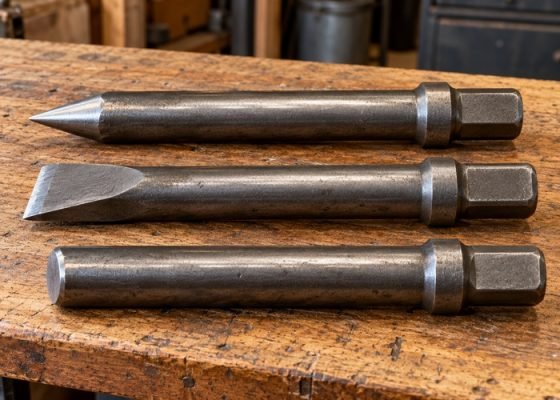
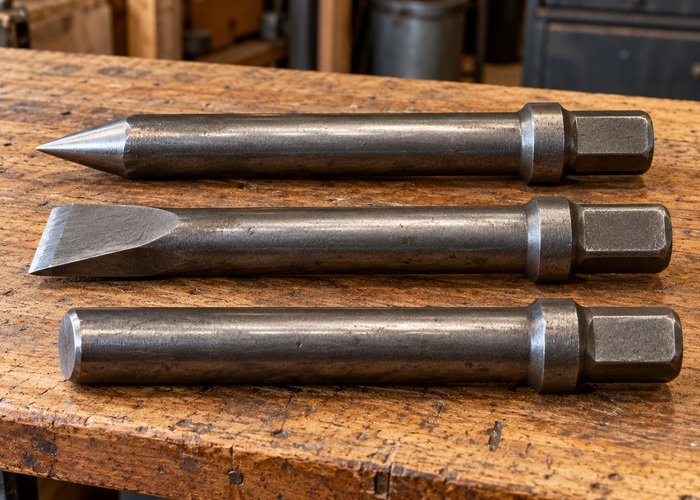
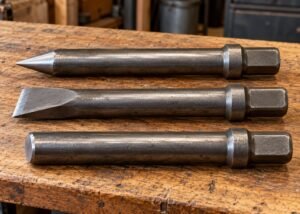
A mini excavator breaker tool should be selected for the material and the intended breaking task, then checked for exact compatibility with the hydraulic breaker. Moil points, chisels and blunt tools have different working-end shapes. None is a universal upgrade, and the carrier’s weight alone cannot identify the correct replacement consumable.
Start with two separate questions: which working shape is appropriate, and which approved part fits this breaker? This guide helps prepare that enquiry. It does not provide a tool-removal sequence, operating procedure or a guarantee of breaking output. Use the exact attachment manual and qualified support before installation or operation.
Record the material, its condition and the purpose of the work. A request for a “concrete breaker point” leaves important questions unanswered: is the task opening a controlled line, reducing already detached material, or breaking a larger mass under an approved demolition plan? Include known reinforcement and access constraints without assuming they can be overcome by a different tool.
Photographs and a clear description help the supplier assess the application. Mark what is known and what still needs site investigation. Do not describe uncertain material as a confirmed rock type or promise that a chosen point will penetrate it. The proposed attachment and method still need to suit the actual work.
Keep the machine and attachment requirements separate from this description. The auxiliary hydraulic matching guide concerns the carrier and attachment supply. Selecting a working-end shape does not establish acceptable flow, pressure, return arrangements or mounting compatibility.
Epiroc’s working-tool service card distinguishes penetration and wedging roles from a blunt tool’s energy-transfer role. Its recommendations depend on material and task. Treat the document as a manufacturer’s selection framework, not a compatibility chart for every breaker.
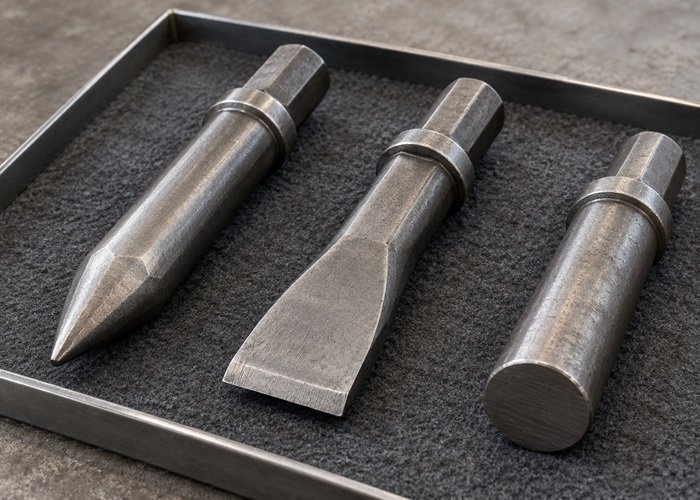
A pointed moil, a wedge-shaped chisel and a flat-ended blunt tool therefore deserve separate application questions. Ask which shape the actual breaker manufacturer approves for the recorded material and objective. Do not select solely from a product photograph, and do not assume that changing the shape corrects an unsuitable attachment or operating method.
The service card is dated 2017-12. Its general comparison can inform an enquiry, but current instructions and approved part references for the actual attachment take priority. Recommendations, dimensions or product claims for one manufacturer’s range must not be presented as SeekMach specifications.
| Shape under consideration | Question for the supplier | What the shape cannot establish |
|---|---|---|
| Moil point | Is a pointed working end approved for this material and task? | Exact breaker fit or guaranteed penetration |
| Chisel | Is the proposed wedge profile and orientation suitable? | Permission to pry or use an unapproved method |
| Blunt tool | Does the task call for the approved flat-ended option? | Universal suitability for every concrete or rock job |
| Special profile | What application and breaker approval supports it? | Interchangeability based only on an advertised diameter |
Use the table to structure the conversation, not to select a part without further information. A supplier should be able to connect the recommendation to both the job description and the attachment identity. If either is uncertain, preserve the uncertainty in the quotation rather than filling the gap with a general claim.
Record the breaker manufacturer, model, serial number and applicable parts information. An excavator model can describe the carrier without identifying an attachment that has moved between machines. Make sure the enquiry refers to the breaker actually installed, including relevant modifications or previous service history.
Epiroc’s consumables catalogue organizes working tools within its own equipment range. It demonstrates why an attachment reference matters. It does not prove that a listed Epiroc tool fits a SeekMach-supplied breaker or establish cross-brand interchangeability.
If the identification plate is missing or unreadable, ask the responsible supplier how to establish identity safely. Do not begin disassembly just to obtain a quotation photograph. Accessible markings and existing service records may resolve the question; a qualified inspection may be necessary if they do not.
The working tip is only one part of a breaker tool. The shank and retaining features must match the approved design. Ask the supplier which part reference applies and what evidence supports the match. An approximate diameter or overall length taken from a worn tool cannot establish every required feature.
Keep measurements clearly identified as observations, including who took them and under what conditions. Do not treat a rough field measurement as an engineering drawing. Where measurement requires removal, isolation or special access, have the qualified service provider plan that work under the correct instructions.
Request confirmation of any associated retaining parts and the intended installation scope. Ask whether inspection of relevant bushes or other components is required by the manual. A new working tool should not be used to conceal an unresolved fit, wear or retention concern in the attachment.
Report a damaged tip, unusual wear or reduced progress with the circumstances in which it was observed. These may lead to different enquiries. Selecting another shape is not a diagnosis of the attachment’s condition, and a damaged consumable does not by itself identify the underlying cause.
Keep any photographs tied to the tool identity and date. A picture can show appearance but cannot prove an acceptable wear limit or the absence of internal damage. Ask the service provider which inspections are needed and record the conclusion. Avoid invented rejection dimensions or a universal remaining-life estimate.
The existing breaker operation and maintenance guide provides broader context. The replacement enquiry should remain focused on the actual tool and its approved application. An operating guide does not replace the serial-specific parts reference or inspection findings.
The order should identify the breaker, proposed working shape, approved part number, relevant application and included retaining components. Ask for confirmation of any superseding number or substitute. Retain the response so the installer does not have to infer the original decision from a generic invoice description.
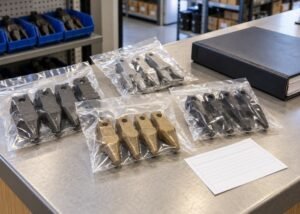
On delivery, compare the packaging identification with the approved order before scheduling installation. Raise missing items, transit damage or an unexplained part change with the supplier. Keep the new tool separate from rejected or unidentified components while the discrepancy is resolved. Do not trial-fit a questionable part to see whether it can be made to work.
For a larger parts enquiry, use the spare-parts ordering guide to organize machine and attachment identity. Avoid combining similar-looking tools from several breakers into one unspecified order. Each approved application needs its own traceable reference.
Arrange qualified installation using the exact breaker instructions. The HSE maintenance guidance highlights unexpected starting and tool failure among maintenance hazards. Plan access, isolation and communication before work. This article does not authorize removing a tool from an energized or unsupported attachment.
Record the part fitted and the checks actually completed. Keep unresolved concerns visible to the operator and the person responsible for the work plan. A successful installation does not approve the demolition method or establish safe conditions for nearby people.
Reconsider the application when material, access or the intended task changes. A part chosen for one recorded job should not become a permanent claim of suitability for every later job. Carry the manufacturer’s instructions and the supplier’s application confirmation forward with the attachment record.
When several crews share the breaker, provide a clear handover that identifies the installed tool and its approved task. Distinguish consumable replacement from any other maintenance performed. This helps the next team ask the right questions without interpreting a new tool as evidence that the complete carrier and attachment system was inspected.
Ask the supplier to state which parts of the job description informed the proposed shape. If reinforcement, rock condition or the intended breaking objective is uncertain, list those assumptions explicitly. A recommendation based on detached material should not silently become approval for a different structural demolition task.
Before the next job, compare the actual material and objective with that recorded basis. Where they differ, return the question to the responsible person before work starts. This makes the selection record useful beyond the invoice while avoiding a blanket performance promise or a permanent approval for unrelated applications.
No. Select the approved shape for the material and task, then confirm the exact breaker-specific part.
No. Confirm the full approved shank and retaining arrangement with the attachment identity and parts information.
Do not assume so. Carrier hydraulics and working-tool selection are separate checks.
Have the relevant condition and application assessed. Record what was found and what remains unresolved before returning to work.