Telephone/WhatsApp:+86 156 2656 0610

Telephone/WhatsApp:+86 156 2656 0610
Email:info@seekmach.com

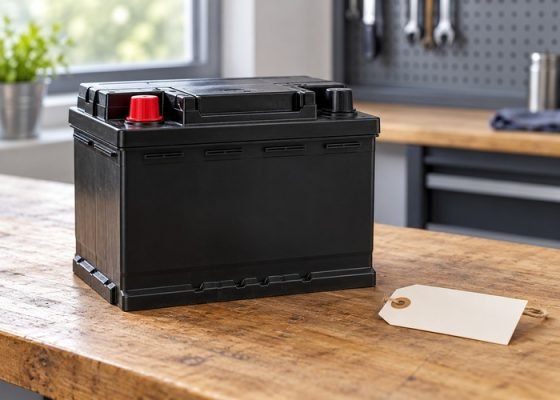
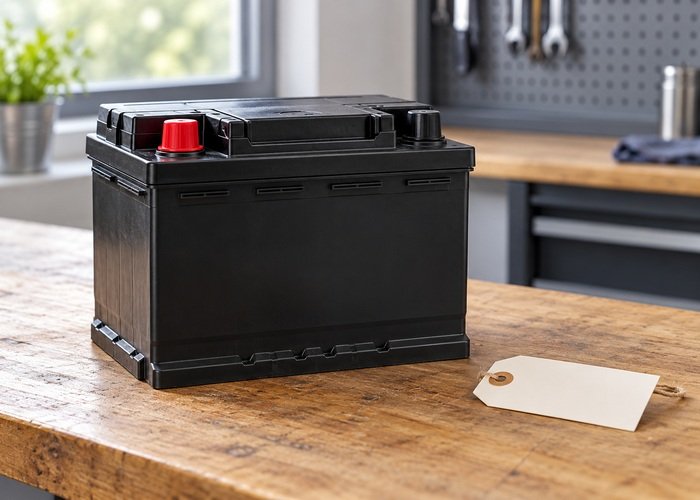
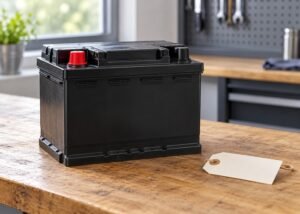
Choose a mini excavator replacement battery from the machine’s documented electrical requirements and the physical installation. Confirm the required voltage, battery technology, ratings, case dimensions, terminal arrangement and securing method before ordering. A battery that looks similar or offers a higher advertised starting rating is not automatically a suitable replacement.
This is a purchasing and service-planning guide for a conventional engine-starting battery. It does not cover a traction battery in an electric excavator. It also does not provide a terminal-disconnection, charging or jump-start sequence. Give those tasks to an authorized person following the exact machine and battery instructions.
Slow cranking or a machine that will not start is an observation, not a battery specification. Record when the problem happens, whether the machine has stood unused and what previous service was performed. A qualified technician can determine which tests are appropriate before the owner purchases a new component.
Ask for the test conclusion and any unresolved electrical fault to be recorded separately. A replacement should not hide a charging-system concern, damaged connection or unexplained discharge. If the existing battery passes the applicable checks, buying a larger one does not answer why the starting complaint occurred.
For seasonal context, see the excavator winter preparation guide. Cold-weather planning and battery fit are related decisions, but a seasonal starting complaint does not establish an approved change in battery size, technology or charger requirements.
Record the excavator model and serial number, then obtain the relevant electrical and parts information. If the engine or electrical system has been modified, disclose that history. Do not assume that every machine sold under a similar model name has the same battery arrangement or service access.
Record the installed battery’s visible identification only when it is safely accessible. Include the product reference, technology and ratings shown on the label, and note whether the label is incomplete. Treat the installed part as useful evidence, rather than proof of the original specification: an earlier owner may have fitted an unsuitable substitute.
If several batteries are present, ask the service provider to identify their roles and the approved replacement arrangement. Do not infer system voltage simply by counting cases. A replacement enquiry should make clear which component is being assessed and whether other batteries or associated equipment affect the decision.
Voltage, capacity and starting performance describe different characteristics. The machine’s requirements determine which values and rating standards matter. Record units and the stated test standard rather than comparing two prominent numbers without context. Ask the supplier to explain any difference from the approved specification.
Das VARTA battery product information presents voltage, amp-hour capacity, cold-cranking ratings, technology and dimensions as distinct fields. That illustrates how a battery is described; an automotive listing is not an application approval for an unidentified excavator. Use the machine documentation and an accountable supplier confirmation to select the actual replacement.
Do not choose a chemistry conversion simply because a different technology is marketed as longer lasting or lighter. The charging system, operating environment and installation need to support the approved battery type. A proposed substitution needs explicit confirmation for this machine, including any service or charging changes required.
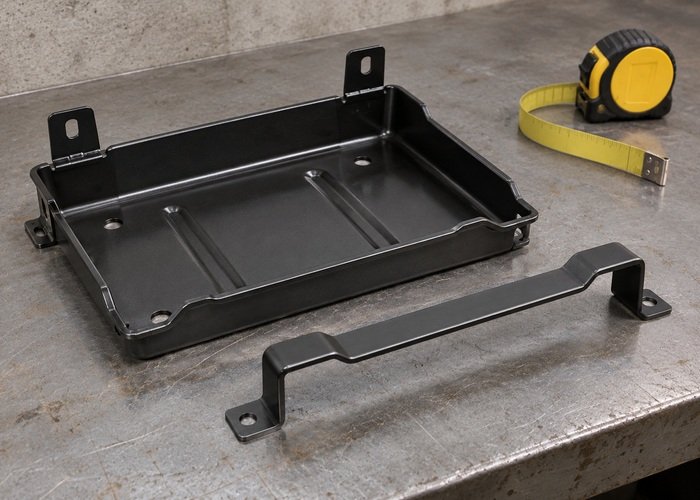
Length and width are only part of the fit check. Overall height, terminal height, the securing arrangement and clearance to covers or nearby metal also matter. Ask the technician to verify these against the approved installation. An empty space around the old battery does not authorize fitting a taller or differently shaped case.
Record the mounting features expected by the tray and hold-down. A battery that sits in the opening but cannot be secured correctly has not passed the fit check. Do not improvise a strap, alter the tray or place loose packing beneath the case to make a substitute appear acceptable.
Include access in the assessment. The installed component must remain serviceable under the manufacturer’s arrangements. If a replacement changes the ability to inspect, isolate or remove it safely, resolve that issue before accepting the order. A successful bench comparison cannot establish every clearance in the machine.
The type, location and orientation of the terminals must match the approved arrangement. Preserve the viewing orientation when recording or photographing the existing battery so the supplier can interpret the layout correctly. A description such as “positive on the right” is ambiguous unless the reference view is clear.
Ask the installer to confirm cable reach, routing, terminal protection and clearance. Do not force the battery into a different orientation, stretch a cable or add an improvised extension to compensate for the wrong layout. The objective is an approved installation, not merely reaching two posts.
Keep any ventilation or vent-connection requirements in the enquiry as well. These depend on the battery and installation. A sealed-looking exterior does not establish that ventilation can be ignored or that one technology may replace another without a suitability check.
| Artikel | Evidence requested | Question before acceptance |
|---|---|---|
| Machine identity | Model, serial and approved parts reference | Does this reference cover this machine? |
| Electrical specification | Voltage, technology and required ratings with units | Is every proposed difference approved? |
| Case and securing features | Dimensions, terminal height and mounting details | Will the original securing arrangement work correctly? |
| Terminal and vent arrangement | Clear orientation and required connections | Are routing, protection and access preserved? |
| Service scope | Testing, installation and disposal responsibilities | What concerns remain after the replacement? |
Attach the existing part details and a clear statement of what is unknown. When a supplier proposes a superseding part number, retain the confirmation linking it to the application. Do not allow a verbal “equivalent” to replace the details needed by the installer.
Battery work can involve stored electrical energy, weight and chemistry-specific hazards. The CCOHS guidance on vehicle lead-acid batteries explains acid and gas hazards and the need for trained handling, suitable ventilation and manufacturer instructions. Its scope is lead-acid batteries; it is not a procedure for every battery technology or excavator.
Arrange an appropriate place for the approved service work and agree who is responsible for handling the old battery. Keep the new component protected during transport and storage in accordance with its instructions. Damaged packaging, a leaking case or uncertain identity should be raised before installation rather than ignored to keep a job moving.
Das HSE maintenance guidance emphasizes planning and competent work. Apply that principle to the machine’s actual access and isolation arrangements. Do not improvise a sequence from a general article, bridge terminals with tools or use an unrelated battery or charger as a trial.

Record the part fitted, installation date, machine identity and responsible service provider. Keep the original complaint, the test outcome and the replacement decision together. Ask which post-installation checks were completed and whether any fault remains open. A receipt alone does not establish that the electrical system was investigated.
Add the record to the machine’s inspection and maintenance information. The replacement does not remove the need for the manual-defined routine. An observation that returns after service should be logged as a new event with its circumstances, rather than being dismissed because the battery is new.
When requesting future parts, use the spare-parts identification guide to retain serial and component evidence. Clear records prevent a later supplier from treating an unverified replacement as the original specification. Keep any approved substitutions and restrictions visible to the next owner or service provider.
Send the approved specification to the person who will perform the installation before the battery arrives. Ask them to flag any mismatch between that specification and the visible mounting or cable arrangement. A purchasing team can confirm an order number while the installer checks access and fit; neither should have to guess what the other has approved.
If the machine must remain unavailable while a discrepancy is resolved, record that status in the work order. Do not let delivery pressure turn an unconfirmed part into an accepted substitute. Retain the final decision so the next enquiry starts from verified information.
No. Confirm the required electrical specification, technology and physical installation as a whole. One advertised rating cannot establish suitability.
They are useful evidence, but the old battery may already be an incorrect substitute. Confirm the machine-specific reference and installation requirements.
Do not improvise an extension to accommodate an unapproved layout. Have the supplier and installer resolve the correct terminal arrangement.
No. Obtain the appropriate qualified assessment and retain its conclusion before ordering. Keep unresolved charging or electrical concerns separate from the purchase decision.