Telephone/WhatsApp:+86 156 2656 0610
Telephone/WhatsApp:+86 156 2656 0610
Email:info@seekmach.com

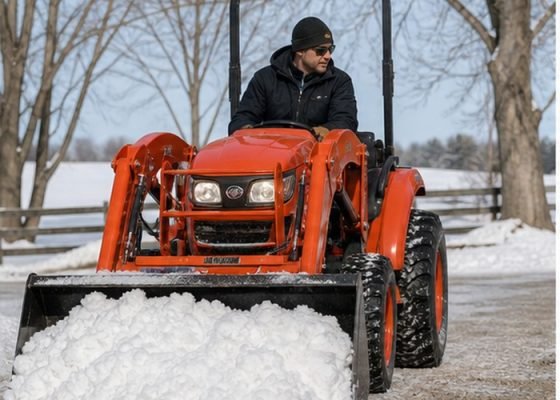
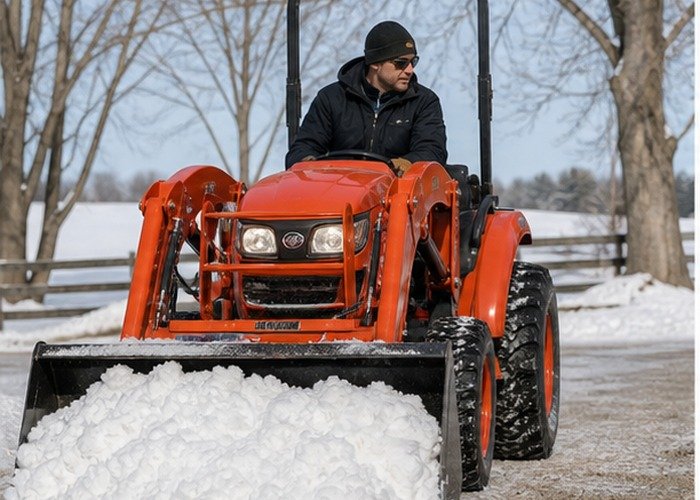
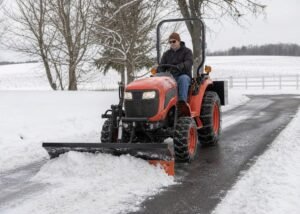
Compact Tractor Snow Removal works best when the owner starts with the job conditions instead of with a single attachment or spec number. In this guide, the practical question is how to handle clearing a driveway, barn lane, or small business yard after repeated winter storms while protecting the machine, the surface, and the people working nearby. The SeekMach tractor category page is a useful starting point for matching equipment to the work before you commit to a setup.
The right choice depends on soil, slope, moisture, load, operator visibility, and how often the job repeats. A machine that feels strong in one pass can still create ruts, bent edges, poor finish, or unsafe blind spots when the setup is wrong. That is why this article treats compact tractor snow removal as a sequence of decisions rather than a single quick tip.
Use this guide as a field planning note. It covers loader work, rear blade angle, ballast, tire chains, visibility, and when to stop before ice or slope risk gets ahead of the machine. For broader product context, compare the job against SeekMach product overview and the related application notes at tractor application solutions before choosing a machine or attachment.
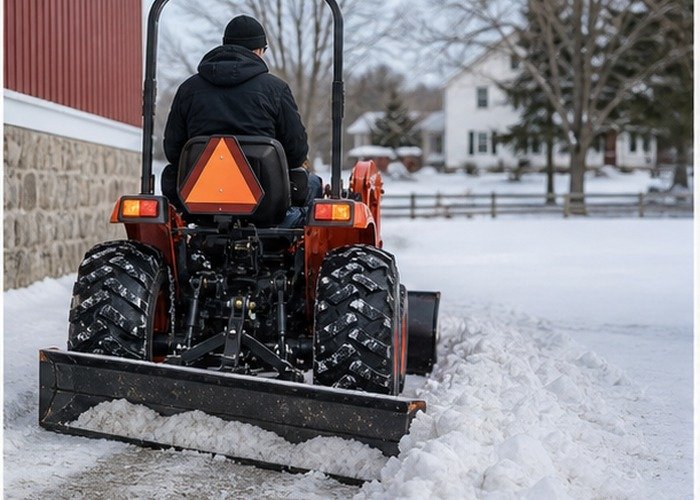
For compact tractor snow removal, the first inspection should happen with the engine off and the work area still untouched. Walk the surface, mark tight turns, note where people or vehicles may enter, and decide where material will move. OSHA heavy equipment struck-by guidance is a reminder that equipment movement creates struck-by and visibility risks even on ordinary jobs. If the work involves digging, hidden utilities, or unknown ground, use Call 811 safe digging information before the bucket or blade touches the site.
The setup should match the weakest part of the job, not the easiest part. A flat open area may hide one icy apron, root mass, narrow gate, soft shoulder, low branch, or steep exit that changes the whole plan. Build the route around those constraints. When the machine also supports other work, the related pages at SeekMach application solutions und SeekMach excavator category help compare whether a different machine class would reduce passes or surface damage.
For compact tractor snow removal, the first inspection should happen with the engine off and the work area still untouched. Walk the surface, mark tight turns, note where people or vehicles may enter, and decide where material will move. NIOSH agricultural safety resources is a reminder that equipment movement creates struck-by and visibility risks even on ordinary jobs. If the work involves digging, hidden utilities, or unknown ground, use Call 811 safe digging information before the bucket or blade touches the site.
The setup should match the weakest part of the job, not the easiest part. A flat open area may hide one icy apron, root mass, narrow gate, soft shoulder, low branch, or steep exit that changes the whole plan. Build the route around those constraints. When the machine also supports other work, the related pages at SeekMach application solutions and SeekMach excavator category help compare whether a different machine class would reduce passes or surface damage.
For compact tractor snow removal, the first inspection should happen with the engine off and the work area still untouched. Walk the surface, mark tight turns, note where people or vehicles may enter, and decide where material will move. Call 811 safe digging information is a reminder that equipment movement creates struck-by and visibility risks even on ordinary jobs. If the work involves digging, hidden utilities, or unknown ground, use Call 811 safe digging information before the bucket or blade touches the site.
The setup should match the weakest part of the job, not the easiest part. A flat open area may hide one icy apron, root mass, narrow gate, soft shoulder, low branch, or steep exit that changes the whole plan. Build the route around those constraints. When the machine also supports other work, the related pages at SeekMach application solutions and SeekMach excavator category help compare whether a different machine class would reduce passes or surface damage.
For compact tractor snow removal, the first inspection should happen with the engine off and the work area still untouched. Walk the surface, mark tight turns, note where people or vehicles may enter, and decide where material will move. Penn State Extension equipment safety resources is a reminder that equipment movement creates struck-by and visibility risks even on ordinary jobs. If the work involves digging, hidden utilities, or unknown ground, use Call 811 safe digging information before the bucket or blade touches the site.
The setup should match the weakest part of the job, not the easiest part. A flat open area may hide one icy apron, root mass, narrow gate, soft shoulder, low branch, or steep exit that changes the whole plan. Build the route around those constraints. When the machine also supports other work, the related pages at SeekMach application solutions and SeekMach excavator category help compare whether a different machine class would reduce passes or surface damage.
For compact tractor snow removal, the first inspection should happen with the engine off and the work area still untouched. Walk the surface, mark tight turns, note where people or vehicles may enter, and decide where material will move. University of Minnesota Extension yard and garden guidance is a reminder that equipment movement creates struck-by and visibility risks even on ordinary jobs. If the work involves digging, hidden utilities, or unknown ground, use Call 811 safe digging information before the bucket or blade touches the site.
The setup should match the weakest part of the job, not the easiest part. A flat open area may hide one icy apron, root mass, narrow gate, soft shoulder, low branch, or steep exit that changes the whole plan. Build the route around those constraints. When the machine also supports other work, the related pages at SeekMach application solutions and SeekMach excavator category help compare whether a different machine class would reduce passes or surface damage.
| Field condition | What to check | Better decision |
| — | — | — |
| Tight access | Width, turning area, overhead clearance, and exit path | Use slower travel, lower load height, and a clean backup plan |
| Soft or wet surface | Tire marks, track sink, smeared finish, and drainage | Delay, reduce load, change route, or protect the surface |
| Repeated passes | Heat, edge wear, hydraulic feel, operator fatigue, and visibility | Schedule checks instead of waiting for a failure |
| Public or shared space | People, parked vehicles, doors, slopes, and blind corners | Set a boundary and keep communication simple |
Conditions often change faster than the plan. Snow gets packed, roots release suddenly, pallets shift, turf dries, gravel rolls, and attachments warm up after repeated cycles. The operator should treat every change in sound, steering, cut quality, or hydraulic response as feedback. Penn State Extension equipment safety resources and University of Minnesota Extension yard and garden guidance are helpful background resources because safe machinery work depends on observation as much as rated capacity.
A useful rule is to stop before the machine has to force the result. If the attachment begins bouncing, tires spin, the surface tears, the load rocks, or the finish becomes uneven, change one variable at a time. Adjust speed, height, angle, route, ballast, bite depth, fork spacing, or timing, then inspect the result from ground level. The related SeekMach category at SeekMach skid steer loader category can help compare adjacent equipment choices when one machine is being pushed outside its best range.
Conditions often change faster than the plan. Snow gets packed, roots release suddenly, pallets shift, turf dries, gravel rolls, and attachments warm up after repeated cycles. The operator should treat every change in sound, steering, cut quality, or hydraulic response as feedback. University of Minnesota Extension yard and garden guidance and Iowa State Extension farm safety resources are helpful background resources because safe machinery work depends on observation as much as rated capacity.
A useful rule is to stop before the machine has to force the result. If the attachment begins bouncing, tires spin, the surface tears, the load rocks, or the finish becomes uneven, change one variable at a time. Adjust speed, height, angle, route, ballast, bite depth, fork spacing, or timing, then inspect the result from ground level. The related SeekMach category at SeekMach skid steer loader category can help compare adjacent equipment choices when one machine is being pushed outside its best range.
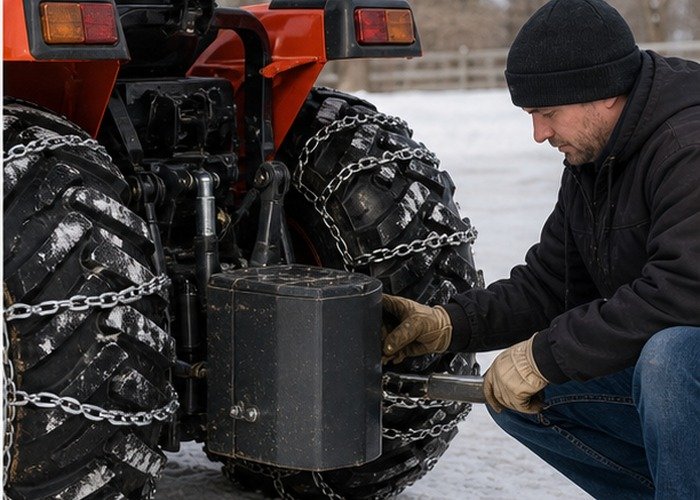
Conditions often change faster than the plan. Snow gets packed, roots release suddenly, pallets shift, turf dries, gravel rolls, and attachments warm up after repeated cycles. The operator should treat every change in sound, steering, cut quality, or hydraulic response as feedback. Iowa State Extension farm safety resources and OSHA heavy equipment struck-by guidance are helpful background resources because safe machinery work depends on observation as much as rated capacity.
A useful rule is to stop before the machine has to force the result. If the attachment begins bouncing, tires spin, the surface tears, the load rocks, or the finish becomes uneven, change one variable at a time. Adjust speed, height, angle, route, ballast, bite depth, fork spacing, or timing, then inspect the result from ground level. The related SeekMach category at SeekMach skid steer loader category can help compare adjacent equipment choices when one machine is being pushed outside its best range.
Conditions often change faster than the plan. Snow gets packed, roots release suddenly, pallets shift, turf dries, gravel rolls, and attachments warm up after repeated cycles. The operator should treat every change in sound, steering, cut quality, or hydraulic response as feedback. OSHA heavy equipment struck-by guidance and NIOSH agricultural safety resources are helpful background resources because safe machinery work depends on observation as much as rated capacity.
A useful rule is to stop before the machine has to force the result. If the attachment begins bouncing, tires spin, the surface tears, the load rocks, or the finish becomes uneven, change one variable at a time. Adjust speed, height, angle, route, ballast, bite depth, fork spacing, or timing, then inspect the result from ground level. The related SeekMach category at SeekMach skid steer loader category can help compare adjacent equipment choices when one machine is being pushed outside its best range.
Conditions often change faster than the plan. Snow gets packed, roots release suddenly, pallets shift, turf dries, gravel rolls, and attachments warm up after repeated cycles. The operator should treat every change in sound, steering, cut quality, or hydraulic response as feedback. NIOSH agricultural safety resources and Call 811 safe digging information are helpful background resources because safe machinery work depends on observation as much as rated capacity.
A useful rule is to stop before the machine has to force the result. If the attachment begins bouncing, tires spin, the surface tears, the load rocks, or the finish becomes uneven, change one variable at a time. Adjust speed, height, angle, route, ballast, bite depth, fork spacing, or timing, then inspect the result from ground level. The related SeekMach category at SeekMach skid steer loader category can help compare adjacent equipment choices when one machine is being pushed outside its best range.
The biggest mistake is using more power before checking setup. With compact tractor snow removal, a slower pass, better route, cleaner edge, different angle, or safer surface timing often solves the problem with less wear.
Stop when visibility drops, the machine feels unstable, material moves unpredictably, or people enter the work area. A short pause is cheaper than equipment damage or a poor finish.
Use specs to confirm capacity and fit, but use the worksite to decide the method. Rated capacity, horsepower, hydraulic flow, and deck size only matter when they match the actual ground conditions and job cycle.
Good compact tractor snow removal is a controlled process: inspect, set up, make a first pass, read the result, and adjust. The public video selected for this article was validated for embedding and gives a visual reference for the kind of work discussed here: https://www.youtube.com/watch?v=nVdU6jIX7Eo. For the next decision, start with the job, confirm the attachment or machine fit, and use SeekMach’s product resources to narrow the equipment choice without treating any single spec as the whole answer.