Telephone/WhatsApp:+86 156 2656 0610

Telephone/WhatsApp:+86 156 2656 0610
Email:info@seekmach.com

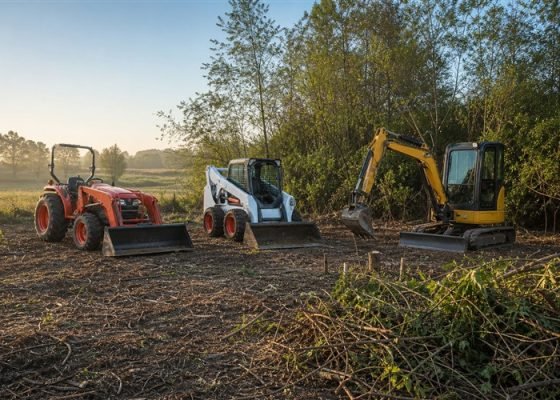
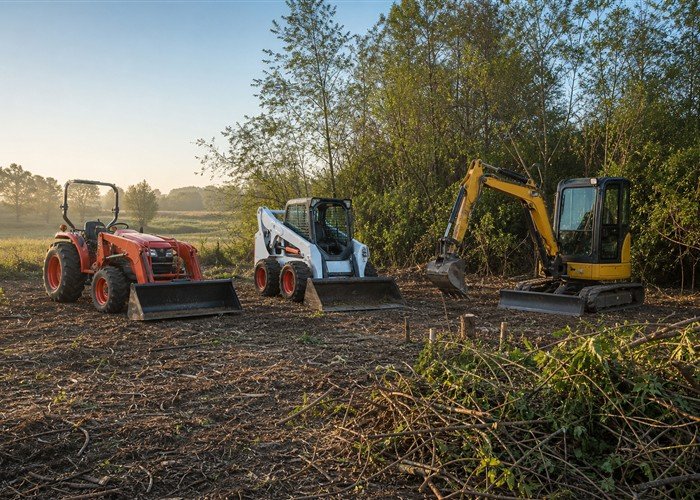
Land clearing is not one task. It can mean mowing annual brush, pulling saplings, cutting trees, extracting stumps, sorting logs, moving slash, removing rocks, shaping drainage, grading soil, or maintaining regrowth. A tractor, skid steer loader, and mini excavator overlap, but each is strongest in a different part of that sequence.
Begin with a written scope and inspect the site for utilities, unstable trees, slopes, wet ground, buried debris, access, fire risk, protected areas, disposal rules, and the required finish. Then compare the SeekMach product families by complete work cycle rather than by horsepower alone.
Large trees, steep ground, overhead hazards, contaminated soil, and work near utilities can require professional forestry, arborist, excavation, or environmental support. Equipment ownership does not replace competent planning, exclusion zones, permits, traffic control, or a safe disposal plan.
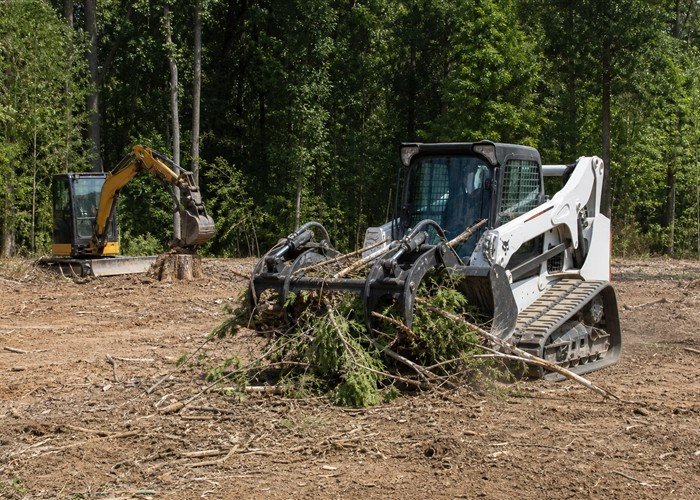
Map the project into phases. Cutting vegetation, extracting roots, handling logs, moving slash, digging, grading, and ongoing mowing impose different forces and need different attachments. For related machine planning, use the SeekMach application solutions as a second reference. The OSHA tree-care safety resources provides independent background for this decision.
Treat this as a work-cycle decision rather than a single specification. Write down the starting condition, the required finish, access limits, material weight, ground condition, weather, operator experience, transport plan, and the point at which work must stop. Check the operator’s manual and attachment instructions for the exact machine. A configuration that works only at its maximum rating leaves no useful margin for wet material, slopes, wear, heat, an off-center load, or an inexperienced operator.
Consider a representative field test: five acres contain two open acres of brush, a wooded drainage edge, scattered stumps, and a future lawn. No single attachment performs every phase well. Observe setup, approach, productive pass, turning, travel, cleanup, charging or refueling, and storage. Time the complete cycle and note any loss of visibility, traction, control, cut quality, hydraulic response, or battery state. A calm, repeatable cycle is more useful than one impressive pass performed at the limit.
A common mistake is calling the entire project brush clearing and buying one tool before defining the finish. That shortcut moves the problem elsewhere: extra passes, damaged ground, premature component wear, poor finish, missed maintenance, or unsafe travel. Record what the test actually showed, then change the attachment, load, route, schedule, or machine before accepting the risk.
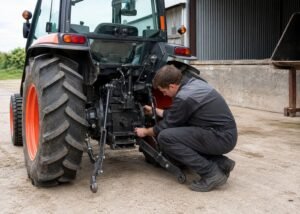
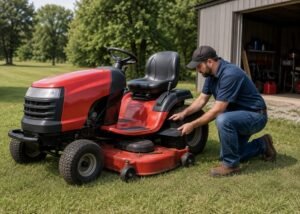
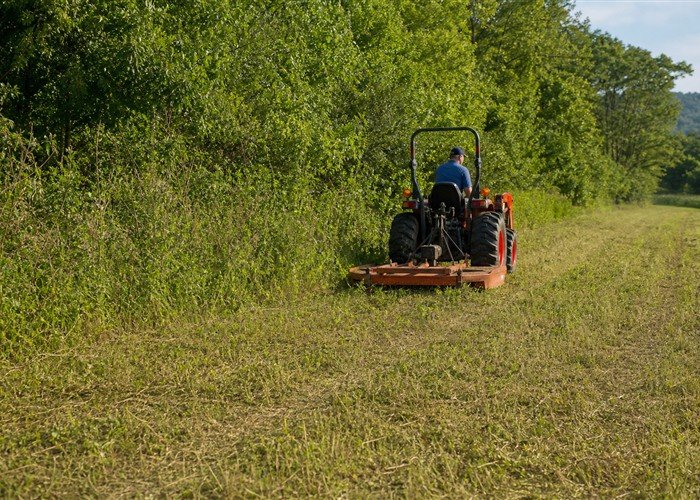
A tractor is often strong for repeated property maintenance, rotary cutting, towing, long travel, light loader work, seeding, and grading. PTO implements make it versatile after initial heavy clearing is complete. For related machine planning, use the SeekMach tractor category as a second reference. The NIOSH tractor and farm equipment checklist provides independent background for this decision.
Treat this as a work-cycle decision rather than a single specification. Write down the starting condition, the required finish, access limits, material weight, ground condition, weather, operator experience, transport plan, and the point at which work must stop. Check the operator’s manual and attachment instructions for the exact machine. A configuration that works only at its maximum rating leaves no useful margin for wet material, slopes, wear, heat, an off-center load, or an inexperienced operator.
Consider a representative field test: after contractors remove large timber and stumps, a compact tractor mows regrowth, grades an access lane, spreads seed, and maintains the property every season. Observe setup, approach, productive pass, turning, travel, cleanup, charging or refueling, and storage. Time the complete cycle and note any loss of visibility, traction, control, cut quality, hydraulic response, or battery state. A calm, repeatable cycle is more useful than one impressive pass performed at the limit.
A common mistake is using a light tractor loader to pry large rooted stumps or driving over hidden holes and cut stems at speed. That shortcut moves the problem elsewhere: extra passes, damaged ground, premature component wear, poor finish, missed maintenance, or unsafe travel. Record what the test actually showed, then change the attachment, load, route, schedule, or machine before accepting the risk.
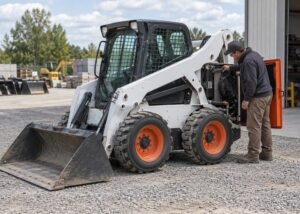
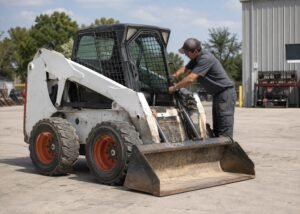
A skid steer loader offers compact maneuverability, strong attachment visibility, fast material handling, and many hydraulic tools. On firm open ground it can cycle rapidly between brush, logs, soil, and finish grading. For related machine planning, use the SeekMach skid steer loaders as a second reference. The NIOSH skid-steer alert provides independent background for this decision.
Treat this as a work-cycle decision rather than a single specification. Write down the starting condition, the required finish, access limits, material weight, ground condition, weather, operator experience, transport plan, and the point at which work must stop. Check the operator’s manual and attachment instructions for the exact machine. A configuration that works only at its maximum rating leaves no useful margin for wet material, slopes, wear, heat, an off-center load, or an inexperienced operator.
Consider a representative field test: a grapple-equipped skid steer gathers cut brush, stacks logs, loads trailers, carries aggregate, and grades disturbed soil with short repeatable cycles. Observe setup, approach, productive pass, turning, travel, cleanup, charging or refueling, and storage. Time the complete cycle and note any loss of visibility, traction, control, cut quality, hydraulic response, or battery state. A calm, repeatable cycle is more useful than one impressive pass performed at the limit.
A common mistake is choosing an attachment by coupler fit while ignoring hydraulic flow, pressure, weight, guarding, debris hazard, and cooling demand. That shortcut moves the problem elsewhere: extra passes, damaged ground, premature component wear, poor finish, missed maintenance, or unsafe travel. Record what the test actually showed, then change the attachment, load, route, schedule, or machine before accepting the risk.
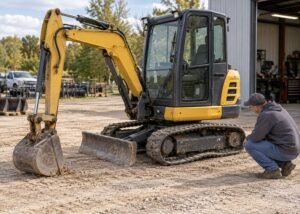
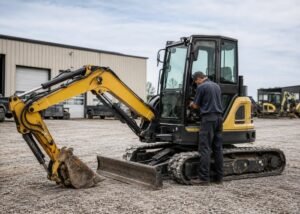
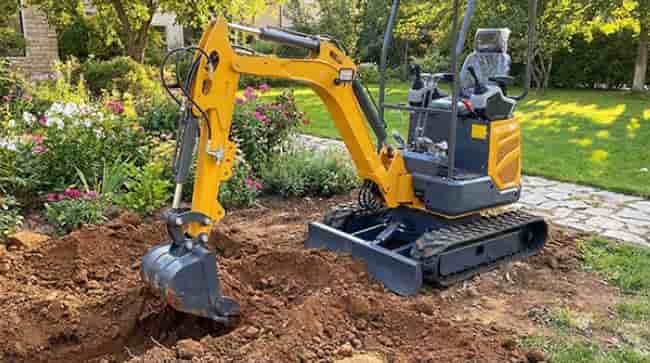
A mini excavator excels at controlled digging, stump and root work, placing material around obstacles, reaching below grade, and working from one stable position with limited travel. For related machine planning, use the SeekMach excavator category as a second reference. The NIOSH excavator coupler bulletin provides independent background for this decision.
Treat this as a work-cycle decision rather than a single specification. Write down the starting condition, the required finish, access limits, material weight, ground condition, weather, operator experience, transport plan, and the point at which work must stop. Check the operator’s manual and attachment instructions for the exact machine. A configuration that works only at its maximum rating leaves no useful margin for wet material, slopes, wear, heat, an off-center load, or an inexperienced operator.
Consider a representative field test: the excavator exposes roots, severs them with an approved tool, lifts a manageable stump, places it beside the path, and shapes a drainage outlet without repeated driving over the site. Observe setup, approach, productive pass, turning, travel, cleanup, charging or refueling, and storage. Time the complete cycle and note any loss of visibility, traction, control, cut quality, hydraulic response, or battery state. A calm, repeatable cycle is more useful than one impressive pass performed at the limit.
A common mistake is using sideways bucket force, striking trees, lifting unknown loads at full reach, or treating a quick coupler indicator as proof of engagement. That shortcut moves the problem elsewhere: extra passes, damaged ground, premature component wear, poor finish, missed maintenance, or unsafe travel. Record what the test actually showed, then change the attachment, load, route, schedule, or machine before accepting the risk.
Wheels, tracks, wheelbase, ground pressure, machine width, tail swing, and undercarriage clearance affect whether the machine reaches the work and leaves without unacceptable damage. For related machine planning, use the skid steer versus track loader guide as a second reference. The NIOSH construction equipment visibility provides independent background for this decision.
Treat this as a work-cycle decision rather than a single specification. Write down the starting condition, the required finish, access limits, material weight, ground condition, weather, operator experience, transport plan, and the point at which work must stop. Check the operator’s manual and attachment instructions for the exact machine. A configuration that works only at its maximum rating leaves no useful margin for wet material, slopes, wear, heat, an off-center load, or an inexperienced operator.
Consider a representative field test: a wheeled skid steer is highly productive on the firm staging pad, while a mini excavator works from a narrow stable bench near a ditch and the tractor stays on established lanes. Observe setup, approach, productive pass, turning, travel, cleanup, charging or refueling, and storage. Time the complete cycle and note any loss of visibility, traction, control, cut quality, hydraulic response, or battery state. A calm, repeatable cycle is more useful than one impressive pass performed at the limit.
A common mistake is assuming tracks make any wet or steep site safe, or selecting the machine before measuring the narrowest access. That shortcut moves the problem elsewhere: extra passes, damaged ground, premature component wear, poor finish, missed maintenance, or unsafe travel. Record what the test actually showed, then change the attachment, load, route, schedule, or machine before accepting the risk.
The attachment can determine productivity more than the carrier. Grapples, rotary cutters, mulchers, buckets, thumbs, rakes, blades, and stump tools each have compatibility, guarding, flow, weight, and debris limits. The OSHA machine guarding overview provides independent background for this decision.
Treat this as a work-cycle decision rather than a single specification. Write down the starting condition, the required finish, access limits, material weight, ground condition, weather, operator experience, transport plan, and the point at which work must stop. Check the operator’s manual and attachment instructions for the exact machine. A configuration that works only at its maximum rating leaves no useful margin for wet material, slopes, wear, heat, an off-center load, or an inexperienced operator.
Consider a representative field test: a heavy mulching head fits the coupler but leaves insufficient operating margin on a small loader, while a lighter cutter completes the actual brush task safely. Observe setup, approach, productive pass, turning, travel, cleanup, charging or refueling, and storage. Time the complete cycle and note any loss of visibility, traction, control, cut quality, hydraulic response, or battery state. A calm, repeatable cycle is more useful than one impressive pass performed at the limit.
A common mistake is renting the largest available attachment without checking flow, pressure, cooling, carrier weight, cab protection, and thrown-object zone. That shortcut moves the problem elsewhere: extra passes, damaged ground, premature component wear, poor finish, missed maintenance, or unsafe travel. Record what the test actually showed, then change the attachment, load, route, schedule, or machine before accepting the risk.
Clearing creates volume. Whole brush, chipped material, logs, stumps, rocks, topsoil, and contaminated debris need separate destinations and may be regulated. The EPA construction stormwater guidance provides independent background for this decision.
Treat this as a work-cycle decision rather than a single specification. Write down the starting condition, the required finish, access limits, material weight, ground condition, weather, operator experience, transport plan, and the point at which work must stop. Check the operator’s manual and attachment instructions for the exact machine. A configuration that works only at its maximum rating leaves no useful margin for wet material, slopes, wear, heat, an off-center load, or an inexperienced operator.
Consider a representative field test: a crew extracts stumps efficiently but has no trailer access to the pile. Rehandling the material doubles travel and damages finished ground. Observe setup, approach, productive pass, turning, travel, cleanup, charging or refueling, and storage. Time the complete cycle and note any loss of visibility, traction, control, cut quality, hydraulic response, or battery state. A calm, repeatable cycle is more useful than one impressive pass performed at the limit.
A common mistake is measuring success by acres cut while ignoring every ton that must be sorted, moved, processed, or disposed. That shortcut moves the problem elsewhere: extra passes, damaged ground, premature component wear, poor finish, missed maintenance, or unsafe travel. Record what the test actually showed, then change the attachment, load, route, schedule, or machine before accepting the risk.
Many projects are best served by sequencing machines. A mini excavator can extract, a skid steer can handle and grade, and a tractor can maintain. Ownership should follow recurring work; rare peaks can be rented or contracted.
Treat this as a work-cycle decision rather than a single specification. Write down the starting condition, the required finish, access limits, material weight, ground condition, weather, operator experience, transport plan, and the point at which work must stop. Check the operator’s manual and attachment instructions for the exact machine. A configuration that works only at its maximum rating leaves no useful margin for wet material, slopes, wear, heat, an off-center load, or an inexperienced operator.
Consider a representative field test: an owner rents an excavator for concentrated stump work, uses a skid steer for two weeks of handling and grading, then keeps a tractor for years of mowing and driveway maintenance. Observe setup, approach, productive pass, turning, travel, cleanup, charging or refueling, and storage. Time the complete cycle and note any loss of visibility, traction, control, cut quality, hydraulic response, or battery state. A calm, repeatable cycle is more useful than one impressive pass performed at the limit.
A common mistake is buying for the most dramatic one-time task and accepting poor fit for every recurring job. That shortcut moves the problem elsewhere: extra passes, damaged ground, premature component wear, poor finish, missed maintenance, or unsafe travel. Record what the test actually showed, then change the attachment, load, route, schedule, or machine before accepting the risk.
A mini excavator is often well suited to exposing roots and controlled extraction, but stump size, species, soil, access, machine weight, reach, attachment, and disposal plan control the answer. Large or hazardous trees need professional assessment.
A skid steer can offer stronger attachment handling and faster short-cycle material movement. A tractor may be better for PTO mowing, long travel, towing, and ongoing property maintenance. Define the phases first.
No. Tracks distribute load differently, but turning, repeated travel, wet soil, machine weight, and aggressive attachments can still rut or shear the surface.
Own the machine that matches frequent work and local support. Rent or contract rare high-demand phases when doing so prevents oversizing the everyday machine.
The best land-clearing machine is the one matched to the dominant phase and the site. Tractor for recurring PTO work and maintenance, skid steer for fast attachment and material cycles, mini excavator for controlled digging and stump work is a useful starting framework, not a universal verdict.
Score each candidate on access, ground impact, attachment compatibility, visibility, operator protection, transport, service, disposal, and finish quality. Test representative material and time the complete cycle.
A phased plan usually beats a machine-first purchase. Decide what stays, what leaves, how material moves, what the finished ground must become, and which work will repeat after the initial clearing ends.