Telephone/WhatsApp:+86 156 2656 0610

Telephone/WhatsApp:+86 156 2656 0610
Email:info@seekmach.com

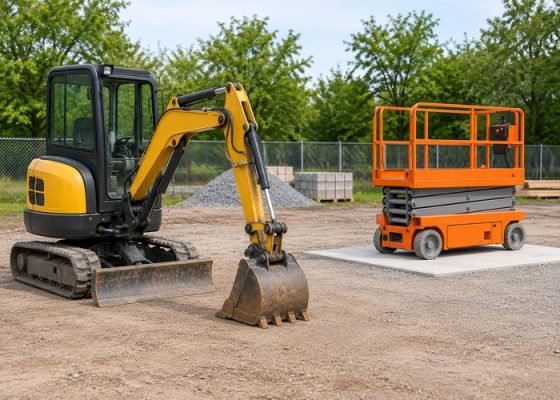
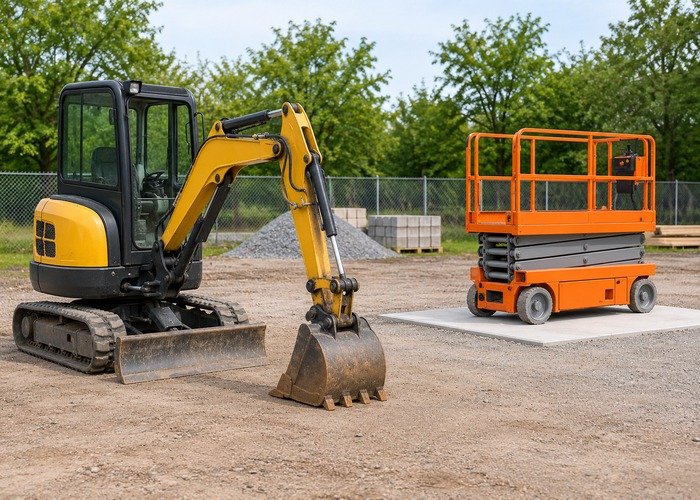
A mini excavator can lift heavy materials when the machine, lifting points, attachments, configuration and work plan allow it. That does not mean it can safely lift a worker. A standard digging bucket is not a personnel platform, and a machine’s material load chart does not establish that a person may be lifted.
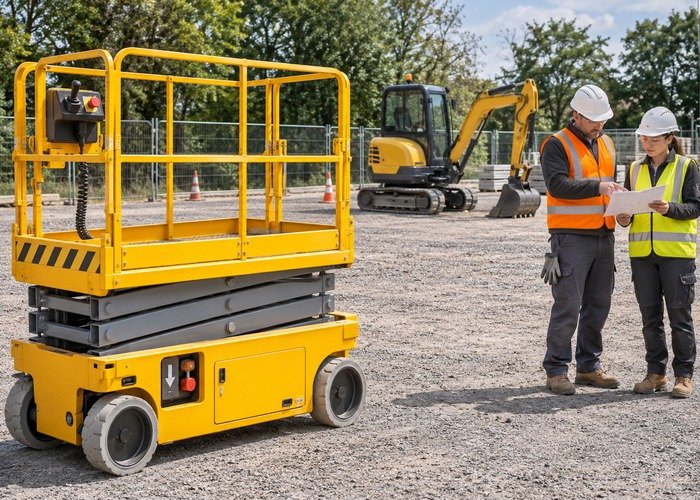
For access at height, use equipment designed for people, such as a suitable mobile elevating work platform (MEWP), scaffold or another approved access system. If a task appears to require an excavator, do not improvise. First obtain written confirmation from the excavator and platform manufacturers that the specific equipment combination is approved for personnel lifting. A competent person must plan the operation, and the team must check the local rules that apply at the worksite.
A standard excavator bucket is built to dig and move material. It is not designed as a place for a person to ride or stand. It typically lacks a secure standing surface, guardrails, a suitable way to attach fall protection, and a designed means of keeping an occupant in place. The bucket can tilt, swing, move unexpectedly or contact nearby structures. A worker could lose footing, fall, be thrown, or become trapped or crushed.
Never ride or stand in a standard excavator bucket, even for a short task, a low lift or a quick repair. A spotter, careful operator, slow controls or a short distance does not turn the bucket into a safe personnel platform. The potential consequence of a small movement or control error can be severe.
Also do not treat a general-purpose bucket, a homemade cage, a pallet, a suspended container or an improvised attachment as a people-access device. A device that looks stable or has carried a person before has not thereby been shown to be suitable. Equipment must be designed and approved for its intended use, and the full machine-and-platform arrangement must be checked.
Excavator lifting information and load charts address loads handled by the machine in specified configurations. Depending on the model, the chart may give limits based on working radius, boom and arm position, track orientation, blade position or other conditions. Following those limits is essential when lifting materials. But they do not by themselves establish that the excavator may lift people or that a platform attached to it is safe.
A personnel lift presents additional concerns. The occupant must have a secure place to stand and effective fall protection. The platform must connect to the machine as designed. The operation needs clear communication, controlled movement, safe access and egress, and a way to lower or rescue the occupant if normal operation fails. Ground, overhead obstructions, weather and the machine’s operating envelope also matter.
Keep the two decisions separate: a material lift asks whether the machine can handle a particular load under specified conditions; a personnel lift asks whether the complete system and work method are suitable and approved for carrying people. Capacity in one context does not prove suitability in the other.
For information on the machine’s own lifting points and material-lifting plans, see mini excavator lifting: approved points and lift planning. That article concerns lifting the machine or handling loads; it is not permission to use a bucket for people access.

Some equipment may be designed to work with a purpose-built personnel platform. That possibility does not make every excavator-platform combination acceptable. Verify, in writing, that the excavator manufacturer permits the specific machine to be used with the specific platform and connection for personnel lifting. Confirm the platform manufacturer’s approval and instructions as well. Do not assume that approval for a similar model, a different attachment or another configuration applies.
Review the manufacturers’ stated limits and operating conditions. These may cover the attachment method, rated capacity, occupant number, machine configuration, permitted boom and arm positions, movement or slew, travel, wind, ground conditions, inspection, and maintenance. If the instructions conflict, are incomplete, or do not address the proposed use, stop and seek clarification from the manufacturers.
Do not modify an attachment or fabricate a connection to make it fit. An improvised coupling can fail or detach, and unapproved changes may invalidate the assumptions behind the equipment’s design. Never infer personnel-lifting approval from a lifting eye, a high rated capacity, a prior successful lift, or the fact that a platform physically fits on the machine.
Excavator dimensions and operating weight can help assess access, ground pressure and transport needs, but they do not determine whether a personnel lift is allowed. The mini excavator size chart is useful for comparing machine size and operating weight. It cannot substitute for manufacturer approval or the applicable personnel-lifting requirements.
A competent person should first consider whether a personnel lift is necessary and whether another access method is more suitable. If a manufacturer-approved excavator and platform are being considered, plan the operation before anyone enters the platform. The plan should identify the task, the equipment and configuration, the roles of the operator and occupant, the communication method, the exclusion zone, the work area and the limits on machine movement.
Assess ground stability, slope, underground services, nearby excavations, overhead hazards, structures, weather and visibility. Keep bystanders outside the operating envelope. Confirm that the machine is set up as required by its manual and that the work area leaves adequate clearance. Do not assume that stable conditions during setup will remain stable throughout the task.
Inspect the machine, platform, connection and relevant safety devices according to the manufacturers’ instructions. Confirm that the people involved have suitable training for their respective duties. Agree on signals or communication equipment before lifting, including what the operator should do if communication is lost. The occupant should know how to enter and leave the platform safely and should not climb out while elevated unless the approved method specifically allows it.
Prepare a practical emergency-lowering and rescue plan for the site and equipment. Identify how the occupant will be brought down if the machine stops, the operator becomes unavailable, power fails or the platform is impaired. Make sure the people present know their roles and have the means to carry out the plan. Do not rely on the occupant climbing down, or on emergency services arriving before a situation worsens.
For general mini excavator setup and operating practices, see how to operate a mini excavator. Those practices support safe machine operation but do not replace approval, training, a task-specific plan or local compliance checks for personnel lifting.
Requirements depend on the country, the type of work and the equipment involved. Guidance from one regulator should not be presented as a universal legal rule. Before deciding how to reach a work area, consult the relevant regulator or competent safety adviser and verify current requirements for the site.
United Kingdom: The Health and Safety Executive’s excavator FAQ says excavators are, in most instances, not the most suitable equipment for lifting. It also discusses examination and devices used when equipment is used for lifting. It should not be read as a blanket statement that every excavator personnel lift is prohibited. The HSE’s separate page on work equipment used to lift people describes requirements relevant to that subject. Read these pages in their UK context and determine which requirements apply to the particular workplace and equipment. See the HSE excavator FAQ and its LOLER overview.
United States scope boundary: OSHA standard 29 CFR 1926.1431 addresses hoisting personnel with cranes and derricks in construction. It is a crane-and-derrick provision. Do not apply that section as though it were an excavator-specific personnel-lifting rule. Determine which OSHA provisions and other federal, state or local requirements apply to the actual equipment, task and worksite. The regulation is available at OSHA 29 CFR 1926.1431.
For work at height, choose an access system designed to carry people and suitable for the task and site. Options may include a MEWP, scaffold, stair tower or another approved arrangement. Consider required reach, time at the work position, ground bearing, access routes, overhead hazards, confined areas, weather, worker egress and rescue. The right choice depends on the job and the rules that apply.
If an excavator is proposed because it is already available, ask for written manufacturer approval for the exact machine, platform and connection. Have a competent person assess the complete operation and confirm that the local requirements are met. If any part of that chain is uncertain, do not lift a person with the arrangement. Use a suitable alternative and resolve the uncertainty before work begins.
No. A standard digging bucket is not a personnel platform. Do not ride or stand in it, even for a brief task or a low lift. Use equipment designed and approved for people access.
No. A material-load chart describes capacity under specified machine conditions. It does not by itself approve people lifting or establish that a platform, connection, work method or rescue plan is suitable. Check the manufacturers’ written approval and applicable local requirements.
Only when the specific machine, platform and connection are approved for personnel lifting, the manufacturers’ instructions are followed, and the operation meets local requirements. A competent person should plan the task, inspect the equipment and prepare a practical rescue method. If approval cannot be confirmed, choose another access system.
No. A spotter can support communication in a planned operation, but cannot make a standard bucket suitable for carrying a person. Do not use a bucket as a place to ride or stand. Select purpose-designed people-access equipment and follow its approved operating method.