Telephone/WhatsApp:+86 156 2656 0610
Telephone/WhatsApp:+86 156 2656 0610
Email:info@seekmach.com

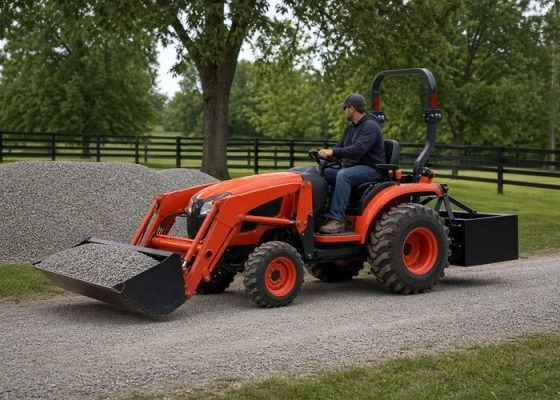
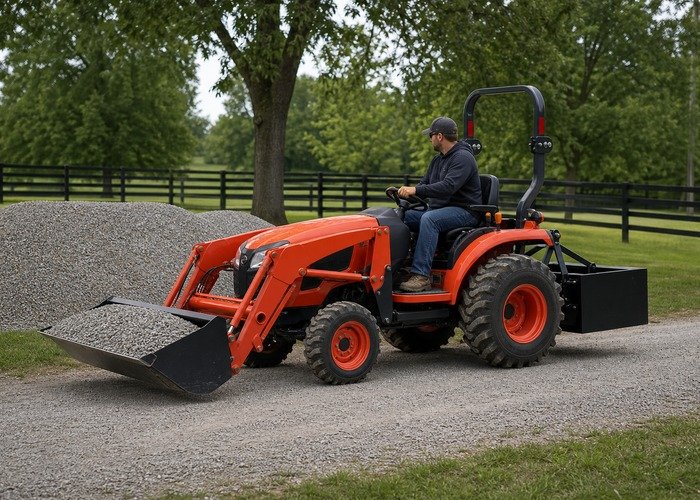
Tractor ballast is one of those setup details that feels invisible until the machine starts to feel light, jumpy, or hard to steer. A compact tractor with a front loader can move gravel, mulch, manure, soil, and firewood, but the loader changes the whole balance of the machine. If you are comparing machines in the SeekMach tractor category, treat ballast as part of the purchase plan, not an accessory to think about later.
The point of ballast is not to make the tractor look heavier. It is to keep enough weight on the rear axle, improve traction, reduce front axle abuse, and help the operator stay within the machine’s working limits. A tractor that feels powerful with an empty bucket can feel very different when the bucket is full, raised, or moving across uneven ground. Ballast turns loader work from a nervous balancing act into a more controlled job.
This guide walks through rear ballast boxes, liquid tire ballast, wheel weights, implements, loader habits, slopes, and daily checks. It does not replace the operator manual because the manual gives model-specific limits. It gives you a practical way to think through the setup before you fill the bucket.
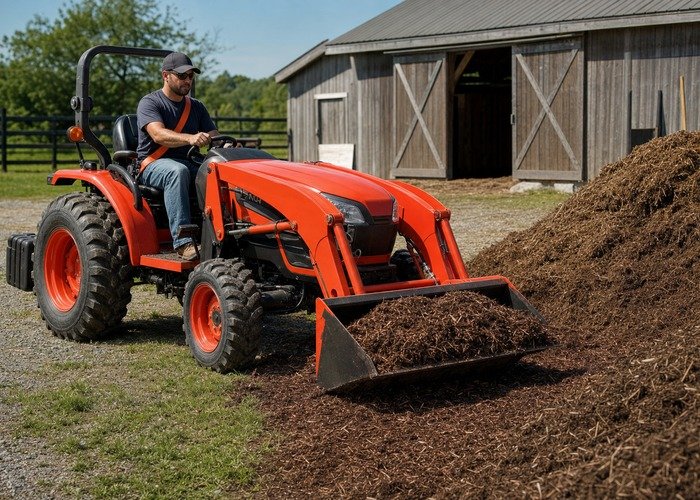
A front loader moves weight forward. The heavier the bucket load, the farther the tractor’s center of gravity shifts toward the front axle. That can reduce rear tire traction, make steering feel different, and increase stress on the front axle. When the bucket is raised, the effect becomes more serious because the load also moves higher.
Rear ballast counters that shift. It can come from a ballast box, a heavy rear implement, wheel weights, loaded tires, or a combination. The right answer depends on tractor size, loader rating, tire type, terrain, transport routes, and the job. The wrong answer is pretending the loader rating alone tells the whole story.
The Penn State Extension tractor safety material is a useful reminder that safe operation combines machine setup, operator behavior, and terrain judgment. Ballast helps, but it does not make a tractor safe when driven fast with a raised bucket or turned sharply on a side slope.
| Ballast option | Where it helps | What to watch |
|---|---|---|
| Ballast box | Loader work, gravel, mulch, pallets | Needs correct weight and hitch clearance |
| Loaded rear tires | Daily traction and lower center of gravity | Permanent weight, tire service complexity |
| Wheel weights | Rear axle traction without fluid | Cost, installation, and wheel handling |
| Box blade or implement | Adds useful rear weight for property work | Long overhang, ground contact, transport clearance |
| Combination setup | Frequent loader work and varied terrain | Must stay within manual limits |
This table is a decision aid, not a universal recipe. A small tractor with a light loader does not need the same setup as a larger utility tractor carrying wet soil. Start with the manufacturer guidance, then adjust for the actual work pattern.
A ballast box is often the cleanest answer for loader chores around a property. It hangs from the three-point hitch, keeps weight compact, and does not drag on the ground like some implements. Many owners fill a box with concrete, gravel, steel, sand, or removable weights. The compact shape helps when backing around buildings, trees, and trailers.
The weakness is that a ballast box does only one job. A box blade, rear blade, or rotary cutter may add weight while also doing work, but those implements are longer and can hit objects during tight loader cycles. A dedicated ballast box makes sense when loader work is common enough that you want a predictable setup every time.
Keep the box low during travel. Do not lift rear ballast high just because the hitch can raise it. Low rear weight helps the tractor feel planted; high rear weight creates a different stability problem. Check hitch pins, stabilizers, and toplink condition before using any heavy rear attachment.
Liquid tire ballast and wheel weights add weight directly to the rear wheels. This can improve traction and lower the center of gravity, which helps in many property jobs. It also keeps the three-point hitch free for an implement. For mowing, grading, snow work, and loader chores, rear tire weight can make the tractor feel more settled.
The tradeoff is permanence. Loaded tires add weight whether you need it or not. They can leave more marks on soft turf and make transport or tire service more involved. Wheel weights are more removable in theory, but they are still heavy parts that require careful handling. If finished lawn care is a big part of the job, compare whether a dedicated mower from the SeekMach lawn mower category should handle that work instead of a ballasted tractor.
The University of Minnesota Extension farm machinery resources are helpful background for thinking about tractors as systems: tires, weight, implements, soil, and operator habits all interact. Ballast is not a single part bolted onto an otherwise unchanged machine.
Ballast does not cancel poor loader technique. Carry the bucket low, drive slowly, avoid abrupt steering, and keep the load as close to the ground as practical. If the tractor starts bouncing, spinning, or feeling light at the rear, stop and change the setup before continuing. Do not use speed to overcome poor traction.
The NIOSH agriculture safety program frames machinery safety as a combination of equipment condition, work environment, and operator choices. That is exactly how loader work should be viewed. A ballasted tractor with a careless operator can still tip, strike an object, or damage an axle.
For repeated material handling, also ask whether a tractor is the best carrier. A skid steer can be the better tool when the job is mostly pallets, bucket cycles, tight turns, and attachment changes. The SeekMach skid steer loader category is worth comparing before forcing a tractor to work like a loader all day.
Slopes require extra caution because ballast changes weight distribution but does not change physics. A tractor can still roll over if the operator drives across a side slope, turns too sharply, raises a loaded bucket, or hits a hole. Rear ballast can improve control during loader work, but it cannot make a narrow tractor stable on terrain that is already risky.
Keep loader loads low on slopes, avoid side travel where possible, and back down or approach straight when the manual recommends it. If a job requires repeated work on a bank, rethink the route, machine, or method. Sometimes the safer answer is using a smaller bucket load, moving material in stages, or choosing an excavator for digging and placement from a more stable position.
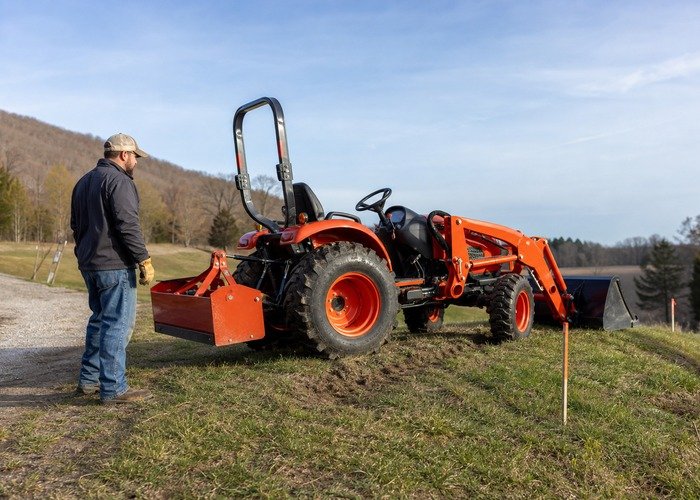
Loader gravel work usually benefits from a compact rear ballast box or heavy rear implement plus appropriate tire ballast. Mulch and light materials may need less weight than wet soil, but volume can still create awkward handling. Firewood and rocks can be dense enough to surprise operators. Snow work may need both ballast and tire chains depending on surface and rules.
Mowing is different. A rear mower or rotary cutter can add useful rear weight, but it also changes the machine length and turning radius. A loader left on the tractor during mowing adds front weight and can reduce visibility. If the loader is not needed, removing it may make the tractor more pleasant and reduce ground disturbance.
Driveway grading with a box blade may not need a ballast box because the box blade itself adds rear weight and does the work. For digging, trenching, or stump work, a mini excavator from the SeekMach excavator category may be more appropriate than trying to use loader ballast to turn a tractor into an earthmoving machine.
Before loader work, check the operator manual for ballast recommendations and maximum limits. Confirm rear tire pressure, wheel hardware, loader pins, hitch pins, and hydraulic leaks. Make sure rear ballast is securely attached and low. Walk the route for holes, soft ground, curbs, slopes, and bystanders. Decide where the material will be dumped before picking up the load.
During work, use smaller bucket loads until the tractor feels predictable. Keep loads low while moving. Do not lift the bucket high except when dumping. If the rear end feels light, stop. If steering feels heavy or the front axle complains over bumps, stop. The correct response to a warning sign is a setup change, not a faster pass.
Ask the seller what rear ballast the loader rating assumes. Ask whether loaded tires are recommended, whether the front axle has specific restrictions, and what rear implement weight range is appropriate. Ask how the tractor should be transported with ballast attached. Ask whether the warranty or manual has guidance on loader work with certain tire types.
Also check storage. A ballast box filled with concrete is useful only if it can be parked safely and connected easily. A box blade used as ballast needs room behind the tractor. Wheel weights need safe handling equipment if they are removed. Good ballast planning includes the boring details that make the setup usable every week.
Imagine a property tractor that moves gravel in spring, mulch in summer, and snow in winter. The gravel job is the heaviest bucket work, so it should set the conservative ballast baseline. Mulch may look large in the bucket but usually loads the tractor differently than wet gravel. Snow can be lighter than soil, yet it often happens on slick surfaces where traction matters more than raw weight. The same tractor may need a rear ballast box for gravel, loaded tires for year-round traction, and slower routes for snow near buildings.
That example shows why ballast is a plan, not a single number. The operator should know which jobs require the ballast box, which jobs can use a rear blade or box blade, and when the loader should come off. If the same property also handles ditch cleaning or drainage, the SeekMach tractor application solutions page can help separate tractor chores from digging chores before the machine is pushed outside its best role.
The OSHA agricultural operations overview is also worth reading because it puts equipment operation inside a larger safety context. A compact tractor may be used on a private acreage, a small farm, a landscaping business, or a jobsite, but the same habits matter: control speed, maintain equipment, keep people clear, and do not normalize near misses.
Follow the operator manual. Light bucket work on flat ground may need less ballast than wet soil or gravel, but a front loader still changes tractor balance. When in doubt, use the recommended setup.
Sometimes, but not always. Loaded tires add useful rear weight, yet a loader may still need three-point ballast depending on the tractor and load. Check the manual and test with conservative loads.
Yes, if the weight, clearance, and hitch setup are appropriate. A box blade can work well for driveway jobs, but it is longer than a compact ballast box and needs more awareness when backing.
No. Ballast can improve control, but it does not remove rollover risk. Keep loads low, avoid side slopes, and follow the manual.
If the loader is not needed, removing it can improve visibility, maneuverability, and turf behavior. The right choice depends on the machine, terrain, and how often you switch tasks.
Watch a practical ballast discussion here: tractor ballast weight guide on YouTube. Then build your tractor ballast plan around the real jobs: loader load, terrain, route, rear weight, operator skill, and the machine limits printed in the manual.