Telephone/WhatsApp:+86 156 2656 0610

Telephone/WhatsApp:+86 156 2656 0610
Email:info@seekmach.com

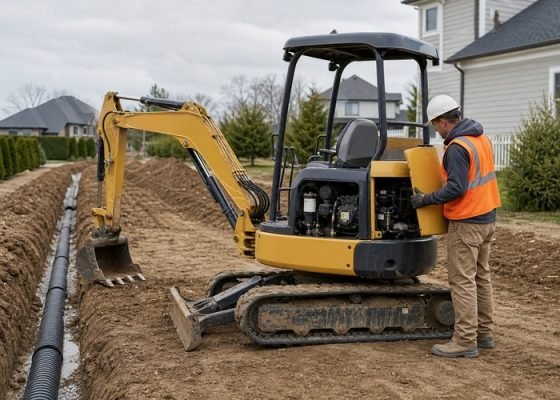
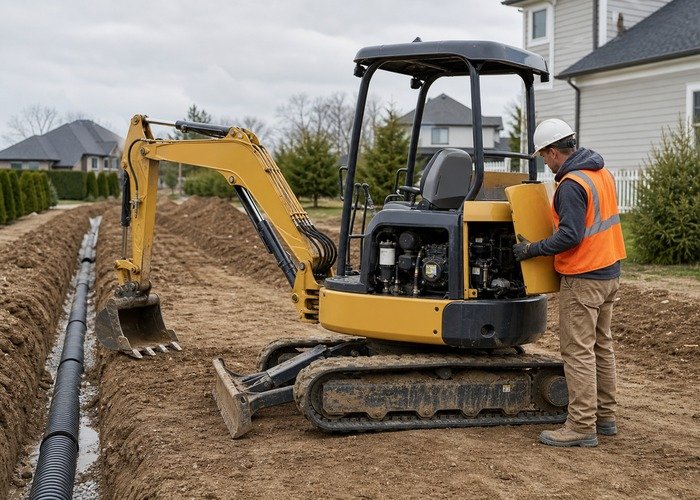
A mini excavator that suddenly feels weak does not always have a failed hydraulic pump, and replacing expensive parts before basic checks is one of the fastest ways to waste time. “Loses power” can describe several different symptoms: the engine bogs under load, engine speed stays normal but every hydraulic function slows, one circuit is weak, the machine works cold and fades hot, or travel is weak only on a slope. Start by defining the symptom, then use a controlled process. The SeekMach excavator category provides useful context for machine types, but the correct limits and test procedures come from the exact service and operator manuals.
This guide is for observation and safe first-line checks, not for bypassing guards, adjusting relief pressure, opening pressurized lines, or performing tests that require trained service personnel. Hydraulic injection injuries can be severe even when the leak looks small. Lower the attachment, park on firm level ground, shut down, remove the key, allow hot components to cool, and follow the manufacturer’s pressure-release and lockout procedures before inspection.
Write down when the problem began and what changed immediately before it. Note fuel added, attachment changes, transport, hose replacement, filter service, unusually hot weather, work in mud, or a warning light. A precise timeline often separates a restriction, setup issue, or maintenance error from gradual wear.
| What you observe | First system to consider | Useful next observation |
|---|---|---|
| Engine rpm falls and exhaust note changes | Engine air, fuel, load, or control issue | Does it recover when hydraulic demand stops? |
| Engine holds rpm but all functions are slow | Hydraulic flow, restriction, oil condition, pump control | Is the oil hot, foamy, low, or contaminated? |
| Only one function is weak | Linkage, valve section, cylinder, hose, or circuit | Is movement weak in both directions? |
| Works cold, fades as it warms | Oil viscosity, internal leakage, cooling, wear | Record time and temperature when performance changes |
| Travel weak on one side | Travel motor, final drive, hose, valve, brake release | Does weakness follow direction or remain on one side? |
| Weak only with one attachment | Attachment demand, couplers, return path, settings | Does the standard bucket work normally? |
Do not continue forcing a machine that is overheating, making new knocking or whining noises, showing low oil pressure, producing heavy smoke, or leaking fluid. Stop and arrange qualified service. Continuing to work can turn a restricted filter, loose hose, or cooling problem into pump, engine, or component damage.
Warm the machine according to the manual, keep the work area clear, and observe the engine tachometer or sound while applying a normal, brief hydraulic load. If engine speed drops sharply, the engine may be unable to supply power, the hydraulic system may be demanding too much, or a control function may not be regulating correctly. If rpm stays steady but boom, arm, bucket, swing, and travel are all slow, hydraulic flow or control becomes more likely.
Avoid full-stall testing unless the service manual calls for it and a qualified technician performs it with the correct gauges. Holding a function against relief creates heat quickly. A casual test can damage components and gives little useful information without pressure, flow, temperature, and engine-speed data.
Use the SeekMach excavator application solutions page to compare the symptom against the work being attempted. Hard clay, an oversized bucket, a heavy thumb load, steep travel, or an attachment with excessive demand can make a healthy machine feel weak. Confirm that the task and attachment are within the machine’s rated capability.
An engine needs clean air and a cooling system that can reject heat. Inspect the air-cleaner restriction indicator if equipped. Check the intake path for a collapsed hose, debris, or an incorrectly installed element. Do not clean or replace filters by habit alone; follow the manual because damaged filter media can pass dust into the engine.
Inspect radiator, oil cooler, screens, and surrounding area. Fine chaff, dust, leaves, and oily debris reduce airflow. Clean from the correct direction with approved methods and protect fins from damage. Verify coolant level only when safe and cold, and inspect for warning indicators. The NIOSH construction equipment safety resources are a useful reminder to control energy and machine movement before service work.
Hydraulic oil that runs too hot becomes thinner, which can increase internal leakage and reduce useful force or speed in a worn system. Heat can also come from a restriction, incorrect oil, continuous relief operation, dragging brake, blocked cooler, or attachment return problem. Temperature is evidence, not a diagnosis by itself.
If the engine bogs, surges, stalls, or cannot hold rpm, check fuel level, shutoff position, visible leaks, water separator, and service indicators. Contaminated fuel, water, a restricted filter, tank vent problem, pinched line, or air entering the supply can reduce power. A problem that appeared immediately after refueling deserves careful attention.
Do not loosen high-pressure common-rail fuel lines to “see if fuel comes out.” Those systems can cause injection injury and require specialized procedures. Use the manual’s approved draining, priming, and filter-replacement steps. If warning codes point to fuel pressure or electronic control, record the code before cycling power and involve a qualified technician.
The OSHA heavy equipment eTool covers the surrounding struck-by hazards that remain present during troubleshooting. Establish an exclusion zone, lower the work equipment, and prevent anyone from entering a blind area while the machine is being observed.
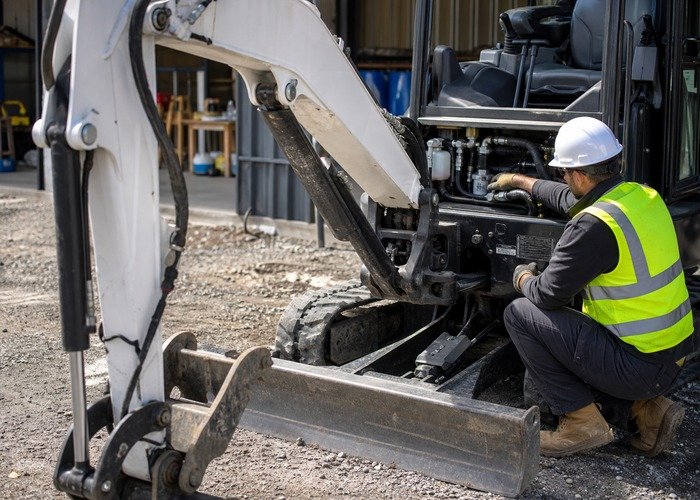
Check hydraulic oil exactly as the manual specifies: correct machine position, attachment position, temperature, and shutdown interval. A level reading taken with cylinders extended when the manual requires them retracted can be misleading. Low oil can introduce air and cause noise, erratic movement, heat, and poor performance. Overfilling can also cause aeration or leakage.
Look through the sight gauge or approved sample point. Milky oil may indicate water; foam may indicate aeration; burnt odor or unusually dark oil can signal heat or degradation. Metal or rubber debris requires immediate attention. Do not mix fluids based only on color. Viscosity, additive system, and compatibility matter.
The SeekMach product overview helps place hydraulic equipment in context, but fluid selection must come from the machine documentation. If the wrong oil was added, stop and obtain model-specific advice rather than hoping it will blend harmlessly.
A restricted hydraulic filter can reduce flow or open a bypass, depending on system design. Use the restriction indicator, maintenance record, and manual. Replacing a filter without understanding why it plugged can hide contamination rather than solve it. Cut-open inspection and oil analysis are often more informative when a filter contains unusual material.
Tank breathers allow the reservoir to equalize pressure while limiting contamination. A blocked breather can contribute to poor pump supply. Suction hoses can soften, collapse internally, or leak air without showing an obvious external oil leak. Whining, foam, and erratic response may point toward aeration or cavitation, but a technician should confirm with proper testing.
Never place a hand over a suspected pinhole. Use cardboard or wood from a safe distance only if the manual permits inspection, and wear appropriate protection. The OSHA hydraulic injection hazard bulletin explains why pressurized fluid injuries require urgent medical attention.
Test boom, arm, bucket, swing, blade, and travel one at a time in an open area using normal loads. Write down which functions are slow, weak, jerky, drifting, or noisy. If all functions are affected, look for a shared cause such as engine output, pump supply, oil condition, control pressure, or system temperature. If one function is affected, the fault may be localized to its valve section, cylinder, hose, linkage, sensor, or actuator.
Cylinder drift can come from internal cylinder leakage, valve leakage, load-holding components, or external leakage. Do not diagnose a cylinder by appearance alone. Isolating circuits and measuring leakage require approved procedures and often specialized plugs, gauges, and lifting controls.
For tight-site work, review the SeekMach product application solutions and confirm that the machine is stable and correctly positioned. A machine digging far over the side, at maximum reach, or with an oversized bucket can feel weak because geometry and stability—not component failure—limit productive force.
If power loss appears only with an auxiliary attachment, return to a known-good standard bucket and compare. Verify auxiliary-flow setting, one-way or two-way mode, coupler connection, hose routing, case-drain requirement, return path, and attachment flow and pressure limits. A partially seated quick coupler can create heat and poor performance even when it looks connected. Recheck the intended job against the excavator product range before assuming every attachment is suitable.
Inspect hoses for kinks, crushing, abrasion, and incorrect routing. Confirm that a case drain, when required, is connected to the correct low-pressure port. An attachment that demands more flow than the excavator supplies will run slowly; one that cannot accept the machine’s flow may overheat or be damaged.
Use only compatible couplers and relieve trapped pressure according to the manuals. Striking couplers, heating them, or loosening a hose to release pressure creates unnecessary risk.
Modern machines may store active and logged fault codes. Photograph or write them down with hour meter, ambient temperature, and symptom. A code identifies a circuit or condition; it does not always identify the failed part. Inspect connectors for secure seating, water, corrosion, or damaged wiring only after safe shutdown.
Useful service data includes engine rpm under load, hydraulic temperature, pilot pressure, main relief pressure, pump flow, case-drain flow, and electronic command values. These tests need calibrated instruments and model-specific procedures. A technician who receives a clear symptom log can diagnose faster than one who receives a list of parts already replaced.
Do not turn relief valves, pump regulators, engine stops, or electronic calibration settings without the service procedure and gauges. Raising pressure may briefly hide wear while overstressing hoses, cylinders, valves, structure, and attachments. Do not defeat seat switches, interlocks, or alarms to keep working.
Do not use a heavier oil as a substitute for diagnosis. A viscosity change may alter symptoms while reducing cold-flow performance or violating component requirements. Do not keep adding oil when the level repeatedly falls; locate the loss and inspect for internal transfer where applicable.
The Call 811 service is relevant when a weak machine tempts an operator to make repeated aggressive passes near utilities. Performance trouble is not a reason to abandon the dig plan or safe excavation practice.

Record date, machine hours, ambient temperature, fuel source, attachment, oil temperature if available, warning lights, active codes, and the exact function affected. Note whether the problem is present cold, warm, or only after a set number of minutes. Describe sound without interpretation: high-pitched whine, knock, surge, hiss, or rattle.
After any approved maintenance correction, perform a short controlled test in a clear area. Stop if heat, noise, leakage, smoke, or warning indicators return. A successful five-minute test is not proof that a heat-related problem is solved; repeat the original work cycle cautiously while monitoring. Use the excavator application guide to keep the test aligned with normal work rather than an unrealistic overload.
Heat can reduce oil viscosity and increase internal leakage. A blocked cooler, incorrect oil, filter restriction, continuous relief operation, or component wear may contribute. Measure temperature and obtain pressure and flow data before replacing parts.
Yes, if fuel restriction prevents the engine from maintaining power. Watch engine rpm and listen for bogging. Follow the approved filter and priming procedure rather than opening high-pressure lines.
No. Low oil, aeration, restrictions, control issues, attachment mismatch, engine power loss, incorrect settings, or excessive temperature can produce similar symptoms. Pump condition should be confirmed with proper tests.
Stop for injection-risk leaks, heavy smoke, overheating, abnormal knocking, metal contamination, low oil pressure, repeated fault codes, or any test requiring pressure adjustment, circuit isolation, or work beneath unsupported equipment.
This excavator troubleshooting video shows a practical observation-first approach. The reliable path is to define the symptom, separate engine and hydraulic behavior, perform safe visual and maintenance checks, verify the attachment, preserve fault data, and use measured tests for the final diagnosis. That process protects the machine and keeps a solvable restriction or setup problem from becoming a costly failure.