Telephone/WhatsApp:+86 156 2656 0610
Telephone/WhatsApp:+86 156 2656 0610
Email:seekmach@gmail.com

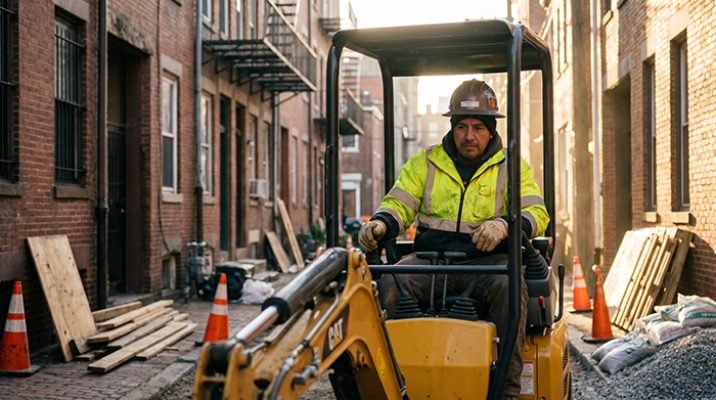
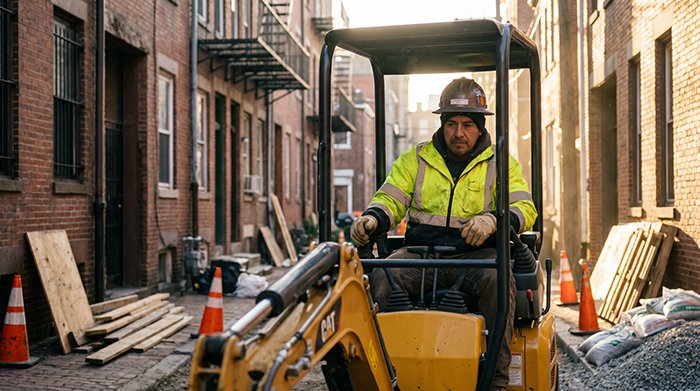
The 0.8T mini excavator isn’t a compromise — it’s a deliberate access strategy that larger competitors simply can’t match.
The contractors earning the strongest returns right now aren’t running the biggest machines. They’re running the right ones. Понимание how to make money with a mini excavator starts with recognizing a market hiding in plain sight: the tens of thousands of residential and urban jobs every year where a full-size machine physically cannot go.
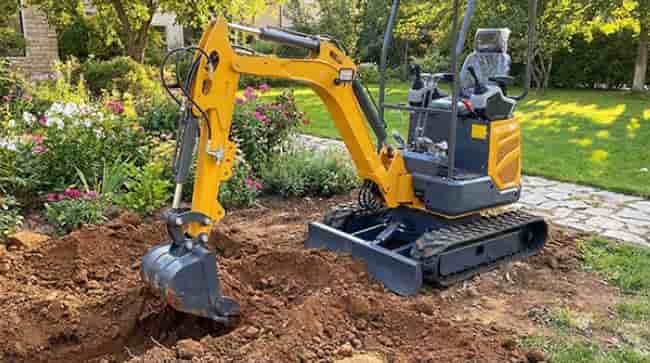
Defining the micro-access niche. According to Equipment World, the 0.8T mini excavator’s narrow chassis and foldable ROPS allow it to reach interior renovation sites and backyard projects that larger machinery simply cannot access. Gated yards, side passages as narrow as a standard doorway, basement dig-outs, and tight urban corridors — these jobs exist in high volume, yet most contractors leave them on the table because their equipment can’t fit. That’s a repeatable revenue gap the 0.8T fills directly.
The economics of scale work against larger machines on small jobs. A 3T or 5T excavator carries higher fuel burn, larger transport costs, and greater site-damage liability. On a job that takes four hours to complete, those overhead layers eat the margin entirely. Smaller urban contracts often pay a premium precisely because so few contractors can service them efficiently — which is the opposite of what most new operators assume.
The ‘first machine’ philosophy changes the risk profile. A lower purchase price, reduced insurance exposure, and simpler transport requirements mean the 0.8T class lets new contractors enter the market without betting the business on a single asset. It’s a foundation, not a ceiling.
The real question isn’t whether this machine can earn — it’s exactly how the operating costs stack up on a monthly basis, which is where the profit picture gets genuinely compelling.
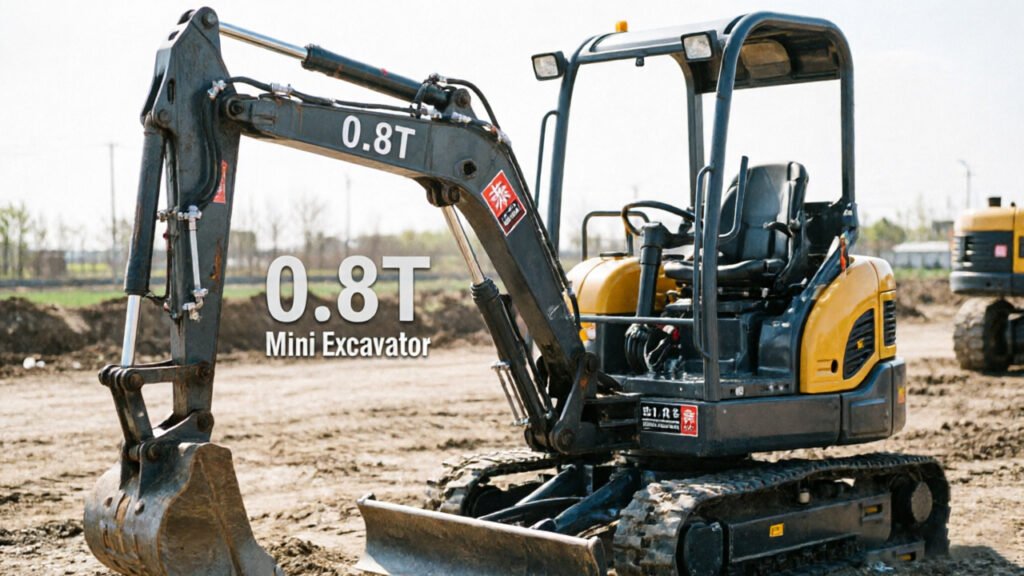
Understanding mini excavator operating costssss is the clearest argument for why the 0.8T class delivers outsized returns compared to larger fleet assets.
The numbers are straightforward: lower fuel burn, simpler servicing, and a smaller physical footprint translate directly into a lower monthly cost base — and a faster break-even.
Here’s what the cost picture looks like in practice:
What this means in practice is that a 0.8T unit doesn’t need to stay busy every day to justify its place in your fleet. The low fixed-cost structure gives new contractors breathing room during slow periods while protecting margin during busy ones. For a deeper look at how size directly affects worksite profitability, this breakdown of compact vs. full-size machine performance is worth reviewing.
That cost advantage becomes even more compelling once you identify the specific job types where the 0.8T earns a premium — which is exactly where the next section picks up.
The 0.8T’s size isn’t a limitation — it’s a direct ticket into high-demand jobs that larger machines physically cannot take.
Indoor demolition is one of the strongest revenue opportunities available to small contractors today. Basement deepening, concrete floor removal, and structural renovation work all require a machine that fits through a standard residential doorway. As Equipment World notes, the ability to pass through an 800mm doorway significantly reduces labor costs and project timelines — work that would otherwise require days of manual breaking gets done in hours. When you factor mini excavator costs per hour against the day-rate you can charge for interior demo, the margin spread is hard to argue with. For a deeper look at how size affects indoor performance, the tradeoffs are worth understanding before pricing your first bid.
Residential utility trenching is another consistent earner. Fiber optic installs, irrigation systems, and low-voltage conduit runs are booming in suburban markets. These jobs require shallow, precise trenches in tight yards — exactly where a 0.8T shines and a 1.5T machine tears up turf and creates liability.
Graveyard and cemetery maintenance work is a surprisingly underserved niche. Many older cemeteries need drainage correction, path work, or landscaping updates in spaces where monument proximity makes anything larger than a 0.8T a genuine risk. One wrong swing in a 1.5T machine is a costly mistake. The 0.8T fits where others simply won’t.
The sub-contractor model rounds out the opportunity set. Larger general contractors regularly need a compact machine for finish grading, cleanup, and detail work after their heavy iron has left the site. Positioning your 0.8T as a finish-work specialist — not a primary dig machine — lets you charge premium day rates while filling schedule gaps that GCs genuinely struggle to staff.
When pricing these niches, resist the temptation to compete on rate. Each of these scenarios solves a problem larger machines create — and specialized access commands a premium. Price accordingly.
Transportability is one of the most underrated drivers of 0.8T mini excavator ROI — and it’s where small contractors consistently gain ground on larger competitors.
According to the Association of Equipment Manufacturers (AEM), 0.8T mini excavators fall under lower transport weight thresholds, meaning they can be towed by a standard pickup truck without requiring a Commercial Driver’s License. That single regulatory fact eliminates the need for specialized hauling contracts, third-party transport scheduling, and the overhead that comes with both.
Compare the logistics picture directly:
That gap doesn’t just affect cost — it determines how many jobs you can complete in a single day.
The “multiple jobs per day” strategy is only realistic when mobilization is fast. A contractor running a 0.8T unit can realistically complete two to three distinct site visits — a morning utility repair, an afternoon backyard drainage install — without burning half the day on transport logistics. Dead time between sites compounds quickly for heavy equipment operators; a delayed haul or a permit issue can eliminate an entire afternoon billing window.
Regulatory ease extends beyond the highway. Residential street parking restrictions, HOA access rules, and narrow neighborhood roads all become non-issues when your machine arrives behind a pickup. For contractors focused on tight urban and indoor job sites, this mobility advantage directly translates into more billable hours per week.
That operational flexibility becomes even more powerful when combined with the right attachments — which is exactly where the next layer of ROI lives.
A single 0.8T mini excavator can function as four or five different machines — as long as the operator knows which attachments to run and when. This is one of the most compelling arguments for anyone seriously considering starting a mini excavator business: the base machine is just the beginning of your earning potential.
As For Construction Pros notes, “the versatility of a mini excavator is not just in its size, but in its hydraulic flow compatibility with specialized attachments like augers and breakers.” That compatibility is what separates a one-trick machine from a genuine revenue multiplier.
Three attachments consistently deliver the strongest ROI at the 0.8T class:
Hydraulic maintenance is where operators protect their investment long-term. The 0.8T class typically operates at lower hydraulic flow rates than mid-size machines — usually in the 8–12 GPM range — so pairing attachments rated for that flow window is non-negotiable. Mismatched flow causes heat buildup, seal degradation, and premature pump wear. Always verify attachment GPM requirements before purchase, flush hydraulic lines when switching tools, and check fluid condition every 250 operating hours.
If you’re weighing how attachment versatility scales as you grow, larger compact machine classes follow the same principle — but the entry cost and site access trade-offs shift considerably.
Building a profitable micro excavator business ideas into a real operation starts with one clear decision: how you acquire the machine.
The rent-to-own vs. direct purchase debate is the single most consequential choice a new solo operator will make. Rent-to-own arrangements lower the barrier to entry — monthly payments typically run $800–$1,500 on a 0.8T unit — and let you generate revenue before you’ve committed fully. Direct purchase, however, eliminates interest overhead and builds equity faster once you’re consistently booking work. In practice, contractors who already have two or three clients lined up tend to fare better with a direct purchase, while those still testing their local market benefit from rent-to-own flexibility.
Marketing doesn’t require a big budget at the start. A few “before and after” reels on social platforms can generate substantial local reach within weeks. Nextdoor, Facebook Marketplace, and local community boards remain underutilized channels where homeowners actively look for small-scope work — exactly the indoor demolition, drainage, and landscaping jobs where a 0.8T excels. According to Equipment World, contractors can maximize ROI by targeting micro-niche jobs such as indoor demolition where manual labor was previously the only option — work that a compact machine handles efficiently and photographs dramatically well.
Insurance and licensing are non-negotiable. At minimum, a solo operator needs general liability coverage ($1M per occurrence is standard), and some municipalities require a contractor’s license for excavation work even on private property. Verify local requirements before your first paid job.
Portfolio building is often overlooked early on. Clean, well-lit job site photos — even from a smartphone — establish credibility faster than any paid ad. Prioritize “small but perfect” documentation: tight trenches, precise grading, zero collateral damage. That visual evidence becomes your strongest sales asset.
Those same photos, combined with a clear pricing structure, also set the stage for a logical next step many operators eventually consider: building a rental fleet around this class of machine.
The 0.8T class is arguably the most rental-friendly machine in the compact equipment market — low barrier to entry, easy to operate, and in constant demand from residential customers.
The rental model works precisely because this machine doesn’t intimidate non-professionals. DIYers, weekend landscapers, and homeowners tackling pond excavations or garden renovations are the backbone of the micro-rental market. Unlike a 3-ton machine that demands skill and confidence, the 0.8T is approachable. Customers rent it on a Friday, complete a backyard drainage project, and return it Monday. According to Seekmach’s internal market analysis, the 0.8T’s lower barrier to entry makes it the primary candidate for small rental startups targeting the residential segment.
Maintenance frequency is the variable most new rental operators underestimate. High-turnover units cycle through inexperienced hands daily, which accelerates wear on slew rings, boom pins, and hydraulic hoses. A practical approach is to build a 25-hour inspection protocol — regardless of visible damage — into every rental return. Tracking fluid levels, checking for hydraulic leaks, and inspecting bucket teeth before the next customer picks up the unit prevents cascading repair costs that can quietly erode margins.
Pricing strategy separates sustainable rental operations from those that burn out fast. Daily rates typically range from $250 to $375 depending on regional demand, while weekly rates around $800–$1,100 incentivize longer bookings that reduce equipment handling costs. Shorter weekday rentals carry a modest premium to offset the administrative overhead of frequent turnarounds.
Risk management requires structure, not just paperwork. A signed damage waiver protects revenue, but a mandatory five-minute operator walkthrough — covering swing radius, blade controls, and safe digging angles — does more to prevent damage claims than any legal document. Reviewing basic safety protocols with every new renter isn’t optional; it’s the single most cost-effective risk reduction tool available.
When these three elements align — the right customer base, a disciplined maintenance cycle, and a structured pricing model — the 0.8T rental fleet delivers consistent returns that speak for themselves in the next section’s bottom-line analysis.
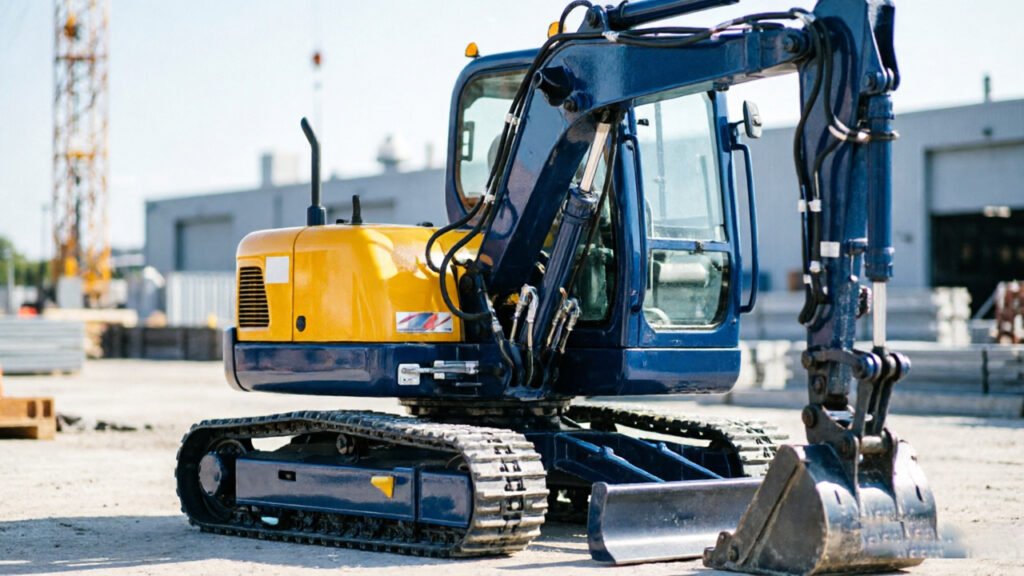
The 0.8T mini excavator delivers a stronger return on investment than nearly any other piece of compact equipment — not because of one feature, but because of how several economic advantages stack together.
The fuel-to-revenue ratio is the defining metric. According to Construction Equipment Magazine, 0.8T units typically command hourly rates that are 70–80% of larger machines while consuming only 30% of their fuel and transport costs. That gap between billing rate and operating cost is where profit actually lives — and no other class in the excavation industry narrows that gap as effectively.
The micro-excavator advantage is ultimately a math problem: lower acquisition cost, lower operating cost, and access to a premium-priced niche that larger equipment cannot serve. That combination is difficult to replicate in any other equipment class. If questions remain about day-to-day performance, digging depth, or how to build an early customer base, the next section addresses the most common objections head-on.
The right answers to the right questions can be the difference between a confident purchase and a costly mistake — here are the four that matter most.
Can a 0.8T excavator really dig deep enough for footings?
In most residential applications, yes. The typical 0.8T machine reaches dig depths between 6.5 and 7.5 feet, which covers the majority of frost-line footing requirements across mid-latitude US states. For deeper commercial foundations, a larger class is appropriate — but for the landscaping, utility trenching, and residential footing work that defines most small contractor schedules, depth is rarely the limiting factor.
What is the average lifespan of a micro-excavator engine?
A well-maintained diesel engine in this class routinely reaches 8,000–10,000 operating hours before requiring major work. Fluid discipline — clean hydraulic oil, timely filter changes, and correct coolant maintenance — is the primary driver of longevity. Operators who track service intervals from day one can expect a machine that earns for a decade or more, which is a critical variable in any honest ROI projection.
How do I find my first 10 customers?
In practice, the fastest path is hyper-local visibility: Google Business Profile optimization for your zip code, direct outreach to local landscapers and general contractors, and a few targeted before-and-after posts on neighborhood social platforms. The machine’s compact size means jobs in tight spaces — side yards, interior demolition, gated properties — become a genuine differentiator you can market directly.
Why choose factory-direct OEM/ODM over local dealers?
Dealer markups on compact equipment commonly run 20–35% above landed cost. With CE-certified manufacturing and 15+ years of production expertise, Seekmach delivers factory-direct pricing alongside full OEM/ODM customization — so your spec, your branding, and your budget stay aligned from day one. Request a factory-direct quote and see exactly how the numbers change