Telephone/WhatsApp:+86 156 2656 0610

Telephone/WhatsApp:+86 156 2656 0610
Email:info@seekmach.com

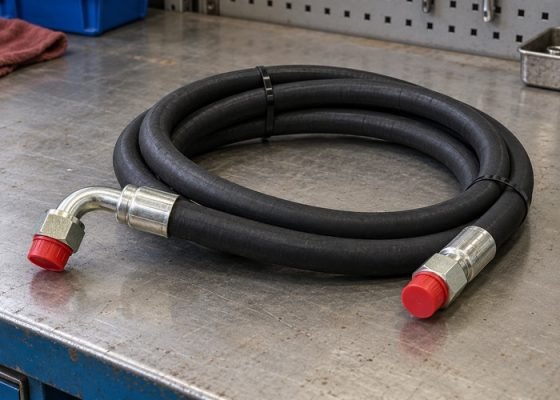
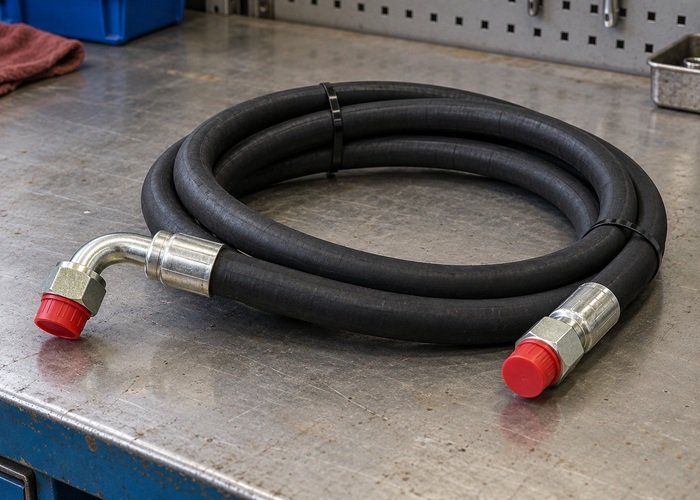
Build a replacement request around the exact machine, complete hose assembly and both end connections. Thread appearance alone is not enough. The supplier needs the thread and sealing arrangement, hose requirements, length and end orientation, together with any approved part information. Have qualified personnel collect the details under the machine’s specified safe service arrangements.
This guide helps owners prepare a hose-shop enquiry. It does not identify a fitting from a generated image or provide instructions for opening a pressurized system. Do not loosen a connection simply to obtain a measurement. Use the exact machine documentation and qualified service support to establish what can safely be inspected or removed.
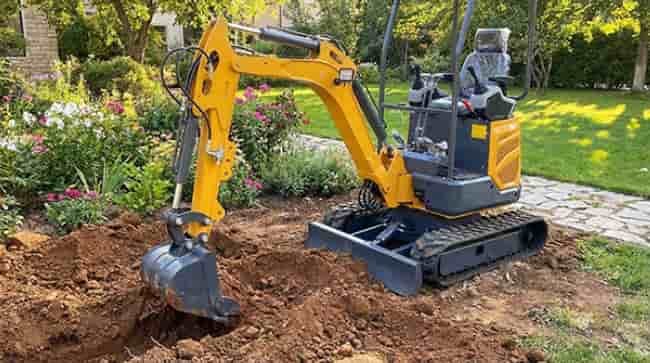
Record the excavator model, serial number and the location or circuit in which the assembly is used. Include any readable hose markings, assembly tag or approved part reference. Explain whether the original assembly is available for inspection and whether the machine has known modifications. A model name by itself may not capture a change made during earlier repairs.
The mini excavator spare-parts ordering guide addresses the wider parts request. For a hose, extend that record to identify both ends and the complete assembly. Keep confirmed part information separate from a reference copied from another machine or a similar-looking attachment.
If the installed part has already been changed, tell the supplier. The removed assembly can be useful evidence, but it should not automatically be treated as proof of the original design. Ask the approved supplier to reconcile the available part information, machine requirements and installed arrangement before manufacturing a replacement.
The Swagelok thread and end-connection identification guide illustrates why thread identification and connection identification need more than a casual visual match. It is technical background for competent identification. It does not approve a Swagelok component or any other manufacturer’s part for a SeekMach machine.
Ask the qualified technician or supplier to identify the relevant thread form, size and pitch and the sealing arrangement. A nominal size or outside diameter should not be used alone to choose a connection. Different designs can rely on different sealing surfaces or seals even where a thread initially appears similar.
Record which observations are confirmed and which remain uncertain. If a sealing surface is damaged or a marking is unreadable, include that limitation. Do not force two parts together to test whether they fit. A partial engagement is not evidence of compatibility, pressure capability or an acceptable sealing connection.
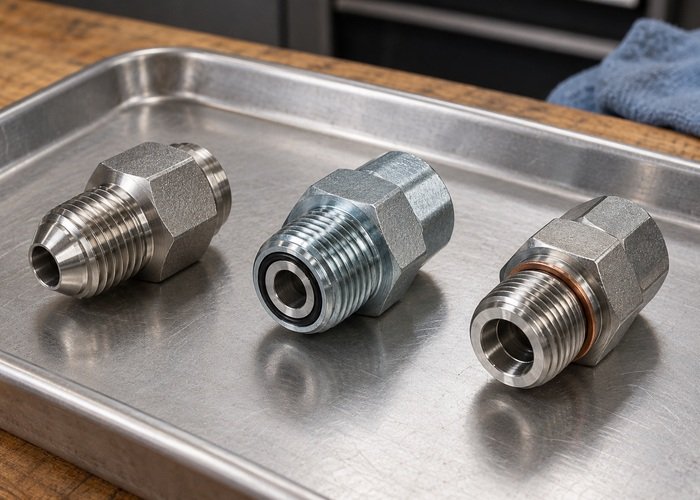
The fitting is only part of a hose assembly. Have the responsible supplier confirm the required hose type, bore, pressure duty, fluid compatibility and environmental requirements from the machine information. Do not infer these requirements solely from the size of a threaded end or from the outside diameter of a worn hose.
Explain the work and location relevant to the assembly: movement, routing constraints and exposure identified in the approved inspection. Provide the information requested by the supplier rather than inventing a pressure or temperature rating to complete a quotation form. If a requirement is unknown, have it resolved through the responsible technical contact.
The hydraulic hose abrasion guide addresses condition and routing concerns. Keep that replacement decision connected to identification, but do not treat abrasion evidence as a complete specification. Reproducing the same arrangement without reviewing an identified routing problem can leave an important question unanswered.
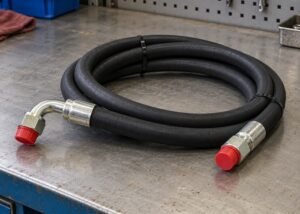
Ask the supplier how the assembly’s required dimensions and end orientation should be documented. Different end forms and angled connections make a vague overall-length description insufficient. Qualified staff should establish the measurements and conventions needed for the actual request. Do not stretch or twist a hose to make an assumed replacement appear suitable.
Provide clear photographs of each end, any readable markings and the installed context where safe to obtain them. Keep photographs associated with the same assembly identifier. An image of one end from one hose and the other end from a different hose can create a convincing but incorrect request if the records are mixed.
| Request item | Evidence to provide | What the supplier must resolve |
|---|---|---|
| Machine and circuit | Model, serial, location and known changes | Applicable approved requirements |
| End connections | Both ends, markings and qualified identification | Thread and sealing compatibility |
| Hose duty | Documented type, bore and operating requirements | Complete assembly suitability |
| Geometry | Required length and end-orientation convention | Fit without twist or unintended strain |
| Verification | Scope and traceable supplier record | Appropriate assembly checks and release |
HSE’s work-equipment maintenance guidance describes the importance of planned work, competent personnel and suitable precautions. Apply those principles through the exact machine and site instructions. A request for a clearer fitting photograph does not justify accessing an unsafe position or opening an energized system.
HSE’s hydraulic injection safety alert highlights the hazard from pressurized fluid and the need for compatible replacement fittings. Do not search for leaks with a hand or use an informal connection trial as verification. The responsible service provider must define the appropriate checks and precautions for the assembly.
If a suspected injection injury occurs, seek immediate professional medical treatment through the emergency arrangements. This article does not provide treatment instructions or a safe pressure threshold. Keep the equipment out of the affected work until the responsible people have addressed the fault and authorized its status.
Have the approved supplier state what will be supplied and the information used to select it. Clarify the hose and end components, any identified limitations and the required verification. A quotation for two fittings and a length of hose is not necessarily the same scope as a specified, manufactured and checked replacement assembly.
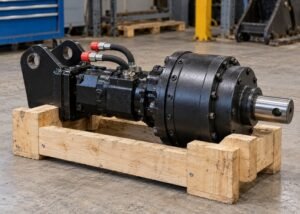
Do not solve an identification gap with a chain of unapproved adapters. A new adapter can change routing, connection loads or other requirements that need review. Ask the responsible technical contact to resolve the arrangement rather than selecting parts solely because they can be connected together.
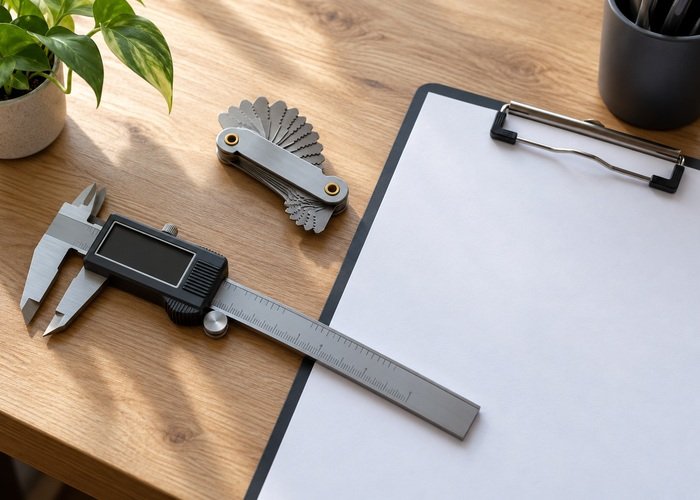
Have the qualified service provider check the supplied item against the approved request and machine requirements. Resolve discrepancies before installation or release. A correct package label does not establish that the contents match every part of the specification, and a similar appearance should not replace the required checks.
Keep the supplier’s record and the actual work completed with the machine history. Record changes from the earlier arrangement and the basis for approval. If a later problem occurs, these details give the service provider a better starting point than a receipt describing only a generic hydraulic hose.
The hydraulic coupler connection guide addresses a different symptom. A coupler that will not connect is not, by itself, proof that the thread or hose-end specification is wrong. Refer the actual condition to qualified service rather than replacing parts based on one observed symptom.
Likewise, identifying a fitting does not diagnose the cause of a leak or confirm that the associated port is undamaged. Keep the request focused on what is known, and state when inspection or repair assessment is also required. This prevents a replacement quotation from being mistaken for a complete fault diagnosis.
Retain the confirmed assembly identifier, supplier documentation, photographs and machine location together. If the machine or attachment is transferred to another team, include relevant modifications and unresolved findings. Clear history helps avoid repeating uncertain identification from an old photograph each time a hose is required.
When ordering a spare for a different machine, check the requirements again. A successful replacement on one excavator does not prove interchangeability across models or serial ranges. Keep reusable information useful by recording exactly which unit and configuration it covered.
For a photographic enquiry, use one clear reference for the assembly and identify which image shows each end. Include a wider context image where appropriate, rather than sending several disconnected close-ups without explanation. Ask the supplier to confirm what can be established from the images and what requires physical inspection. Keep that reply with the request. If the supplier cannot identify a feature confidently, arrange the required qualified inspection instead of turning an uncertain suggestion into a purchase specification.
No. Qualified identification needs the relevant thread and sealing details, together with the complete assembly requirements.
No. Do not force or trial-connect uncertain components. Have the approved supplier verify the connection and assembly.
It is useful evidence, but known changes, damage and machine requirements need review. Confirm the approved replacement specification.
Yes. Keep both ends, the required geometry and the machine context associated with the same assembly identifier.