Telephone/WhatsApp:+86 156 2656 0610
Telephone/WhatsApp:+86 156 2656 0610
Email:info@seekmach.com

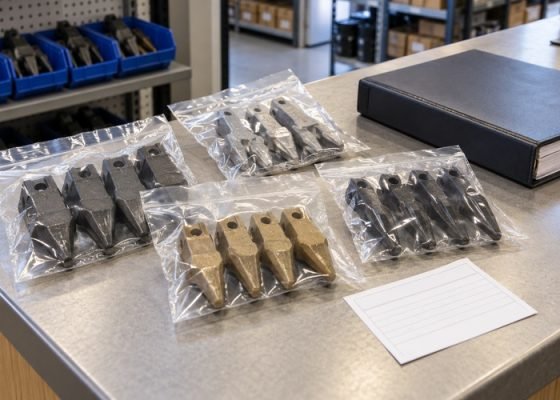
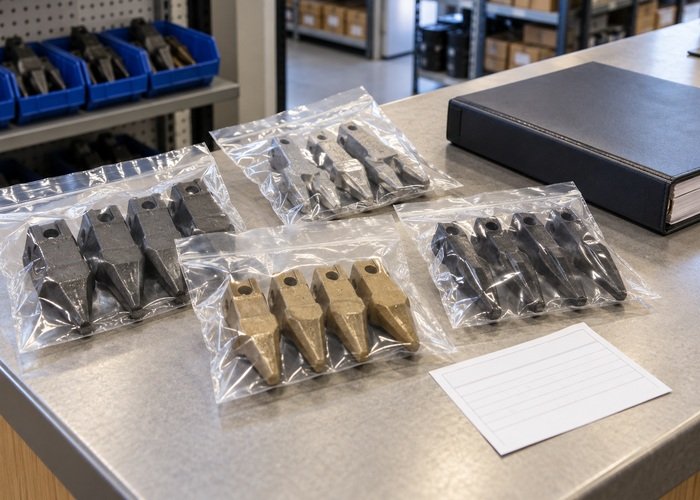
Yes. A qualified assessment of the exact auger bit, its wear parts and the job conditions should come before assuming that a larger excavator or drive is needed. Record the teeth, pilot, pockets and flight condition under the approved inspection arrangements. Reduced drilling performance is an observation, not proof of a particular hydraulic fault or an unsuitable carrier.
This guide helps owners prepare a wear assessment and parts enquiry. It does not prescribe a wear limit, tooth-removal method or replacement part for an unidentified auger. Follow the actual attachment instructions and have qualified service personnel decide what needs attention. Do not approach or inspect a rotating or inadequately supported attachment.
Record the auger manufacturer, model and any available part or serial information. Identify the drive separately from the bit. A familiar drive head does not establish which teeth or pilot are fitted to an auger that may have been changed during its working life.
Ask the supplier to confirm the intended application and wear-part family for the identified bit. Earth, combination and rock-oriented arrangements can have different components and interfaces. A tooth of roughly the same length should not be assumed interchangeable. Keep product names, photographs and confirmed part references associated with the same attachment record.
Digga’s wear-part information illustrates distinct tooth and pilot options within its product range. It is background for understanding why identity and interface matter. It does not establish that a listed Digga component fits a SeekMach attachment or that a particular material can be drilled by an unnamed bit.
Describe the material and conditions encountered, the work being attempted and what changed. Explain whether the concern appeared gradually, followed a particular event or was noticed after the bit was moved to another job. Give the qualified assessor observations rather than a conclusion that more hydraulic power will solve the problem.
Include known changes to the attachment or carrier configuration. If a bit, drive or hose arrangement was substituted, state that clearly. Service history and operating context help the assessor decide which questions to investigate. A short video or photograph can supplement the record when safely obtained, but cannot demonstrate every aspect of compatibility or condition.
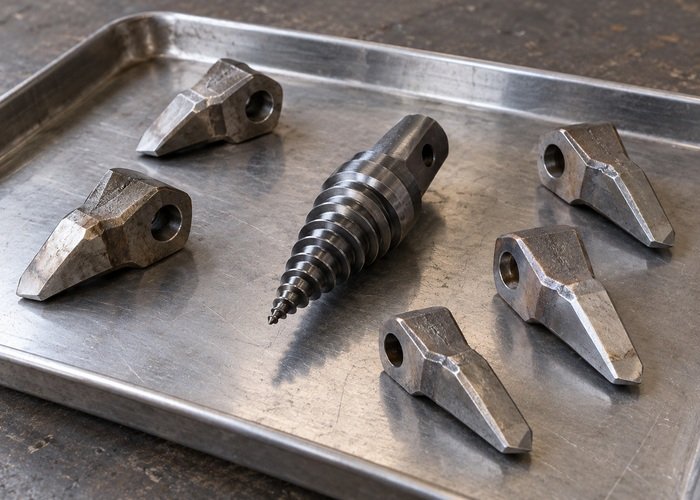
Have qualified personnel inspect the attachment in the condition required by its manual, with the necessary isolation and support. Include the relevant teeth, pilot, retaining arrangements, pockets and flight structure. Do not focus solely on the easiest visible edge while overlooking damage elsewhere in the cutting assembly.
Digga’s rock-auger wear discussion describes the relationship between wear components and the auger body for its designs. Use it to frame a complete condition enquiry, not to import a service method or numerical wear threshold into another product. The exact manufacturer’s instructions govern the actual inspection and replacement decision.
Record missing, loose or visibly damaged components through the site’s defect system. Do not continue work merely because the attachment still rotates. The responsible service contact should assess the consequence and the requirements for return to use. Avoid an improvised repair intended only to finish the current hole.
A tooth or pilot condition assessment is not the same as checking the drive’s hydraulic supply or internal condition. If the reported problem also suggests a system issue, have the appropriate qualified service team investigate it using the relevant instructions. Do not change pressure or flow settings as an informal test of a worn bit.
o auxiliary hydraulic-flow guide addresses carrier and attachment matching. It does not supply a shortcut for diagnosing a wear complaint. Keep the confirmed hydraulic requirements available to the assessor while documenting the cutting components independently.
The separate auger gearbox service-record guide concerns the drive’s lubrication arrangement. A gearbox service entry does not establish that the teeth, pilot or pockets were inspected. Specify what work was actually completed instead of describing all attachment maintenance as one undifferentiated service.
| Request item | Evidence to provide | Decision to confirm |
|---|---|---|
| Bit identity | Model, markings and known changes | Applicable wear-part family |
| Job conditions | Material, task and observed performance change | Whether application review is needed |
| Cutting components | Safe observations of teeth, pilot and retainers | Approved replacement requirements |
| Bit structure | Pocket and flight observations | Qualified repair or further inspection |
| Service history | Previous parts and work completed | Remaining inspection and release requirements |
Give the supplier clear images and the information it requests for the actual tooth, pilot and retaining design. Confirm whether a quotation includes only a wear component or also the associated retaining parts. Similar appearance does not establish that a component seats or retains correctly in the existing pocket.
Digga’s rotating-pick guidance provides another example of design-specific wear attention. It is not a universal removal, rotation or installation procedure. Ask the responsible manufacturer or approved service provider to identify the instructions that apply to the exact bit and parts being supplied.
If the pocket or surrounding structure is damaged, refer that condition for qualified assessment rather than ordering a new tooth as though it resolves the entire problem. Clarify whether the proposed service scope includes structural inspection or repair. Keep any required authorization with the attachment record.
Use a consistent attachment identifier and indicate which part of the bit each image shows. Where qualified personnel provide measurements, record their method and the relevant manufacturer requirement. A close-up without scale or context should not be turned into a precise wear assessment by someone who has not examined the component.
Keep the original observations and supplier response together. If the evidence is insufficient, arrange the required inspection rather than asking a second supplier to guess from the same unclear image. A written limitation is more useful than a confident part identification that cannot be supported.

Have the approved service provider follow the applicable removal, installation and verification instructions. This article provides no hammering method, tightening value or improvised retaining arrangement. Confirm how the attachment will be isolated, handled and supported for the work through the proper service plan.
Record what was replaced, what else was inspected and what remains unresolved. Do not describe a parts delivery as completed maintenance. The responsible people should confirm the required checks and release before the attachment returns to the job. Preserve the exact supplied part information for the next service enquiry.
o auger job-planning guide covers layout and task information. If the material or scope has changed, give that information to the supplier alongside the wear assessment. New ground conditions may require an application review rather than a like-for-like assumption about the next set of parts.
A proposal to use a different bit, drive or carrier should be checked against its actual requirements. Do not use an earlier successful job as proof that the new combination is suitable. Resolve the approved configuration and task limits before comparing expected output or purchasing larger equipment.
Keep the inspection observations, part identity and service work with the bit’s own history, especially if it moves between machines. Note the job conditions associated with the findings. This allows a later technician to distinguish a recurring issue from a one-off event without inventing a universal wear-life prediction.
If the attachment changes ownership or crews, pass on outstanding defects and relevant instructions. A record should identify what is known and what still needs attention. Replacing a cutting component does not erase an unresolved question about the drive, pocket or application.
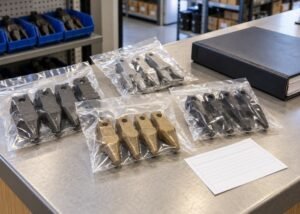
Before scheduling installation, compare the package identification with the approved quotation and the recorded bit identity. Keep the supplier confirmation with the delivery record. Ask about missing retainers or an unexpected change in part number before anyone attempts assembly. A delivery that looks broadly similar still needs the same identity check as the original enquiry.
Keep replacement components protected and separated from rejected parts while the discrepancy is resolved. Record any supplier substitution explicitly, including who confirmed its suitability for this particular bit. This gives the installer a clear starting point and prevents an unapproved substitution from disappearing into the maintenance history.
No. Have the actual bit condition, application and drive arrangement assessed before drawing that conclusion.
Do not assume compatibility from appearance. Confirm the bit and wear-part interface with the responsible supplier.
Yes. A complete assessment should consider the relevant cutting and retaining components and bit structure under the exact instructions.
No. Record the work actually completed and arrange the separate inspection needed for the teeth, pilot and bit structure.