Telephone/WhatsApp:+86 156 2656 0610
Telephone/WhatsApp:+86 156 2656 0610
Email:info@seekmach.com

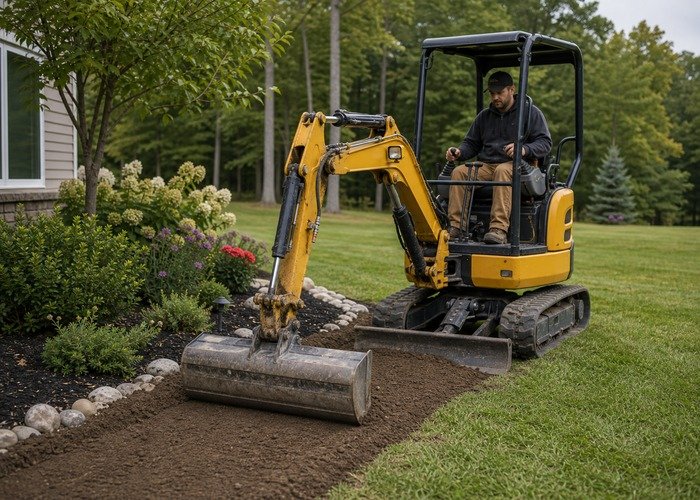
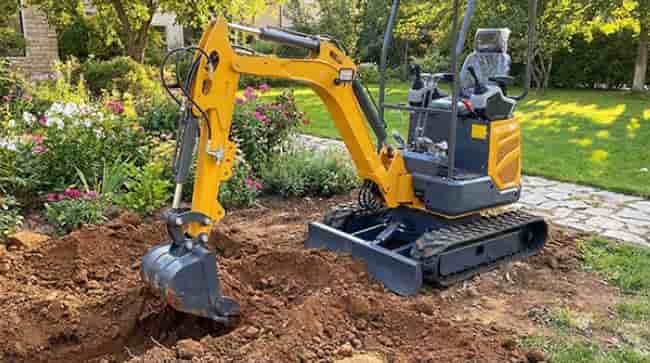
A mini excavator grading bucket is not just a wider bucket. It is the tool that turns rough digging into a clean finish. If you are using a compact excavator from the SeekMach excavator category, the grading bucket can help backfill trenches, shape swales, smooth garden beds, clean ditch shoulders, and leave less hand work behind.
The common mistake is expecting the grading bucket to fix poor digging. Finish work starts before the last pass. Spoil placement, trench depth, soil moisture, bucket angle, blade position, and the operator’s patience all affect the result. A grading bucket makes smooth work easier, but it cannot rescue a site that has no drainage plan.
Whenever backfill or trench work is involved, safety comes first. The OSHA trenching and excavation guidance explains why soil, depth, spoil placement, and trench access matter. Even shallow work deserves a plan because people can get comfortable around small machines too quickly.
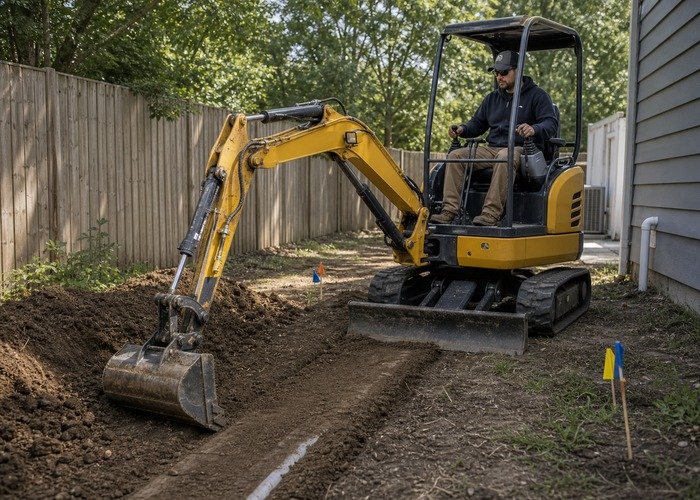
A grading bucket has a wider, smoother edge than a digging bucket. It spreads material, feathers high spots, pulls loose soil, and leaves a more even surface. It is useful after utility trenches, drainage lines, planting beds, small pads, and landscape reshaping. It can also clean the last loose material from a trench without making the trench wider than needed.
Use the SeekMach excavator application solutions to connect grading bucket work with real applications rather than buying attachments by appearance. A grading bucket is most useful when the job requires visible finish quality. The NIOSH construction safety resources is a good reminder that compact construction work still needs jobsite awareness, exclusion zones, and trained operation.
| Field condition | What to check | Better decision |
| — | — | — |
| Backfilling trenches | Is bedding protected? | Place thin layers and avoid dropping large clods |
| Landscape swales | Where should water travel? | Shape from high side to outlet |
| Garden bed prep | Is topsoil wet or loose? | Feather lightly and avoid over-compaction |
| Ditch cleanup | Is the slope stable? | Work from a safe position and maintain drainage |
| Pad finish | Is the base already correct? | Use bucket for finish, not deep correction |
| Final cleanup | Can a loader carry material faster? | Pair with loader when hauling dominates |
Good backfill protects the work below it. Around drainage pipe, utilities, or bedding material, do not simply shove large chunks back into the trench. Place material in controlled layers, avoid damaging pipe or fabric, and keep rocks or debris out where they do not belong. A grading bucket helps spread soil gently, but the operator still needs to understand what is under the surface.
When the project mixes digging, hauling, and finish grading, start with the SeekMach product overview. A mini excavator can place material carefully, while a skid steer or tractor may move larger piles faster. The CCOHS excavation and trenching guidance gives useful context for trench edges, spoil piles, and site planning.
Small changes in bucket angle change the finish. Too much cutting angle and the bucket digs ridges. Too flat and it floats without moving soil. Use the machine blade to stabilize the excavator and control height. Keep the boom and stick movements smooth. Good grading often feels slow at first because the operator is removing small errors rather than creating large new ones.
Hydraulic smoothness matters, and so does respect for pressure. Before inspecting hoses, couplers, or fittings, shut down and release pressure according to the manual. The CCOHS hydraulic systems safety guidance explains why hydraulic leaks and pressure hazards should never be checked with bare hands.
A smooth surface that sends water toward the house, driveway, or trench line is not finished. Before shaping a swale or backfill area, decide where water should go. Work from the outlet backward when possible. Watch how the bucket leaves the final slope. If the finished surface traps water, it will settle, rut, or wash.
o SeekMach skid steer loader category may be useful when hauling material becomes the main bottleneck. The excavator shapes carefully; a loader carries quickly. Pairing the right machines can produce a cleaner result with fewer track marks.
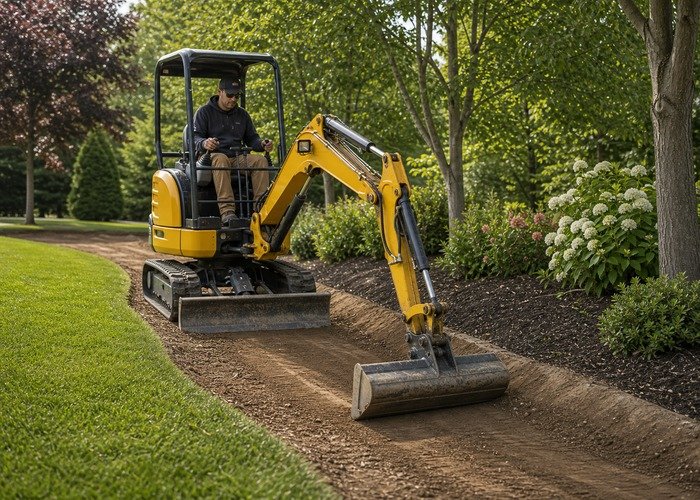
Wet clay smears and sticks. Dry sandy soil falls away. Topsoil can compact if worked too aggressively. If conditions are poor, take lighter passes and consider waiting. Finish work done at the wrong moisture can look acceptable for one afternoon and fail after the first rain.
Use the SeekMach application solutions when grading is part of broader site prep. For drainage thinking, the University of Minnesota stormwater drainage resources is a helpful source because it treats water movement as the reason the shape exists.
After a shallow drainage trench is inspected, the operator places bedding and then uses the grading bucket to pull soil in thin layers. The bucket feathers material without disturbing the pipe. The blade stays down for stability. The final passes shape a shallow swale so water moves away instead of sitting on the trench line.
If the site also needs rough hauling, compare the excavator role with the SeekMach tractor category. A tractor may help on longer property routes, but the excavator should handle the careful shaping near the trench or garden bed.
It can move loose soil, but a digging bucket is usually better for penetration. Use the grading bucket for shaping and finish work.
It should match the excavator’s size, stability, and jobsite access. Too wide can make the machine unstable or hard to control at reach.
Yes, especially when controlled placement and smooth finish matter. Avoid dropping large chunks onto pipe, fabric, or delicate work.
The bucket may be cutting too deeply, the machine may be moving too fast, or the soil may be too wet. Use lighter passes.
Sometimes, but a skilled grading bucket pass can greatly reduce hand work around swales, beds, and shallow trenches.
A compact excavator rewards small movements. With mini excavator grading bucket, the best operators do not simply push harder when the soil resists. They pause, clear material, change angle, and check what the machine is telling them. That habit protects the attachment and usually leaves a cleaner finish.
Spoil placement is part of the work, not an afterthought. Piling soil where it blocks drainage, falls back into a trench, or forces the machine to drive over finished ground creates extra cleanup. Put material where it can be reused, loaded, or spread without crossing the same delicate area again.
The blade is more than a parking brake. It can stabilize the excavator, set a working reference, and reduce machine movement during precise work. On soft soil, however, the blade can also leave marks or sink unevenly. Watch the blade as carefully as the bucket or attachment.
If people are working nearby, create a simple communication rule before the engine starts. No one enters the swing radius without eye contact and a full stop. Small excavators feel approachable, but the swing, bucket, and attachment still move with enough force to cause serious injury.
| Work stage | What to record | Why it matters |
| — | — | — |
| Before work | Locate utilities, inspect attachment pins, and plan spoil placement | Avoids avoidable hazards and rework |
| During work | Use short controlled movements rather than force | Keeps the hole, trench, or grade accurate |
| When conditions change | Stop after rock, roots, wet clay, or sudden resistance | Prevents attachment damage and crooked results |
| Final check | Confirm drainage, alignment, or depth before cleanup | Catches problems while correction is still easy |
Most rework comes from skipping a small observation at the start. Check the surface, listen to the machine, and stop when the result changes. If the machine begins leaving ridges, clumps, crooked holes, tire marks, or uneven finish, the correct move is not always more power. Often it is a slower pass, a cleaner setup, sharper cutting edge, better moisture timing, or a different machine for that part of the job.
Think of the job as a sequence instead of a single pass. Plan where material will go, how water will move, how the operator will turn, and what the finished surface should look like from ground level. The relevant SeekMach pages, including SeekMach excavator category and SeekMach excavator application solutions, are helpful starting points because equipment choice should come from the work pattern, not from the product name alone.
The last check should happen before tools are put away. Walk the work area, look at the surface from several angles, and note what changed. If the result will be exposed to rain, traffic, or repeated use, the first inspection after real conditions is even more valuable. That feedback is what turns one finished job into a better next job.
The first mistake is treating the machine as if it can overcome the wrong conditions. Wet turf, dry hardpack, loose gravel, rocky soil, sharp debris, or poor drainage each asks for a different pace. Forcing the same setting through every condition usually creates more work. When the result changes, stop and identify the condition that changed.
The second mistake is ignoring the edge of the work area. Edges are where water collects, tires drop, tools catch, decks scalp, and attachments swing close to objects. A clean center line with damaged edges is not a good finish. Make the turn area, shoulder, outlet, fence line, or discharge path part of the original plan.
The third mistake is using the final pass to hide earlier problems. A finish pass should refine good work, not cover up poor setup. If the base is uneven, the hole is crooked, the deck is clogged, or the tire path is full of debris, the final pass will only make the problem look smoother for a short time.
A fourth mistake is skipping the operator’s pause. A useful pause takes less than a minute: lower the attachment safely, look at the last ten meters of work, inspect the pattern, and decide whether to change speed, height, angle, route, or timing. That pause is often the difference between a clean article-worthy result and a job that needs to be redone tomorrow.
Stopping early is sometimes the professional choice. If soil starts smearing, grass begins clumping heavily, gravel turns to dust, tires start spinning, or the machine feels unstable, pushing ahead can damage the surface and the equipment. A short delay, a cleaning break, a different attachment, or a second machine may protect the job.
Another reason to stop is uncertainty. If an underground mark is unclear, a slope feels uncomfortable, a hydraulic connection leaks, a blade or tooth looks damaged, or the operator cannot see the work clearly, do not continue by habit. Clear the uncertainty first. Small machines are still powerful enough to turn a small question into a large repair.
Weather also decides timing. Rain can help settle dust and reveal drainage, but wet conditions can create ruts, clumps, and smeared finish. Heat can stress turf and operators. Cold or frozen ground can make digging and grading unpredictable. The schedule should serve the result, not the other way around.
After the job, write down one thing that worked and one thing to change next time. This habit sounds small, but it builds a local playbook for your soil, lawn, driveway, yard, crew, and machine. The best equipment advice is always improved by local experience because every site has its own weak spots.
A better next job starts faster because the operator already knows the first setting to try, the area to inspect, and the mistake to avoid. Over time, that means fewer wasted passes, less surface damage, cleaner finish, and more confidence when conditions are not perfect.
Watch a related grading bucket video here: https://www.youtube.com/watch?v=NxgLrQVMzM8. A mini excavator grading bucket works best when the operator plans drainage, uses light passes, and treats the last inch of soil as carefully as the first trench cut.