Telephone/WhatsApp:+86 156 2656 0610
Telephone/WhatsApp:+86 156 2656 0610
Email:info@seekmach.com

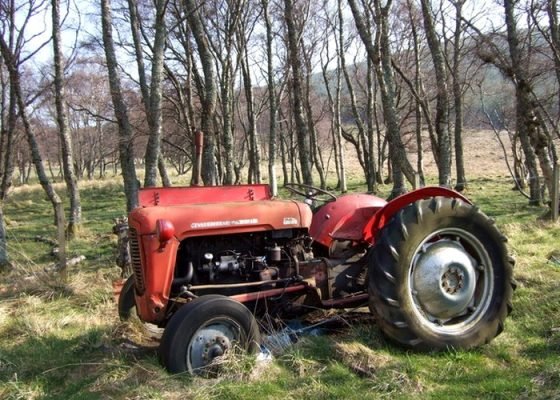
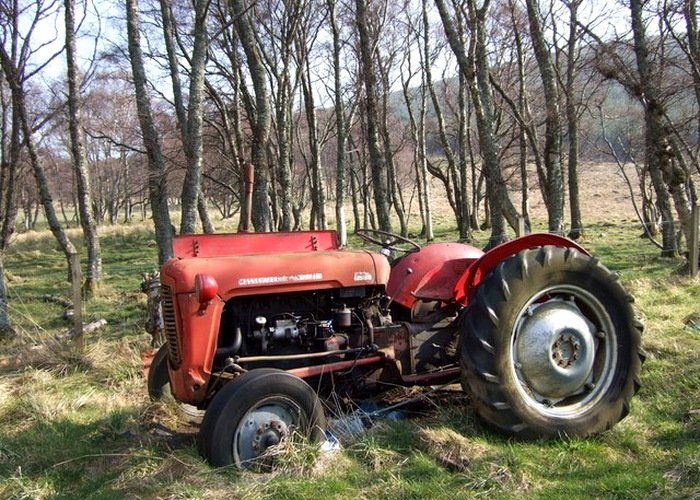
Buying a tractor for a small farm or rural property is easy to overcomplicate. One neighbor talks about horsepower. Another talks about loader lift. A video shows a tractor pulling an attachment through a field, and suddenly the machine that looked right yesterday feels too small. The better way is calmer: list the work, match the attachments, and choose a tractor that can do the repeated jobs without turning every task into a struggle.
For SeekMach buyers, the most useful question is not “What is the biggest tractor I can buy?” It is “What work will this tractor do every month?” The answer changes everything. A machine for mowing five open acres is not the same as a tractor for loader work, driveway grading, garden preparation, and hauling supplies. If you want to compare product options while reading, open the SeekMach tractor category and use this guide as a practical checklist.
The U.S. Department of Agriculture’s Economic Research Service groups farms by business size and household structure, which is a useful reminder that “farm” can mean very different work patterns. A small acreage owner may have very different needs from a commercial operation, even if both use tractors. You can review USDA ERS farm structure resources here: USDA ERS farm structure and organization.
For a small farm buyer, workload is the real starting point. Write down repeated jobs: mowing, loader work, grading, tilling, pulling a trailer, carrying feed, moving compost, clearing storm debris, or maintaining fence lines. Then rank them by frequency. The job done every week should influence the tractor more than the job done once a year.
| Work pattern | Main buying priority | What to verify |
|---|---|---|
| Mostly mowing and light hauling | Maneuverability and turf impact | Turning space, tire choice, mower width |
| Loader work every week | Hydraulics, ballast, visibility | Loader lift, rear ballast, bucket control |
| Driveway grading | Weight, traction, rear implement match | Box blade size, tire type, gravel condition |
| Garden and food plots | PTO and implement compatibility | Tiller width, soil type, turning room |
| Mixed 5-20 acre property | Balanced power and attachment flexibility | PTO, hitch, storage, service access |
This table is not a strict formula. It is a way to stop guessing. If the tractor cannot comfortably run the attachment that solves your repeated problem, the horsepower number alone will not save the purchase.
PTO power matters when the tractor runs rotary cutters, tillers, spreaders, finish mowers, and other driven implements. Engine horsepower and PTO horsepower are not the same thing, so match the implement requirement carefully. A buyer who only checks engine power may end up with a tractor that feels marginal when the implement is actually working in heavy grass or firm soil.
Attachment width also matters. Wider is not always better. A wider implement can save time in open ground, but it may be awkward near trees, gates, beds, or uneven areas. A slightly smaller attachment that fits the property can finish cleaner and create less stress.
A front loader is often the most-used tool on a rural property. It can move mulch, soil, gravel, branches, feed, compost, and tools. But loader work changes the tractor’s balance. Loads should be carried low, rear ballast should be planned, and the operator should avoid sharp turns with a raised bucket. For basic tractor safety principles, Penn State Extension has useful guidance here: Penn State Extension tractor safety.
If loader work is central to your farm, check more than lift numbers. Ask whether the operator can see the bucket edge, whether the tractor feels stable with ballast, and whether the machine can move through the places where material actually needs to go.
The first mistake is buying too small because the property looks small. Five acres with slopes, wet ground, loader work, and a long gravel drive may demand more tractor than ten acres of flat open mowing.
The second mistake is buying too large because reserve power feels comforting. A larger tractor may be harder on turf, harder to store, and less pleasant around gardens or narrow gates.
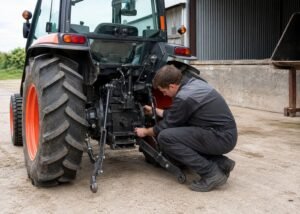
The third mistake is forgetting service access. A tractor that is easy to grease, clean, inspect, and maintain will be used with more confidence.
Choose a tractor by the work, not by the number alone. Match horsepower with PTO, traction, loader needs, attachments, storage, and operator comfort. A good tractor should make the normal week easier, not just look impressive on paper. For broader machine matching, visit SeekMach’s full product overview e SeekMach application solutions.
It depends on mowing, loader work, PTO implements, driveway maintenance, and soil conditions. Start with repeated jobs and then match horsepower to the attachments.
For driven implements, PTO power is critical. Engine power matters, but the implement uses power delivered through the PTO.
Many owners use a loader frequently for soil, mulch, feed, gravel, and cleanup. If loader work is common, plan ballast and stability.
Choose based on repeated work: mower for grass, loader for material, box blade for gravel, tiller for garden soil, or trailer for hauling.
Often it can handle many tasks, but not all. Digging, compact loading, or fine lawn mowing may be better served by another machine.
Imagine a property with a house, a garden, a gravel driveway, five open acres, a small pasture, and a line of trees that drops branches after storms. The owner wants one tractor to mow rough areas, carry compost, pull a small trailer, maintain gravel, and occasionally prepare soil. On paper, that sounds like one machine. In real life, it is a mix of traction, PTO, hydraulic, and attachment decisions.
In this kind of property, the tractor does not need to be oversized, but it does need balance. Loader work needs ballast. Mowing needs a matched implement. Gravel work needs weight and traction. Garden work needs maneuverability and PTO compatibility. If the buyer chooses only by horsepower, one of those jobs may become awkward. If the buyer chooses by the full workday, the decision becomes clearer.
The table below is not a universal formula; it is a decision framework. Treat it as a way to compare work intensity.
| Workload signal | Low intensity | Higher intensity | Buying implication |
|---|---|---|---|
| Loader use | Mulch and light soil | Gravel, wet soil, frequent lifting | Prioritize ballast, hydraulics, visibility |
| Cortar | Open dry grass | Rough pasture, slopes, heavy growth | Check PTO and implement width |
| Driveway | Short and flat | Long, sloped, washed after rain | Prioritize traction and rear blade match |
| Garden work | Small seasonal beds | Food plot or frequent tilling | Check PTO, turning room, storage |
When two tractors look similar, use this table to decide which one fits the harder parts of the normal week.
Before choosing a tractor, ask the supplier about the specific jobs instead of asking only for a model recommendation. Tell them the acreage, driveway condition, mowing area, soil type, expected attachments, and how often loader work happens. Ask what the tractor will do comfortably and what it will not do well.
You should also ask about service intervals, common wear points, tire choices, ballast options, and attachment storage. These questions may feel less exciting than horsepower, but they shape the daily ownership experience. A tractor that is easy to maintain and easy to attach tools to will be used more often.
The tables in this article are meant to slow the decision down in a useful way. Put your own work into the rows. If your loader work is light, do not overbuy for heavy lifting. If your driveway washes out every storm, do not ignore traction. If the garden is small, a giant tiller may create more frustration than value.
This is how experienced owners think. They do not buy the tractor for an imaginary perfect farm. They buy it for the muddy lane, the tight gate, the compost pile, the field edge, and the attachments they actually connect.