 37
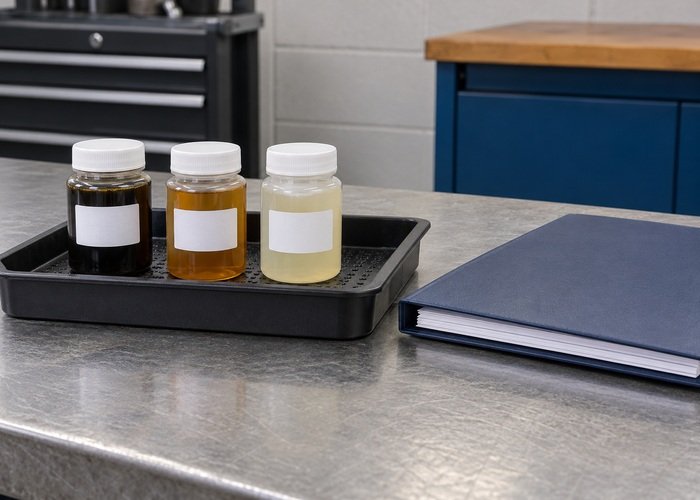
Mini Excavator Used Hydraulic Oil: Classify and Record the Handover
Identify used mini excavator hydraulic oil, confirm local waste classification and authorized collection, and retain a traceable service-to-handover record.
Read article
 Norsk bokmål
 EnglishEnglish (United States)
 EspañolSpanish (Spain)
 FrançaisFrench (France)
 DeutschGerman
 РусскийRussian
 Português do BrasilPortuguese (Brazil)
 Bahasa IndonesiaIndonesian
 ItalianoItalian
 العربيةArabic
 БългарскиBulgarian
 বাংলাBengali (Bangladesh)
 ČeštinaCzech
 DanskDanish
 ΕλληνικάGreek
 SuomiFinnish
 हिन्दीHindi
 HrvatskiCroatian
 MagyarHungarian
 日本語Japanese
 한국어Korean
 Lietuvių kalbaLithuanian
 NederlandsDutchNorsk bokmålNorwegian (Bokmål)
 PolskiPolish
 RomânăRomanian
 SlovenčinaSlovak
 SlovenščinaSlovenian
 SvenskaSwedish
 ไทยThai
 TürkçeTurkish
 УкраїнськаUkrainian
 Tiếng ViệtVietnamese
 TagalogTagalog
 Bahasa MelayuMalay
 EestiEstonian
 CatalàCatalan
 Latviešu valodaLatvian
 اردوUrdu
 Српски језикSerbian
 فارسیPersian
 KiswahiliSwahili
 ShqipAlbanian
 ՀայերենArmenian
 ÍslenskaIcelandic
 BosanskiBosnian
 LuxembourgishLuxembourgish
 AfrikaansAfrikaans
No matching language. Try a different name.

Machinery selection, working applications, maintenance and export guidance for equipment buyers and owners.
37Identify used mini excavator hydraulic oil, confirm local waste classification and authorized collection, and retain a traceable service-to-handover record.
Read article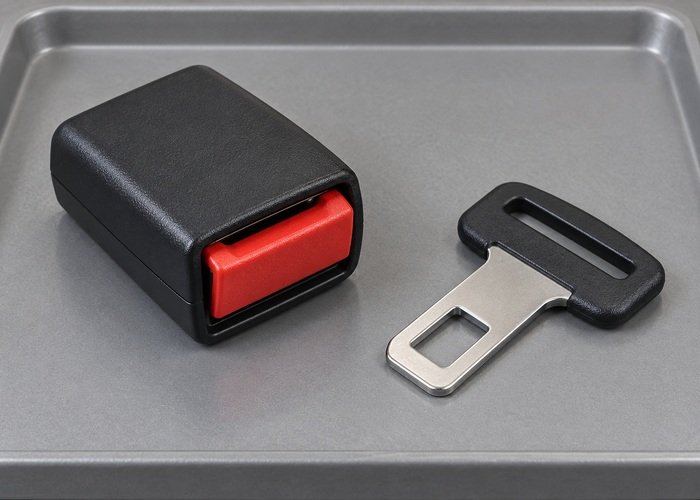 38
Identify the complete mini excavator restraint, document inspection concerns and confirm approved replacement parts for the actual seat and mounting arrangement.
Read article 39
Trace mini excavator diesel from delivery to storage and dispensing with product identity, stock history and qualified contamination investigation records.
Read article 40
Plan mini excavator concrete demolition around task classification, cab evidence, other workers and site-specific silica controls before choosing a breaker.
Read article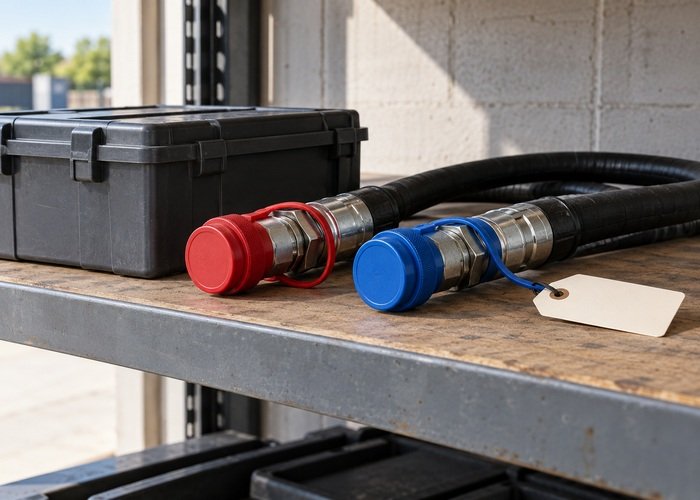 41
Plan mini excavator breaker storage with approved support, protected connections, traceable condition records and qualified return-to-service checks.
Read article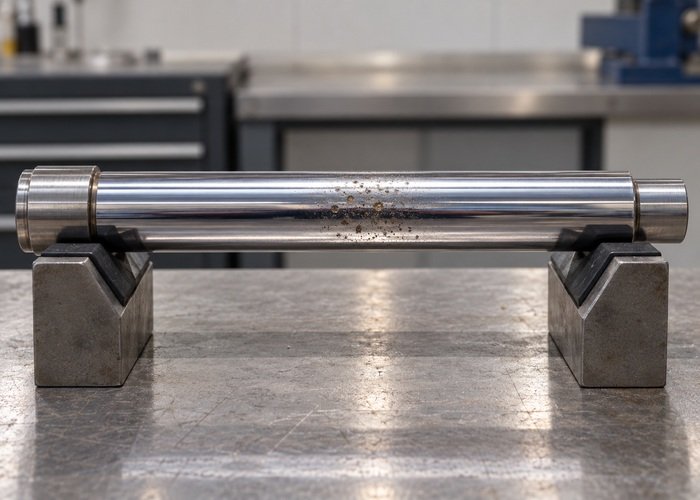 42
Document mini excavator cylinder rod pitting safely, distinguish surface observations from drift, and prepare an identified inspection and repair request.
Read article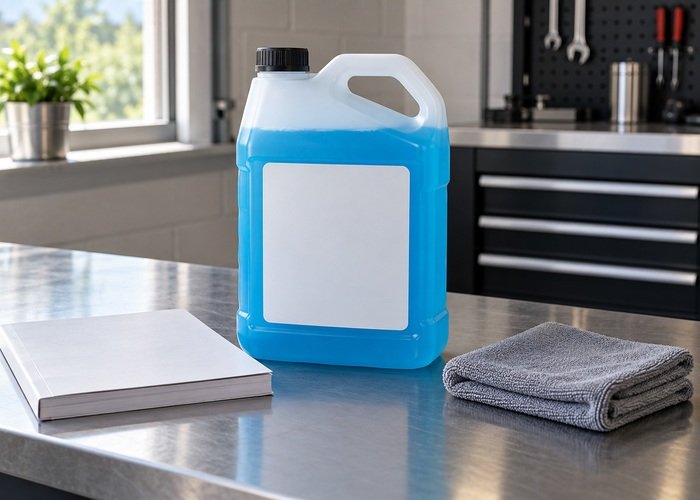 43
Choose mini excavator coolant by engine specification, documented fill, concentration and approved service guidance rather than colour alone.
Read article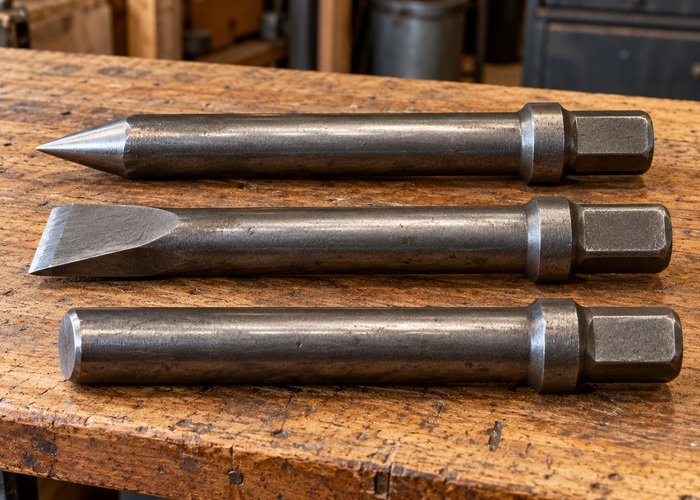 44
Compare mini excavator breaker tool shapes by material and task, then confirm the exact shank, retention and breaker approval before ordering.
Read article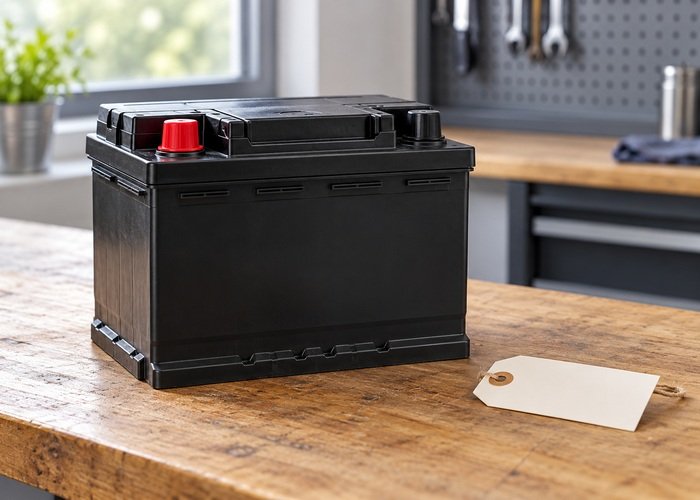 45
Confirm mini excavator battery voltage, technology, ratings, terminal layout, tray fit and approved installation before ordering a replacement.
Read article