Telephone/WhatsApp:+86 156 2656 0610
Telephone/WhatsApp:+86 156 2656 0610
Email:info@seekmach.com

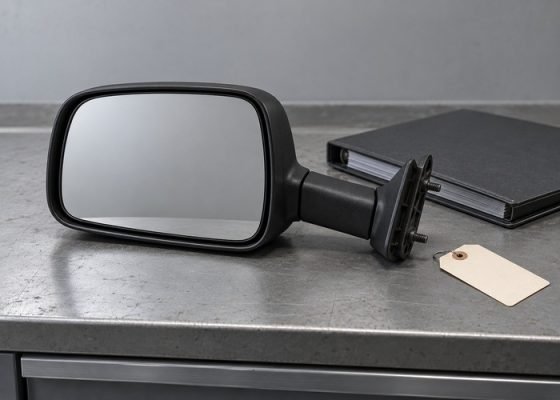
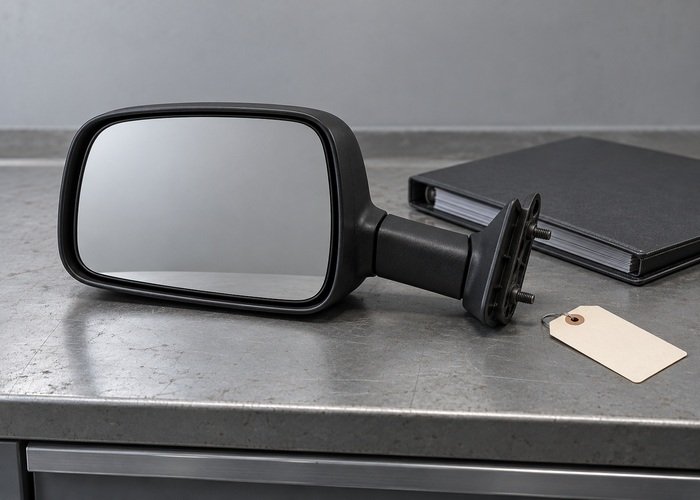
For mini excavator mirror or camera replacement, identify the complete original assembly, confirm approved compatibility and inspect the restored view before closing the defect. A similar housing or matching plug is not enough. Mirrors, brackets, cameras, cables and displays form an installation whose usefulness depends on the actual machine and operating position.
This guide helps an owner prepare an accurate replacement request and a clear service handover. It does not specify a universal mounting point, camera angle, electrical connection or visibility clearance. Use the applicable machine instructions and a qualified service provider for installation and inspection. Where visibility is inadequate for the intended task, follow the site’s stop-work and defect-control process.
Start with what the operator cannot see reliably and when the problem occurs. A cracked mirror, loose arm, cloudy lens, intermittent display and glare-obscured monitor are different observations. Write them separately. “Bad rear camera” is a weak order description when the actual fault may be in a cable, display or mounting component.
Record the machine identity, accessible component markings and the date the problem was first noticed. If safe to obtain, photograph the assembly and its surrounding installation with the machine secured under its instructions. Do not remove guards, climb on unsupported equipment or move the machine to produce a more dramatic defect photograph.
Keep broader buying considerations in the guide to service access, couplers and operator visibility. The replacement task here is narrower: establish which part belongs to the existing installation and how the responsible person will determine that the relevant view has been restored.
A mirror may be intact while its arm no longer holds adjustment. A camera may produce an image while the displayed orientation or field of view differs from the approved arrangement. Conversely, an apparently dead camera does not prove that its lens unit is the failed component. Have a qualified person diagnose the problem before converting an observation into a parts conclusion.
UK HSE guidance on safe manoeuvring discusses clean, unobstructed views and the limitations of camera systems. Dirt, glare and difficulty judging distance can affect usefulness. These general points explain why an image on a screen is not, by itself, a completed visibility assessment; they do not prescribe a mini excavator installation.
| Observed condition | Evidence for the service request | Assumption to avoid |
|---|---|---|
| Mirror will not retain position | Assembly identity and description of looseness | Only the mirror glass needs replacing |
| Camera image disappears | When it occurs and affected system functions | The camera unit must be the sole fault |
| Replacement housing looks identical | Part numbers and approved application confirmation | Appearance establishes electrical or optical compatibility |
| Display works after service | Specified inspection and recorded outcome | A live picture proves the intended view is adequate |
Keep symptom reports factual. Note whether a problem is constant or intermittent and whether cleaning under the manual’s method changes it. Do not ask an operator to reproduce an electrical fault while the machine is working near people. The maintenance provider should decide what controlled diagnostic work is appropriate.
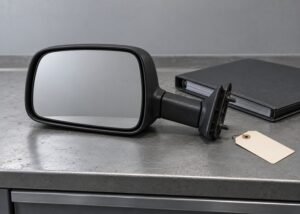
Include the excavator model and serial information, existing part number where legible, and photographs that distinguish the assembly from nearby equipment. For mirrors, identify the housing, arm and mounting arrangement rather than ordering an approximate glass size alone. Where the maker supplies the item as a complete assembly, preserve that scope in the request.
For cameras, record the camera, cable and display identities that can be read safely. Ask the supplier to confirm compatibility with the actual system and any required configuration. Do not infer voltage, connector assignments, video format or orientation from a housing photograph. A connector that physically mates can still belong to an unsuitable component.
The mini excavator spare-parts ordering guide explains how to keep identification with the order. Add one question specific to visibility equipment: does the proposed supply restore the approved original arrangement, or does it require a separately approved change? Obtain that answer before parts are fitted.
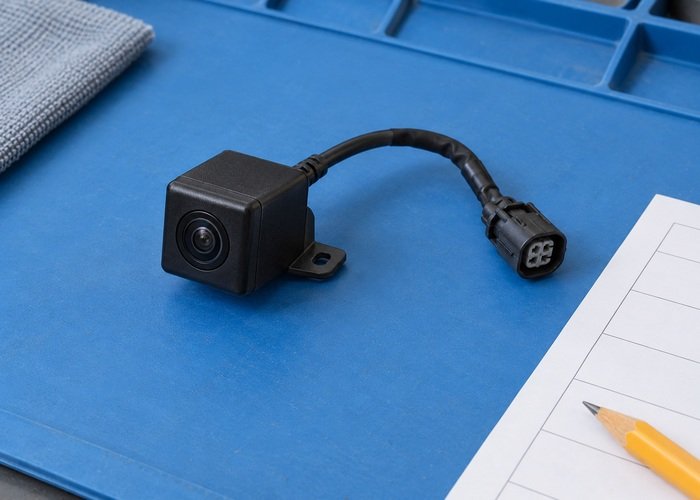
Mechanical fit concerns the approved mounting arrangement, retention and surrounding clearance. Optical fit concerns the intended view and the relationship between the camera, display and operator. Electrical and system fit concern the supported connection and configuration. A successful answer in one category does not settle the others.
Ask for a complete list of required assembly parts and the applicable installation instructions. Missing brackets, seals or mounting hardware can turn an apparently complete order into an improvised repair. Do not drill a protective structure or adapt a support simply to make an unfamiliar part fit. Escalate a changed arrangement to the machine manufacturer or authorized provider.
A parts supplier’s generic description such as universal is not machine-specific approval. Save written application confirmation with the quotation, including any stated limitations. If the supplier cannot identify the existing system from the evidence provided, improve the identification pack instead of asking the installer to solve the uncertainty after delivery.
Before service, identify who will install the part and who will accept the result under the machine instructions and site arrangements. Specify the intended inspection evidence in the work order. That avoids a handover where the installer reports that the component is attached while the operator is left to discover whether the useful view changed.
HSE work-equipment inspection guidance explains that inspection should address deterioration that could create danger and reflect the equipment and circumstances. For a visibility repair, the responsible competent person should determine the appropriate checks and record what was examined. This article supplies a documentation framework, not an inspection standard or certification.
Secure the excavator and control access before any inspection involving equipment movement. Follow the applicable procedure for isolation and restoration. Do not place a person in a potential blind area as a convenient test target. Any controlled view check must use a method selected by the responsible qualified person and maintain separation from machine hazards.
Record that the specified assembly was fitted and that the applicable installation and inspection instructions were followed. Where an adjustment or configuration is required, retain the relevant reference and result. If the intended view remains uncertain, leave the defect open and obtain further assessment rather than describing the job as complete.
Ask the operator to report residual obstructions, glare, intermittent images or difficulty using the system through the site’s normal defect process. A replacement can restore a component without resolving a site layout that exposes people to machine movements. Treat those findings as separate actions with clear ownership.
UK HSE’s excavator overview addresses the wider need to manage excavation equipment and people safely. Visibility aids belong within that wider system. They should not be presented as permission to rely on a screen while abandoning exclusion arrangements, communication or other task controls.

File the original observation, part identities, supplier confirmation, service instructions, installation date and acceptance record together. Link the record to the machine rather than to the person who happened to order the part. Where a removed component is retained for analysis, follow the service provider’s handling and identification process.
Use the daily inspection checklist to return the repaired equipment to routine observation. The daily entry can reference the repair record and list any monitoring requirement. It should not repeat a detailed parts history at every shift or imply that an operator has performed a technical inspection beyond their assigned competence.
For repeated damage, record the pattern before buying another identical item. Is the same assembly being struck, losing adjustment or producing intermittent symptoms? The responsible service provider can then investigate the installation and operating context. Repetition is useful evidence; it does not justify an unapproved relocation or substitute assembly.
Before resale or transfer between sites, retain the visibility-system history with the machine records. Note any approved change and the documentation that supports it. A future owner should be able to distinguish the original arrangement, an accepted replacement and an unresolved modification without relying on informal recollection.
A photograph helps identification but does not establish electrical, optical or system compatibility. Supply the machine and component identities and obtain written confirmation for the actual installation before ordering.
No. The applicable inspection also needs to establish that the installed arrangement provides the intended function. Retain the qualified person’s inspection outcome and keep unresolved visibility concerns open.
No universal mounting position can be specified for all mini excavators. A changed arrangement needs manufacturer or authorized-provider assessment, and visibility aids remain part of the site’s wider management of machine movements and people.
Send machine identification, accessible component markings, clear photographs, the observed defect and the existing system information. Ask for the complete approved assembly, required installation documentation and the inspection needed to close the defect.